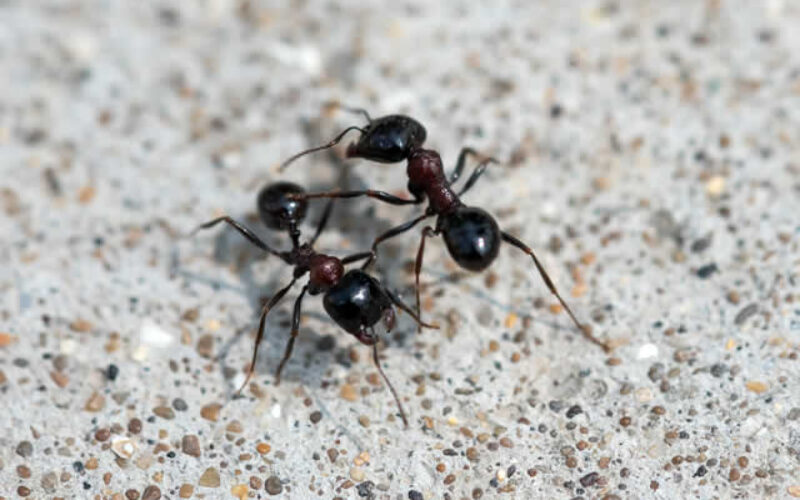
While ants are essential for maintaining ecological balance outdoors, their forays into homes disrupt daily life, raise hygiene concerns, and frustrate nearly every homeowner.
This blog provides an in-depth guide to keeping ants out of your home. We’ll explore the behavior of ants, discuss tips for prevention, unveil simple natural remedies, and when necessary, examine professional pest control options.
Whether you’re dealing with a persistent invasion or taking preventive measures, this guide offers everything you need to reclaim your space.
Understanding Ant Behavior
Ant control starts with understanding the behavior of these industrious insects. Behind their seemingly random movements lies a sophisticated system of organization that allows ants to thrive.
By learning how and why ants operate, you can tailor effective strategies to keep them away.
-
Identifying Common Ant Species
Ant infestations aren’t a one-size-fits-all problem. Different species bring unique challenges to households. Carpenter ants, for instance, are a structural nightmare, often compromising the integrity of wooden fixtures as they burrow to build their colonies.
Odorous house ants, on the other hand, are relatively harmless but can contaminate food and emit a strange smell when crushed. Knowing which species is targeting your home ensures you deploy the right tactics for effective control.
-
Understanding Ant Foraging Habits
Ants are foragers by nature, perpetually seeking the next food source to sustain their colonies. Food crumbs, spilled sugar, and unsealed trash bins are irresistible magnets for ants.
These tiny creatures leave a trail of pheromones for their fellow ants to follow, creating those uniform lines we frequently see. Disrupting these pathways plays a crucial role in preventing infestations.


Preventive Measures
Preventing ants from entering your home is always easier than dealing with an established infestation. Not only does prevention save you time, but it also ensures that you maintain a comfortable and sanitary living environment.
-
Sealing Entry Points
Ants are expert infiltrators, often finding entry points you didn’t even know existed. Inspect your home closely, checking for cracks in foundations, gaps around windows and doors, and poorly sealed utility openings.
Use caulk to fill in small crevices, and install weather stripping to keep ants from sliding through gaps under doors. These small adjustments can serve as an effective first line of defense.
-
Maintaining Cleanliness and Food Storage
Without access to food, ants are far less likely to stick around. Cleaning up food debris, immediately wiping down spills, and storing pantry staples in airtight containers can make a huge difference.
Regularly empty and clean trash bins, especially in the kitchen, to eliminate potential food sources. Even pet food can attract ants, so consider placing bowls on an ant-proof mat or tidying up leftover kibble after meals.
Natural Ant Repellents
For homeowners seeking eco-friendly and family-friendly options, natural repellents provide safe alternatives to chemical solutions. Many household items can be repurposed into effective ant deterrents that are both cost-efficient and easy to prepare.
-
Using Vinegar, Lemon Juice, and Essential Oils
Vinegar and lemon juice are not only staples in the kitchen but are also excellent natural ant repellents. The strong scent disrupts an ant’s ability to follow pheromone trails.
Mixing white vinegar or lemon juice with water and spraying it along ant pathways is a simple yet effective solution.
Essential oils like peppermint and tea tree oil also work wonders at repelling ants. Add a few drops of these oils to water, create a spray, and apply it around windowsills, doorways, and other entry points.
The pleasant aroma may be a bonus for you, but ants will steer clear of it.
-
Creating DIY Ant Traps
DIY ant traps are another great way to combat these pests naturally. A combination of sugar and borax, for example, lures ants in while delivering a slow-acting poison to bring back to the colony.
Mix equal parts of sugar and borax, place the mixture in small containers, and position them near ant trails. Keep these traps away from pets and small children for safety.

Effective Methods for a Pest-Free Home
Pests are more than just a nuisance—some can cause significant damage to your home and health issues for your family. Addressing pest problems promptly and effectively is crucial for maintaining a safe, healthy living environment.
Professional Pest Control
For severe or recurring infestations, professional pest control services may be the way to go. While natural remedies and preventive measures are effective for mild cases, calling in experts ensures thorough and lasting pest eradication for more challenging invasions.
-
When to Seek Professional Help
If you’ve tried sealing entry points, maintained a spotless home, and deployed natural remedies without success, it’s time to consider professional assistance.
Evidence of widespread colonies, structural damage, or ants in hard-to-access areas requires expertise beyond DIY strategies.
-
Overview of Professional Treatment Options
Professional pest control companies offer a range of services tailored to your situation. Treatments may include baiting systems, chemical sprays, or even fumigation in extreme cases.
Reputable providers will conduct a detailed inspection to assess the scale of the infestation and recommend an integrated pest management plan. Always vet professional services for certifications and positive reviews to ensure high-quality results.
Protecting Your Home Against Ants
Battling ants is a frustrating but manageable issue when approached systematically. From understanding their behavior to implementing natural repellents, sealing entry points, and knowing when to call for professional help, there’s no shortage of solutions at your disposal.
By staying vigilant and proactive, you can keep your home a pest-free haven for your family. Combine these actionable steps with occasional inspections to ensure your efforts aren’t undone by new vulnerabilities.
| Method | Description |
|---|---|
| Identifying Common Ant Species | Different species require unique control methods (e.g., carpenter ants, odorous house ants). |
| Sealing Entry Points | Block cracks, gaps, and openings around your home’s exterior. |
| Cleaning and Maintenance | Keep areas free of food and eliminate attractive smells. |
| Vinegar and Lemon Juice | Use to disrupt ant trails (natural and eco-friendly method). |
| DIY Ant Traps | Combine sugar and borax to control colonies safely. |
| Professional Assistance | Call professionals for wide-scale or recurring infestations. |
other related analysis of interest: (new win)
Find Pest and Environmental Services Pest Control Lead-Mold-Radon Recovery Services Water Softening top-rated, pre-screened local contractors FREE: download contractor selection enter zip code – powered by HomeAdvisor ™


Image credit: by envato.com
end of post … please share it!
| more photo remodeling |
Jump Over to Our Photo Analysis Center for Ideas on
"Renovating Home"
|__________________________________________________________|
home remodeling surprise
find out where it might go - new win


Helpful article? Leave us a quick comment below.
And please share this article within your social networks.