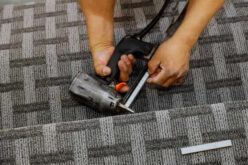
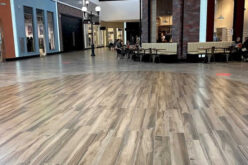
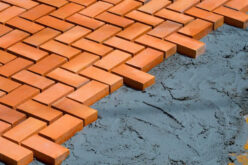
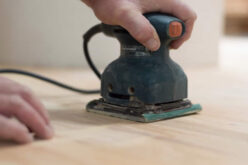
Typically constructed from plywood, oriented strand board (OSB), or concrete, the subfloor lies hidden beneath your flooring materials such as hardwood, carpet, or tile.
While it may go unnoticed most of the time, maintaining and repairing your subfloor when necessary is essential to preserving the integrity of your home’s flooring system and preventing costly structural issues in the future.
This guide outlines the key steps to understanding and identifying subfloor damage, as well as repairing and maintaining it. Packed with practical tips, it will help you safeguard your home’s foundation and prevent future issues with ease.
By taking a proactive approach to subfloor care, you can maintain a safe and stable home environment while also safeguarding your investment.
- post content
- What Is a Subfloor?
- Why Do Subfloors Get Damaged?
- Recognizing Signs of Subfloor Damage
- Steps to Repair or Replace Your Subfloor
- Tools and Materials You Need
- Preventing Future Subfloor Issues
- DIY or Call in the Pros?
- Resources and Further Reading
- view ideas:latest remodeling analysis
- view key:collective notes
What Is a Subfloor?
A subfloor is the essential structural layer situated directly beneath your finished flooring. It is the backbone of your floor system, providing stability, distributing weight, and offering a secure base for carpet, tile, hardwood, or laminate.
Whether you live in an old house with original wood floors or a modern home constructed with engineered joists and OSB, the subfloor keeps your living space level and secure. This underlying layer carries the load from above and transfers it evenly across the home’s support structure, helping floors last for decades when properly maintained.
Without a sound subfloor, even the most beautiful flooring surfaces suffer from instability, squeaking, or more serious structural issues. Any movement or flexing in the subfloor can lead to cracks in tile, gaps in hardwood, or buckling in laminate—so its condition is crucial for aesthetics and function.

The importance of subfloors often goes unnoticed until issues arise. Subfloors shield your living spaces from ground moisture, create a level surface for finishing materials, and help maintain the structural integrity of your entire home. This protective layer also helps moderate temperature and sound, improving overall comfort.
Understanding what a subfloor does—and what can go wrong when it’s compromised—prepares you to identify potential problems early and take proactive steps toward lasting home safety.
If you’re considering tackling repairs or improvements, look at this comprehensive sub floor replacement guide to help you plan your project confidently and efficiently. Addressing subfloor concerns promptly can save you from more costly structural repairs.
Investing in quality materials and professional guidance ensures durability and peace of mind. You can protect your home’s foundation with the right approach while enhancing comfort and value.

Why Do Subfloors Get Damaged?
Although subfloors are built to last, several common problems can lead to their deterioration. The leading cause is moisture intrusion, often from plumbing leaks, poor drainage, or flooding.
Over time, excess moisture causes wood to rot, warp, or develop mold, undermining its strength. Chronic dampness or repeated exposure to water over months or years can weaken subflooring to the point of failure.
Pest infestations, particularly termites, threaten wooden subfloors by hollowing out crucial support areas. Insects can remain hidden for years before the damage becomes obvious, so vigilance is necessary.
Subfloors may also be weakened by poor construction methods, low-quality materials, or even design flaws, making certain areas more susceptible to wear and tear. Heavy foot traffic, frequent moving of furniture, appliances, or other concentrated loads like pianos can accelerate damage, resulting in noticeable depressions, squeaking, or sagging floors.
Foundation settlement or shifting, often found in older homes or regions with unstable soil, can also stress the subfloor. According to Family Handyman, minor problems can snowball quickly, so regular inspection is vital, especially after water damage or pest infestations.
Recognizing Signs of Subfloor Damage
Timely detection of subfloor problems is crucial for cost-effective repair. Look for persistent squeaks, uneven or bouncy flooring, soft or spongy spots, and discoloration beneath floors.
Musty odors can signal hidden mold growth, even if the damage isn’t immediately visible. Floors that feel like they sink beneath your weight or have a spongy texture often indicate that moisture or rot has compromised the subfloor’s integrity.
Water stains, peeling flooring, bulging boards, or the appearance of nail pops are further warning signs that call for closer inspection.
Subfloor issues remain hidden in many homes until a renovation or repair project uncovers warped panels or rotting wood. If you experience a sudden change—such as a section of floor that suddenly dips or feels significantly unstable—stop walking on that area and assess the underlying structure for safety.
In kitchens and bathrooms, where water exposure is frequent, keep an eye out for places where tiles have come loose or grout has cracked, as these can signal lurking subfloor damage.
Steps to Repair or Replace Your Subfloor
Repairing or replacing a subfloor can be handled with careful planning and attention to detail. Even moderate DIYers can successfully tackle minor repairs, but be prepared to invest time and effort. Here are the key steps for a safe and effective repair:
- Carefully remove the top layer of flooring using appropriate tools. If the area is near plumbing or electrical fixtures, turn off utilities as a precaution. Take photos as you progress to return everything to its original state during reassembly.
- Inspect the exposed subfloor for rot, mold, or insect damage. Probe questionable spots with a screwdriver—soft or crumbling wood typically means replacement is necessary. Mark any discoloration or water staining you discover.
- Mark damaged sections and uses a circular saw set to the correct depth to cut out these areas. Take care to avoid wires, pipes, and joists below. Remove the damaged panels and clean up debris to prevent ingesting dust or mold spores.
- Prepare and cut replacement panels to size from plywood or oriented strand board (OSB). Position and secure them with construction adhesive and screws for maximum stability, ensuring edges rest securely on the underlying joists. Use galvanized or coated fasteners in high-moisture areas to prevent rust.
- For larger repairs, reinforce floor joists if needed to ensure structural integrity. If the damage extends below the subfloor paneling, use blocking or sistering joists. Once the panels are secure, reseal any gaps to prevent future moisture entry.
- Reinstall your flooring, checking for smooth transitions and secure seams. Take extra care with tile or hardwood to ensure a flat, even base before moving on.
When removing moldy or water-damaged subflooring, wear proper protective gear and control dust to avoid spreading spores or harmful particles. Dispose of contaminated material according to local regulations, especially in cases of pest or severe mold damage. If you’re unsure, consult a professional for advice on remediation.
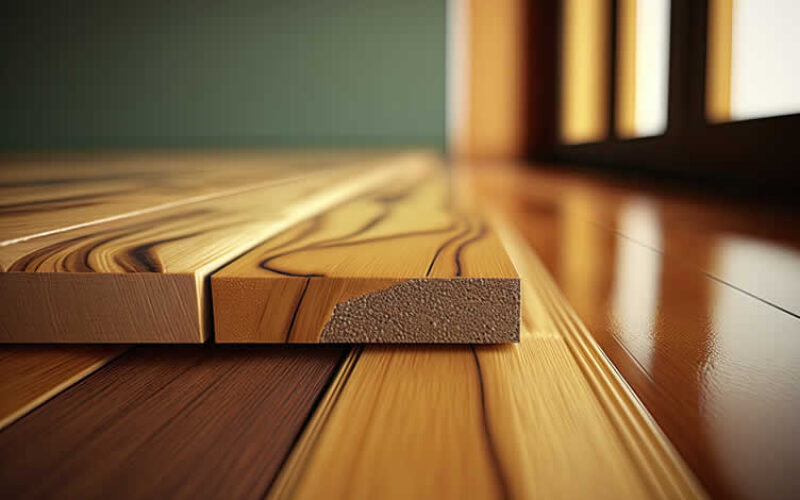
Sustainable Flooring Options for an Eco-Friendly Home Renovation
Sustainable flooring options have become a cornerstone for conscious homeowners looking to infuse their spaces with a green ethos. These eco-friendly alternatives are not merely a trend. They represent a significant shift towards responsible consumption in the renovation and construction sector.
Tools and Materials You Need
Thorough preparation is essential for a successful subfloor repair project. Here’s a checklist of critical items to gather before you begin:
- Circular saw or reciprocating saw for precision cuts through the subfloor
- Pry bar and hammer for lifting existing flooring and removing damaged panels
- Measuring tape, level, and pencil for marking accurate cuts
- Power drill, screwdriver, and construction-grade screws for reattaching panels securely
- Replacement subfloor panels (plywood or OSB, matched for thickness and rating)
- Protective gloves, safety goggles, and a dust mask or respirator for safe handling of debris
These tools will make the process safer and more efficient, reducing the risk of accidental damage or injury. Consider renting or borrowing extra equipment from your local hardware store for specialized situations, such as concrete subfloors or advanced moisture sealing.
Preventing Future Subfloor Issues
Protecting your subfloor from future damage starts with prompt action and focused maintenance routines. Regularly inspect under sinks, behind appliances, and in basements for leaks or pooling water, as unnoticed plumbing problems are a leading culprit. Address spills and plumbing problems immediately to avoid moisture penetration.
Use dehumidifiers in humid regions or crawlspaces, and ensure adequate ventilation to prevent condensation buildup. Ensuring gutters and downspouts are directing water away from your foundation is worthwhile.
Take note of any persistent humidity in areas such as laundry rooms or basements, and invest in vapor barriers or waterproof membranes for added protection if necessary.
Many homeowners now install vapor barriers or apply waterproof sealants during new builds or renovations to minimize risk. As explained by the experts at HGTV, these preventative measures significantly improve long-term durability and indoor air quality. Regular inspection and prompt repairs keep your floor structure safe and solid, even as your home ages.
DIY or Call in the Pros?
Deciding whether to tackle subfloor repairs yourself or hire a professional depends on the extent of the damage and your level of experience. Minor, localized repairs—such as swapping out small areas of damaged wood—are often manageable for experienced DIYers.


Having carpentry skills and the proper safety equipment can help make such repairs manageable, particularly for homeowners who have completed flooring or home improvement projects.
However, extensive water damage, structural rot, or mold infiltration exists. A licensed contractor will have the specialized knowledge and tools to evaluate and fix deeper problems, ensuring lasting results and safety.
Professionals can also recognize hidden concerns, like compromised joists or improper construction, that a DIYer might overlook. Having an expert involved in homes with multiple layers of flooring, older building materials, or outdated wiring and plumbing could prevent costly errors. Weigh the risks and rewards carefully before starting any large-scale repairs.
Resources and Further Reading
For more in-depth advice, consult industry-leading resources on foundation and structural repairs, such as the experts at This Old House. These organizations regularly update their guides to reflect the latest materials, methods, and safety standards in subfloor construction and repair.
Combining information from trusted sources with routine inspection and timely maintenance will keep your subfloor—and the rest of your home—solid for years to come. Never underestimate the value of a sound subfloor: the hidden layer protects your home’s comfort, value, and safety from the ground up.
Repairing damaged subfloors restores stability and safeguards your home from future issues. Homeowners can ensure durability and comfort by identifying problems early, using proper materials, and following best practices. Taking these proactive steps strengthens your home’s foundation, creating a safer, longer-lasting environment for everyday living.
other related analysis of interest: (new win)
Home Upgrades for Seniors: Creating a Safe and Comfortable Home
Home Plumbing Tricks and Tips: How Best to Maintain Your Plumbing Drainage System
Find Flooring Services Brick & Stone Concrete Carpet Hardwood Laminates & Vinyl Tile top-rated, pre-screened local contractors FREE: download contractor selection enter zip code – powered by HomeAdvisor ™


Image credit: repair damaged subfloors by envato.com
end of post … please share it!
| more photo remodeling |
Jump Over to Our Photo Analysis Center for Ideas on
"Renovating Home"
|__________________________________________________________|
home remodeling surprise
find out where it might go - new win


Helpful article? Leave us a quick comment below.
And please share this article within your social networks.