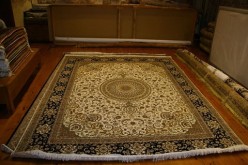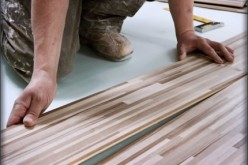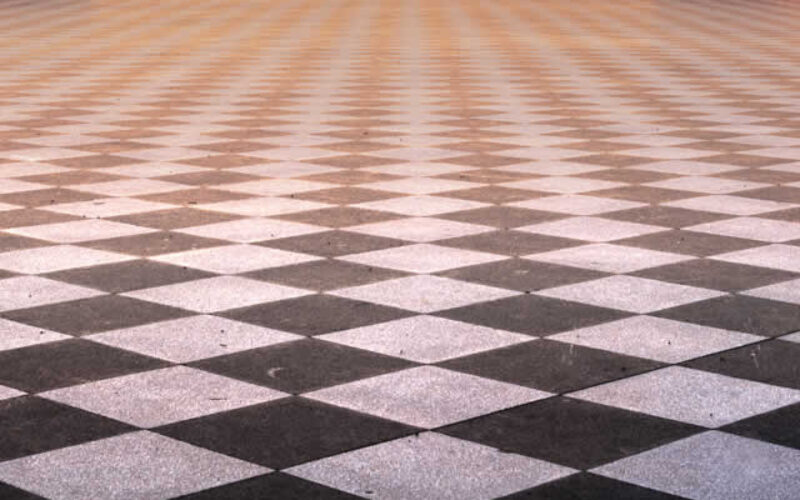
From classic checkerboard floors to sophisticated herringbone wood arrangements and eye-catching statement tiles, these bold designs are finding their way into homes across the spectrum—whether your style leans traditional, contemporary, or somewhere beautifully in between.
The appeal extends far beyond mere aesthetics. These patterns offer homeowners a powerful tool for creating visual interest, defining spaces, and expressing personal style while maintaining timeless appeal.
Whether you’re planning a complete renovation or simply looking to refresh a single room, understanding how to incorporate geometric patterns can transform your space from ordinary to extraordinary.
This resurgence isn’t just a fleeting trend—it represents a deeper shift toward intentional design choices that balance boldness with sophistication, creating homes that feel both current and enduring.
- post content
- The Resurgence of Geometric Patterns
- Key Geometric Patterns to Watch
- Integrating Geometric Patterns into Your Space
- Geometric Patterns in Different Rooms
- DIY Projects and Ideas
- Embracing Pattern with Confidence
- view table:content summary
- view notes:collective tips
- view ideas:latest remodeling analysis
The Resurgence of Geometric Patterns
Understanding the current popularity of geometric patterns requires examining both their rich historical foundations and the contemporary factors driving their renewed appeal. These design elements have evolved from ancient decorative arts to become essential components of modern interior design.
-
A Historical Overview
Geometric patterns have adorned human spaces for millennia, appearing in everything from ancient Roman mosaics to Art Deco architecture. The checkerboard pattern, for instance, dates back to ancient Egypt and has remained a symbol of sophistication across cultures.
Herringbone patterns emerged in Roman road construction, later becoming a hallmark of European craftsmanship in parquet flooring and textile design.
These patterns gained particular prominence during the mid-20th century when modernist designers embraced clean lines and mathematical precision. The recent revival draws inspiration from this heritage while adapting to contemporary sensibilities and manufacturing capabilities.
-
Why Now? Factors Driving the Trend
Several cultural and technological factors contribute to geometric patterns’ current popularity. Social media platforms have amplified visual design trends, making bold patterns more accessible and inspiring to everyday homeowners.
Additionally, advances in manufacturing technology have made complex geometric designs more affordable and easier to install.
The psychological impact of geometric patterns also plays a crucial role. These designs create a sense of order and stability in increasingly chaotic times, offering visual anchors that help define spaces and create focal points. They provide the perfect balance between predictability and visual excitement that today’s homeowners crave.


Key Geometric Patterns to Watch
Three specific geometric patterns are leading this design renaissance, each offering unique characteristics and applications that suit different aesthetic preferences and practical needs.
-
Checkerboard: Classic and Versatile
The checkerboard pattern remains one of the most versatile and enduring geometric designs. Its alternating square motif works equally well in vintage-inspired kitchens and ultra-modern bathrooms. The pattern’s strength lies in its ability to create visual movement while maintaining structural simplicity.
In contemporary applications, checkerboard patterns appear in various scales and color combinations. Large-scale checkerboard floors can make small spaces appear larger, while smaller patterns add texture without overwhelming the room.
The key to success with checkerboard designs lies in choosing the right proportions for your space and coordinating colors that complement your existing palette.
-
Herringbone: Timeless Elegance
Herringbone patterns bring sophisticated texture to any surface through their distinctive V-shaped arrangement. This pattern works beautifully in hardwood flooring, tile backsplashes, and even wallpaper applications. The interlocking design creates natural flow and movement that draws the eye through the space.
The versatility of herringbone patterns allows them to complement both traditional and contemporary design schemes. In traditional settings, rich wood tones or classic subway tiles emphasize the pattern’s historical roots.
Contemporary interpretations might feature unexpected materials like metal tiles or bold color contrasts that highlight the geometric structure.
-
Statement Tiles: Making a Bold Impact
Statement tiles represent the most dramatic expression of geometric patterns in home design. These oversized or intricately patterned tiles serve as focal points that can transform entire rooms. From Moroccan-inspired designs to modern abstract geometries, statement tiles offer unlimited creative possibilities.
The key to successfully incorporating statement tiles lies in restraint and strategic placement. A feature wall in the bathroom, a kitchen backsplash, or an entryway floor can accommodate bold patterns without overwhelming the space.
Consider the room’s lighting, existing furniture, and overall color scheme when selecting statement tile patterns.
Integrating Geometric Patterns into Your Space
Successfully incorporating geometric patterns requires thoughtful planning and consideration of your space’s unique characteristics. The goal is to create visual interest while maintaining harmony with your existing design elements.
-
Tips for Choosing the Right Pattern
Start by assessing your space’s size, lighting, and current design style. Smaller rooms benefit from larger-scale patterns that create the illusion of expanded space, while larger rooms can accommodate more intricate or smaller-scale designs.
Consider the room’s function—high-traffic areas might benefit from more subtle patterns, while accent walls can handle bolder designs.
Your existing furniture and decor should guide pattern selection. If your space already features busy textures or patterns, choose geometric designs that complement rather than compete. Conversely, if your decor is relatively simple, geometric patterns can provide the visual interest your space needs.
-
Color Considerations
Color plays a crucial role in determining how geometric patterns impact your space. Monochromatic schemes create sophisticated, subtle pattern effects that work well in minimalist settings. High-contrast combinations make patterns more dramatic and attention-grabbing, perfect for creating focal points.
Consider your space’s natural lighting when selecting colors. North-facing rooms might benefit from warmer pattern colors, while south-facing spaces can handle cooler tones.
Remember that bold patterns in bright colors will dominate a room, while neutral geometric patterns provide texture without overwhelming the space.
-
Balancing Boldness with Subtlety
The most successful geometric pattern applications balance visual impact with overall room harmony. This might mean using bold patterns in small doses—perhaps a geometric backsplash paired with solid-colored countertops and neutral walls.
Alternatively, you might choose subtle geometric textures for larger surfaces while adding bold geometric accessories.
Consider the 60-30-10 rule when incorporating patterns: use your base color for 60% of the space, your secondary color for 30%, and reserve bold geometric patterns for the remaining 10%. This approach ensures visual interest without creating chaos.
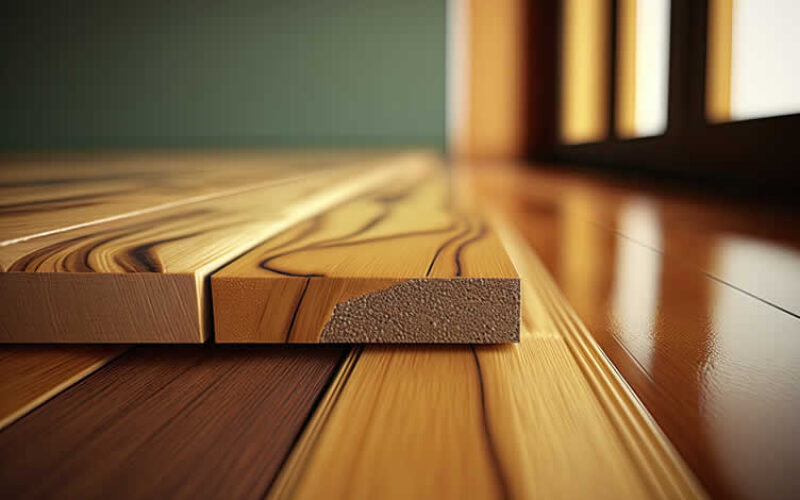
Sustainable Flooring Options for an Eco-Friendly Home Renovation
Sustainable flooring options have become a cornerstone for conscious homeowners looking to infuse their spaces with a green ethos. These eco-friendly alternatives are not merely a trend. They represent a significant shift towards responsible consumption in the renovation and construction sector.
Geometric Patterns in Different Rooms
Each room in your home presents unique opportunities for incorporating geometric patterns, with specific considerations for functionality, lighting, and daily use patterns.
-
Kitchens: Adding Flair with Backsplashes and Flooring
Kitchen spaces benefit tremendously from geometric patterns, which can add personality while maintaining practical functionality. Herringbone subway tile backsplashes create classic elegance, while checkerboard floors bring vintage charm to modern kitchens.
Consider geometric patterns on kitchen islands or in breakfast nooks for more dramatic impact.
When selecting kitchen patterns, prioritize materials that handle moisture and cleaning well. Ceramic tiles, natural stone, and properly sealed surfaces ensure your beautiful geometric patterns maintain their appearance over time.
Remember that kitchen patterns should complement your cabinetry and countertop selections rather than competing with them.
-
Bathrooms: Creating a Spa-Like Retreat
Bathroom spaces offer excellent opportunities for bold geometric statements. Shower enclosures with geometric tile patterns create stunning focal points, while geometric floor patterns can define different areas within larger bathrooms.
The key is choosing patterns that enhance the room’s relaxing atmosphere rather than creating visual stress.
Consider the bathroom’s size when selecting geometric patterns. Powder rooms can handle more dramatic designs since they’re used briefly, while master bathrooms benefit from patterns that remain soothing over extended periods.
Geometric patterns work particularly well in combination with spa-like materials such as natural stone and warm wood accents.
-
Living Rooms: Statement Walls and Rugs
Living room geometric patterns should enhance the space’s comfort and conversation-friendly atmosphere. Feature walls with geometric wallpaper or paint treatments create dramatic backdrops for seating areas, while geometric rugs help define conversation zones within larger spaces.
When incorporating geometric patterns in living areas, consider how they’ll look with various lighting conditions throughout the day. Patterns that appear subtle in bright daylight might become more prominent in evening lamplight.
Choose geometric elements that complement your lifestyle—bold patterns work well for entertaining spaces, while subtle geometries suit relaxed family rooms.
DIY Projects and Ideas
Creating your own geometric patterns offers both budget-friendly solutions and the satisfaction of personal craftsmanship. These projects can help you experiment with geometric designs before committing to larger renovations.
-
Easy Geometric Painting Techniques
Painter’s tape becomes your best friend when creating geometric wall patterns. Start with simple designs like stripes or diamonds before attempting more complex patterns.
Measure carefully and use high-quality tape to ensure clean lines. Consider practicing your technique on a hidden wall section first.
Stencils offer another accessible approach to geometric patterns. Create custom stencils for repeated motifs or purchase professional stencils for more complex designs.
Layer different geometric shapes for added visual interest, and don’t be afraid to experiment with metallic paints for dramatic effects.
-
Upcycling Furniture with Patterns
Existing furniture provides excellent canvases for geometric pattern experimentation. Transform plain dressers, side tables, or cabinet doors with painted geometric designs.
Sand surfaces properly before painting, use primer for better paint adhesion, and finish with protective topcoats.
Consider using geometric patterns to highlight specific furniture features—drawer fronts, table tops, or cabinet panels. This approach allows you to add visual interest while maintaining the furniture’s basic functionality and structure.


Embracing Pattern with Confidence
Geometric patterns offer homeowners an exciting opportunity to create spaces that reflect both current design trends and timeless aesthetic principles. The key to success lies in thoughtful selection, proper scale, and strategic placement that enhances rather than overwhelms your existing design.
Whether you choose classic checkerboard floors, elegant herringbone backsplashes, or dramatic statement tiles, remember that these patterns should serve your lifestyle and personal preferences.
Start with smaller projects to build confidence, then gradually incorporate larger geometric elements as you develop your design eye.
The enduring appeal of geometric patterns stems from their ability to create order, visual interest, and personal expression simultaneously. By understanding the principles behind successful pattern integration, you can transform your home into a space that feels both current and timelessly beautiful.
other related analysis of interest: (new win)
What Are the Benefits of a Steam Shower? The Ultimate Guide to Better Health
Find Flooring Services Brick & Stone Concrete Carpet Hardwood Laminates & Vinyl Tile top-rated, pre-screened local contractors FREE: download contractor selection enter zip code – powered by HomeAdvisor ™


Image credit: bold geometric patterns by envato.com
end of post … please share it!
| more photo remodeling |
Jump Over to Our Photo Analysis Center for Ideas on
"Renovating Home"
|__________________________________________________________|
home remodeling surprise
find out where it might go - new win


Helpful article? Leave us a quick comment below.
And please share this article within your social networks.