

Latest Topics: Foundation Care and Issues
Read More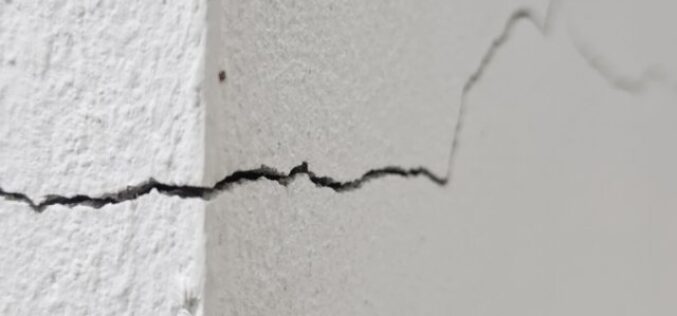
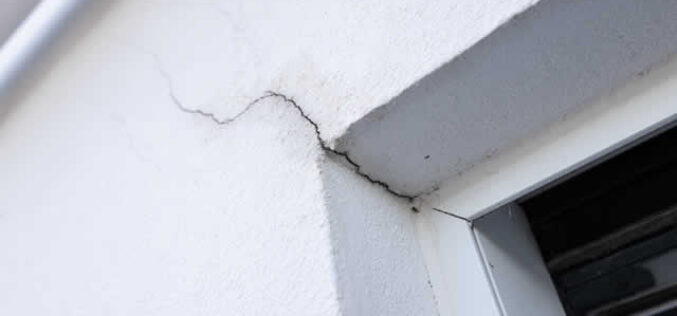
Noticed a crack in your home’s foundation, but aren’t sure if it’s a wait-and-see kind of thing or a call-someone-now kind of problem? Not every crack is a crisis, but some of them are. Here are some ways to tell
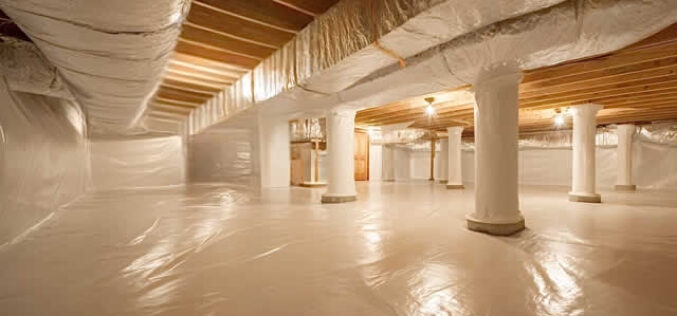
Moisture control is one of the most important aspects of maintaining a safe, stable, and healthy home. Excess moisture can quietly affect everything from indoor air quality to the long term durability of structural components.
Have you noticed your doors sticking lately? Are there mysterious cracks appearing in your walls? Perhaps your floors feel a bit bouncy or uneven when you walk across them?
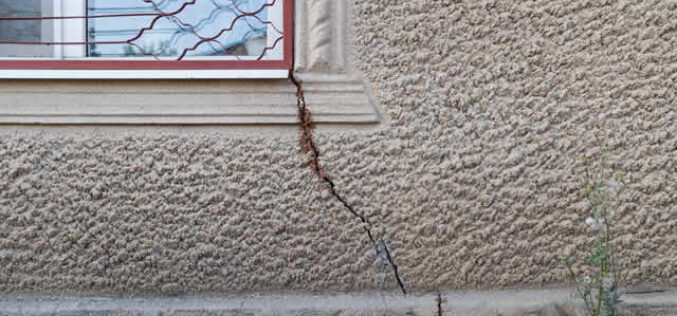
You might not think about the concrete slab or pier-and-beam structure sitting beneath your floorboards as you go about your daily life. It is easy to take for granted the silent strength that holds up our walls, our roofs, and the memories we build inside them.
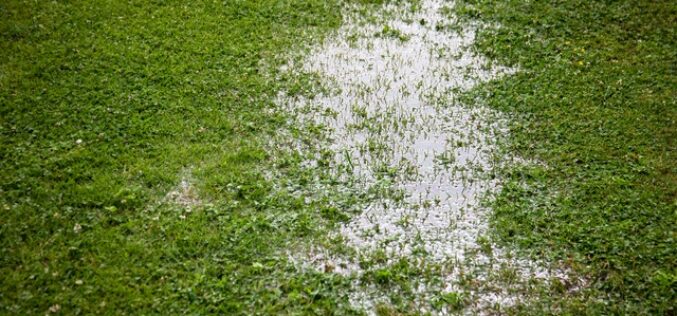
When you think about protecting your home, things like a solid roof or secure windows probably come to mind. But what about the ground your house sits on? Property grading, the process of shaping the land to direct water away
A solid foundation keeps your house safe, stable, and comfortable. Yet, identifying when your foundation needs attention isn’t always straightforward.
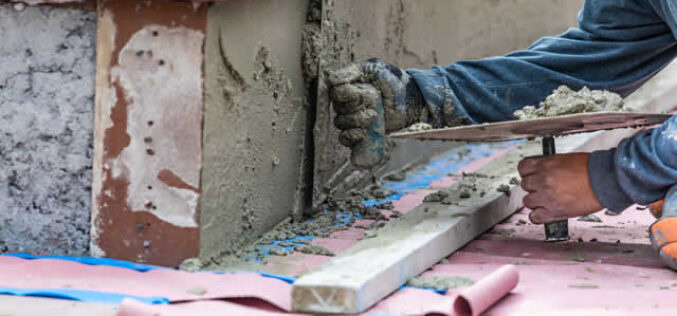
The most important part of a home’s structure is its foundation. It keeps things together and keeps things stable. However, foundations can develop problems over time.
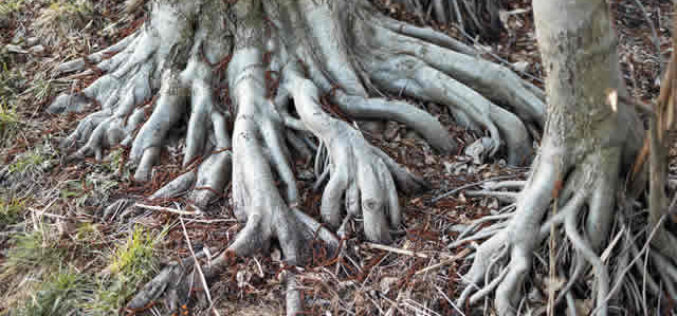
When it comes to maintaining your home, trees can be both a blessing and a curse. While they provide shade and beauty and can even increase property value, their roots can pose serious threats to your home’s foundation.
With most of us acquiring new appreciation for our homes following last year’s lockdowns, attention to structure has never been more prominent. But how often do we consider what lies beneath our beloved abodes?
Why does the idea of home restumping bring about a sense of discomfort? Is it because we link it with a structure that’s crumbling, or is it simply the uncertainty about the quality of work that professionals will bring on board?
Discovering that your house’s foundation is sinking can be a homeowner’s nightmare. The issue affects the building’s aesthetics and overall structural integrity.
As a homeowner, it’s essential to keep your foundation in good shape, as it’s one of the most crucial parts of your house. A damaged foundation can lead to more significant problems, including a complete house collapse.
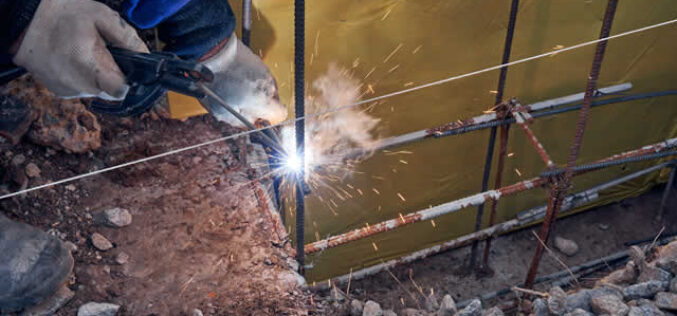
You may need underpinning if your house’s foundation is sinking or leaning. The sooner you call a structural engineer to assess the problem, the better.
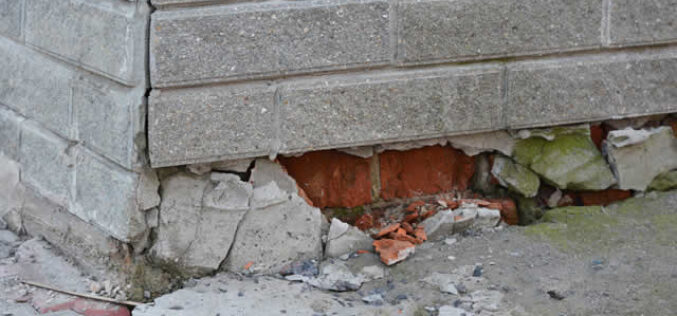
The foundation upon which your home is built might experience difficulties due to the load it holds and its position underground.
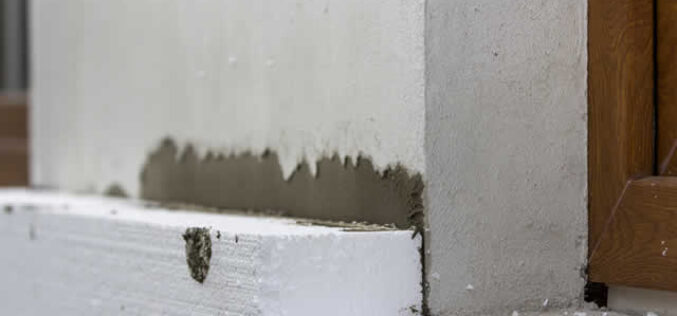
As homeowners, one of the most frustrating problems that we can encounter is a slab leak. Slab leaks occur when the pipes that run beneath the concrete foundation of a house springs a leak.
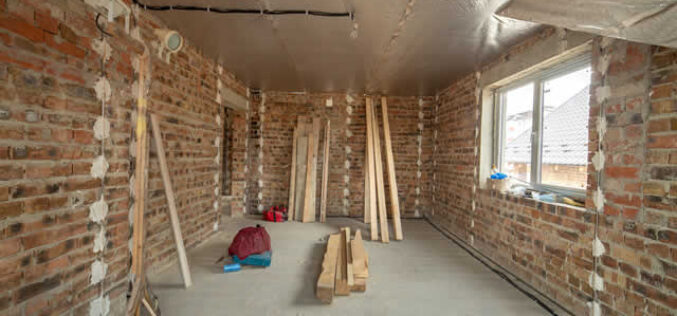
Every component used to build a house is integral to its structural stability. Even neglecting or poorly constructing one of them could significantly damage the house in the long run and demand hefty resources for repairs.
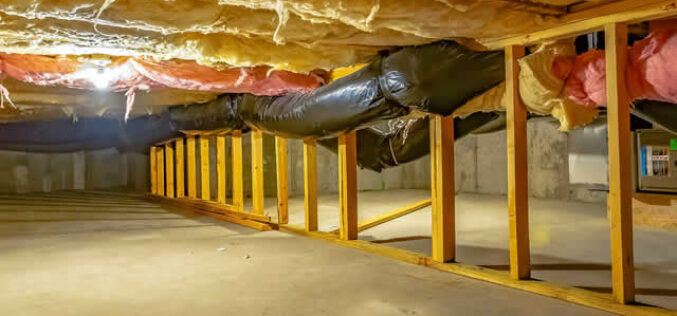
If you have a crawl space, you know that moisture can be a big problem. If not managed properly, excess moisture can lead to all sorts of problems like mold, wood rot, and even foundation problems.
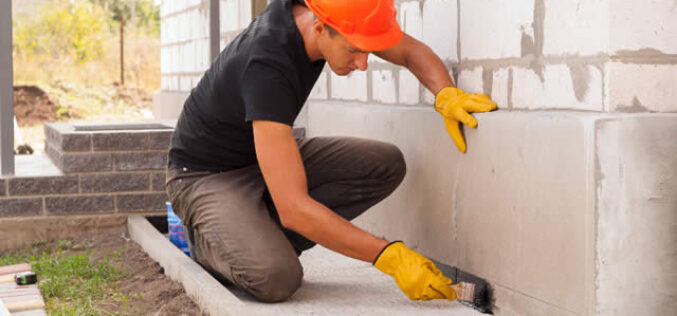
A common question at the foundation repair company is, “What are the first things I should look for?” This can be an intimidating inquiry, so we have compiled a list of five items to consider if you are experiencing trouble with your foundation.
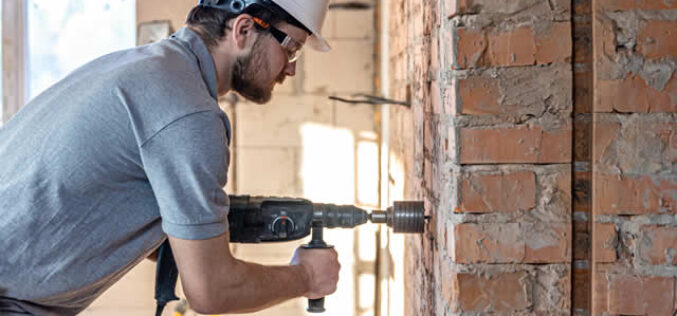
Old houses sometimes have cracked, crumbling, and weak basement foundation walls. This is especially true in areas with damp or sandy soil, or if the builders used inferior concrete.
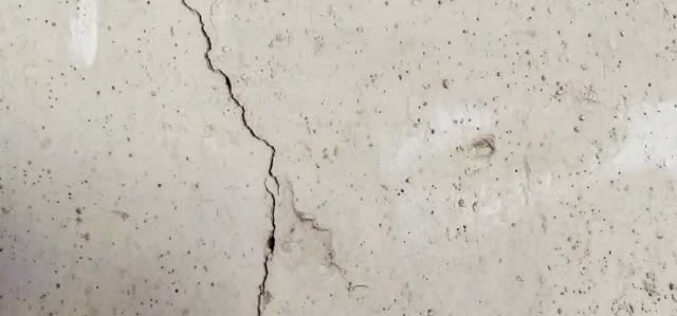
When you find cracks on the outside of your home, it can cause quite a bit of anxiety. Your home is likely to be the largest financial investment that you ever make.
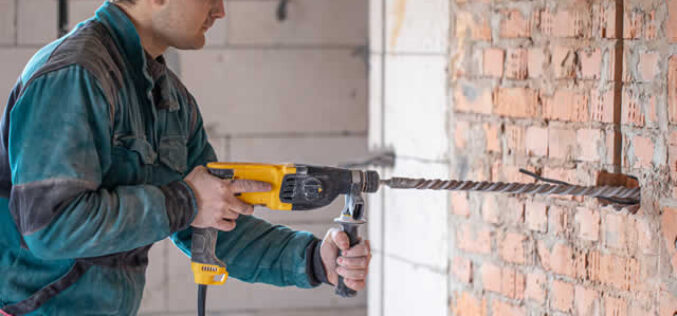
Rippling cracks and extra water leakage are never good signs. In fact, these are often indicators that you need to repair your foundation as soon as possible.
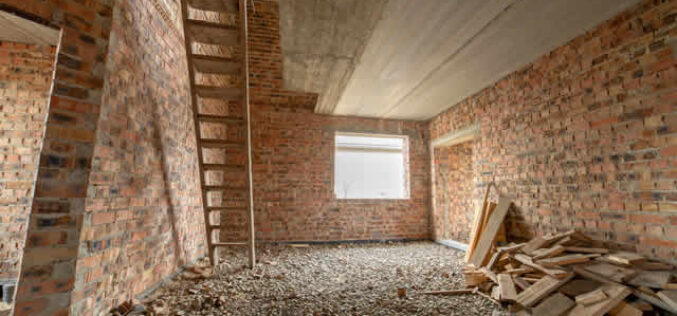
A lot of money is spent on construction. That is why it is vital to watch for warning signs of foundation problems.

Older homes can eventually start to show signs of structural damage. Structural changes are parts of a home’s natural foundation-settling process, but they can still be concerning because they may weaken the overall structure and stability of the house.
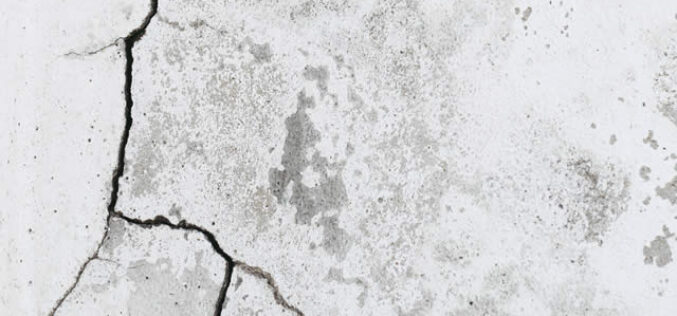
The concrete walls enclosing the basement or crawl area of your home rest at the bottom of your home, meaning they can be some of the first areas to show signs that there might be issues with the foundation of your home. Thus, it’s understandable to be worried if you notice cracks in the cement around your home or along the walls of your home.
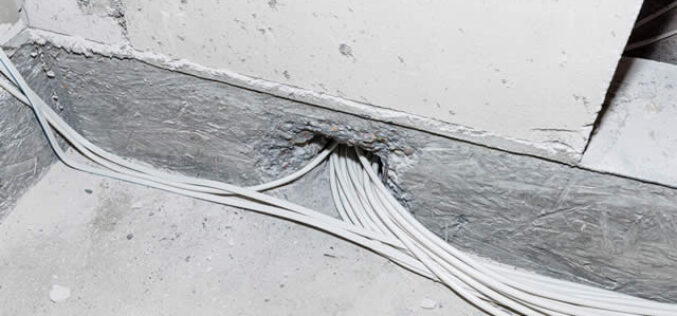
One could argue that your foundation is the most important part of your home. Think of it as a house of cards. If the bottom gives out, the rest will fall.
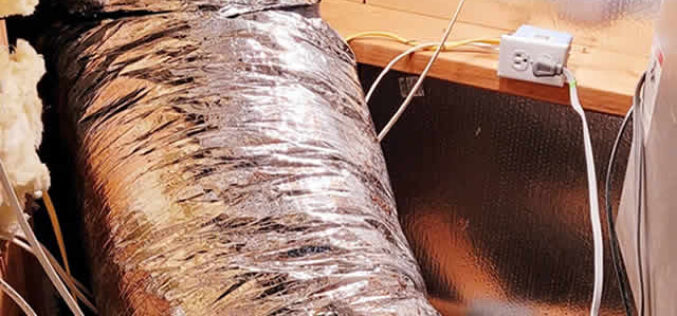
A crawl space encapsulation is a technique used in sealing where the foundation walls and floors are lined with overlapping layers of thick polyethylene plastic. This technique is very effective in keeping any moisture out of the encapsulated area.

When you are wanting to clean your home’s exterior, you may be tempted to simply grab your power washer, turn it on high, and start spraying. However, this is usually not recommended, especially if you are wanting to clean your home’s foundation.
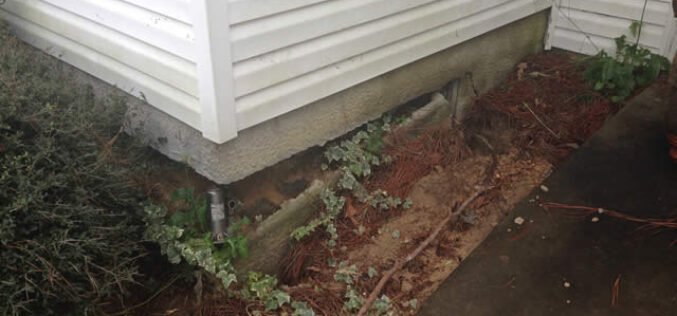
Your home’s foundation is something that you should pay close attention to. If you notice your home is sinking into the ground, it’s important to get it fixed as quickly as possible.
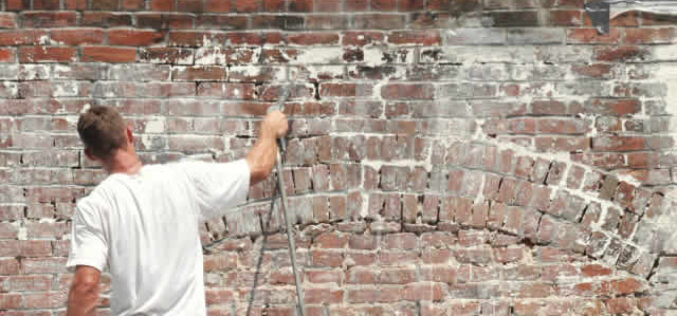
If you are wanting to add a great look to your property, a retaining wall can be an excellent choice. But once you’ve finished the wall, it’s important to know the best ways to keep it looking fantastic year-round without it looking aged and dirty over time.
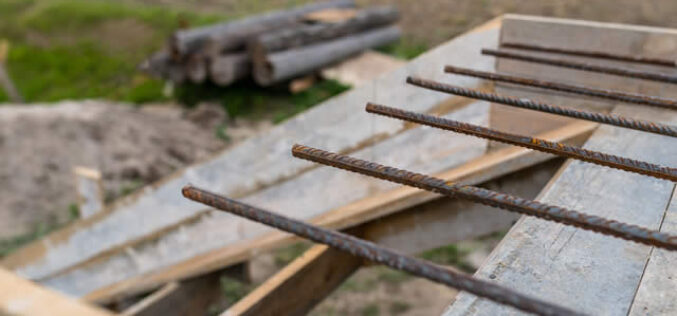
If you encounter a failing foundation at your forever home, don’t panic. Few projects require a full foundation replacement, and you have several foundation repair methods available to you that won’t disturb your home or your neighbors.
