Quick Answer:
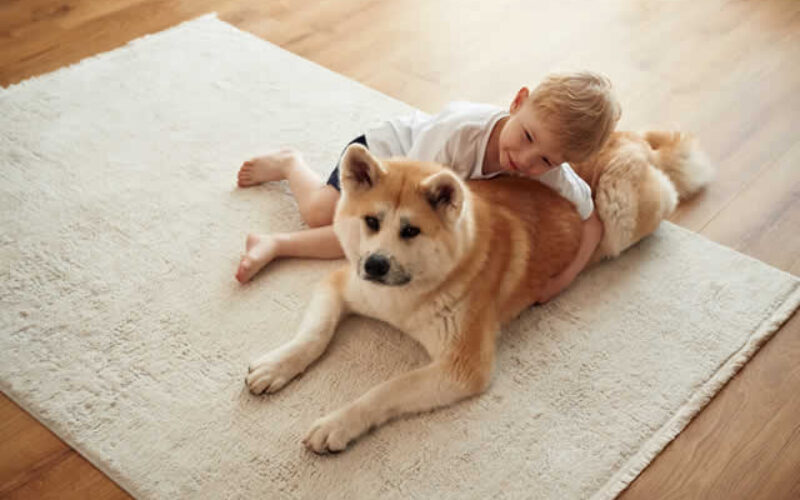
For homes with both children and pets, the best rug choice is a low-pile, washable polypropylene or polyester rug paired with a non-slip pad. These materials resist moisture and stains, vacuum cleanly, and hold up under heavy daily use—making them the most practical and cost-effective flooring solution for busy families.
The good news: the right rug exists, and it doesn’t require a trade-off between beauty and practicality.
For most homes with children and pets, a low-pile, washable polypropylene or polyester rug paired with a non-slip pad delivers the most reliable combination of stain resistance, durability, easy maintenance, and safety.
Understanding why these materials work—and how to use them well—makes all the difference.
- post content
- Why Your Rug Choice Matters More Than You Think
- Understanding Polypropylene and Polyester
- Understanding Polypropylene and Polyester
- Non-Slip Pads: The Step Most Families Skip
- Washability and Stain Resistance in Practice
- Affordability Without Sacrificing Quality
- Making the Right Choice for Your Home
- FAQs
- view table:content summary
- view notes:collective tips
- view analysis:Carpet’s Resurgence
- view ideas:latest remodeling analysis
Why Your Rug Choice Matters More Than You Think
A rug in a home with children and pets faces conditions that most flooring products aren’t designed to handle: tracked-in mud, pet accidents, spilled juice, claws, and constant foot traffic.
Choose a material that can’t withstand these realities, and you’re not just replacing a rug sooner than expected—you’re dealing with stains that won’t come out, fibers that trap odors, and a floor covering that looks worn within months.
The challenge most families face is balancing three competing needs: a rug that looks good, holds up under daily wear, and stays manageable to clean.
Natural fiber rugs like jute, sisal, and even some wool options—while beautiful and eco-conscious—absorb moisture and stains more readily, require more careful cleaning, and can deteriorate faster under the conditions active households create.
Synthetic materials, particularly polypropylene and polyester, were engineered to solve exactly these problems.

Understanding Polypropylene and Polyester
Polypropylene, also known as olefin, is widely regarded as one of the most practical rug materials available for family homes. It resists moisture at the fiber level, which means spills bead on the surface rather than soaking in.
Most stains lift with nothing more than mild soap and warm water—no professional cleaning required. Polypropylene also resists mold and mildew, won’t fade in bright rooms, and holds its structure well under heavy foot traffic.
Many modern polypropylene rugs are designed to closely mimic the appearance of wool or natural fibers, so durability doesn’t mean sacrificing style.
Polyester offers a softer underfoot feel and tends to produce more vibrant color options, making it a strong choice for spaces where you want a more plush or decorative look. It resists fading effectively and cleans reasonably well.
The key consideration with polyester is pile height—low-to-medium pile and tight weaving are essential for high-traffic areas. High-pile polyester rugs flatten quickly under heavy use, which is why they perform better in lower-traffic rooms like bedrooms than in a living room where children and pets spend most of their time.
Both materials outperform natural fibers when it comes to the specific demands of a family environment. As Jaipur Rugs noted in their April 2025 fiber comparison, synthetic rugs are "durable, stain-resistant, and usually more affordable than natural fiber rugs"—a practical reality that makes them the smarter starting point for most family households.
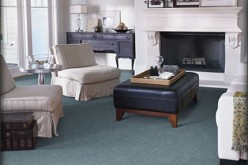
maybe carpeting may be another option
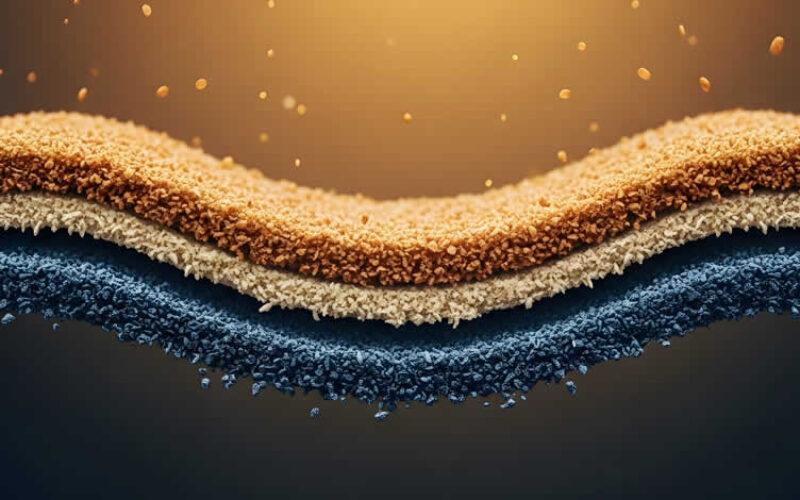
Carpet’s Resurgence: A Deep Dive into Its Enduring Popularity
Driven by a renewed desire for warmth, comfort, and sound insulation, today’s carpet options offer improved durability, stain resistance, and eco-friendly materials that make them smarter than ever.
Why Low-Pile Construction Makes a Difference
Pile height—how long the rug’s fibers are—affects almost every aspect of day-to-day maintenance. High-pile and shag rugs trap pet hair, dirt, crumbs, and allergens deep within their fibers.
Vacuuming them thoroughly takes significantly more time and effort, and even consistent cleaning can leave debris embedded at the base of long fibers where it accumulates and odors develop.
Low-pile rugs keep debris near the surface. A standard vacuum pass picks up pet hair and dirt without needing multiple passes or specialized attachments.
For families with pets that shed, this distinction alone saves considerable time each week. Low-pile construction also holds up better under the compression caused by heavy foot traffic, furniture movement, and the kind of rough play that happens when children and animals share a space.
Flatweave options—rugs with no pile at all—represent an even more extreme version of this benefit, particularly for rooms where toys, crumbs, and tracked-in debris are a constant presence.
Non-Slip Pads: The Step Most Families Skip
A rug without a non-slip pad in a household with children and pets is an accident waiting to happen. Rugs on hard flooring surfaces—hardwood, tile, laminate—shift underfoot, especially when pets run across them or children play near the edges. That movement creates a tripping hazard that’s easy to prevent and often overlooked.
A quality non-slip pad grips both the rug and the floor, keeping everything stable regardless of how much activity happens above it. Beyond safety, pads also extend the life of your rug meaningfully.
When a rug slides and shifts repeatedly, the friction degrades the backing and the fibers at the base. A pad absorbs that movement and distributes weight more evenly, reducing the wear that accumulates over months and years.
According to Jaipur Rugs’ February 2026 rug pad guide, choosing the right rug pad affects "comfort, grip, noise, insulation, and even floor safety"—details that compound into real value over time.
Washability and Stain Resistance in Practice
Pet accidents and children’s spills are not occasional events in a family home—they are regular occurrences that your rug needs to accommodate without permanent damage. Polypropylene handles this exceptionally well.
Because the material doesn’t absorb moisture the way natural fibers do, liquids stay near the surface long enough to be blotted away before they set. Cleaning typically requires only a mild detergent solution and a clean cloth—a process that takes minutes rather than requiring professional intervention.
Washable rugs, a growing category that has gained significant popularity among families, take this a step further by allowing the entire rug to go into a home washing machine.
These rugs use specialized construction that maintains their shape and appearance through machine wash cycles, making them particularly well-suited for dining rooms, playrooms, and pet feeding areas where messes are concentrated.
As Rugs.com noted in their guide to high-traffic homes, washable rugs are "a must-have for messy homes" and work especially well for managing pet accidents and craft area spills.
The critical distinction to understand is that stain resistance is not the same as stain immunity. Even polypropylene benefits from prompt attention—blotting a spill immediately rather than letting it sit dramatically improves the outcome.
Establishing a simple habit of addressing messes quickly, paired with the right material, keeps a family rug looking presentable for years.
Affordability Without Sacrificing Quality
Cost is a real consideration for families, and it’s worth thinking about it in terms of total value rather than upfront price alone. Premium natural fiber rugs—hand-knotted wool in particular—can last decades with proper care, making them worthwhile investments in the right context.
But in a household with young children and active pets, "proper care" often isn’t realistic on a daily basis. A wool rug that requires professional cleaning after pet accidents or careful spot-treatment after spills becomes expensive to maintain over time, even before accounting for replacement costs if damage occurs.
Polypropylene rugs sit at a more accessible price point and are designed to endure the specific conditions that shorten the lifespan of more delicate materials. Choosing a well-constructed polypropylene rug over a budget-tier alternative that won’t hold up to traffic saves money in the medium term by reducing how frequently you need to replace it.
The combination of lower upfront cost, minimal maintenance expense, and genuine durability makes synthetic rugs a sound practical investment for the family home.
Making the Right Choice for Your Home
Low-pile, washable polypropylene or polyester rugs with non-slip pads aren’t a compromise—they’re a smart, informed decision that accounts for the real demands of daily life with children and pets.
These materials were developed to handle exactly the conditions your household creates, and they do so without asking you to choose between a functional home and an attractive one.
When selecting a rug, prioritize tight construction, a pile height of half an inch or less for high-traffic areas, and a material that specifies stain and moisture resistance.
Add a properly sized non-slip pad underneath, and you have a floor covering that can genuinely keep up with your family—one that holds its appearance, stays manageable to clean, and contributes to a safer, more comfortable space for everyone in it.
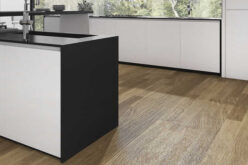
Differences Between Flooring Types
Choosing the right flooring becomes much easier when you understand what each option offers.
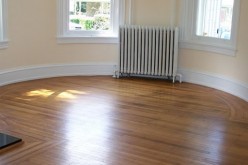
Luxury Vinyl Plank is durable and water-resistant, making it great for high-traffic areas or pet-friendly homes. Solid hardwood delivers timeless beauty and longevity for those who love a classic look.
Laminate is a budget-friendly option with solid durability and plenty of design choices. Engineered wood blends the elegance of hardwood with added stability, ideal for spaces with changing humidity levels.
Knowing these key differences will help you find the perfect floor for your lifestyle.
view ideas: Choosing the Perfect Floor (new win)

Frequently Asked Questions
-
What is the best rug material for homes with both children and pets?
Polypropylene is the top-performing material for homes with children and pets. It resists moisture, stains, and fading, and most spills clean up with mild soap and water. Polyester is a strong second choice for families who prioritize softness, particularly in playrooms or reading nooks with moderate foot traffic.
-
Why are low-pile rugs better for pet owners than high-pile rugs?
Low-pile rugs keep fibers short and tightly woven, which prevents pet hair, dirt, and debris from embedding deeply into the structure. This makes vacuuming faster and more effective, reduces allergen buildup, and minimizes the risk of pet claws catching and pulling at loose fibers—a common problem with high-pile or looped constructions.
-
Are washable rugs durable enough for daily family use?
Yes. Modern washable rugs are engineered specifically for high-use environments and can withstand regular machine washing without losing shape, color, or structural integrity. They are particularly well suited to dining rooms, playrooms, and any space where spills and pet accidents occur frequently.
-
What type of non-slip rug pad is safest for children?
Natural rubber and recycled felt rug pads are the safest option for homes with children. According to RugPadUSA and U.S. Environmental Protection Agency guidance, synthetic pads containing PVC release volatile organic compounds (VOCs) that degrade indoor air quality. Natural rubber pads provide firm grip without chemical off-gassing and are safe for all floor types.
-
How do I keep a rug clean with pets and kids at home?
Vacuum frequently—at least twice a week in high-traffic areas—to remove pet hair and surface debris before it works deeper into the pile. Address spills immediately by blotting rather than rubbing. Rotate the rug every few months to distribute wear evenly, and consider a fully washable rug in rooms with the highest risk of accidents.
-
Is polypropylene or polyester more cost-effective for family homes?
Polypropylene generally offers a lower cost-per-use over time in high-traffic family environments because of its superior durability and resistance to staining. Polyester may carry a similar upfront price but can show wear faster in heavily used rooms. For entry points, playrooms, and living areas, polypropylene is typically the more economical long-term choice.
-
Can I use an indoor/outdoor rug inside my home with kids and pets?
Yes. Indoor/outdoor rugs—most of which are made from polypropylene—are an excellent option for entryways, mudrooms, kitchens, and dining areas. They are extremely low-maintenance, easy to spot-clean, and built to handle the kind of mess that outdoor-adjacent rooms accumulate daily.
home improvement ideas to consider (complete directory – new win):

| Topic | Details | Key Considerations |
|---|---|---|
| The Best Rugs for Homes with Kids and Pets | Avoid high-pile rugs that stain, shed, and wear quickly. Opt for low-pile, washable polypropylene or polyester rugs for a balance of durability, stain resistance, and easy maintenance. | Choose materials engineered for practicality, such as polypropylene and polyester, paired with a non-slip pad for safety and stability. |
| Understanding Polypropylene and Polyester | Polypropylene resists moisture, stains, mold, and heavy traffic while mimicking the look of natural fibers. Polyester offers softness, vibrant colors, and fade resistance but performs best in low-to-medium pile construction. | Focus on low pile or flatweave rugs for high-traffic areas to prevent flattening and debris accumulation. |
| Why Low-Pile Construction Matters | Low-pile rugs facilitate easy cleaning and resist wear from foot traffic, furniture, and play. They trap less debris and are easier to maintain. | Flatweave rugs further simplify cleaning and reduce allergen buildup, ideal for rooms with constant activity. |
| The Importance of Non-Slip Pads | Non-slip pads prevent rugs from shifting, reducing tripping hazards and extending rug lifespan by minimizing friction and wear. | Essential for safety and durability on hard flooring, while aiding comfort and insulation. |
| Washability and Stain Resistance | Polypropylene and washable rugs make cleaning up spills and pet accidents quick and easy, eliminating the need for professional cleaning. Washable rugs are especially valuable in high-mess areas. | Promptly address spills for best results, even with stain-resistant materials, to maintain the rug’s appearance over time. |
| Affordability and Value | Polypropylene and polyester rugs provide a cost-effective alternative to natural fibers. Durable and easy to maintain, they reduce long-term costs by eliminating frequent replacements and professional care. | Invest in well-constructed synthetic rugs to balance affordability with longevity, suitable for active households. |
| Making the Right Choice | Low-pile, washable polypropylene or polyester rugs with non-slip pads are practical, durable, and attractive options for families. They address daily wear and tear without sacrificing style. | Prioritize stain-resistant materials, tight construction, and non-slip pads for a safe, functional, and visually appealing space. |

Find Flooring Services (opens new win) Brick & Stone Concrete Carpet Hardwood top-rated, pre-screened local contractors Laminate & Vinyl Tile enter zip code – powered by HomeAdvisor ™

Image credit: best rugs for homes by envato.com
end of post … please share it!
| more photo remodeling |
Jump Over to Our Photo Analysis Center for Ideas on
"Renovating Home"
|__________________________________________________________|
home remodeling surprise
find out where it might go - new win


Helpful article? Leave us a quick comment below.
And please share this article within your social networks.