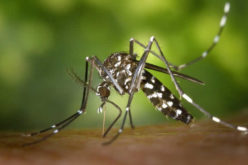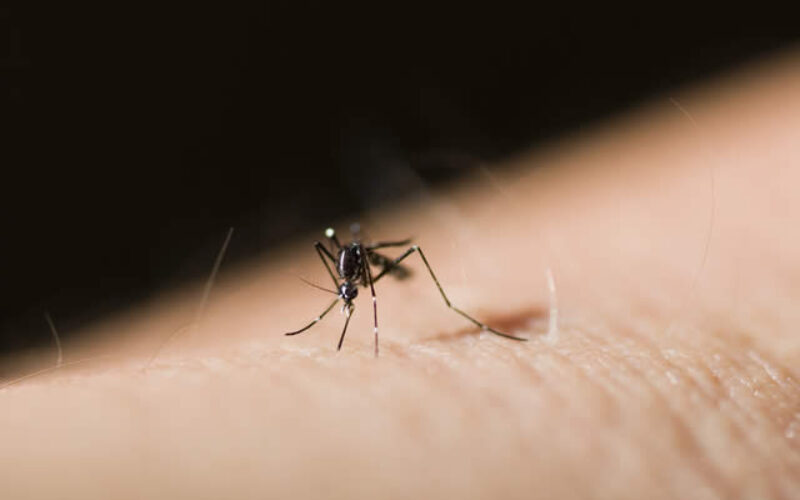
This makes effective mosquito control not just a matter of comfort, but of public health. As homeowners and communities look for ways to manage mosquito populations, it’s natural to wonder about the broader effects of these treatments.
How do they work, and what is their impact on the environment we all share? Understanding these methods helps us make informed, responsible choices that protect both our families and our ecosystems.
- post content
- Methods of Mosquito Control Treatment
- Environmental Impact of Mosquito Control
- Is Mosquito Control Good for the Environment?
- Expected Impacts of Mosquito Control
- Crafting a Sustainable Future for Pest Management
- view table:content summary
- view notes:collective tips
- view ideas:latest remodeling analysis
Methods of Mosquito Control Treatment
There are several approaches to managing mosquito populations, each with its own process and level of effectiveness. These can be broadly grouped into chemical, biological, and physical or environmental controls.
Choosing the right method often involves considering the specific environment, the mosquito species present, and the desired outcome. The most comprehensive strategies often combine elements from each category to create an integrated and sustainable plan.
-
Chemical Control
Chemical control is one of the most common methods for reducing mosquito populations quickly and effectively. This approach involves using insecticides to target adult mosquitoes (adulticides) or their larvae (larvicides).
These products are often applied as sprays or fogs in residential areas or directly to standing water where mosquitoes breed. The chemicals work by disrupting the nervous system of the insects, leading to their elimination.
While highly effective in reducing mosquito numbers and the immediate threat of disease, chemical control raises concerns.
Mosquitoes can develop resistance to certain insecticides over time, and there is a potential for these chemicals to affect non-target organisms, including beneficial insects like bees and butterflies.
-
Biological Control
Biological control offers a more natural approach by using other living organisms to manage mosquito populations. This method introduces or encourages the natural predators, parasites, or pathogens of mosquitoes.
For example, certain species of fish, like the mosquitofish, can be introduced into ponds and water gardens to consume mosquito larvae. Similarly, a bacterium known as Bacillus thuringiensis israelensis (BTI) can be used to specifically target and kill mosquito larvae without harming other aquatic life.
The primary advantage of biological control is its targeted nature, which minimizes harm to other species. However, it can be slower to show results compared to chemical methods and may not be suitable for all types of environments.
-
Physical and Environmental Control
Physical and environmental control focuses on altering the environment to make it less hospitable for mosquitoes. This is a preventative approach centered on "source reduction"—eliminating the standing water where mosquitoes lay their eggs.
Homeowners can implement this by regularly emptying water from flowerpots, birdbaths, and gutters. On a larger community scale, this can involve managing wetlands, improving drainage systems, and ensuring water storage containers are properly covered.
This method is highly sustainable and has a minimal negative environmental impact. Its success relies heavily on consistent effort and community participation, and it may not be sufficient on its own during peak mosquito season.


Environmental Impact of Mosquito Control
Each mosquito control method carries a unique environmental footprint that must be carefully considered. The goal is to find a balance that effectively protects public health while preserving the delicate integrity of our local ecosystems.
Understanding the potential environmental consequences of chemical, biological, and physical controls allows for more responsible and sustainable pest management decisions.
-
Impact of Chemical Control
The use of chemical insecticides, while effective, can have significant environmental repercussions. When sprayed, these chemicals can drift into nearby water sources, leading to contamination of streams, ponds, and groundwater.
This can harm aquatic life that is sensitive to these compounds. Soil can also become contaminated, affecting microorganisms and plants. Perhaps the most widely discussed concern is the impact on non-target organisms.
Pollinators such as bees, butterflies, and other beneficial insects are often vulnerable to the broad-spectrum effects of many insecticides, which can disrupt local ecosystems and affect biodiversity.
-
Impact of Biological Control
Biological control is generally considered more environmentally friendly, but it is not without risks. The primary concern is the potential for an introduced species to become invasive.
If a non-native predator is brought into an ecosystem to control mosquitoes, it could outcompete native species for resources or introduce new diseases, leading to unintended ecological disruptions.
For this reason, extensive research and careful planning are essential before introducing any new organism into an environment. When native species or highly specific pathogens like BTI are used, the risks are significantly lower.
-
Impact of Physical and Environmental Control
Physical and environmental controls are widely regarded as the most ecologically sound approach to mosquito management. By focusing on source reduction and habitat modification, this method avoids the introduction of foreign substances or species into the environment.
However, large-scale habitat modification, such as draining wetlands, can have profound effects on local ecosystems. Wetlands are vital habitats for a wide range of wildlife and play a crucial role in water filtration and flood control.
Therefore, it is important that any environmental control strategy considers the broader ecological context to avoid causing more harm than good.

Backyard Wildlife: How to Invite, Control, and Remove When Necessary
From understanding the diverse species that can enrich your personal ecosystem to tailor-making a landscape that beckons the wild into a harmonious existence with your living space – each tip here is neatly segmented to guide both novices and seasoned nature enthusiasts alike.
Is Mosquito Control Good for the Environment?
Evaluating whether mosquito control is "good" for the environment requires a nuanced perspective. When mosquito populations carry diseases that threaten human health, control measures become a necessity.
The key is not whether to control them, but how. A single-minded approach, such as the overuse of chemical sprays, is rarely sustainable and can damage ecosystems.
The most responsible and effective strategy is known as Integrated Mosquito Management (IMM). IMM is a comprehensive approach that combines multiple control methods in a logical and environmentally sensitive way.
It prioritizes source reduction and public education first, turning to biological controls and, as a last resort, the judicious use of the least toxic chemical insecticides available. This layered strategy aims to reduce mosquito populations to a tolerable level while minimizing negative environmental impacts.
By using data to monitor mosquito populations and disease risk, IMM allows for targeted interventions, making it a far more sustainable and ecologically conscious choice.
Expected Impacts of Mosquito Control
Effective mosquito control programs can have a wide range of impacts, extending from public health to local economies. When implemented thoughtfully, these programs can create safer, more enjoyable communities. A clear understanding of these potential outcomes helps in setting realistic expectations and in engaging the public in a transparent and ethical manner.
-
Impact on Human Health
The most significant and immediate impact of mosquito control is the protection of human health. By reducing mosquito populations, communities can dramatically lower the transmission rates of mosquito-borne diseases.
This leads to fewer illnesses and a greater sense of security for residents enjoying the outdoors. However, control measures are not a substitute for personal protection. It remains important for individuals to use insect repellent, wear protective clothing, and take other precautions, especially during peak mosquito activity hours.
-
Impact on Local Economies
High mosquito populations can have a negative effect on local economies, particularly in areas that rely on tourism and outdoor recreation. When parks, beaches, and outdoor dining areas are overrun with mosquitoes, it can deter visitors and reduce revenue for local businesses.
Effective mosquito control can make these areas more pleasant, boosting tourism and encouraging residents to participate in community events. This can result in significant economic benefits and an improved quality of life for the entire community.
-
Ethical Considerations
The implementation of mosquito control programs also involves important ethical considerations. It is crucial to ensure that control measures are applied equitably, so all communities receive adequate protection, regardless of their socioeconomic status.
This is a matter of environmental justice. Furthermore, transparency and public engagement are essential. Residents have a right to know what control methods are being used in their area and what the potential risks are.
Involving the community in the decision-making process can build trust and lead to more effective and sustainable outcomes.


Crafting a Sustainable Future for Pest Management
Mosquito control is a vital public health tool, but it comes with a responsibility to protect our shared environment. By moving away from a reliance on broad-spectrum chemicals and toward an Integrated Mosquito Management approach, we can effectively manage mosquito populations while preserving the health of our ecosystems.
This involves a commitment to education, prevention, and the use of targeted, science-backed solutions. Future innovations in mosquito control will likely focus on even more specific and sustainable technologies, such as genetic modification and smarter surveillance tools.
By embracing responsible practices today, we can ensure a healthier and more harmonious coexistence with nature for generations to come.
other related analysis of interest: (new win)
Home Upgrades for Seniors: Creating a Safe and Comfortable Home
Resource Citations
| Control Method | Description | Pros | Cons |
|---|---|---|---|
| Chemical Control | Use of insecticides (adulticides) and larvicides to kill mosquitoes. | Fast-acting and highly effective for immediate population reduction. | Can harm non-target organisms, lead to chemical resistance, and contaminate soil/water. |
| Biological Control | Use of natural predators, parasites, or pathogens to control mosquito larvae. | Targeted and environmentally friendly with minimal impact on other species. | Slower to show results; risk of introducing invasive species if not properly managed. |
| Physical & Environmental Control | Eliminating breeding sites by removing standing water and modifying habitats. | Highly sustainable, preventative, and has the lowest negative environmental impact. | Requires consistent community effort; large-scale habitat modification can disrupt ecosystems. |
| Integrated Mosquito Management (IMM) | A comprehensive strategy combining multiple control methods based on surveillance data. | Most effective and sustainable approach; minimizes environmental impact by prioritizing non-chemical methods. | Requires more planning, expertise, and community engagement to implement effectively. |
Find Pest and Environmental Services Pest Control Lead-Mold-Radon Recovery Services Water Softening top-rated, pre-screened local contractors FREE: download contractor selection enter zip code – powered by HomeAdvisor ™


Image credit: by envato.com
end of post … please share it!
| more photo remodeling |
Jump Over to Our Photo Analysis Center for Ideas on
"Renovating Home"
|__________________________________________________________|
home remodeling surprise
find out where it might go - new win


Helpful article? Leave us a quick comment below.
And please share this article within your social networks.