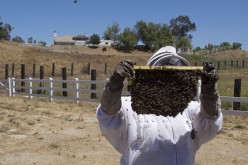
Biological control uses natural enemies — parasites, predators and pathogens. Other techniques include introducing sterile insects and using juvenile hormones.
Biological Control
Biological control involves using living organisms (parasites, predators or pathogens) to suppress pest populations. It is often used against insect pests but can also be applied to weeds and plant diseases.
It relies on the natural behavior of the organisms to reduce pest population growth. For biological control to be effective, the microorganisms must target the pest species and have a high probability of attacking the pest. The organism should also have a high reproductive rate to ensure enough are available when the problems are present.

The classical method of biological control, augmentation, involves the mass production and periodic release of natural enemies. These controls introduced exotic pests because other factors may have displaced their native natural enemies.
Augmentation usually begins with extensive habitat surveys and a quarantine period to reduce risks. This technique is less costly than the importation method but still requires a significant investment in time and money.
Physical Control
Physical control involves preventing or eliminating pests by blocking their access to plants, food or shelter. Examples include:
- Using row covers to protect cucurbits from cucumber beetles in the early season.
- Lining trenches with plastic to prevent the emergence of Colorado potato beetles.
- Putting vegetables into cold storage to stop development and feeding by insect pests.
Physical controls also include cultural practices that make the environment less favorable for pests. These might consist of crop rotation, selection of planting sites, timing of seeding and harvest, and introducing resistant or tolerant varieties of crops, seeds and woody ornamentals.
A key component of any Inverness FL pest control program is accurate identification of the pest. This allows managers to know whether a pest is present and causing unacceptable harm and what course of action to take.
Accurate identification also helps reduce the potential for using unnecessary pesticides, as well as the use of inappropriate pesticides. Once a pest is identified, a strategy can be chosen to achieve one of three goals: suppression (reducing population levels below an acceptable level), prevention or eradication.
Chemical Control
The use of chemicals to kill or repel pests, control their growth, or prevent damage is called chemical control. This tactic may be the fastest and most effective in certain situations.
However, most pest-management systems’systems’ goal is prevention and suppression rather than eradication. Eradication is only rarely attempted in outdoor pest-management areas. It is more common in indoor environments such as residential dwellings, office buildings, schools, hospitals, health care, food processing, and ornamental facilities.
Most pesticides are toxic to natural enemies (see the table below). The degree of this impact varies according to the type of pesticide, its concentration, and its formulation.
The spot application of insecticides to the areas of the highest pest density or the treatment of alternating strips within a field will minimize contact and impact on natural enemy populations. Chemical runoff can also enter waterbodies from field spraying or contaminated soil washing. This is particularly problematic in natural habitats such as rivers, lakes, and wetlands.
Prevention
It’s important to remember that pest control strategies rarely affect just the target organism or pest; they also typically disrupt other living and nonliving components of the treatment site. This is particularly true in urban, lawn, garden, golf course, ornamental, and rights-of-way areas, as well as on rangelands, forests, conservation holdings, and aquatic systems.
other related articles of interest:
From Infestation to Liberation: Conquering Pests and Reclaiming Your Home
Monitoring pests is key to an effective integrated pest management (IPM) strategy. This involves identifying the pest, assessing damage levels, and determining what action should be taken to keep pest populations below an acceptable threshold. Thresholds may be determined by aesthetic, health, or financial factors.
The three main aims of pest control are eradication, suppression, and prevention. Pests can be eliminated through eradication, suppression, or prevention. Suppression lowers pest populations to levels that are tolerable for the environment.
Potential pests are creatures not often regarded as pests but may need to be controlled in particular situations. Sporadic pests are migratory or seasonal, whereas continuous pests are almost always present and require routine control.
Find Pest and Environmental Services Pest Control Lead-Mold-Radon Recovery Services Water Softening top-rated, pre-screened local contractors FREE: download contractor selection enter zip code – powered by HomeAdvisor ™


Image credit: the battle against bugs by envato.com
end of post … please share it!
| more photo remodeling |
Jump Over to Our Photo Analysis Center for Ideas on
"Renovating Home"
|__________________________________________________________|
home remodeling surprise
find out where it might go - new win


Helpful article? Leave us a quick comment below.
And please share this article within your social networks.