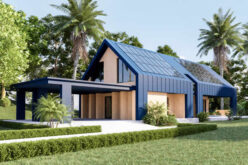
There is a shift in preferences, where energy efficiency, carbon footprint reduction, and the use of sustainable materials are no longer optional; they are essential.
Homeowners today seek renovations that are not only functional and aesthetically pleasing but also environmentally responsible.
- post content
- Benefits of Sustainable Home Renovations
- Sustainable Materials for Eco-Friendly Renovations
- Energy-Efficient Upgrades
- Water Conservation Techniques
- Insulation and Thermal Performance
- Non-Toxic Paints and Finishes
- Designing for Longevity and Adaptability
- Eco-Friendly Landscaping and Outdoor Features
- Partnering with Green Renovation Experts
- conclusion
- view key:collective notes
Benefits of Sustainable Home Renovations
Incorporating green building practices into renovations offers a range of benefits:
- Reduced energy consumption:
Insulated walls, energy-efficient windows, and smart heating/cooling systems dramatically cut utility bills. - Improved indoor air quality:
Low-VOC paints and formaldehyde-free insulation materials enhance health and comfort. - Increased property value:
Sustainable homes are in high demand, often commanding a premium in the real estate market. - Environmental stewardship:
Using renewable materials and reducing waste contributes to a healthier planet.

These advantages are driving homeowners to reconsider traditional renovation practices in favour of more ethical, eco-conscious options.

Sustainable Materials for Eco-Friendly Renovations
When it comes to choosing materials, the shift to sustainability starts with understanding their origin, durability, and recyclability. Here are some of the best sustainable materials available today:
-
1. Reclaimed Wood
Using reclaimed timber reduces the demand for new lumber and preserves existing forests. It also adds character and uniqueness to interiors. Flooring, beams, and even cabinetry made from salvaged wood provide both environmental benefits and a rustic aesthetic.
-
2. Bamboo
Bamboo is a fast-growing, renewable resource that has become a favourite for flooring and cabinetry. It’s stronger than many hardwoods and regenerates quickly without replanting.
-
3. Recycled Steel and Metal
Instead of using new materials, recycled steel is ideal for framing and structural support. It significantly reduces construction waste and can be reused multiple times.
-
4. Recycled Glass and Tiles
Glass and ceramic tiles made from post-consumer recycled content are excellent for kitchens and bathrooms, offering both durability and design appeal.
-
5. Cork
Harvested from the bark of cork oak trees, cork is naturally resistant to mould, mildew, and pests, making it ideal for flooring and insulation. It’s also a rapidly renewable material.
In recent projects, particularly those focused on home renovations in Hawthorn, you can see the successful implementation of these sustainable materials to meet the growing expectations of clients who prioritise eco-conscious living.
Energy-Efficient Upgrades
Implementing energy-saving technologies and design features is an essential aspect of any eco-friendly renovation. These upgrades not only conserve energy but also deliver long-term financial savings.
-
Solar Panels
Installing solar photovoltaic (PV) systems allows homeowners to harness renewable energy from the sun. Paired with a battery storage solution, solar panels can power homes efficiently and even feed excess electricity back into the grid.
-
Energy-Efficient Windows and Doors
Double-glazed or triple-glazed windows, paired with thermally insulated doors, prevent heat transfer and reduce the need for excessive heating or cooling.
-
LED Lighting and Smart Controls
Replacing traditional lighting with LED alternatives reduces electricity usage by up to 80%. Coupled with smart systems, homeowners can further automate and optimise their energy usage.
-
High-Efficiency Appliances
Modern refrigerators, dishwashers, and HVAC systems with Energy Star certification consume significantly less energy while delivering peak performance.
Water Conservation Techniques
Conserving water is just as important as saving energy. With Australia’s climate volatility, integrating water-efficient practices into renovations is essential.
-
Low-Flow Fixtures
Faucets, toilets, and showerheads equipped with low-flow technology maintain functionality while drastically reducing water usage.
-
Rainwater Harvesting Systems
Installing tanks to collect and reuse rainwater for garden irrigation or flushing toilets helps reduce reliance on municipal water supplies.
-
Greywater Recycling
Greywater systems reuse water from showers and sinks for landscape irrigation, promoting a circular water system within the home.
Insulation and Thermal Performance
Proper insulation is key to creating an energy-efficient home. Materials like sheep’s wool, cellulose, and recycled denim are excellent alternatives to traditional fibreglass insulation.
These eco-friendly insulators improve thermal retention and are often made from biodegradable or recyclable content.
Non-Toxic Paints and Finishes
Many conventional paints and finishes release harmful chemicals known as volatile organic compounds (VOCs).
Choosing low-VOC or zero-VOC products is crucial for maintaining healthy indoor air quality, particularly in homes with children or individuals with respiratory conditions.

Sustainable Interior Design Ideas for a More Eco-Friendly Home
Homeowners today are increasingly focusing on more sustainable living practices. Many people are looking for ways to lessen their environmental impact, and their homes are a great place to start.
Designing for Longevity and Adaptability
A truly sustainable renovation is one that endures. This means choosing materials and designs that stand the test of time.
- Modular design:
Spaces that can be reconfigured as family needs change. - Timeless aesthetics:
Avoiding trends in favour of classic styles to reduce the urge for frequent remodelling. - Durable materials:
Investing in quality materials that require less maintenance and are less likely to end up in a landfill.
Eco-Friendly Landscaping and Outdoor Features
The exterior of the home also offers opportunities for sustainable improvement. Consider:
- Native plants that require less water and care.
- Permeable paving to reduce stormwater runoff.
- Outdoor solar lighting to enhance beauty and security with minimal energy use.
Partnering with Green Renovation Experts
Successful eco-friendly renovations depend on choosing professionals who understand and are committed to sustainable practices. When selecting a renovation partner, look for:
- Green certifications, such as Green Star or LEED.
- Proven track record with eco-conscious clients.
- Transparent sourcing of materials and ethical labour practices.
other related analysis of interest: (new win)
Conclusion:
Embracing eco-friendly home renovations is no longer just a trend; it’s a vital commitment to a healthier planet and a more sustainable way of life.
By consciously choosing sustainable materials and adopting environmentally sound practices, homeowners can significantly reduce their carbon footprint, conserve resources, and create living spaces that are both aesthetically pleasing and beneficial to their well-being.
Find Home Remodeling Services Additions Major Remodels Minor Remodels Disability Needs Plumbing Drain Clearing Appliances Electrical top-rated, pre-screened local contractors FREE: download contractor selection enter zip code – powered by HomeAdvisor ™


Image credit: eco-friendly renovations by envato.com
end of post … please share it!
| more photo remodeling |
Jump Over to Our Photo Analysis Center for Ideas on
"Renovating Home"
|__________________________________________________________|
home remodeling surprise
find out where it might go - new win


Helpful article? Leave us a quick comment below.
And please share this article within your social networks.