Touchless home technology—from touchless faucets to smart toilets and other automated features—is meeting that demand. This post explores how touchless technology works, why it’s drawing so much attention, and what the future holds.
We’ll look closely at touchless faucets and smart toilets, share tips on installation and maintenance, and examine the broader trend of home automation. If you want a healthier, more convenient home, this is your definitive guide to touchless living.
- post content
- Introduction to Touchless Home Technology
- Touchless Faucets A Hygienic Upgrade
- Smart Toilets The Future of Bathrooms
- Other Touchless Home Automation
- Health and Safety Benefits
- Cost Considerations
- User Experience and Adoption
- Expert Opinions and Citations
- touchless Will Define the Future of Home Living
- view table:content summary
- view key:collective notes
Introduction to Touchless Home Technology
Touchless home technology is reshaping how homeowners think about sanitation and ease of use. Interest in touch-free solutions has surged since the COVID-19 pandemic, as people seek ways to reduce contact with surfaces and cut the risk of germ transmission.
Modern homes now feature an impressive mix of sensor-operated faucets, smart toilets, automated lighting, and voice assistants. These devices promise not just better hygiene but also convenience and even cost savings.

With rapid advancements and more affordable options, touchless technology is quickly becoming a mainstream home improvement.

Touchless Faucets A Hygienic Upgrade
Touchless faucets have emerged as a staple in many new and remodeled homes. They feature built-in sensors that activate water flow when a hand or object is detected.
This section explains why touchless faucets are gaining popularity and offers practical advice for those considering making the switch.
-
Benefits of Touchless Faucets
The chief driver for adopting touchless faucets is improved hygiene. By eliminating the need to touch handles with dirty hands, these fixtures help prevent the spread of germs in the kitchen and bathroom. Studies by the CDC have repeatedly highlighted the importance of handwashing in curbing infectious diseases, and touchless faucets make this task easier and safer.
Convenience also plays a big part. With hands-free operation, tasks like washing dishes or prepping food become smoother, especially when your hands are full or messy. Some models even offer features such as preset temperature controls or water-saving modes, ensuring you get the right flow and warmth every time.
Efficiency is another factor. Many touchless faucets are designed to reduce water waste by automatically shutting off when not in use. The EPA estimates that American households could save hundreds of gallons of water annually by upgrading to water-efficient fixtures, which includes most modern touchless models.
-
Installation and Maintenance Tips
For homeowners considering a new touchless faucet, installation can be straightforward or more challenging depending on the setup. Retrofitting an existing sink is often possible, with many products offering compatibility with standard plumbing connections.
Battery or AC power is usually required for the sensors and solenoid valves. It’s important to position the sensors carefully to prevent accidental activation or false triggers.
Maintenance involves regular cleaning to avoid mineral build-up on sensors and spouts. Replacing batteries every 1 to 2 years keeps things running smoothly. Most issues can be solved by consulting the manufacturer’s instructions, and professional plumbers are familiar with the process if greater expertise is needed.
Smart Toilets The Future of Bathrooms
Bathrooms are getting smarter. Smart toilets once found only in luxury hotels or high-end homes are now accessible to a broader audience. These toilets offer much more than just touchless flushing, combining comfort, efficiency, and technology to redefine what you expect from a bathroom visit.
-
Features of Smart Toilets
Smart toilets include features like motion-activated lids and automatic flushing, bidet washing functions, heated seats, night lights, and even self-cleaning capabilities. Some can analyze user habits and offer health-related insights, while others can be controlled via smartphone apps for personalized settings.
The ability to flush without touching any handles minimizes cross-contamination, an important benefit in shared spaces. Bidet functionality promotes improved personal hygiene and reduces the need for toilet paper, making them both a premium and eco-friendly choice.
-
Environmental and Cost Savings
Modern smart toilets are engineered for water efficiency. Dual flush options and precise water usage settings help households cut utility bills and limit their ecological footprint. According to the Environmental Protection Agency’s WaterSense program, water-efficient toilets can save the average family nearly 13,000 gallons of water per year.
Smart toilets can also mean lower healthcare costs, particularly for elderly users or those with limited mobility who benefit from safer bathrooms and more hygienic cleansing options. The upfront cost remains higher than conventional toilets, but savings accrue over time through water conservation and fewer paper products.

Revolutionizing Home Water Use: The Rise of Smart Toilets
Water conservation has become a critical priority in addressing global environmental challenges. By installing a water-saving smart toilet, households can significantly reduce water waste while maintaining optimal functionality and comfort.
Other Touchless Home Automation
Touchless innovation extends beyond faucets and toilets. This section introduces other important technologies that are transforming the modern home.
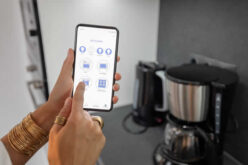
From automated lighting to climate control and voice-activated assistants, these systems help create environments that are comfortable, efficient, and tailored to user preferences.
-
Smart Lighting and Climate Control
Touchless smart lighting uses motion sensors or proximity detection to automatically turn lights on or off as you enter and leave rooms. Not only does this help prevent the spread of germs, but it’s also highly energy efficient, reducing unnecessary electricity use.
Climate control systems have followed suit. Smart thermostats can adjust heating and cooling based on voice commands or occupancy sensors. These devices learn your habits over time, providing personalized comfort while keeping energy costs in check. Leading models even allow remote monitoring and adjustments via your smartphone.
-
Voice-Activated Assistants
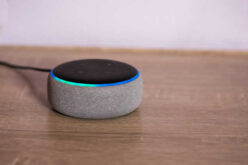
Virtual assistants such as Amazon Alexa, Google Assistant, and Apple’s Siri are increasingly integrated into home systems. They allow users to control environments, set schedules, play music, and even order groceries without touching a device. This shift means less contact with shared surfaces and a smoother, more accessible living experience.
Voice commands have brought another layer of accessibility for users with disabilities or limited mobility. This opens the door to independent living for more people, contributing to the overall goal of universal home design.
Health and Safety Benefits
Touchless home technology goes beyond convenience. The main benefit is improving household health. By removing the need for physical contact with commonly shared objects like handles, switches, and buttons, it limits the transmission of bacteria, viruses, and allergens.
For families with young children, elderly members, or those with autoimmune conditions, reducing exposure to germs can significantly cut down on illness. Public health agencies widely recommend minimizing surface contact, especially during flu season and outbreaks of contagious diseases. Touchless technologies align perfectly with these guidelines, making homes safer for all.
Cost Considerations
When considering touchless home technology, cost is often the main hurdle. Touchless faucets and smart toilets are generally more expensive than traditional fixtures. Add-ons like smart lighting, climate control, and voice assistants bring extra costs in both hardware and, sometimes, installation.
However, it’s important to look at long-term value. Touchless features can increase home resale value and lower ongoing expenses for water, electricity, and paper products.
Maintenance costs tend to be modest with proper care, and many manufacturers offer extended warranties. Government incentives for water-efficient or energy-saving devices can further reduce the initial investment.
User Experience and Adoption
Many homeowners are finding the shift to touchless and automated devices smoother than expected. User interfaces are getting more intuitive, and integration with existing plumbing and electrical systems is simpler with each product iteration. Brands are placing a strong focus on compatibility and easy installation guides.
However, not all users are instantly at ease with new tech. There may be a learning curve, especially for those less familiar with smartphones or connected devices. Customer reviews highlight that clear instruction manuals and responsive tech support are vital for successful adoption and satisfaction.
Sustained growth in the touchless home market is creating more choices in price, finish, and features. This increased competition is driving quality upward and making sanitation upgrades more accessible.
other related analysis of interest: (new win)
Expert Opinions and Citations
Industry experts agree that touchless technology is not a fleeting trend. Research from the National Kitchen & Bath Association shows a marked increase in consumer investment in touchless faucets and smart toilets since the pandemic began.
The Centers for Disease Control and Prevention (CDC) and the Environmental Protection Agency (EPA) both recommend minimizing shared surface contact and upgrading to water-efficient devices for improved health outcomes and resource conservation.
Peer-reviewed studies in journals like the American Journal of Infection Control have also established that reducing touchpoints leads to measurable decreases in household pathogen load.
Manufacturers like Kohler, Delta, TOTO, and Moen regularly release white papers on advancements and case studies in hygiene, efficiency, and consumer satisfaction, building a credible evidence base for ongoing adoption.
Touchless Will Define the Future of Home Living
Touchless home technology is reshaping modern living—not just as a response to global health events, but as a proactive step toward cleaner, smarter, and more efficient homes. With advances in design, growing affordability, and documented health benefits, the move toward automation is likely to continue.
Whether you start small with a touchless faucet or overhaul your entire bathroom with a smart toilet, each step brings your home closer to the future. For those seeking elevated safety, convenience, and cost savings, the touchless revolution offers a solution worth exploring.
Consult reliable sources, stay updated on new releases, and invest in professional installation where needed to maximize your results.
| Feature | Benefits | Cost Considerations | Expert Source / Citation |
|---|---|---|---|
| Touchless Faucets | Improved hygiene, water savings | Moderate upfront cost | CDC, EPA, NKBA Research |
| Smart Toilets | Sanitation, eco-friendly, comfort | Higher upfront cost | EPA WaterSense, Manufacturer Data |
| Smart Lighting | Energy efficiency, convenience | Variable by system size | Manufacturer White Papers |
| Climate Control | Personalized comfort, efficiency | Moderate to high | EPA ENERGY STAR, Market Studies |
| Voice Assistants | Accessibility, ease of use | Low to moderate | Consumer Reports, ADA Guidelines |
Find Home Network Services Networks/Phone Computers/ Media Home Automation Electrial Wiring Interior Designers Furniture top-rated, pre-screened local contractors FREE: download contractor selection enter zip code – powered by HomeAdvisor ™


Image credit: by 123rf.com
end of post … please share it!
| more photo remodeling |
Jump Over to Our Photo Analysis Center for Ideas on
"Renovating Home"
|__________________________________________________________|
home remodeling surprise
find out where it might go - new win


Helpful article? Leave us a quick comment below.
And please share this article within your social networks.