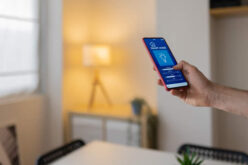
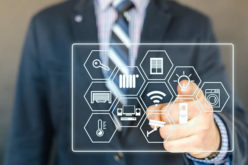
Whether you’re managing your lights during a vacation or adjusting the thermostat to conserve energy, the convenience and control of home automation redefine modern living.
This guide will walk you through everything you need to know about connecting your home appliances and lighting to a smart app. From understanding the benefits to setting up your system, you’ll discover how to make your home not just functional but exceptionally intelligent.
- post content
- Introduction to Smart Home Technology
- The Benefits of Connecting Appliances and Lighting to a Smart App
- How to Get Started: Choosing the Right Smart Home Hub
- Step-by-Step Guide to Connecting Appliances and Lighting
- Scheduling, Remote Control, and Energy Savings
- Troubleshooting and Best Practices
- Future of Smart Homes: Integrations and Upgrades
- Why You Should Start Automating Today
- view key:collective notes
Introduction to Smart Home Technology
Smart home technology revolves around integrating everyday appliances, lighting, and devices with a centralized system that you can manage remotely. From checking who’s at the door with a smart video doorbell to adjusting the coffee machine before you get out of bed, smart homes bring unmatched convenience.
At the heart of this technology is the ability to connect these devices through your smartphone or tablet. This union between physical devices and digital control systems simplifies household management and improves energy efficiency.

The Benefits of Connecting Appliances and Lighting to a Smart App

Connecting appliances and lighting to a smart app comes with a wide range of benefits. Perhaps the most significant is convenience.
Imagine scheduling your lights to turn on just before you wake up or monitoring your washing machine while at work—it’s all possible with home automation.
Smart home systems also optimize energy savings. Many smart apps allow you to monitor and control energy consumption, turning off lights or appliances when they’re not in use.
Over time, this results in significant cost savings and a smaller environmental footprint.
Additionally, smart technology enhances home security. Smart lighting solutions can deter potential intruders by simulating someone being home, while connected door locks and surveillance systems provide peace of mind.
How to Get Started: Choosing the Right Smart Home Hub
The first step in creating a smart home is selecting the right smart home hub. A hub acts as the central control system that connects and communicates with your appliances and lighting.
Popular options include Amazon’s Alexa, Google Home, and Apple HomeKit. Each hub has unique compatibility features and capabilities, so your choice will depend on the specific devices you plan to use in your smart home system.
When selecting a hub, ensure compatibility with the devices and appliances you already own—or plan to purchase. Additionally, look for a hub that offers a user-friendly app interface so you can easily control your smart home ecosystem.
Step-by-Step Guide to Connecting Appliances and Lighting
To begin automating your home, start by setting up the smart home hub you selected. Follow the manufacturer’s instructions to connect it to your Wi-Fi network. Once your hub is operational, download the corresponding smart app to your smartphone or tablet.
Next, connect your appliances and lighting devices. Many modern appliances and light fixtures come with built-in Wi-Fi or Bluetooth compatibility.
For older devices, you may need to use smart plugs or switches to integrate them into your system. Use your app to add each device, following the provided instructions for pairing and naming them for identification.
Once all devices are connected, group them into rooms or categories within your app. This will make controlling multiple devices easier. For example, you can group your living room lamps and overhead lights to adjust them simultaneously instead of one at a time.
Using the Smart App: Scheduling, Remote Control, and Energy Savings
Once your devices are linked, you can unlock the full potential of your smart home with the app’s features. One of the most utilized features is scheduling. This allows you to automate tasks such as turning the lights on and off at specific times or running your dishwasher during off-peak energy hours for cost savings.
Remote control is another key feature. Whether you’re home or halfway around the world, you can adjust your appliances and lighting at the touch of a button. Forgot to turn off the coffee maker after rushing out in the morning? Your app has you covered.
Monitoring energy usage is also a breeze. Many smart apps provide detailed reports on how much energy each device is consuming, enabling you to make informed adjustments that lower both your utility bill and carbon footprint.
Troubleshooting and Best Practices
Like any technology, smart home systems may occasionally face hiccups. Common issues include devices failing to connect, disruptions in the Wi-Fi network, or app glitches.
Start by ensuring all devices are within range of your hub or router. Update your app and device firmware regularly to ensure compatibility and resolve possible bugs. If a device stops responding, try resetting it and pairing it with your hub again.
Best practices for maintaining a smart home include naming your devices clearly within the app to avoid confusion and setting up a secure Wi-Fi network with a strong password. Keeping your network secure is critical to protecting your smart home from potential cyber threats.
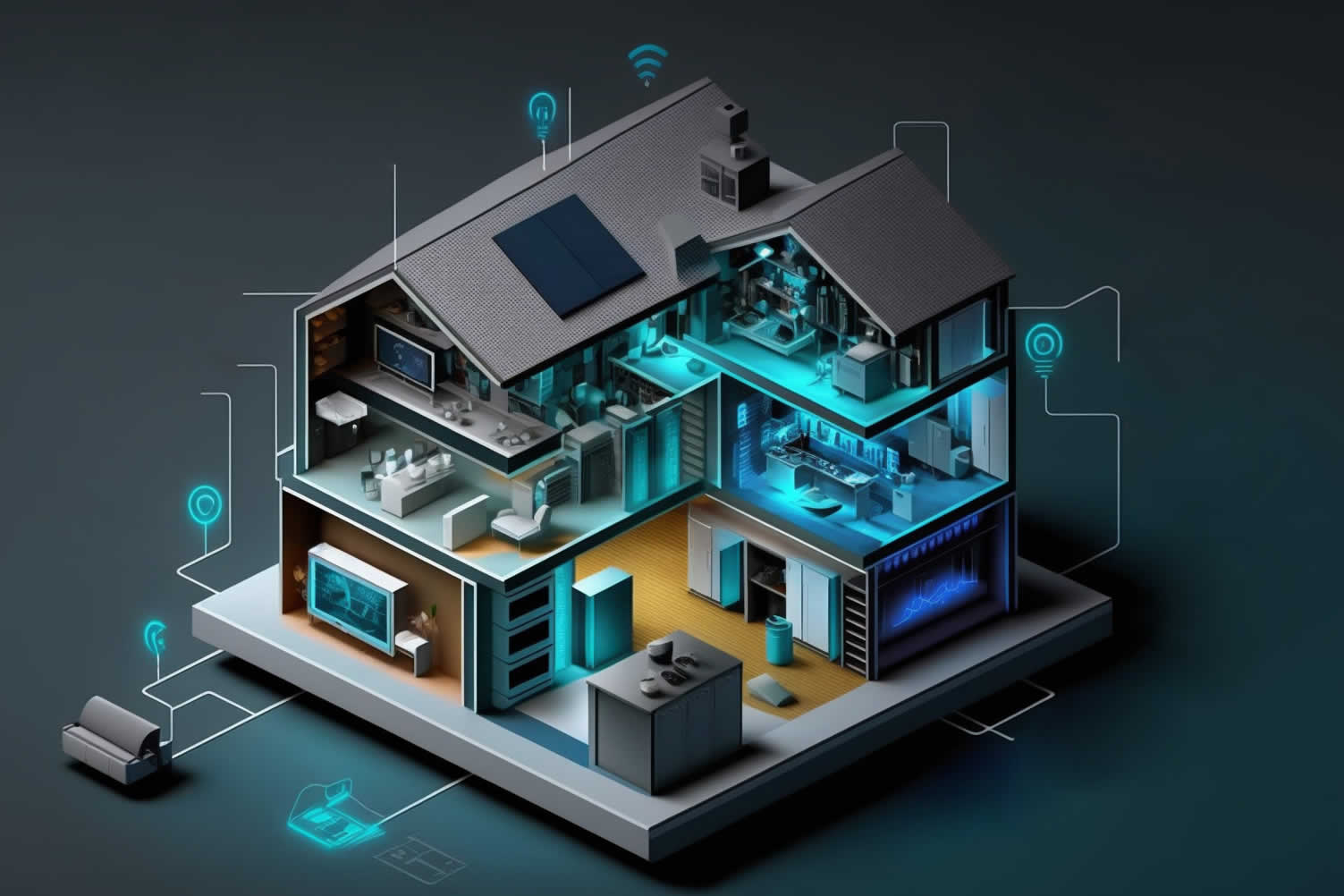
The Rise of Intelligent Homes: A Deep Dive Into Smart Wiring Solutions
We are surrounded by electronics that have become “smart.” More people are embracing the intelligent systems that allow integration across the home.
Future of Smart Homes: Integrations and Upgrades
The future of smart home technology is incredibly promising. Innovations such as voice-activated automation, integration with renewable energy sources, and AI-driven adaptability are on the horizon.
Imagine a home that adjusts its temperature based on the weather forecast or lights that dim automatically when you start a movie. These advancements will not only make managing your home easier but also promote a more sustainable lifestyle.
Smart home systems are also increasingly compatible with third-party integrations, enabling users to create seamless, tailored experiences. For example, integrating fitness trackers with smart lighting could lead to lights adjusting to energize your morning workout routine or help you relax before bed.
Why You Should Start Automating Today
Smart home technology isn’t just futuristic—it’s practical, user-friendly, and enormously beneficial. By connecting your appliances and lighting to a smart app, you’re not just making your life easier but also more energy-efficient and secure.
Whether you’re stepping into the world of home automation for the first time or expanding your existing smart home ecosystem, this guide provides everything you need to create a connected living environment.
Upgrading to a smart home is an investment in convenience and efficiency. With the right tools and a little setup, you can enjoy a more functional and enjoyable space. Why wait? Start your smart home journey today and discover the world of possibilities at your fingertips.
other related analysis of interest: (new win)
The Importance of Clean Home Drinking Water and How to Maintain It
Why Can’t I Sleep? Understanding Good Sleep and It’s Health Benefits
Find Home Network Services Networks/Phone Computers/ Media Home Automation Electrial Wiring Interior Designers Furniture top-rated, pre-screened local contractors FREE: download contractor selection enter zip code – powered by HomeAdvisor ™


Image credit: how to connect your home appliances and lighting by envato.com
end of post … please share it!
| more photo remodeling |
Jump Over to Our Photo Analysis Center for Ideas on
"Renovating Home"
|__________________________________________________________|
home remodeling surprise
find out where it might go - new win


Helpful article? Leave us a quick comment below.
And please share this article within your social networks.