Quick Answer:
Halloween’s traditions trace back roughly 3,000 years to the Celtic festival of Samhain, when bonfires and costumes were used to ward off wandering spirits. Centuries of blending with Christian observances like All Saints’ Day, followed by Irish immigration to America, shaped the pumpkin-carving, costume-wearing, candy-collecting holiday we celebrate today.
Long before jack-o’-lanterns lined front porches, ancient communities were lighting bonfires to protect themselves from spirits believed to cross into the world of the living.
Understanding where these customs began adds a layer of meaning to a holiday many of us celebrate on autopilot.
From the Celtic festival of Samhain to the Christian observance of All Hallows’ Eve, and eventually to the trick-or-treating tradition built by generations of American families, Halloween is a patchwork of beliefs, fears, and celebrations stitched together over thousands of years.
Below, we’ll walk through the origins behind the traditions you already know and love, so the next time you carve a pumpkin or pull o
- post content
- The Celtic Roots Of Samhain
- How Christianity Shaped Halloween
- The Evolution Of The Jack-O’-Lantern
- Costumes Through The Ages
- Halloween In America Today
- A Holiday Built From Centuries Of Change
- FAQs
- view table:content summary
- view notes:collective tips
- view analysis:YYY
- view ideas:latest remodeling analysis
The Celtic Roots Of Samhain
Around 3,000 years ago, the Celts who lived across Central and Western Europe marked their new year on November 1, a date that signaled the end of the warm harvest season and the beginning of a cold, dark winter often associated with death.
The night before, known as Samhain, was believed to be a moment when the boundary between the living and the dead grew thin. According to HISTORY.com (2026), Celts believed that on this one night, ghosts of the dead could return to earth.
To mark the occasion, Druids built massive sacred bonfires where communities gathered to burn crops and offer sacrifices to Celtic deities. People wore costumes, typically fashioned from animal heads and skins, and attempted to tell one another’s fortunes.
When the night ended, families would relight their home hearths using flame carried from the sacred bonfire, a gesture meant to offer protection through the winter ahead.
This single night of ritual, fear, and community gathering became the foundation for nearly every tradition we now associate with Halloween, from the costumes we wear to the bonfires still lit in some neighborhoods today.

How Christianity Shaped Halloween
As the Roman Empire expanded into Celtic territory by A.D. 43, two Roman festivals gradually merged with Samhain over the following four centuries. Feralia, a late-February day commemorating the dead, and a celebration honoring Pomona, the goddess of fruit and trees, blended into existing Celtic customs. Pomona’s symbol was the apple, which many believe explains the enduring tradition of bobbing for apples.
Centuries later, the Christian church began reshaping the calendar around these existing pagan dates. Pope Boniface IV dedicated the Pantheon to Christian martyrs on May 13, 609, and by the 8th century, Pope Gregory III expanded the observance to include all saints, moving the date to November 1.
As Christianity spread further into Celtic regions, the church’s traditions blended with, and gradually replaced, older rites.
By around A.D. 1000, the church had also designated November 2 as All Souls’ Day, a day for honoring the dead through prayer, Masses, and visits to graves. Many historians believe the church created this observance to offer a church-sanctioned alternative to the Celtic festival of the dead.
All Saints’ Day became known as All-hallows, and the night before it, All-Hallows Eve, eventually shortened into the word we use today: Halloween.
-
Why Trick-or-Treating May Have Started Here
During All Souls’ Day parades in England, poor citizens would go door to door begging for food. In exchange, families handed out pastries called soul cakes, with the understanding that the beggar would pray for the family’s deceased relatives.
The church encouraged this practice, known as “going a-souling,” as a replacement for the older custom of leaving food and wine outside for wandering spirits. Children eventually took up the practice themselves, receiving ale, food, and money for their efforts.
something that may compliment your home
Craft Your Dream Space With Zodiac Sign Decorating
Zodiac sign decorating offers an intuitive way to make design decisions, creating a deeply personal space.
The Evolution Of The Jack-O’-Lantern
Few Halloween symbols are as recognizable as the carved pumpkin glowing on a front porch, but its origins begin with a folktale, not a fact. According to Irish legend, a man known as Stingy Jack tricked the Devil on more than one occasion.
When Jack eventually died, he was turned away from both heaven and hell and condemned to wander the earth for eternity. The Devil tossed him a burning coal to light his way, which Jack placed inside a hollowed-out turnip, earning him the nickname “Jack of the Lantern.”
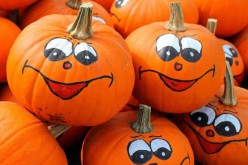
When Irish immigrants arrived in America, they brought this folklore with them, and discovered that pumpkins, native to the region, were larger and far easier to carve than turnips. The pumpkin quickly replaced the turnip as the lantern of choice, and the jack-o’-lantern as we know it was born.
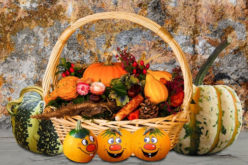
Today, the carved pumpkin remains one of the most recognizable symbols of the holiday, even as its original purpose, warding off wandering spirits like Stingy Jack, has faded into folklore.
Costumes Through The Ages
Costumes have always served a purpose beyond entertainment. During Samhain, Celts believed that wearing disguises, often animal skins, could confuse or frighten away spirits wandering the earth.
This same fear carried into medieval Europe, where people wore masks during All Hallows’ Eve celebrations, hoping that a ghost might mistake them for a fellow spirit and pass by without incident. Families also left bowls of food outside their homes to appease any spirits that did visit.
Costume traditions continued evolving well into the 20th century. Early American costumes were largely homemade and spooky, think ghosts, witches, and black cats, designed to conceal identity rather than express personality.
During the Great Depression, store-bought costumes were often an unaffordable luxury, so families relied on their own creativity. By the 1950s, costumes began reflecting current events, and after Sputnik launched in 1957, space-themed outfits became especially popular.
The 1970s introduced movie-inspired costumes, a trend that remains strong today.
-
From Protection To Self-Expression
What began as a spiritual safeguard against roaming ghosts has transformed into one of the most creative, personal traditions of the holiday.
Modern costumes range from pop culture tributes to elaborate handmade creations, reflecting imagination far more than fear.
Halloween In America Today
Halloween took a winding path to becoming the celebration it is today. In colonial New England, rigid Protestant beliefs limited celebrations significantly, while Maryland and the southern colonies embraced the holiday more openly, blending European customs with Native American traditions.
Early American celebrations, known as “play parties,” featured ghost stories, fortune-telling, dancing, and singing, and by the mid-19th century, autumn festivities were common across the country.
The second half of the 19th century brought a major shift. Millions of immigrants, particularly the Irish fleeing the Potato Famine, helped popularize Halloween on a national scale. By the late 1800s, a movement emerged to shift Halloween’s focus away from ghosts, pranks, and witchcraft and toward community celebration.
Parties for both children and adults, featuring games, apples, and pumpkins, became the norm, and by the early 1900s, the holiday had largely shed its superstitious and religious overtones.
Between the 1920s and 1950s, the old practice of souling evolved into the trick-or-treating tradition Americans know today, offering an affordable way for entire communities to participate while discouraging mischief.
The post-war baby boom cemented Halloween as a holiday centered on children, with parties moving into classrooms and homes.
Halloween has since grown into one of the largest commercial holidays in the country. According to the National Retail Federation (2026), Americans are expected to spend $13.5 billion on Halloween in 2026, up from $13.1 billion in 2025, averaging roughly $115.14 per person.
Costumes account for $4.4 billion of that spending, decorations $4.3 billion, and candy $4.1 billion, with 96% of shoppers planning to buy candy this year.
According to HISTORY.com (2026), one-quarter of all candy sold annually in the United States is purchased specifically for Halloween, and Americans spent nearly $700 million on pet costumes alone in 2024, more than triple what was spent in 2010.
A Holiday Built From Centuries Of Change
Halloween’s traditions form a rich tapestry woven from ancient Celtic beliefs, centuries of Christian adaptation, and a distinctly American embrace of community and creativity.
What started as a night meant to protect households from wandering spirits has become a celebration of imagination, generosity, and connection with neighbors.
Understanding these origins doesn’t just satisfy curiosity, it deepens the meaning behind every pumpkin carved and every costume chosen.
This year, Halloween falls on Saturday, October 31, 2026. As you decorate your home or plan your costume, take a moment to appreciate just how far these traditions have traveled to reach your front porch.
Preparing Your Yard After Halloween
Halloween marks the heart of fall and reminds us that colder days are coming. Before winter arrives, prep your yard for the season.
Rake leaves and clear debris to protect your lawn from mold and pests. Trim back perennials and shrubs to encourage healthy spring regrowth, and consider aerating your soil to improve nutrient absorption.
Protect delicate plants with mulch or coverings, and store garden tools and outdoor furniture to shield them from the elements.
Once these tasks are done, your yard will be ready for the cold.
view ideas: Fall Yard Cleanup (new win)
Frequently Asked Questions About Halloween Traditions
-
Where did Halloween traditions originally come from?
Halloween traditions originated with Samhain, an ancient Celtic festival celebrated roughly 3,000 years ago to mark the end of harvest season and the start of winter.
-
What does Samhain mean and why was it important?
Samhain marked the Celtic new year and the point when the boundary between the living and the dead was believed to blur, allowing spirits to return to earth on the night before November 1.
-
Why is Halloween celebrated on October 31?
October 31 is All-Hallows Eve, the night before All Saints’ Day, which the Christian church placed on November 1 to align with the existing Celtic festival of Samhain.
-
Was Halloween originally a pagan or Christian holiday?
Halloween began as a pagan Celtic festival, Samhain, and many historians believe the Christian church later created related observances, including All Saints’ Day and All Souls’ Day, to offer a church-approved alternative to the older pagan rites.
-
Where does the jack-o’-lantern tradition come from?
The jack-o’-lantern comes from Irish folklore about a man named Stingy Jack, who carved a lantern from a turnip. Irish immigrants brought the custom to America, where pumpkins eventually replaced turnips.
-
Why do people wear costumes on Halloween?
Costumes originated as a way to disguise the living from wandering spirits during Samhain and later All Hallows’ Eve celebrations, evolving over centuries into today’s tradition of creative self-expression.
-
How did trick-or-treating begin?
Trick-or-treating likely evolved from “souling,” a medieval English practice where poor citizens exchanged prayers for soul cakes, later adapted by American communities between the 1920s and 1950s.
-
How much do Americans spend on Halloween each year?
According to the National Retail Federation (2026), Americans are projected to spend $13.5 billion on Halloween in 2026, covering costumes, decorations, candy, and greeting cards.
home improvement ideas to consider (complete directory – new win):


| Section | Key Information | Details |
|---|---|---|
| Origins | The Celtic Roots of Samhain |
Approximately 3,000 years ago, the Celts marked their new year on November 1 with the Samhain festival. It symbolized the transition between harvest and winter, a time when spirits were believed to return to the living world. Rituals included bonfires, sacrifices, and costumes made from animal skins to protect and confuse spirits. |
| Christian Influence | How Christianity Shaped Halloween |
Roman festivals like Feralia and celebrations of the goddess Pomona merged with Samhain. Later, the Christian church designated November 1 as All Saints’ Day (All-hallows), and All-hallows Eve evolved into Halloween. Customs like “souling,” where poor individuals prayed for the deceased in exchange for food, shaped trick-or-treating. |
| Symbolism | The Evolution of the Jack-O’-Lantern |
Based on an Irish legend about Stingy Jack, who used a hollowed turnip to hold a burning coal, the tradition of carving jack-o’-lanterns emerged. Irish immigrants in America adapted this custom by using pumpkins, which were larger and easier to carve. The modern jack-o’-lantern remains a key Halloween symbol. |
| Traditions | Costumes Through the Ages |
Costumes originated from the belief in their power to confuse spirits during Samhain. Over time, they became a form of camouflage and later evolved into creative expressions. By the 20th century, costumes reflected cultural trends, with homemade and store-bought options increasing in popularity. |
| Modern Halloween | Halloween in America Today |
Halloween grew into a community-centered and commercial celebration in America, blending European, Native American, and immigrant customs. By the 20th century, trick-or-treating became a central activity, and modern spending on costumes, candy, and decorations reached billions annually, emphasizing its transformation into a festive holiday for all ages. |
| Legacy | A Holiday Built From Centuries of Change |
Halloween combines ancient traditions, religious observances, and American creativity to create a celebration that honors imagination, generosity, and connection. What began as rituals for protection against spirits is now a day for community and fun, deeply rooted in its historical evolution. |

Find Interior Design Services Decorators Interior Designers Furniture Painting & Staining top-rated, pre-screened local contractors FREE: download contractor selection enter zip code – powered by HomeAdvisor ™


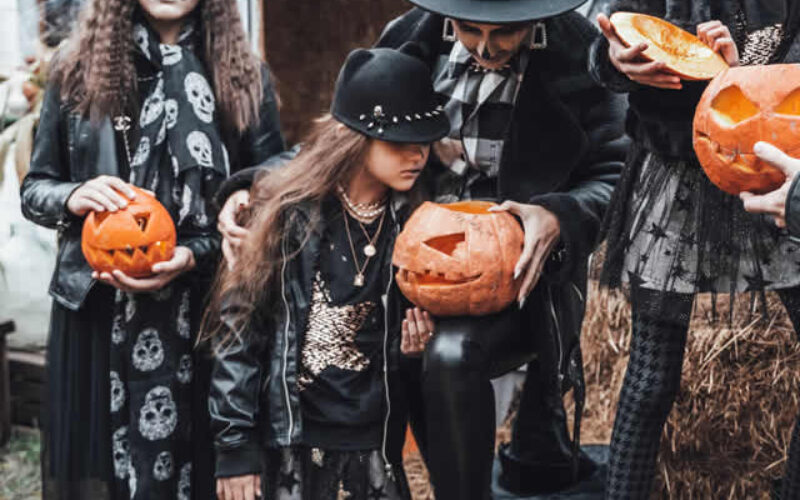
Image credit: history of halloween by envato.com
end of post … please share it!
| more photo remodeling |
Jump Over to Our Photo Analysis Center for Ideas on
"Renovating Home"
|__________________________________________________________|
home remodeling surprise
find out where it might go - new win


Helpful article? Leave us a quick comment below.
And please share this article within your social networks.