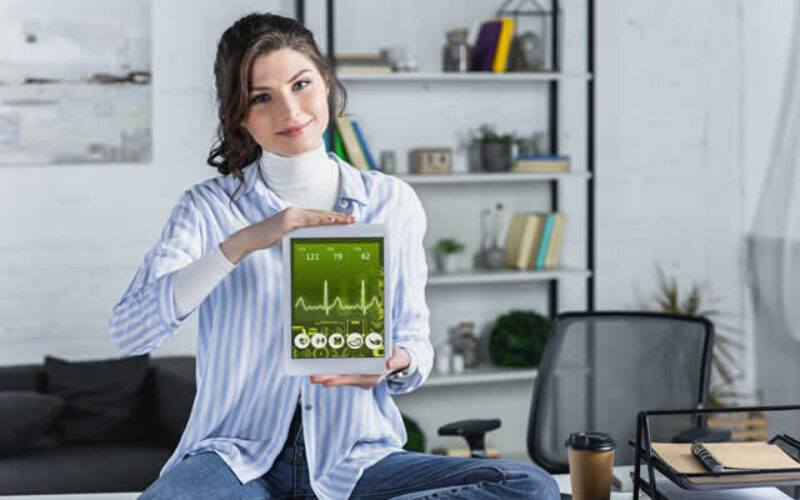
These innovative devices go beyond convenience—they empower you to monitor and manage your well-being right from the comfort of your home. Ideal for individuals and families alike, AI health solutions help improve quality of life with features like early health issue detection, personalized wellness insights, and tailored recommendations.
Whether you’re looking to keep your daily routine on track, manage chronic conditions, or simply enhance your overall lifestyle, AI health devices offer practical and effective solutions to meet your needs.
- post content
- types of AI home health devices
- benefits of AI in home health devices
- how AI enhances accuracy and personalization
- Challenges and Considerations
- future trends in AI home health devices
- Taking Charge of Your Health Journey
- view table:content “device” summary
- view table:content “feature” summary
- view notes:collective tips
- view ideas:latest remodeling analysis
Types of AI Home Health Devices
The market for smart health devices has expanded rapidly, offering solutions for nearly every aspect of personal wellness. From tracking your daily activity to monitoring complex health conditions, these AI-powered tools provide comprehensive health insights that were once available only through medical facilities.
-
Wellness and Fitness Trackers
AI-driven wellness and fitness trackers have become increasingly sophisticated, moving far beyond simple step counting. Modern wearables analyze your movement patterns, exercise intensity, and recovery needs to create personalized fitness recommendations.
These devices use machine learning to understand your baseline activity levels and gradually adjust goals based on your progress and capabilities.
Smart home gym equipment takes this concept further by integrating AI coaching features that correct your form, adjust workout intensity in real-time, and create adaptive training programs.
Some systems use computer vision to track your movements during exercises, providing immediate feedback to prevent injury and maximize effectiveness.
The data collected across multiple workouts helps the AI understand your strengths, identify areas for improvement, and design programs that align with your fitness goals.
-
Sleep Monitoring Devices
Quality sleep plays a crucial role in overall health, and AI-powered sleep monitors provide detailed insights into your nightly rest patterns. These devices track sleep stages, breathing patterns, heart rate variability, and environmental factors like room temperature and noise levels.
The AI analyzes this comprehensive data to identify disruptions, understand what affects your sleep quality, and suggest specific improvements.
Some advanced sleep monitors use contactless sensors that track your breathing and movement without requiring you to wear anything, making them ideal for those who find wearables uncomfortable during sleep.
The machine learning algorithms become more accurate over time, learning your personal sleep patterns and providing increasingly tailored recommendations for improving rest quality.
-
Blood Pressure Monitors
Smart blood pressure monitors equipped with AI capabilities offer significant advantages for those managing hypertension or cardiovascular health. These devices not only measure your blood pressure but also analyze trends over time, identify patterns related to activities or stress, and alert you to readings that fall outside your normal range.
The AI component helps distinguish between temporary spikes caused by situational factors and concerning trends that may require medical attention. Some monitors sync with medication tracking features, helping you understand how treatments affect your readings and ensuring you maintain consistent monitoring schedules.
-
Menstrual Health Devices
AI-powered menstrual health devices combine temperature sensors, symptom tracking, and predictive algorithms to provide comprehensive reproductive health insights. These tools track cycle patterns, predict ovulation windows, and identify irregularities that might indicate hormonal imbalances or other health concerns.
The machine learning algorithms adapt to your unique cycle patterns rather than relying on generalized predictions, becoming more accurate with each cycle tracked.
Some devices integrate with fertility planning features, helping individuals understand their most fertile periods or track pregnancy prevention windows with greater precision than traditional calendar methods.
-
Mental and Stress Management Tools
Managing mental health and stress levels has become easier with AI-powered monitoring devices that track physiological indicators of stress and emotional wellbeing. These tools measure heart rate variability, skin temperature, and other biomarkers associated with stress responses, providing real-time feedback about your mental state.
The AI analyzes patterns in your stress levels throughout the day, identifying triggers and suggesting personalized coping strategies. Some devices offer guided breathing exercises, meditation sessions, or gentle alerts when stress indicators rise above your baseline.
Over time, these systems learn which interventions work best for you, creating a customized approach to stress management.
-
Breathing Monitors
Respiratory health monitoring has gained attention, particularly for individuals with asthma, COPD, or sleep apnea. AI-powered breathing monitors track respiratory rate, breathing patterns, and lung function, alerting users to potential issues before they become severe.
These devices use sophisticated algorithms to distinguish between normal breathing variations and concerning patterns that might indicate respiratory distress or infection. Some monitors integrate with environmental sensors, helping you understand how air quality, allergens, or other factors affect your breathing.
The data collected helps healthcare providers make more informed treatment decisions and allows individuals to take preventive action when respiratory symptoms begin.
-
Skin Health Monitors
AI-driven skin health devices use advanced imaging technology and machine learning to analyze skin conditions, track changes over time, and recommend appropriate treatments. These tools can identify early signs of skin issues, monitor existing conditions, and help users understand how lifestyle factors affect their skin health.
Some devices use spectral imaging to assess skin hydration, detect inflammation, and analyze pigmentation changes that might not be visible to the naked eye.
The AI compares your skin data against vast databases of dermatological information, providing insights that help you make informed decisions about skincare routines and when to seek professional evaluation.
-
Other Emerging Devices
The field of AI home health continues to expand with innovative devices addressing diverse health needs. Smart thermometers use AI to track illness patterns and predict recovery timelines.
Posture correction devices analyze your sitting and standing positions throughout the day, providing gentle reminders to adjust your posture and prevent musculoskeletal issues.
Advanced hydration monitors track fluid intake and physiological markers of hydration status, ensuring optimal water consumption for your activity level and environment.
Nutrition analysis tools use AI and image recognition to assess meal composition, providing detailed nutritional breakdowns and personalized dietary recommendations based on your health goals.


AI Home Health Devices: Your Guide to Smart Wellness Technology
These sophisticated tools combine advanced sensors, machine learning algorithms, and intuitive interfaces to help you monitor vital health metrics, track wellness patterns, and make informed decisions about your wellbeing—all from the comfort of your home.

Benefits of AI in Home Health Devices
The integration of artificial intelligence into home health devices transforms them from simple data collectors into intelligent health partners that actively support your wellness journey.
-
Preventive Care
One of the most significant advantages of AI home health devices lies in their ability to identify potential health issues before they become serious problems. By continuously monitoring your vital signs and health metrics, these devices detect subtle changes that might escape your notice.
The AI algorithms recognize patterns associated with developing conditions, providing early warnings that enable timely intervention.
This proactive approach shifts healthcare from reactive treatment to preventive management. Rather than waiting until symptoms become severe enough to prompt a doctor’s visit, you receive alerts about concerning trends while they’re still manageable.
For individuals with chronic conditions, this early detection capability helps prevent complications and reduces the likelihood of emergency situations.
-
Personalized Health Recommendations
Generic health advice rarely accounts for individual differences in physiology, lifestyle, and health history. AI-powered devices overcome this limitation by learning your unique patterns and tailoring recommendations specifically to you.
The algorithms analyze your data alongside broader health research, identifying strategies most likely to benefit your particular situation.
These personalized insights extend beyond simple suggestions. The AI considers your daily routines, activity preferences, stress patterns, and health goals to create actionable recommendations that fit seamlessly into your life. As the system learns more about what works for you, the suggestions become increasingly refined and effective.
-
Enhanced Wellness Tracking
Traditional health tracking often produces overwhelming amounts of data without clear context or meaning. AI transforms this raw information into understandable insights that reveal meaningful patterns in your health.
Rather than simply showing numbers, these systems explain what the data means, how it compares to your baseline, and what factors might be influencing the results.
The depth of analysis provided by AI enables more comprehensive wellness tracking than manual methods ever could. The technology identifies correlations between different health metrics, revealing connections you might never notice on your own.
Understanding how your sleep affects your blood pressure, or how stress impacts your fitness recovery, provides a holistic view of your health that supports better decision-making.
-
Remote Monitoring
For individuals managing chronic conditions or recovering from illness, remote health monitoring offers significant benefits. AI-powered devices enable healthcare providers to track patient health between appointments, identifying issues that require attention and confirming that treatment plans are working effectively.
This continuous monitoring is particularly valuable for elderly individuals or those with conditions requiring frequent assessment. Family members gain peace of mind knowing that the technology alerts them to potential problems, while healthcare providers can intervene promptly when readings indicate concern.
The result is improved health outcomes, reduced emergency room visits, and greater independence for those managing health conditions at home.
How AI Enhances Accuracy and Personalization
The true power of AI in home health devices emerges from sophisticated analytical capabilities that go far beyond what traditional monitoring tools can achieve.
-
Data Integration and Analysis
Modern AI health devices don’t operate in isolation. They integrate information from multiple sources—your wearable tracker, smart scale, sleep monitor, and even environmental sensors—to create a comprehensive picture of your health. This holistic approach reveals connections and patterns that single-metric tracking would miss.
The AI synthesizes diverse data types, understanding how different aspects of your health influence each other. It recognizes that poor sleep might explain elevated stress levels, or that increased physical activity correlates with improved mood markers. This integrated analysis provides context that makes health data far more meaningful and actionable.
-
Machine Learning for Predictive Analysis
The machine learning algorithms powering these devices continuously improve their understanding of your health patterns. Each day of data collection makes the system more adept at predicting how you’ll respond to various factors and identifying deviations from your normal patterns.
This predictive capability enables proactive health management. The AI can forecast when you’re likely to experience a migraine based on historical triggers, predict your recovery time after intense exercise, or alert you to potential illness before symptoms become obvious.
These predictions empower you to take preventive action rather than simply reacting to health issues after they develop.
-
Real-Time Feedback and Adjustments
Unlike periodic check-ups that provide snapshots of your health at specific moments, AI home health devices offer continuous monitoring with immediate feedback.
When the system detects concerning patterns, it alerts you right away rather than waiting for your next doctor’s appointment. This real-time response capability can be crucial for preventing health crises.
The AI also adjusts its recommendations based on your immediate responses and changing circumstances. If you’re experiencing a particularly stressful week, the system might modify your fitness goals or suggest additional stress management techniques. This dynamic adaptation ensures that guidance remains relevant and achievable regardless of what’s happening in your life.

Advance Your Living Space with Smart Home Automation
This smart home automation guide is designed to help you harness the full potential of innovative gadgets that can streamline daily tasks and improve your living experience.
Challenges and Considerations
While AI home health devices offer substantial benefits, understanding their limitations and potential concerns helps you use them effectively and safely.
-
Data Privacy and Security
Health data is deeply personal, and devices that collect detailed information about your body and lifestyle create legitimate privacy concerns. Understanding how manufacturers handle your data, who has access to it, and what protections are in place is essential before adopting these technologies.
Look for devices from companies with transparent privacy policies and strong security measures. Verify that data transmission is encrypted and that you maintain control over who can access your health information.
Be particularly cautious about devices that require sharing data with third parties or that have unclear data retention policies. Your health information deserves the same protection as your financial data.
-
Accuracy and Reliability
AI algorithms are only as good as the data they’re trained on and the sensors collecting information. While many AI health devices demonstrate impressive accuracy, they’re not infallible. Factors like improper device placement, sensor limitations, or algorithm biases can affect reliability.
These devices should complement rather than replace professional medical care. Use them as tools for monitoring trends and gaining insights, but don’t rely solely on AI recommendations for significant health decisions.
When devices indicate concerning patterns or provide unexpected readings, verify the findings with healthcare professionals who can conduct comprehensive evaluations.
-
Integration with Healthcare Providers
The value of home health monitoring increases dramatically when the data integrates smoothly with your healthcare team. However, many devices use proprietary systems that don’t easily share information with medical records or other health platforms. This fragmentation can limit the usefulness of collected data.
When selecting AI health devices, consider compatibility with health records systems your providers use. Some devices offer features specifically designed to share data with healthcare teams, making remote monitoring more effective.
Discuss your use of home health technology with your providers to ensure the information contributes meaningfully to your care.
-
Cost and Accessibility
Advanced AI health devices often come with significant price tags, potentially limiting access for those who might benefit most from remote monitoring capabilities. Beyond initial purchase costs, some devices require ongoing subscriptions for full functionality or data storage.
Evaluate whether a device’s features justify its cost for your specific needs. Sometimes simpler, less expensive options provide adequate monitoring for your purposes.
Consider checking whether health insurance plans offer reimbursement or discounts for certain devices, particularly if you’re managing chronic conditions where remote monitoring could reduce overall healthcare costs.
Future Trends in AI Home Health Devices
The rapid evolution of AI health technology suggests exciting developments on the horizon that will further transform home health management.
-
Integration with Telehealth Services
The convergence of AI home health devices with telehealth platforms will create seamless connections between home monitoring and professional care. Healthcare providers will review data from your devices during virtual consultations, making remote appointments more comprehensive and effective.
This integration enables more frequent touchpoints with medical teams without the time and expense of in-person visits.
Future systems may automatically alert healthcare providers when your device data indicates concerning trends, triggering outreach before you even realize there’s a problem. This proactive approach could significantly improve outcomes for chronic disease management and preventive care.
-
Advancements in Sensor Technology
Ongoing improvements in sensor capabilities will expand what home health devices can measure. Emerging non-invasive glucose monitors promise to revolutionize diabetes management by eliminating finger-stick testing.
New biosensors may track biomarkers currently measurable only through blood tests, bringing laboratory-grade monitoring into the home environment.
These sensor advancements will make devices more comfortable and convenient while gathering increasingly detailed health information.
Smaller, more comfortable sensors may be embedded in everyday items like clothing or jewelry, making health monitoring practically invisible in daily life.
-
AI-Driven Diagnostics and Treatment
As AI algorithms become more sophisticated and datasets grow larger, home health devices may begin offering diagnostic capabilities that currently require professional evaluation.
Machine learning systems trained on millions of health records could identify conditions from patterns in your data, suggesting when you should seek specific medical attention.
Treatment recommendations may also become more advanced, with AI systems suggesting personalized interventions based on your unique response patterns and the latest research.
While human healthcare providers will remain essential, AI could serve as an intelligent assistant that helps identify optimal treatment approaches more quickly.
-
Personalized Virtual Health Assistants
The future may bring AI health assistants that know your health history comprehensively and provide 24/7 guidance for managing your wellbeing. These virtual assistants could answer health questions, explain test results, remind you about medications, and even coach you through therapeutic exercises or stress management techniques.
By integrating data from all your health devices and learning your preferences and concerns, these assistants would offer truly personalized support. They might recognize when you’re feeling unwell before you fully realize it yourself, suggesting appropriate actions based on subtle changes in your health data.


Taking Charge of Your Health Journey
AI home health devices are powerful tools that help us understand and manage our wellbeing by turning health concepts into actionable insights. These devices offer continuous monitoring, personalized recommendations, and early warnings, supporting a proactive approach to health that can truly improve our lives.
To use them well, it’s important to choose devices that fit your needs, understand what they can and can’t do, and combine their insights with advice from medical professionals.
As these technologies grow, they’ll make good health monitoring and personal wellness guidance more accessible, helping you take a more active role in your health journey.
other related analysis of interest: (new win)
Designing Your Dream Kitchen: Dimensions Guide to Cabinets, Countertops, and Islands
Introduction to Fitness and Exercise Routines for Better Health
| Device Type | Features | Benefits |
|---|---|---|
| Wellness and Fitness Trackers | AI coaching, movement analysis, adaptive training, real-time feedback | Personalized fitness recommendations, improved exercise effectiveness, injury prevention |
| Sleep Monitoring Devices | Tracks sleep stages, breathing, heart rate, environment factors | Improves sleep quality, identifies disruptions, provides tailored advice |
| Blood Pressure Monitors | Trend analysis, situational pattern recognition, medication tracking | Improved cardiovascular health management, early issue detection |
| Menstrual Health Devices | Cycle tracking, symptom analysis, predictive algorithms | Fertility insights, hormonal imbalance detection, personalized health tracking |
| Mental and Stress Management Tools | Tracks heart rate variability, stress biomarkers, guided exercises | Stress reduction, customized coping strategies, emotional wellbeing tracking |
| Breathing Monitors | Respiration tracking, lung function monitoring, environmental integrations | Respiratory health management, early issue detection, preventive insights |
| Skin Health Monitors | Skin imaging, inflammation and hydration analysis, pigmentation tracking | Enhanced skincare routines, early issue detection, dermatological insights |
| Other Emerging Devices | Smart thermometers, posture correctors, hydration and nutrition tools | Preventive care, improved posture and hydration, personalized dietary recommendations |

| AI Health Device Feature | Functionality | Benefits |
|---|---|---|
| Preventive Care | Monitors vital signs and detects subtle health changes through AI analysis. | Enables early intervention, reduces emergency situations, and shifts from reactive to preventive care. |
| Personalized Recommendations | Analyzes individual patterns and lifestyle to provide tailored health advice. | Offers actionable guidance, adapts to unique needs, and improves health outcomes over time. |
| Enhanced Wellness Tracking | Integrates data from various devices to identify patterns and correlations. | Supports informed decision-making with holistic health insights and trend analysis. |
| Remote Monitoring | Allows continuous tracking and sharing of health data with healthcare providers. | Improves care for chronic conditions, reduces hospital visits, and supports independent living. |
| Real-Time Feedback | Provides continuous monitoring and immediate alerts for concerning trends. | Prevents health crises and ensures timely adjustments to health routines. |
| AI-Driven Diagnostics | Utilizes machine learning to predict potential health issues before symptoms fully emerge. | Empowers proactive health management and early detection of underlying conditions. |
| Integration with Healthcare Providers | Facilitates data sharing with medical records and telehealth platforms. | Enhances collaboration between patients and providers for comprehensive care. |
| Advanced Sensors | Utilizes cutting-edge biosensors to measure detailed health metrics non-invasively. | Improves accuracy, convenience, and expands diagnostic possibilities. |
Find Home Network Services Networks/Phone Computers/ Media Home Automation Electrial Wiring Interior Designers Furniture top-rated, pre-screened local contractors FREE: download contractor selection enter zip code – powered by HomeAdvisor ™


Image credit: by envato.com
end of post … please share it!
| more photo remodeling |
Jump Over to Our Photo Analysis Center for Ideas on
"Renovating Home"
|__________________________________________________________|
home remodeling surprise
find out where it might go - new win


Helpful article? Leave us a quick comment below.
And please share this article within your social networks.