Summary Outline –
By taking a few practical steps this spring, you can transform chaotic or neglected spaces into a streamlined, relaxing environment that works perfectly for your lifestyle.
This guide will walk you through six affordable, trend-forward upgrades that enhance both your home value and your personal satisfaction, ensuring your garden is ready to be fully enjoyed by the time summer arrives.
- post content … analysis/ beautiful edible landscape
- 1st: Why Choose Edible Landscaping?
- 2nd: how do I design my edible oasis?
- 3rd: which edibles should I select?
- 4th: What Fruit Trees Fit Every Space?
- 5th: How Can Herbs Provide Flavor And Function?
- 6th: Which Vegetables Add Color In Home Gardens?
- 7th: What Are Good Compact Edible Plantings?
- 8th: how do I maintain my edible garden?
- 9th: Enhancing Your Needs with Professional Landscaping
- conclusion: FAQs
- other landscaping topics

-
- —— begin first topic ——
-
1st TERM: Why Choose Edible Landscaping?
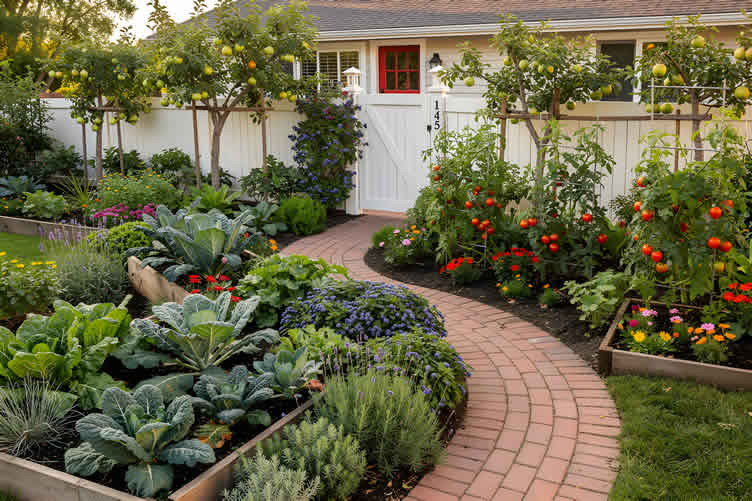
The allure of edible landscaping lies in its dual purpose. Instead of dedicating separate, rigid plots hidden in the backyard for vegetables, you bring food production to the forefront.
This approach maximizes your yard space by replacing water-heavy ornamental shrubs with practical, food-producing plants. Edible landscaping maximizes yard utility by replacing ornamental shrubs with food-producing plants.
Families benefit from immediate access to fresh produce, reducing grocery bills and environmental impact. When you nurture plants that give back to you, gardening becomes a deeply rewarding relationship rather than a tedious weekend chore.
Benefits of Growing Your Own Food
(includes referenced images and summary table – or scroll to next topic)
Benefits of Growing Your Own Food
Tending to a garden is a transformative practice that nourishes both body and soul. Harvesting fresh ingredients for your next meal provides a deep satisfaction that a trip to the supermarket just can’t match.
When you take control of your food supply, you bypass the complex industrial agricultural system and secure a reliable source of vibrant produce.
Whether you have a sprawling backyard or just a few sunny patio containers, an edible garden impacts your life and community in several ways. It reconnects you with the earth, provides excellent nutrition, and helps heal the local ecosystem.

-
Homegrown Produce Nutritionally Superior
Store-bought produce is often picked before it’s ripe to survive long-distance transit, meaning it misses crucial developmental stages.
When you grow your own food, you allow it to ripen naturally. This gentle process maximizes essential vitamins, minerals, and antioxidants, ensuring your family gets the best nutrients.
Furthermore, growing your own food gives you complete control over what goes into your meals.
By avoiding synthetic pesticides, herbicides, and chemical ripening agents, you eliminate toxic exposure and can enjoy the peace of mind that comes from knowing your food is pure and safe.
-
Gardening Improves Physical And Mental Well-Being
Gardening is a wonderful way to get your body moving outdoors. According to the Mayo Clinic Health System, the bending, lifting, and weeding involved in maintaining a garden count as moderate physical exercise, which helps boost immune function and lower blood pressure.
Beyond the physical benefits, working in the soil offers profound mental health rewards. Digging in the dirt acts as a natural stress reliever, helping to release tension and lower cortisol levels.
Soil even contains beneficial microbes that can elevate your mood, leaving you calmer and more grounded.
-
Environmental and Economic Advantages
The average grocery store ingredient travels thousands of miles, burning fossil fuels for transport and refrigeration.
By growing food at home, your produce travels just a few steps from the backyard to the kitchen table, drastically shrinking your carbon footprint. Planting fruits, vegetables, and herbs also creates a vital sanctuary for bees, butterflies, and local birds.
Economically, the savings are substantial. While there are small initial costs for soil and seeds, a single plant can yield pounds of fresh produce over a season.
Growing your own food makes you less reliant on volatile supermarket prices, protecting your family from supply chain disruptions and inflation.
-
Cultivating Food Connects You to Natural Rhythms
Modern life can distance us from the natural world, but gardening helps restore that connection. It requires you to understand seasonal cycles, paying close attention to weather, sunlight, and the changing seasons.
This mindful practice transforms eating from a transaction into a deeply satisfying experience. Watching a tiny seed sprout, grow, and provide nourishment builds a profound sense of accomplishment and self-sufficiency.
-
Ready to Start Your Gardening Journey?
To get started, agricultural experts recommend the 70/30 rule. Use about 70 percent of your space for reliable, easy-to-grow staples your family loves.
Leave the remaining 30 percent for experimenting with unique varieties. This keeps the process rewarding and prevents you from feeling overwhelmed.
Start small, observe how much sunlight your space receives, and choose a few vegetables or herbs you often buy. With a little patience and care, you’ll soon enjoy the unmatched reward of harvesting your very own homegrown food.
- Quick scroll to section content …
Section Description The Unrivaled Benefits of Growing Your Own Food Tending to a garden nourishes both body and soul, offering a sense of satisfaction that surpasses purchasing food at a store. Home gardening provides vibrant, fresh produce while bypassing industrial agriculture, reconnecting individuals with the earth and supporting ecosystems. Why Is Homegrown Produce Nutritionally Superior? Homegrown produce ripens naturally, retaining maximum vitamins, minerals, and antioxidants. Growing food also allows you to avoid synthetic chemicals, ensuring meals are pure and safe for consumption. How Does Gardening Improve Physical And Mental Well-Being? Gardening offers moderate physical exercise, which boosts immune function and lowers blood pressure. It also reduces stress and elevates mood through soil microbes and mindful engagement with nature. How Does Cultivating Food Connect You to Natural Rhythms? Gardening fosters a connection with seasonal cycles, encouraging mindfulness and transforming food into a meaningful experience. It promotes self-sufficiency as gardeners witness the process from seed to nourishment. How Does Growing Food Impact the Environment and Economy? Homegrown food reduces carbon footprints by eliminating long-distance transport and supports local ecosystems by creating habitats for pollinators. Economically, it provides significant savings by reducing reliance on store-bought produce. Ready to Start Your Gardening Journey? Begin with the 70/30 rule, dedicating most space to staples and the rest to experimenting. Observe sunlight, start small, and choose vegetables or herbs your family uses most to enjoy the rewards of homegrown produce. 


AI generated image by 123rf.com
Do You Know What Your Family is Eating?
Many store-bought processed foods are loaded with hidden additives, preservatives, and high levels of sugar or sodium that can compromise your family’s health over time.
While these products are often convenient, they can sometimes include artificial ingredients or unclear labeling that makes it hard to truly know what you’re consuming.
Taking the time to read labels closely and seeking out whole, minimally processed foods can make a meaningful difference in nourishing your loved ones with healthier, more natural options.
view ideas: hidden health risks(new win)

-
Scroll up to main directory … or scroll to next section of the AAATERM …


-
-
-
2nd TERM: How Do I Design My Edible Oasis?
Designing your edible oasis requires observing your current yard environment. Pay close attention to sunlight patterns, soil quality, and water access.
Most fruiting plants require at least six hours of direct sunlight daily to thrive. Once you understand your landscape conditions, you can begin sketching a layout that mixes textures and colors.
Red-leaf lettuces provide striking contrast against the silver foliage of sage. Designing an edible garden means treating vegetables and herbs with the same aesthetic respect as traditional landscaping flowers.
Cultivating Your Edible Oasis
(includes referenced images and summary table – or scroll to next topic)
Cultivating Your Edible Oasis: A Guide To Food Gardens
Cultivating an edible oasis transforms your outdoor space into a beautiful and functional food forest, integrating food directly into your living environment rather than relegating it to hidden corners.
Designing a modern edible landscape ensures your yard is visually appealing and highly productive, allowing you to harvest fresh produce right from your patio or garden.
-
Understanding Your Site[ view]
To begin your journey toward a thriving food forest, it is crucial to understand the unique characteristics of your chosen outdoor space.
Most fruiting plants and vegetables require six to eight hours of direct sunlight daily to thrive and produce a meaningful harvest. Spending time tracking the light patterns in your yard throughout the day ensures you place your sun-loving crops in the perfect spot.
Consideration must also be given to water infrastructure when plotting your layout. Designing your beds close to an easily accessible outdoor spigot or rain barrel simplifies irrigation, saving you from the heavy lifting and exhaustion that often leads to gardener burnout.
-
The Power Of Hydrozoning[ view]
Efficient water use is vital for a healthy, sustainable landscape. The principle of hydrozoning helps you organize your garden by grouping plants with similar hydration needs together in the same planting beds.
Placing thirsty leafy greens in one dedicated area ensures they get the deep watering they crave without water-logging their neighbors. In a separate, drier zone, you can plant drought-tolerant perennial herbs like rosemary and thyme.
This thoughtful approach ensures every plant receives optimal hydration while conserving precious water resources and reducing your daily maintenance tasks.
-
Layering For Abundance[ view]
Maximizing your garden’s vertical square footage involves stacking plants in layers to mimic a natural forest ecosystem. This multi-layered strategy enhances local biodiversity and dramatically increases your overall food production in a small footprint.
You can begin by establishing the canopy layer with standard or semi-dwarf fruit trees, such as apples, pears, or figs.
These beautiful trees create the upper structural frame of your edible oasis, providing gentle shade and establishing the foundational elements of your food forest.
-
Filling The Lower Layers[ view]
Beneath your fruit trees, you can cultivate a productive shrub layer filled with berry bushes like blueberries, blackberries, or raspberries. These delicious additions provide a mid-level harvest and add vibrant color and texture to your yard.
Surrounding these bushes, you can introduce a herbaceous layer of perennial culinary and medicinal herbs, including comfrey, borage, and mint, though mint is best kept in a container to prevent it from aggressively overtaking the space.
Finally, a ground cover layer featuring low-growing plants like wild strawberries will naturally blanket the soil. These creeping plants effectively block out weeds, retain crucial soil moisture, and contribute to a vibrant, healthy ecosystem.
-
Designing For Access And Pollination[ view]
A truly functional garden requires thoughtful design choices that consider both human access and ecological health.
Designing wide pathways measuring at least three to four feet across allows for comfortable movement when tending to plants or pushing a wheelbarrow during harvest time.
To support the local ecosystem, intermix bright flowering native plants like echinacea, marigolds, and sunflowers directly into your vegetable rows.
These stunning floral anchors attract essential pollinators and beneficial predator insects, significantly boosting the health, resilience, and productivity of your home garden.
-
Start Your Garden Journey
Creating an edible oasis is a deeply rewarding way to connect with nature while nourishing yourself and your loved ones.
By observing your environment, grouping plants thoughtfully, and mimicking the natural layers of a forest, you can build a sustainable sanctuary right outside your door.
Take a moment today to step outside, observe where the sunlight falls, and envision the beautiful, abundant harvest that awaits you.
- Quick scroll to section content …
Section Description Details Cultivating Your Edible Oasis Transforming outdoor spaces into food gardens. Edible landscapes integrate fresh food into your living environment and ensure a beautiful, productive yard for harvesting produce. Understanding Your Site Assessing site conditions for gardening success. Identify light patterns to place crops effectively and plan water infrastructure like spigots for efficient irrigation. The Power of Hydrozoning Organizing plants by water needs. Hydrozoning minimizes water waste by grouping similar plants, ensuring optimal hydration and maintenance simplicity. Layering for Abundance Using garden layers to increase productivity. Layers mimic natural ecosystems, from canopy fruit trees to ground-cover plants like wild strawberries for a diverse food forest. Filling the Lower Layers Adding diversity through mid and lower layers. Shrub and herbaceous layers include berry bushes and herbs, while ground covers like wild strawberries retain moisture and control weeds. Designing for Access and Pollination Creating accessible, pollinator-friendly gardens. Wide pathways allow movement, while flowering plants like marigolds and echinacea attract pollinators and beneficial insects. Start Your Garden Journey Getting started on your food garden. Observe your site, plan thoughtfully, and use natural layers to cultivate a sustainable, nourishing edible oasis at home. 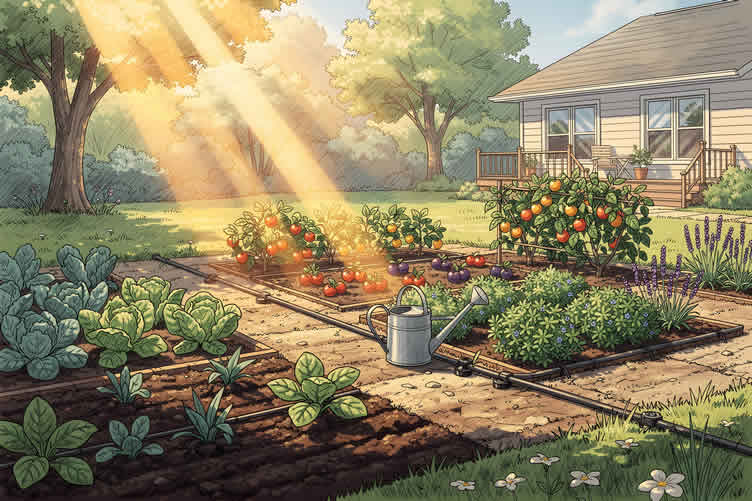
AI generated image by 123rf.com
Accessibility in Mind
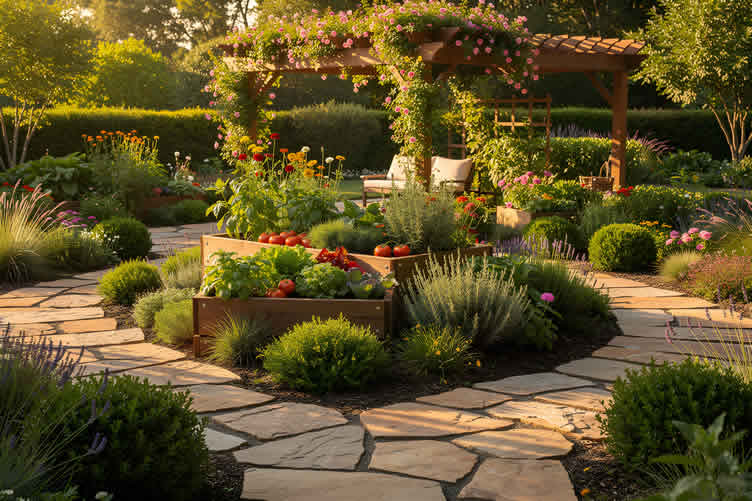
When designing your edible landscape, aim for both beauty and function. Stone paths provide easy access for tending to plants and harvesting produce without disturbing the soil.
They also add a timeless charm, creating a serene, organized space that’s a pleasure to navigate.
Thoughtful path placement makes garden care more enjoyable and less stressful.
view ideas: stone garden path(new win)
-
Scroll up to main directory … or scroll to next section of the AAATERM …
-
-

Tackling a beautiful edible landscape and other home improvement needs …

… save this curated directory of ideas for future reference.

-
-
3rd TERM: Which Edibles Should I Select?
Selecting the right edibles depends entirely on your local climate and personal taste. Choose crops you actually enjoy eating.
If your family loves fresh salsa, prioritize tomatoes, peppers, and cilantro. Decision criteria play a big role here.
Choose drought-tolerant herbs if you live in an arid climate with water restrictions, but opt for moisture-loving leafy greens if your region receives frequent rain.
Planning your selections carefully prevents wasted effort and ensures your garden remains a joyful, stress-free space.
Cultivating A Sustainable Edible Landscape
(includes referenced images and summary table – or scroll to next topic)
Cultivating A Sustainable Edible Landscape
Creating a sustainable edible landscape requires a gentle shift in how we view our seasonal harvests. By planning ahead, we can work in harmony with nature to ensure our pantries stay full even when the ground freezes.
Cultivating this kind of garden brings deep peace of mind and fosters a closer connection to the food we eat every day.
-
The Art Of Dual-Purpose Cultivation
To build a truly resilient edible garden, focus on plants that are both high-yielding and well-suited for various preservation methods. This approach ensures that your summer abundance never goes to waste.
It instead becomes a reliable source of nutrition and flavor throughout the year. The top edible plants to prioritize for both fresh eating and long-term storage fall into several distinct, easy-to-manage categories.
-
Foundational Flavors: Garlic And Storage Onions
These pungent staples are more than just flavor enhancers. They act as the cornerstones of a well-stocked winter pantry. Crops like garlic and storage onions require minimal effort to preserve.
After harvesting them in mid-summer, simply curing them in a dry area for two weeks hardens their skins. This easy process allows them to hang comfortably in braided bunches or mesh bags all winter long, remaining fresh in a cool, dark place for up to nine months.
-
Hardy Roots: Potatoes, Sweet Potatoes, And Carrots
Underground treasures like potatoes, sweet potatoes, and carrots offer substantial calorie content and remarkable storage capabilities.
Potatoes and sweet potatoes provide massive underground yields and only need a dark, cool closet or basement to serve as a reliable, starchy staple through the coldest months.
Homegrown carrots develop a wonderful natural sweetness and can easily be packed into crates of damp sand in a basement to stay crisp for months.
-
Vine-Ripened For Preservation: Paste Tomatoes And Cucumbers
Transform summer yields into shelf-stable sauces and crunchy pickles by growing paste tomatoes and pickling cucumbers.
Varieties like Roma or San Marzano feature meaty walls and low water content, making them perfect for fresh summer salads and easily processed into rich pasta sauces.
Cucumbers enjoy a dual-purpose life as well. You can enjoy them sliced fresh in summer salads or submerge them in a vinegar brine to create crunchy, shelf-stable pickles for the pantry.
-
Prolific Pods: Green Beans
Pole and bush beans produce non-stop clusters over the long summer months. You can enjoy them fresh directly off the vine, snap them for quick freezing, or preserve them as pickled dilly beans.
They also work wonderfully as pressure-canned side dishes, bringing a lovely taste of summer warmth to your winter dining table.
-
The Versatile Root: Beets
From tender greens to earthy roots, this crop provides double the harvest and multiple preservation options. Beets supply highly nutritious leafy greens in the summer and hearty roots for the winter months.
They preserve beautifully through simple pickling, water-bath canning, or basic root cellaring in damp sand.
-
Aromatic Essentials: Herbs For Every Season
Preserve the vibrant flavors of summer herbs for winter culinary magic with very little effort. Woody culinary staples like rosemary, thyme, and oregano can be hung upside down to dry gently in the warm air or processed quickly in a food dehydrator.
Once completely dry, you can crumble them into airtight glass jars to provide vibrant, homegrown flavor during the off-season.
-
Winter Greens: Kale And Spinach For Your Freezer
While exceptionally delicate when eaten fresh, these nutrient powerhouses can be easily frozen for later use.
Kale and spinach might not last in dry storage, but lightly blanching them allows you to freeze convenient portions. These frozen blocks of greens can then be dropped directly into winter soups, stews, and smoothies to keep your family well-nourished.
-
Your Year-Round Edible Garden Awaits
By thoughtfully selecting and cultivating these high-yield, preservation-friendly crops, you can easily create an edible garden that truly serves you in all seasons. Embrace the deep satisfaction of enjoying your own homegrown produce long after the warm days fade.
Taking these actionable steps to preserve your harvest creates a continuous source of fresh, flavorful ingredients that actively contribute to your long-term food security.
Start planning your dual-purpose garden beds today, and clear out a cool, dark space in your home to welcome the incoming abundance.
- Quick scroll to section content …
Category Description Preservation Method Foundational Flavors Garlic and storage onions are essential staples for flavor and simplicity in preservation. They are easily cured for long storage. Curing in a dry area hardens their skins, allowing them to hang in braided bunches or mesh bags for up to nine months. Hardy Roots Potatoes, sweet potatoes, and carrots provide substantial yield and calorie content while maintaining natural sweetness and crispness. Stored in a dark, cool place or packed in damp sand to remain fresh for months. Vine-Ripened Crops Paste tomatoes and cucumbers are versatile for fresh use or preservation. Roma and San Marzano tomatoes are ideal for rich pasta sauces, while cucumbers can be pickled or enjoyed fresh. Preserved as sauces or crunchy pickles via canning or brining. Prolific Pods Green beans produce consistent harvests and allow for various preparations. They can be enjoyed fresh or preserved. Preserved through freezing, pickling, or pressure-canning. The Versatile Root Beets offer both nutritious greens and hearty roots, making them a valuable dual-purpose crop. Preserved via pickling, water-bath canning, or root cellaring in damp sand. Aromatic Essentials Herbs like rosemary, thyme, and oregano provide vibrant flavors for year-round use. Air-dried, dehydrated, and stored in airtight jars for long-lasting freshness. Winter Greens Kale and spinach provide nutrient-dense options for freezing. Though delicate fresh, they are ideal for soups and stews post-preservation. Blanched lightly and frozen into convenient portions for long-term use. 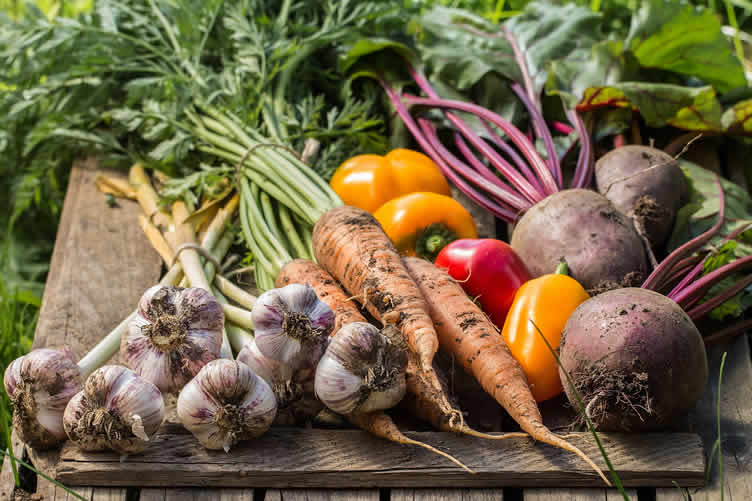
AI generated image by 123rf.com
The Joy of Growing
Growing your own vegetable garden is an incredibly fulfilling endeavor that offers both practical and emotional rewards.
By cultivating your own produce, you ensure access to fresh, nutritious food while reducing your environmental footprint.
This sustainable practice not only supports your health but also gives you the chance to reconnect with the rhythms of nature.
Tending to a garden fosters a sense of peace, accomplishment, and pride as you nurture life from seed to harvest.
view ideas: grow your own vegetables(new win)
-
Scroll up to main directory … or scroll to next section of the AAATERM …
-
-
… remodeling decisions

-
-
4th TERM: What Fruit Trees Fit Every Space?
Fruit trees serve as magnificent anchor points in any garden design. Traditional apple and pear trees offer beautiful spring blossoms and heavy autumn harvests.
You do not need acres of land to grow fruit. Dwarf fruit trees grow beautifully in small spaces and large containers.
The Meyer lemon tree is a perfect example of a compact producer that offers glossy green leaves, incredibly fragrant flowers, and vibrant yellow fruit throughout the year.
Guide to Growing Backyard Fruit Trees
(includes referenced images and summary table – or scroll to next topic)
Guide to Growing Backyard Fruit Trees
Frustrated by the thought of waiting decades for a single piece of fresh, homegrown fruit, or feeling intimidated by the complexity of managing a full-scale garden? These common gardening worries can easily discourage anyone from planting their favorite fruits.
Starting a backyard fruit tree plot is highly rewarding, and the absolute easiest way to succeed is by planting self-fertile dwarf or semi-dwarf varieties.
Standard fruit trees can take up to a decade to bear fruit, but compact dwarf trees are structurally modified to produce bumper crops within just one to three years, all while fitting comfortably in a standard backyard.
-
Choosing the Right Varieties
For the highest chance of success, select fruits that are self-pollinating, meaning they only require a single tree to produce a beautiful harvest.
You will also want to prioritize varieties that are naturally resistant to common garden pests and diseases. This thoughtful selection ensures a more hands-off, nurturing, and rewarding gardening experience.
-
Foolproof Figs For Your Garden
Figs are undoubtedly the most foolproof fruit tree for home gardens. They grow rapidly, adapt seamlessly to poor soil conditions, and remain virtually untouched by insect pests. They bear sweet fruit in their very first season.
The Perfect Plants Celeste Fig Tree is a cold-hardy, self-pollinating starter option that promises heavy crops of sweet, violet-skinned figs by mid-summer.
-
Sweet Peaches Simplified
Apples and pears often require companion trees for cross-pollination. Many peach varieties, however, are beautifully self-fertile. These resilient varieties yield incredibly heavy, dripping-sweet crops on very young branches.
You might consider the Dwarf Patio Peach Tree, a highly compact cultivar that produces full-sized, juicy peaches while remaining small enough for a deck, patio, or tight garden corner.
-
Resilient Apricots For Easy Care
Apricots are known for their incredible resilience to unpredictable weather, wind, and rain. This hardy nature makes them an excellent, hands-off choice for backyard growers.
The Dwarf Blenheim Apricot Tree is a self-pollinating favorite famous for its rich flavor and late spring blooms that cleverly dodge late frosts.
-
-
Planning Your Orchard Blueprint
Building a thriving home orchard requires a gentle touch and a strategic approach to planting. By providing your trees with the right environment from day one, you set them up for a lifetime of healthy growth.
-
Sunlight And Drainage Needs
All fruit trees demand six to eight hours of uninterrupted daily sunlight to properly develop sugars in their fruit. You must avoid low-lying spots in your yard where cold frost pockets or puddles of standing water settle.
Fruit tree roots will quickly rot and die if they are forced to sit in soggy, poorly drained soil.
-
Digging The Perfect Hole
Dig a hole that is twice as wide as the tree’s root system, but exactly the same depth. Loosening the surrounding dirt in a wide circle allows tender new roots to spread horizontally without hitting a wall of compacted clay.
Avoid adding commercial fertilizer or potting soil to the hole, as this tricks the roots into staying in the safety of the excavated space instead of driving out into the native yard soil.
-
Locating The Graft Union
Look closely at the lower trunk of your tree to find a distinct bump or scar a few inches above the roots. This is the graft union, where the fruiting variety meets the hardy rootstock.
When planting, this bump must remain two to three inches above the final soil line. Burying the graft union will cause the dwarf rootstock to lose its structural properties, turning your carefully chosen compact tree into an unmanageable giant.
-
Mulch Water And Protect
Tamp the soil down gently with your hands, avoiding your feet to prevent packing the dirt too tightly. Soak the root zone with five to ten gallons of water to eliminate hidden air pockets.
Spread a three-inch layer of organic wood mulch over the root zone to lock in vital moisture, keeping the mulch a few inches away from the trunk bark to prevent fungus.
Wrap a plastic or wire mesh tree guard around the bottom of the trunk to protect the tender bark from passing wildlife and lawn mowers.
-
-
Enjoying Your Backyard Harvest
Creating a beautiful, fruit-bearing sanctuary in your own yard is a wonderful way to connect with nature and nourish your family.
By selecting the right self-fertile dwarf varieties and providing them with careful planting and plenty of sunshine, you can easily transform a quiet corner of your garden into a thriving orchard.
Enjoy the sweet rewards of your labor and share the bounty of fresh fruit with your loved ones for years to come.
- Quick scroll to section content …
Section Description Notable Tips/Examples Introduction Starting a backyard fruit tree plot can overcome common gardening worries and provide a rewarding experience. Self-fertile dwarf or semi-dwarf varieties are the easiest to grow, producing fruit within 1-3 years compared to 10 years for standard fruit trees. Choose compact dwarf trees for quick harvests and adaptability to small backyards. Choosing the Right Varieties For success, select self-pollinating fruit trees that require only a single tree for harvest and are resistant to pests and diseases, ensuring low-maintenance growth. Examples include figs, peaches, and apricots. Figs are hardy while peaches and apricots provide heavy, resilient crops. Figs – Foolproof Choice Figs grow rapidly in poor soil, are pest-resistant, and bear sweet fruit in their first season. Celeste Fig Tree – cold-hardy, self-pollinating, and produces large mid-summer crops. Peaches – Simplified Peaches are self-fertile, yielding heavy and sweet crops even on young branches. Dwarf Patio Peach Tree – compact, full-sized juicy fruit, suited for small spaces like patios or tight gardens. Apricots – Resilient Apricots thrive in unpredictable conditions and require minimal care, making them ideal for backyard orchards. Dwarf Blenheim Apricot Tree – self-pollinating, late blooming, and highly flavorful. Planning Your Orchard Proper planning ensures a thriving orchard with healthy trees. Consider sunlight, soil drainage, and planting techniques. Provide 6-8 hours of sunlight, avoid soggy soil, and locate areas free of frost pockets. Planting Essentials Follow strategic planting methods for healthy growth. Ensure proper hole dimensions, root placement, and graft union positioning. Dig wide but shallow holes, avoid burying the graft union, and use no commercial fertilizers at planting time. Care and Maintenance Mulch, water, and protect trees for optimal growth. These steps eliminate air pockets, lock in moisture, and shield the trunk from damage. Apply organic mulch, water thoroughly, and use plastic or wire guards for trunk protection. Enjoying Your Harvest Transform a corner of your yard into a vibrant orchard that provides fresh fruit and connects you to nature while nourishing your family. Harvest and share fresh fruit with loved ones for years to come. 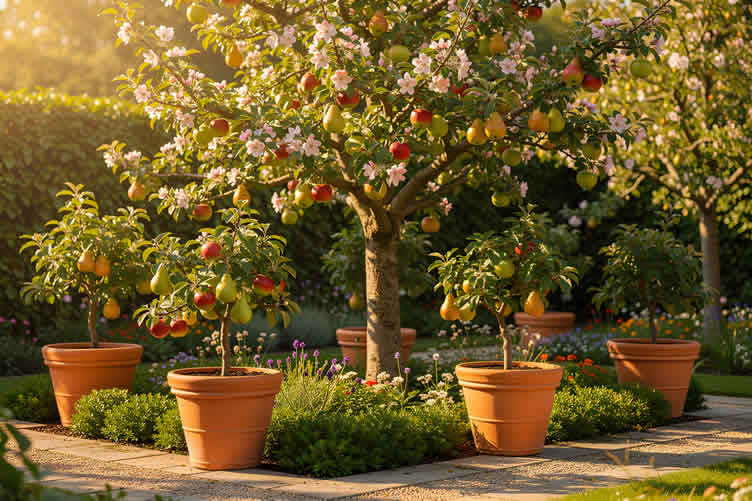
AI generated image by 123rf.com
Balance of Nurturing
Growing a fruit orchard can be both a rewarding and challenging endeavor.
While planting fruit trees in your yard might seem straightforward, ensuring a thriving orchard with a bountiful harvest requires consistent care and attention.
Factors such as selecting the right varieties for your climate, proper pruning, managing pests, and providing adequate water and nutrients are essential for success.
With patience and thoughtful maintenance, your orchard can flourish, offering delicious, homegrown fruits year after year.
view ideas: properly care for a fruit tree(new win)
-
Scroll up to main directory … or scroll to next section of the AAATERM …
-
-
SHARE IT ..! Someone in your network might benefit from this insightful post on how to create a beautiful edible garden. Feel free to share it on Facebook, X (formally Twitter), LinkedIn, or Pinterest!


-
-
5th TERM: How Can Herbs Provide Flavor And Function?
Herbs perform beautifully as both culinary staples and landscape workhorses. Creeping thyme serves as an excellent, aromatic ground cover that tolerates light foot traffic.
Upright rosemary bushes can be pruned into formal hedges, offering a structured look while providing fresh sprigs for roasting vegetables.
Many flowering herbs, such as chives and borage, attract vital pollinators to your garden. Integrating these plants encourages a healthy, balanced ecosystem where beneficial insects keep pest populations under control naturally.
Top Herbs for a Thriving Garden
(includes referenced images and summary table – or scroll to next topic)
Top Herbs for a Thriving Garden
Buying sad, wilted herbs from the supermarket just to see them spoil days later is a familiar frustration for many home cooks. You can easily solve this challenge by planting a vibrant, living pantry right outside your door.
The best herbs for an edible garden are resilient, high-yielding, and versatile in both cooking and natural health applications. Choosing a mix of hardy perennials and fast-growing annuals gives you a steady supply of fresh flavor.
Grouping them by their light, water, and growth habits makes your edible oasis incredibly easy to manage.
-
Hardy Perennials For Continuous Harvest
Perennials are the dependable foundation of your garden, returning year after year with minimal fuss.
Rosemary is a highly aromatic, drought-tolerant shrub that provides a year-round harvest of pine-like needles, pairing perfectly with roasted vegetables and infused oils.
Thyme serves as a robust, low-growing ground cover bursting into tiny edible blooms every spring, adding a subtle, earthy undertone to slow-cooked stews.
Oregano grows aggressively to yield highly concentrated, savory oils essential for homemade sauces.
Sage features beautiful, dusty-green velvet leaves, and regular trimming keeps it bushy for an abundance of comforting autumn flavor.
-
Fast-Growing Annuals For Quick Flavor
Annuals live for just one season, but they grow rapidly and produce incredible amounts of tender foliage.
Basil is the undeniable king of summer annuals, growing lightning-fast in warm weather. You must pinch it back the moment it blooms to keep the leaves tender and sweet.
Flat-leaf Italian parsley acts as a nutrient-dense biennial that chefs prefer for its clean flavor profile in salads and garnishes.
Cilantro is a fast-growing cool-season herb essential for fresh salsas, though it goes to seed quickly in intense summer heat and benefits from partial shade.
-
Grouping Herbs For Optimal Growth
Understanding plant compatibility ensures your garden thrives naturally. Sun-loving Mediterranean staples like rosemary, thyme, oregano, and sage thrive in full sun, lean soil, and dry conditions.
They are best planted together in well-drained beds or individual clay pots. Moisture-loving plants like basil, parsley, and cilantro prefer consistently damp, rich soil and tolerate afternoon shade to prevent their lush leaves from wilting.
-
Beyond The Kitchen: Herbs For Wellness
Your garden offers more than just culinary delights; it acts as a natural apothecary. Peppermint and spearmint are highly refreshing and exceptional for digestion and soothing teas.
Because mint is aggressively invasive, you must always grow it in a dedicated pot to prevent it from choking out your garden beds.
Sage offers potent antioxidant properties, while the bright purple spring flowers of chives double as an excellent snack and a powerful magnet for local pollinators.
-
Starting Your Edible Herb Garden
Begin by selecting a location that receives ample morning light. Use high-quality, well-draining soil to give your new plants the best possible start.
If you have limited space, container gardening is a highly effective way to control soil moisture and move plants out of harsh weather. Water the roots gently, allowing the top inch of soil to dry out between waterings for the drought-tolerant varieties.
-
Enjoying Your Homegrown Harvest
Frequent harvesting encourages your plants to grow fuller and healthier. Snip leaves just above a leaf node to promote new branches, taking care never to remove more than a third of the plant at one time.
Sharing your fresh clippings with friends and neighbors spreads the joy of your garden, celebrating the harmonious connection between nature and your home.
- Quick scroll to section content …
Category Description Examples Edible Garden Benefits A thriving herb garden provides fresh flavors for cooking while offering a sense of peace and connection to nature. Culinary uses, stress relief, aromatic retreat Hardy Perennials These plants return year after year with minimal maintenance, offering robust flavors and foliage. Rosemary, Thyme, Oregano, Sage Fast-Growing Annuals These herbs grow rapidly in one season, providing a quick supply of tender foliage for culinary use. Basil, Parsley, Cilantro Plant Grouping Tips Grouping herbs by their growth and environmental needs ensures optimal growth and ease of maintenance. Sun-loving herbs like Rosemary, Thyme, and water-loving herbs like Basil, Cilantro Herbs for Wellness The garden provides natural remedies, helping with digestion, relaxation, and attracting pollinators. Mint, Sage, Chives Starting a Garden Select a sunny location and use well-draining soil. Container gardening can manage soil and space constraints effectively. Morning light, high-quality soil, container gardening Harvesting Tips Regular harvesting promotes healthier plants while spreading joy when shared with friends and neighbors. Snip leaves above leaf nodes, make clippings, community sharing 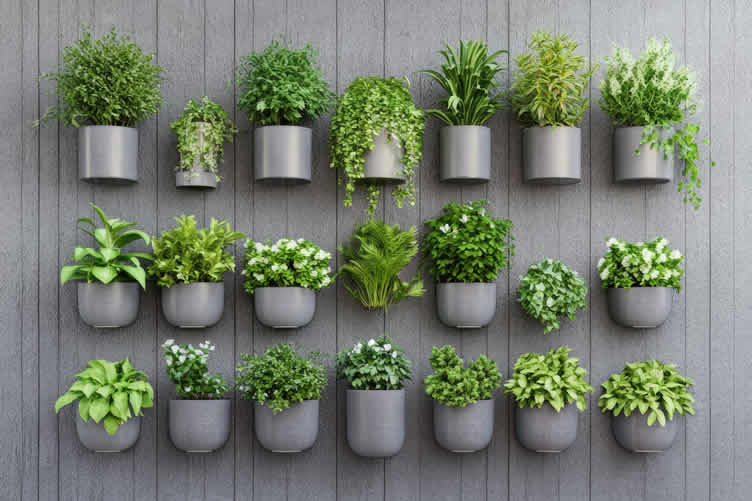
AI generated image by 123rf.com
Benefits of Culinary Herbs
Many herbs are not only prized for their health benefits but also for their ability to elevate your cooking.
Packed with nutrients and healing properties, herbs like basil, rosemary, and thyme can support your well-being in countless ways.
More importantly, when you understand how to properly combine and use them, these herbs can transform simple meals into flavorful, aromatic delights.
Whether sprinkled fresh over a dish or infused in a warm broth, herbs hold the power to make your meals both delicious and nourishing.
view ideas: herbs and spices in food preparation(new win)
-
Scroll up to main directory … or scroll to next section of the AAATERM …
-
-

Budgeting Worksheet For Costing Home Remodeling and Home Improvement Decisions
 File Type (excel)
-
-
6th TERM: Which Vegetables Add Color In Home Gardens?
Vegetables provide seasonal bursts of color and texture to your landscape beds. Swiss chard features stunning, brightly colored stems that rival any ornamental plant.
Cherry tomatoes can be trained up decorative trellises, drawing the eye upward while keeping the fruit clean and easily accessible.
Bush beans and compact eggplants fill in mid-level spaces with lush foliage. Planting these vegetables among your existing perennial flowers creates a lush, cottage-garden aesthetic that changes beautifully throughout the growing season.
The Art of Inter-planting Vegetables and Flowers
(includes referenced images and summary table – or scroll to next topic)
The Art of Inter-planting Vegetables and Flowers
Battling destructive pests while trying to maintain a beautiful, productive vegetable patch is a daily frustration for many home gardeners. The simple solution is a technique known as inter-planting, or potager gardening, which seamlessly blends vegetables with annual and perennial flowers.
By weaving your food and blooms together based on their heights, textures, and growing requirements, you can create a visually stunning landscape that naturally repels insects and boosts vital pollination.
-
The Benefits of Blending[ view]
Blending flowers and vegetables in your garden is more than just an aesthetic choice; it also enhances the health and productivity of your plants.
-
Beyond Aesthetics: A Natural Ecosystem
Combining diverse plants does much more than please the eye. It fosters a balanced, thriving habitat where nature gracefully handles the hard work for you.
Instead of relying on harsh chemicals, you can invite beneficial insects into your yard to maintain harmony.
-
Maximizing Your Garden’s Potential
Mixing your crops allows you to utilize every square inch of soil effectively. A diverse garden confuses destructive bugs, as the varying scents and shapes make it difficult for them to locate their preferred host plants.
At the same time, continuous blooms ensure that bees and butterflies remain in your garden to pollinate your food crops.
-
-
Designing Your Potager Garden[ view]
Blending beauty and functionality, a potager garden combines flowers, vegetables, and herbs in a way that is both productive and visually stunning.
This approach allows you to create a harmonious space where nourishment and aesthetics coexist seamlessly.
-
Strategic Layering For Impact
To prevent taller plants from casting unwanted shadows over your shorter varieties, you must arrange your garden into structured depth layers. This thoughtful organization ensures every plant receives the sunlight and airflow it needs to flourish.
-
Anchoring Your Design With Tall Plants
The back of your garden bed serves as the sturdy foundation for your design. You can interweave tall flowering perennials, such as coneflowers and delphiniums, with trellised vining crops like pole beans, snap peas, or indeterminate tomatoes.
The bright, towering flowers will draw busy pollinators deep into the vine canopies, ultimately maximizing your overall vegetable yield.
-
-
Mid-Layer Magic: Texture And Color[ view]
The mid-layer of your potager garden brings balance and cohesion to your design, combining practicality with aesthetic appeal.
This layer is where vibrant colors and rich textures come together to create a harmonious and productive space.
-
Striking Combinations For Visual Appeal
The center of your garden bed is the perfect place to showcase mid-sized ornamental vegetables that feature striking shapes and vibrant colors.
Deeply textured, blue-green lacinato kale and brightly pink-veined rainbow chard serve as gorgeous, edible focal points.
-
Attracting Beneficial Insects
Bracket your leafy greens with bold, vibrant annual flowers like French marigolds and zinnias.
Marigolds are particularly wonderful companions because they emit a distinct scent that actively confuses destructive pests like aphids, keeping your vulnerable vegetables safe and healthy.
-
-
Soft Edges And Ground Covers[ view]
Soft edges and ground covers are essential elements that bring balance and cohesion to a potager garden.
By blending practicality with aesthetic charm, these features help create a harmonious space while supporting plant health and reducing soil erosion.
-
Practical And Pretty Borders
You can easily soften the sharp, rigid edges of raised beds or garden walkways by using low-growing, cascading plants at the very front of your layout.
Alternating clusters of ruffled red-leaf lettuce and spinach with blooming sweet alyssum or violas creates a beautiful, overflowing effect that looks incredibly inviting.
-
Weed Suppression And Pest Control
A dense, flowering carpet of sweet alyssum does a fantastic job of smothering opportunistic weeds before they can sprout.
Furthermore, these tiny white blooms attract beneficial hoverflies, whose tiny larvae voraciously consume destructive garden pests before they can damage your harvest.
-
-
Plant Pairings For Success[ view]
Choosing the right plant pairings is essential for creating a potager garden that is both productive and visually stunning.
By combining plants with complementary growth habits, nutrient needs, and pest-repelling properties, you can foster a thriving, harmonious garden space.
-
Complementary Foliage And Forms
For a truly intentional design, contrast delicate, feathery foliage like cosmos or fennel right next to broad-leaved vegetables like zucchini or cabbage.
You should also avoid planting flowers in rigid, straight lines. Grouping annual flowers like nasturtiums in organic clusters of three or five serves as an excellent trap crop, gently drawing damaging caterpillars away from your valuable brassicas.
-
Creating A Harmonious Landscape
Always respect the root space of your permanent, deep-rooted perennial flowers like peonies or salvia.
Providing at least eighteen to twenty-four inches of clearance from your heavy-feeding annual vegetables prevents them from competing for water and nutrients in the topsoil, ensuring a peaceful and thriving environment for all your plants.
-
-
Cultivating Your Joyful Garden
Taking the time to weave flowers into your vegetable beds transforms a basic chore into a deeply rewarding, creative experience.
Assess your available sunlight, choose a color palette that brings you joy, and start layering your beautiful potager garden today.
- Quick scroll to section content …
Section Description Key Points The Art of Inter-planting Inter-planting, also known as potager gardening, blends vegetables with flowers to create a visually appealing and productive garden. Repels insects naturally, boosts pollination, blends plants by height, texture, and requirements to maximize efficiency. The Benefits of Blending Creating a natural ecosystem through plant diversity fosters a balance where beneficial insects naturally control pests. Eliminates need for harsh chemicals, supports pollinator activity, confuses pests with diverse scents and shapes. Designing Your Garden Strategic layering maximizes sunlight and airflow, with taller plants anchoring the design at the back of the garden bed. Focus on structured depth layering, use trellised crops and tall flowers to enhance yield while attracting bees and butterflies. Mid-Layer Appeal Utilize mid-sized ornamental vegetables and bold flowers to generate texture and color while attracting beneficial insects. Pair kale and rainbow chard with marigolds and zinnias to create striking combinations, repel pests, and draw pollinators. Soft Edges and Ground Covers Plant cascading greenery and low blooms at the edges to soften borders while suppressing weeds and protecting crops. Sweet alyssum and violas create a dense barrier, attract hoverflies to eliminate pests, and add aesthetic appeal. Plant Pairings Contrasting foliage and natural groupings enhance the visual harmony of the garden while deterring harmful insects. Cluster nasturtiums for caterpillar control, pair broad-leaved and feathery foliage for intentional design, maintain root spacing. Cultivating Joy Integrating flowers into vegetable beds turns gardening into a creative, rewarding project. Focus on sunlight assessment, personal color palettes, and strategic planting layers for a harmonious landscape. 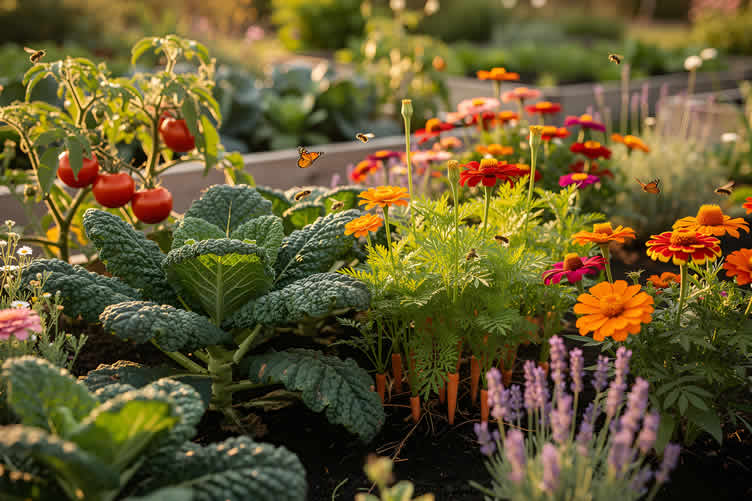
AI generated image by 123rf.com
The Sensory Delight of Potager Gardening
A potager garden, which interplants vegetables, herbs, and flowers, offers a rich sensory experience.
The vibrant colors of blooms and produce create a joyful and tranquil view. The fragrance of herbs and flowers invigorates your sense of smell, while textures like grass and stone provide a tactile connection to nature.
Though sound might be missing, adding features like wind chimes can complete this peaceful haven, engaging all your senses in harmony.
view ideas: the sound of wind chimes(new win)
-
Scroll up to main directory … or scroll to next section of the AAATERM …
-
-
-
-
7th TERM: What Are Good Compact Edible Plantings?
Compact edible plantings make gardening accessible to those with limited outdoor space. Patio-variety tomatoes and miniature bell peppers thrive in decorative pots on balconies or front steps.
Strawberries make excellent edging plants along garden pathways, spilling over borders with their delicate white flowers and bright red fruits.
Using vertical space with hanging baskets full of trailing herbs or small tumbling tomatoes ensures that every inch of your outdoor area contributes to your harvest.
Container Potager Garden in Any Space
(includes referenced images and summary table – or scroll to next topic)
Container Potager Garden in Any Space
Longing for a vibrant kitchen harvest but feeling limited by zero yard space or poor native soil? Using containers for a potager garden allows you to build a highly productive, mobile edible oasis right on your patio or balcony.
By packing a single pot with a carefully selected mix of structural vegetables, cascading herbs, and colorful flowers, you mimic a full-scale French kitchen garden on a miniature scale.
This gardening method beautifully blends deep utility with striking aesthetics. Instead of planting rows of single crops, you create a vibrant ecosystem that supports growth, deters pests, and delights the senses.
Every pot becomes a nurturing environment where nature and nourishment coexist harmoniously.
-
The Thriller, Filler, Spiller Framework[ view]
To build successful potager containers, you must match the root needs of your plants while employing a classic design framework.
This beloved approach ensures your miniature garden looks stunning while maximizing your vegetable yields.
-
The Thriller: The Center Anchor
This is the tall, dramatic centerpiece of your container that naturally draws the eye upward. It serves as the sturdy backbone of your miniature potager.
Use a patio-ready determinate tomato, a compact bell pepper, or a structural green like lacinato kale to anchor your design and provide your main edible harvest.
-
The Filler: The Mid-Layer
These mid-sized plants lovingly surround the thriller, filling out the middle of the pot with contrasting textures, beautiful colors, and natural pest protection.
Plant French marigolds or calendula to add pops of warm color and repel harmful insects. Interspace them with Genovese basil or ruffled red-leaf lettuce for a dense, lush look that mimics a traditional garden bed.
-
The Spiller: The Cascading Edges
These trailing plants are tucked tightly along the inner rim of the container, gracefully spilling over the sides to soften the hard edges of the pot.
Nasturtiums serve as the ultimate potager spiller, offering trailing vines, bright edible flowers, and peppery leaves.
Creeping thyme, prostrate rosemary, or everbearing strawberries also trail beautifully while providing delicious culinary rewards.
-
-
Essential Considerations for Container Potager Success[ view]
A thriving container garden requires careful attention to the environment you create for your delicate plant roots. Setting up a proper foundation ensures your plants grow strong and resilient.
-
Choosing the Right Container
Root restriction remains a primary cause of container gardening failure. Always choose your pots based on the root demands of your main thriller plant.
Small pots suit herb blenders perfectly, while mid-sized pots work wonderfully for a dwarf sweet pepper flanked by basil.
Heavy feeders like compact patio tomatoes or bush zucchini require large, spacious containers to thrive without becoming root-bound.
-
The Importance of Proper Potting Mix
Potager containers require excellent drainage to prevent root rot and keep your plants breathing easy. Standard garden soil packs down like heavy bricks in a pot, suffocating delicate root systems.
Fill your containers with a premium, lightweight organic potting mix amended with perlite or peat moss instead. This gentle blend keeps air and water moving freely.
-
Managing Accelerated Evaporation
Unlike plants resting securely in the ground, container soil dries out incredibly fast during warm weather. Pots made of porous terra cotta lose moisture quickly, while breathable fabric containers maximize root aeration but require frequent watering.
Check the top inch of soil daily, and water thoroughly until moisture streams safely out of the bottom drainage holes.
-
-
Cultivate Your Culinary Garden
Creating a potager in containers brings the joy and abundance of a French kitchen garden right to your doorstep.
As you carefully select your thrillers, fillers, and spillers, you nurture a living masterpiece that feeds both your body and your spirit. Gather your favorite pots, select your most loved edible plants, and start building your vibrant oasis today.
- Quick scroll to section content …
Category Description Tips Potager Concept A lush and productive kitchen garden created in containers, ideal for small spaces like patios or balconies. Combines structural vegetables, cascading herbs, and colorful flowers for both utility and aesthetics. Create an ecosystem that supports plant growth, deters pests, and enhances the visual appeal through thoughtful plant selection and placement. Thriller The centerpiece of the container garden that provides a primary harvest and vertical impact. Use patio-ready determinate tomatoes, compact bell peppers, or structural greens like lacinato kale for this purpose. Filler Mid-layer plants that surround the thriller, providing texture, color, and natural pest protection. Plant French marigolds, calendula, Genovese basil, or ruffled red-leaf lettuce to create a lush, dense garden look. Spiller Trailing plants that spill over the edges of the container, softening its appearance and adding more edible options. Nasturtiums, creeping thyme, prostrate rosemary, or strawberries are excellent choices for spillers. Container Selection Choosing the right pot size based on the root demands of the main thriller plant is essential for success. Smaller pots fit herbs perfectly, while mid-sized ones work for dwarf peppers. Large pots are recommended for heavy feeders like patio tomatoes or bush zucchini. Potting Mix Containers need excellent drainage and aeration to keep root systems healthy and hydrated. Use a premium organic potting mix with amendments like perlite or peat moss instead of standard garden soil. Watering Container soil dries out faster than ground soil, requiring more frequent watering. Check soil moisture daily and water until excess streams through the drainage holes. Final Thoughts Container potager gardens combine the joy of gardening with the convenience of small spaces, creating vibrant, edible landscapes that nourish the body and spirit. Start building your own masterpiece with carefully selected plants and proper care techniques to enjoy a thriving culinary garden. 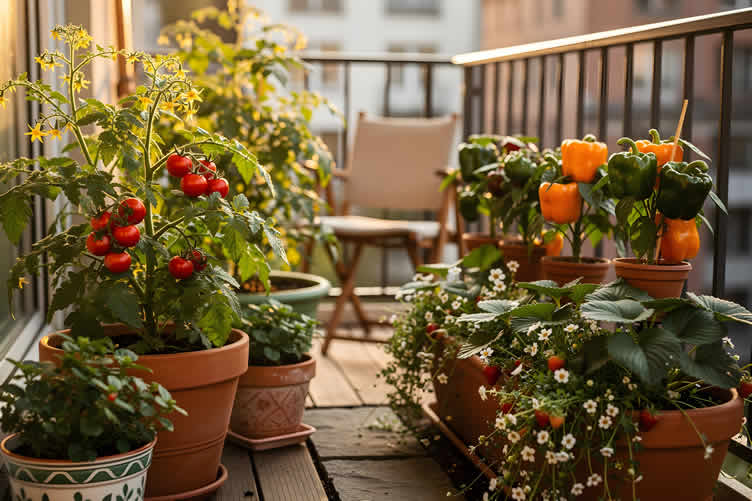
AI generated image by 123rf.com
Transform Outdoor Space
Container gardening is a versatile method for growing edible plants, even in small spaces.
When choosing containers, consider both function and aesthetics. Select durable materials like terracotta, ceramic, or wood with proper drainage to ensure healthy plant growth.
To blend with your landscape, choose containers in neutral tones or designs that complement your decor. You can also repurpose items like barrels or crates for a rustic, eco-friendly touch.
By choosing your containers thoughtfully, you can create an edible garden that is both beautiful and bountiful.
view ideas: beautiful container gardening(new win)
-
Scroll up to main directory … or scroll to next section of the AAATERM …
-
-
… home remodeling – improvement – repair
-
-
8th TERM: How Do I Maintain My Edible Garden?
Maintaining your edible garden requires consistent, gentle care. Healthy soil serves as the foundation for healthy plants. Adding organic compost annually improves soil structure and provides slow-release nutrients.
Watering deeply but infrequently encourages plants to develop strong, deep root systems. Applying organic mulch around the base of your plants retains crucial moisture and suppresses competing weeds.
Spending just a few mindful minutes in your garden each day allows you to spot dry soil or pest issues before they become overwhelming problems.
Essential Tools for Cultivating Your Edible Garden
(includes referenced images and summary table – or scroll to next topic)
Essential Tools for Cultivating Your Edible Garden
Staring at a tangled shed overflowing with rusty, confusing gadgets can make the dream of growing your own food feel overwhelming and physically draining.
To cultivate an edible garden efficiently, you do not need a massive collection of specialized equipment.
Focusing on a carefully curated selection of high-quality, durable, and ergonomic tools ensures you can manage everything from soil preparation to precision harvesting without straining your body.
Creating a thriving, natural space should be a joyful experience that works in harmony with your lifestyle and physical wellbeing.
-
The Essential Toolkit: Durability Meets Design
Selecting the right implements transforms arduous chores into mindful gardening practices. Equipping your garden space with reliable, heavy-duty gear streamlines your daily work and protects your joints.
When you invest in thoughtfully designed items, you empower yourself to care for your plants with greater ease and efficiency.
-
Mastering Soil Preparation and Planting
Preparing your planting beds requires heavy-duty tools built to leverage your body weight rather than your delicate back muscles. Establishing a healthy foundation for your plants sets the stage for a bountiful season.
-
Garden Spading Fork[ view]
A D-handle spading fork proves exceptional for breaking up hard, compacted earth. You can use it to gently turn compost or lift root vegetables like carrots and potatoes without slicing into your precious harvest.
-
Square-Bow Garden Rake[ view]
Featuring flat, rigid steel teeth, this rake is designed to break down clods of dirt effortlessly. It allows you to smooth out uneven garden beds and create a perfectly level, fine seedbed for your new plantings.
-
Long-Handled Digging Shovel[ view]
A classic round-point shovel remains a steadfast companion in the garden. It is vital for scooping loose soil, digging deep holes to welcome new fruit trees, and moving large mounds of organic wood mulch to protect your soil microbiome.
-
-
Precision Weeding and Cultivation Techniques
Managing tight spaces, working in raised vegetable beds, or transplanting delicate herb containers requires smaller, highly agile instruments.
Keeping weeds at bay ensures your edible crops receive all the nutrients they need to thrive.
-
Heavy-Duty Hand Trowel[ view]
Look for a single-piece cast aluminum trowel, such as the Fiskars Ergo Trowel, featuring integrated soil depth markings.
This thoughtful detail helps you plant live starter plugs or flower bulbs at the exact depth required while an ergonomic handle reduces wrist fatigue.
-
Dutch Push-Pull Hoe[ view]
This long-handled hoe features a flat, sharpened blade that glides just beneath the soil surface. It cuts down weed roots on both the push and pull stroke, saving you massive amounts of time and physical effort.
-
Hori-Hori Garden Knife[ view]
Known as the ultimate multi-tool for edible gardeners, this Japanese-style heavy steel knife features one sharp edge and one serrated edge.
It works beautifully for sawing through thick roots, digging out deep weeds, and easily opening seed bags.
-
-
Harvesting with Care: Tools for Every Crop
Keeping your fruit trees productive and gathering fresh herbs requires razor-sharp blades. Clean cuts prevent tearing delicate plant tissue, which helps protect your garden from inviting fungal diseases.
-
Bypass Pruning Shears[ view]
Designed much like scissors with two curved blades that slide past each other, these shears create a clean cut on live stems.
High-carbon steel options, like the Corona RazorSHARP pruner, offer professional-grade durability perfect for pruning tomato suckers or harvesting heavy winter squash.
-
Micro-Tip Snips[ view]
These ultra-lightweight, spring-loaded snips are designed for fine, precision work.
They are absolutely essential for harvesting delicate leafy greens, pinching back basil blooms, and deadheading spent annual flowers without crushing the adjacent stems you worked so hard to grow.
-
-
Finally, When Should I Harvest My Bounty?[ view]
Harvesting your bounty represents the most fulfilling part of edible landscaping. Picking fruits and vegetables at their peak ripeness guarantees the best flavor and nutritional value.
Tomatoes should easily release from the vine, while leafy greens taste best when harvested in the cool morning hours.
- Quick scroll to section content …
Essential Tools
(from the summary table below)
Category Description Recommended Tools Mastering Soil Preparation and Planting Preparing planting beds with tools designed to leverage body weight, establishing a healthy foundation for plants to thrive. - Garden Spading Fork: Breaks up compacted earth and gently lifts root vegetables without damage.
- Square-Bow Garden Rake: Features steel teeth for breaking clods of dirt and creating level seedbeds.
- Long-Handled Digging Shovel: Scoops soil, digs deep holes, and moves organic mulch efficiently.
Precision Weeding and Cultivation Techniques Managing tight spaces in raised beds and maintaining weed-free, nutrient-rich soil for crops. - Heavy-Duty Hand Trowel: Ideal for transplanting and planting with ergonomic design for reduced wrist strain.
- Dutch Push-Pull Hoe: Glides under the soil surface to cut weeds on both push and pull strokes.
- Hori-Hori Garden Knife: A versatile tool for sawing roots, digging weeds, and more.
Harvesting with Care Using sharp tools to make clean cuts, preventing damage to plants and reducing risk of fungal diseases. - Bypass Pruning Shears: Professional-grade shears ideal for pruning and harvesting.
- Micro-Tip Snips: Perfect for precision work, such as harvesting leafy greens and pinching back blooms.
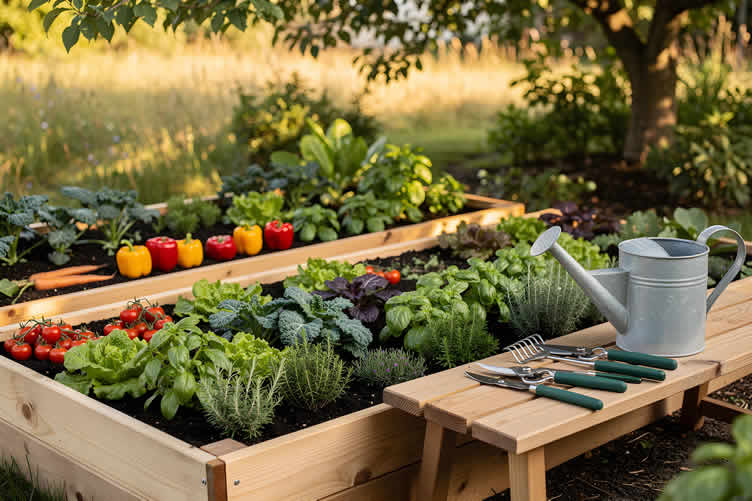
AI generated image by 123rf.com
Preserving the Harvest
Your edible garden is flourishing thanks to careful planning and the right tools, and now you have a bountiful harvest. The next step is to preserve your produce for future use.
Techniques like canning, bottling, pickling, and freezing allow you to extend the life of your fruits and vegetables while retaining their flavors and nutrients.
These methods reduce waste and let you enjoy garden-fresh food all year.
With a little guidance, you can savor the fruits of your labor long after the growing season ends.
view ideas: the joy of canning(new win)
-
Scroll up to main directory … or scroll to next section of the AAATERM …
-
-
-
-
9th TERM: Enhancing Your Edible Garden Needs
… with professional landscaping
Designing an edible garden that seamlessly integrates into a beautifully landscaped yard can be a rewarding but challenging endeavor.
Working with a skilled landscape and planting contractor can help you achieve a thoughtful, functional, and visually stunning space that suits your local environment. Here’s how they can support you:
-
What a Landscape and Planting Contractor Can Do:
- Assess your local environment, including soil quality, sunlight patterns, and climate, to recommend the best plants for your edible garden.
- Design a layout that maximizes the use of space while ensuring your garden remains easy to maintain and visually appealing.
- Incorporate elements such as raised garden beds, proper irrigation systems, and pathways to blend functionality and aesthetics effectively.
- Select and source high-quality plants and materials suited to the specific conditions of your area.
- Ensure the garden not only thrives but also enhances biodiversity and aligns with sustainable landscaping practices.
- Collaborate with you to integrate edible plants into existing ornamental landscapes for a harmonious design.
-
Finding the Right Contractor for Your Edible Garden
To select the perfect professional for your project, start by researching local landscape and planting contractors with experience in edible gardening.
- Request to see a portfolio of their previous projects and ask for client references.
- Look for certifications or affiliations with professional organizations, as this can indicate a commitment to high standards.
- Additionally, seek contractors who are willing to listen to your vision, provide personalized advice, and guide you through the entire process with care and expertise.
- Taking the time to select the right professional can make all the difference in achieving a garden that brings nourishment, joy, and beauty to your life.
LetsRenovate has partnered with HomeAdvisor™, a renowned provider of highly-rated, carefully-vetted local landscape and planting contractors. Start your search here by choosing the type of contractor you need and entering your zip code to find local professionals.
AI generated image by 123rf.com
But Wait!
Before you begin searching for a landscape contractor, we recommend using this evaluation worksheet.
It provides a simple framework to help you objectively compare potential candidates on essential factors like pricing, licensing, and referrals.

Evaluation Sheet
File Type:-
Scroll up to main directory … or scroll to conclusion and references …
-
-
-
Conclusion
… frequently asked questions
-
Can I mix edible plants with toxic ornamental plants?
You should avoid planting edibles directly next to toxic ornamental plants. Roots can entangle, and falling toxic leaves or berries might contaminate your food harvest. Keeping a safe distance ensures your edible garden remains entirely safe for consumption.
-
Do edible landscapes attract unwanted wildlife?
Edible landscapes can attract birds, rabbits, and deer. Installing physical barriers like decorative fencing or using natural deterrents like strong-smelling herbs around the perimeter helps protect your harvest while maintaining a humane, nature-friendly environment.
-
How much does it cost to start an edible landscape?
Starting an edible landscape costs vary widely based on the size of your space and the maturity of the plants you purchase. Starting from seeds keeps costs exceptionally low, while purchasing mature fruit trees requires a larger initial investment.
-
Are there edible plants that grow in the shade?
Most fruiting vegetables need full sun, but many leafy greens tolerate partial shade. Spinach, arugula, and certain varieties of lettuce can produce respectable harvests even with just a few hours of dappled morning sunlight.
-
-
Quick scroll to more landscaping and planting ideas …
-
ideas to view and compare from the photo above
book: edible gardenherb identification stakesvine growing stakes
- What comments can you share about your thoughts
about creating a beautiful edible landscape?

Calendar For:
Home Maintenance
File Type:
… view our sharing links below for a quick "share the knowledge"
Find Landscaping/Maintenance Landscape Design Landscape Maintenance Pest Control Sprinkler Systems Tree & Shrubs Water Features top-rated, pre-screened local contractors FREE: download contractor selection enter zip code – powered by HomeAdvisor ™
Quick Contractor Guides selecting negotiating working with inspecting

Cover image credit: beautiful edible landscape by 123rf.com
end of post … please share it!
 |
did you find this review about creating a beautiful edible landscape helpful? If so, please share the article with your friends and family! |
Nice pic idea? Leave us a quick comment below.
And please share this pic idea within your social networks.