Summary Outline –
Electric vehicles (EVs) are no longer the car of the future—they’re the car of today. As more drivers make the shift to EVs, home charging infrastructure becomes increasingly important.
But how do you know what’s involved with installing an EV charger at your home? In this guide, we’ll break down everything from the benefits and types of chargers available to cost considerations and installation steps.
Whether you’ve just bought your first EV or are considering making the switch, this post will help you understand what it takes to get your home ready for EV charging.
- post content
- EV Station Tip 1: The Electric Vehicle Revolution is Here
- EV Station Tip 2: Deciding to Install an EV Charging Station
- EV Station Tip 3: Considerations Before Installing an EV Charger
- EV Station Tip 4: Benefits of Having an EV Charging Station
- EV Station Tip 5: Step-by-Step Guide to Installing an EV Charger

-
Quick scroll to first topic about home EV charging station …

first “home EV charging station” idea

copyright image by 123rf.com
EV Station Tip 1: The Electric Vehicle Revolution is Here
Notes:
-
EVs are taking the automotive world by storm. With environmental benefits and innovative technology, they’re quickly becoming a preferred mode of transport. This growth is changing how we think about fueling up.
Traditional gas stations are being replaced with the convenience of home charging infrastructure. With an EV charger at home, you can wake up every morning to a fully charged vehicle, ready to hit the road.
The decision to install an EV charger at home is not just about convenience. It’s about investing in the future of transportation. Homeowners who install chargers are part of a growing movement to reduce carbon footprints and promote sustainable living.
Plus, as EVs become more common, homes equipped with chargers are likely to see a boost in market value.
Understanding the options and steps involved in installing an EV charger can feel overwhelming. However, once you’re familiar with the basics, you’ll find it’s a straightforward process that brings immense benefits. Let’s explore why installing a home charger is worth considering.
-
Quick scroll to “why EV charger” side notes …
-
-
1st: Why Install an EV Charger at Home?
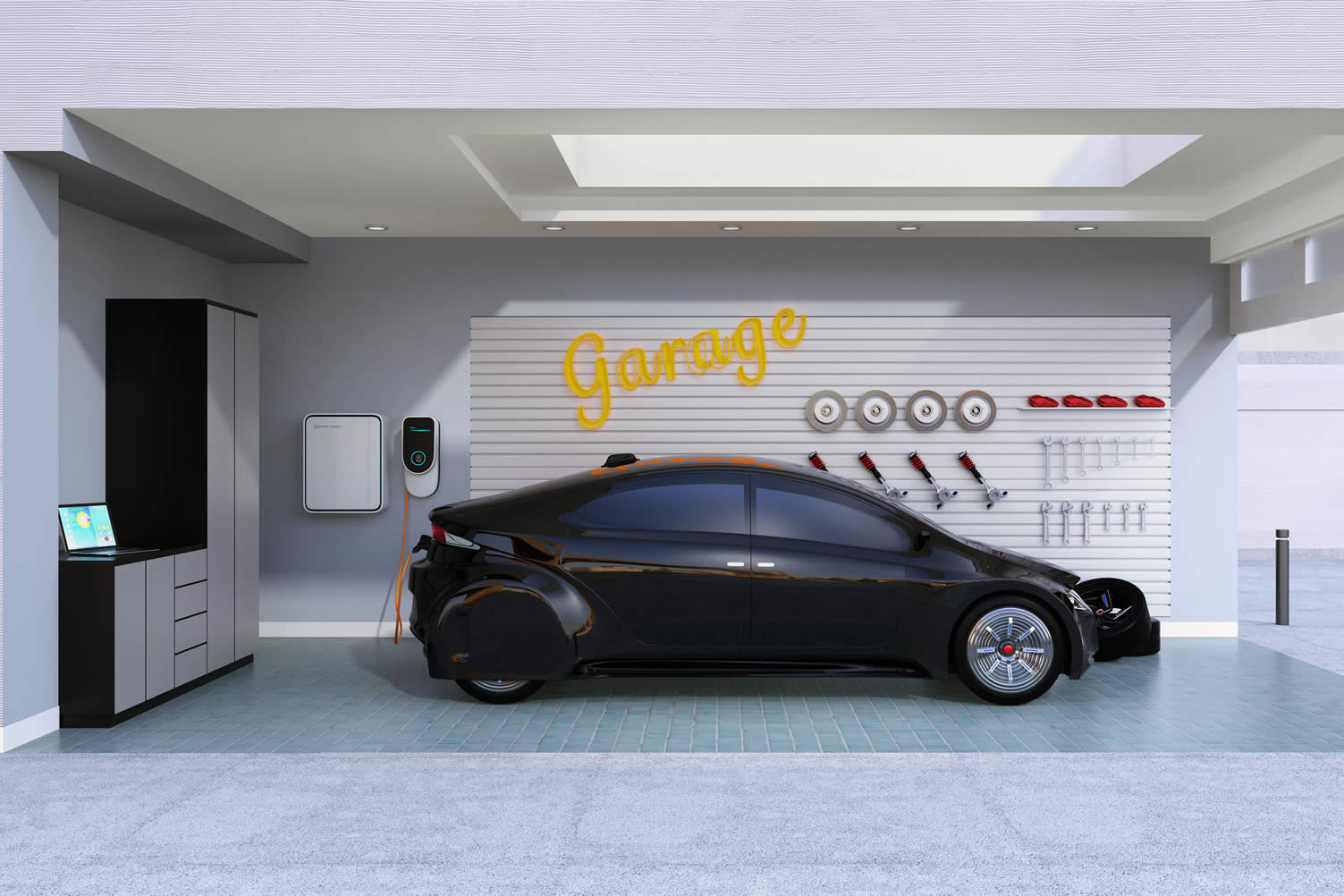
Installing an EV charger at home offers unparalleled convenience. No more trips to the gas station or waiting in line at public charging stations.
Simply plug in your EV overnight and start each day with a full charge. This convenience is one of the primary reasons electric vehicle owners opt for home charging solutions.
Cost savings are another significant benefit. Charging your EV at home is generally cheaper than using public stations. You can also take advantage of off-peak electricity rates, further reducing your charging costs. Over time, these savings can offset the initial investment required for installation.
The environmental impact of home charging can’t be overstated. By charging at home, you’re reducing reliance on fossil fuels and lowering emissions.
Additionally, if your home is powered by renewable energy sources like solar panels, your EV becomes even more eco-friendly. Installing a charger at home is a step towards a greener lifestyle and a more sustainable future.
copyright image by 123rf.com
[ view images: garage EV charger ]
[ pinterest: home EV charger ]

-
-
ideas to view and compare from the information discussed above
Scroll up to directory … or scroll to next section about home EV charging station …

second “photo remodeling” idea
copyright image by 123rf.com
EV Station Tip 2: Deciding to Install an EV Charging Station
Notes:
-
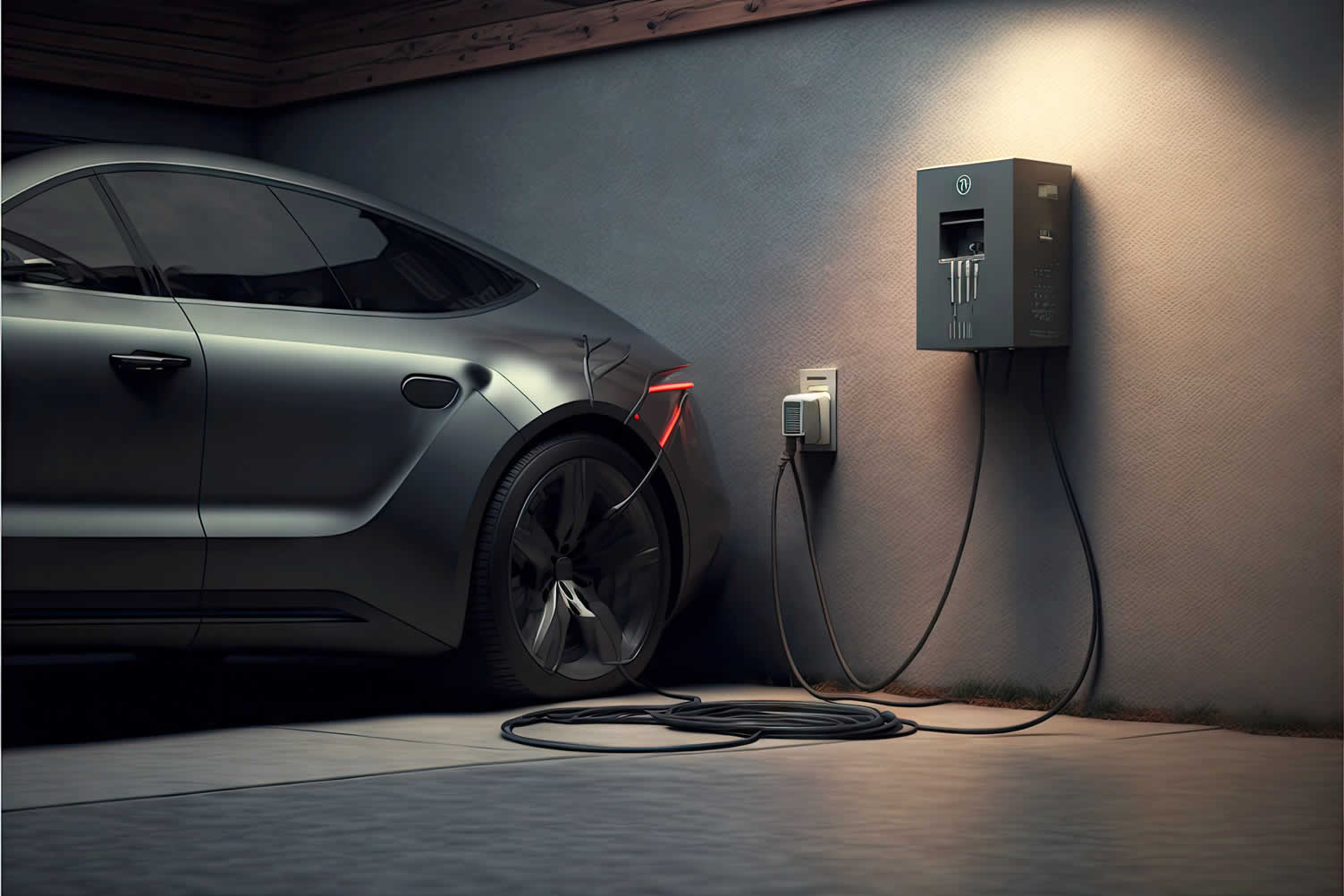
When considering installing an EV charging station at home, understanding the types of chargers and ideal locations is crucial for making an informed decision. There are primarily two levels of EV chargers for the home: Level 1, Level 2.
Selecting the right location for your home charging station ensures convenience and efficiency. Ideally, the charger should be installed close to where you usually park your vehicle, like a garage or driveway, to minimize the length of the charging cable needed.
Additionally, consider the safety and security of the installation area. It should be protected from the elements to ensure durability and to maintain optimal functioning.
-
Quick scroll to “deciding on EV charger” side notes …
-
-
1st: Types of EV Chargers for Home Installation
Before installing an EV charger, it’s essential to know your options. The two main types of chargers for home installation are Level 1 and Level 2 chargers. Each type has distinct features and benefits to suit different needs.
-
Level 1 Charger
Level 1 chargers use a standard 120-volt household outlet. They don’t require special equipment, making them a cost-effective option for many homeowners.
While this might be sufficient for plug-in hybrids or if daily driving needs are minimal, it can be impractically slow for full electric vehicles with larger batteries. This means it may take a whole day or night to fully charge your vehicle.
Pros:
- Cost-effective:
Level 1 chargers use existing household outlets, eliminating additional costs for equipment and installation. - Ease of installation:
No professional installation is necessary, making it a convenient option for many homeowners. - Sufficient for minimal use:
Ideal for plug-in hybrids or users with low daily mileage needs.
Cons:
- Slow charging speed:
Charging a full electric vehicle can take an entire day, which may not suit those with high daily mileage. - Impractical for larger batteries:
Vehicles with larger batteries will experience significant charging delays.
- Cost-effective:
-
Level 2 Charger
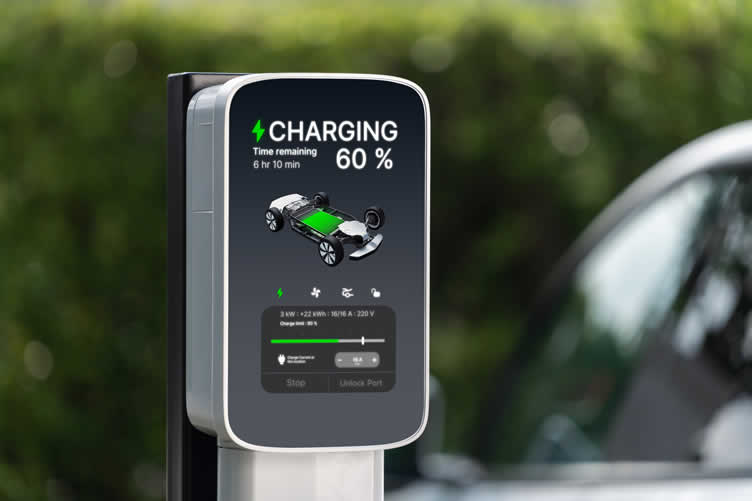
Level 2 chargers require a 240-volt outlet, similar to those used for large appliances like dryers. These chargers can deliver up to 25 miles of range per hour, significantly reducing charging time as compared to Level 1.
This makes it much more suited for those who need their vehicle ready quickly or have longer commutes.
They often require professional installation due to the higher voltage. Despite the initial costs, many EV owners choose Level 2 chargers for their speed and efficiency.
Pros:
- Faster charging:
Offers up to 25 miles of range per hour, reducing total charging time substantially. - Ideal for frequent drivers:
Suitable for those who frequently drive long distances or require a quick turnaround time. - Increased convenience:
Faster charging means greater flexibility and readiness for spontaneous trips.
Cons:
- Higher initial costs:
Requires professional installation and specialized equipment, increasing upfront expenses. - Home modifications:
May need electrical upgrades at home to support the 240-volt outlet required.
- Faster charging:
-
Best Option
When choosing a charger, consider your driving habits and charging needs. If you frequently drive long distances or require fast charging, a Level 2 charger might be the best fit.
For occasional drivers, a Level 1 charger could suffice. Understanding your options will guide your decision-making process.
copyright image by 123rf.com
[ youtube: EV home charging for beginners ]
[ youtube: who needs level 2 EV charging at home? ]
-
-
2nd: Where to Place Your EV Charging Station
When planning the installation of your EV charger, choosing the right location is crucial for convenience, safety, and efficiency. A well-placed EV charging station will seamlessly integrate into your home’s layout and cater to your everyday needs.
[ see below: charing station views ]
-
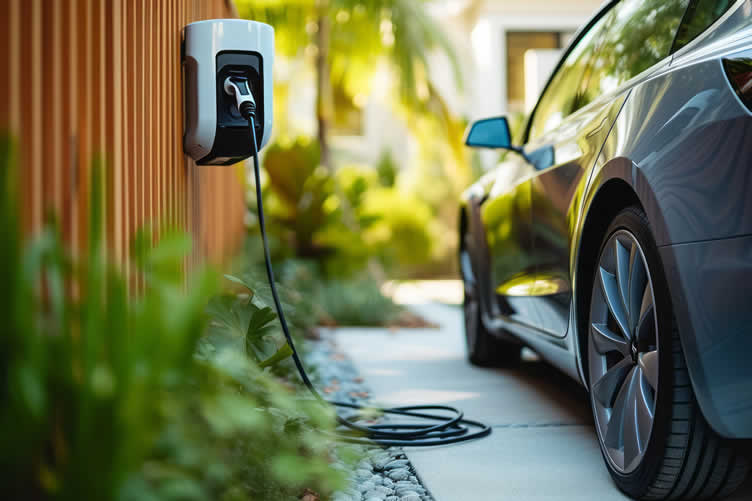
Garage Installation
Installing an EV charger in your garage is one of the most common and practical options. A garage provides protection from the elements, ensuring that your charging setup remains dry and secure. It also offers privacy, reducing the risk of unauthorized access.
In addition to its security benefits, a garage installation keeps all components neatly tucked away, reducing clutter and preserving the aesthetics of your home’s exterior.
-
Driveway Installation
For homeowners without a garage, or when additional parking space is required, installing the EV charger in the driveway can be a suitable option. This location is easily accessible and allows for straightforward installation of the charging equipment.
However, it’s important to ensure that the setup is properly protected from weather conditions and that it complies with any local ordinances or homeowner association rules regarding visible installations.
-
Carport Installation
A carport strikes a balance between a garage and an open driveway, offering some protection from the weather while being more accessible than a garage. Installing an EV charger within a carport can be efficient, especially if the area is already equipped with the necessary electrical infrastructure.
It provides shelter for both your vehicle and charging equipment, which can extend the lifespan of the equipment by protecting it from harsh weather conditions.
-
Outdoor Installation
In some cases, an outdoor installation may be necessary, particularly if neither a garage nor a carport is available. When opting for an outdoor location, ensure that the charger is designed for external use, with a robust, weatherproof casing to withstand various environmental conditions.
Outdoor installations should be strategically planned to minimize cable length and exposure, and to maintain safety standards.
Choosing the ideal location for your EV charger involves assessing your living situation, evaluating your available space, and considering your daily routine to ensure optimal convenience and efficiency.
copyright image by 123rf.com
-
-
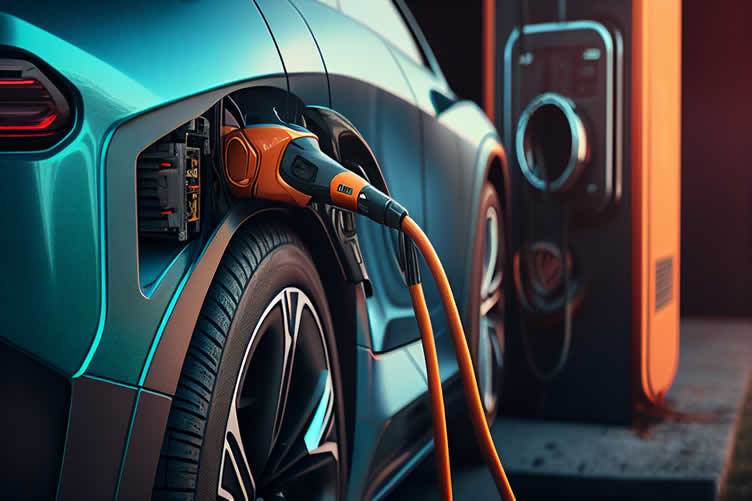
3rd: Safety Features of Home EV Charging Stations
When installing an EV charging station at home, safety must be a top priority. A proper setup not only ensures a smooth charging process but also protects your household against electrical hazards.
Here are some critical safety features to consider when setting up your home EV charger.
-
Ground Fault Protection
Ground fault protection is essential to prevent electrical shocks, which can occur if electricity escapes from the circuit. An integrated ground fault circuit interrupter (GFCI) within the charging station detects irregularities in the electrical current and shuts off the power to prevent harm.
This feature is crucial for any home EV charger, particularly when installed in wet or damp environments.
-
Overcurrent Protection
To safeguard against fire hazards, overcurrent protection ensures that the charging system can safely handle unexpected surges in electrical current.
Circuit breakers and fuses are commonly used to interrupt the flow of electricity if the current exceeds a safe level. This feature helps protect your home’s electrical wiring and devices connected to the charger.
-
Weatherproofing
For chargers installed outdoors or in semi-protected environments like carports, ensuring the charger’s weatherproofing is vital. The charging station should have a robust casing made from materials resistant to water, dust, and temperature fluctuations.
Proper weatherproofing not only extends the life of the charger but also prevents potential short-circuits caused by moisture or debris.
-
Lockability
To prevent unauthorized access and use, a charging station should have a lockable design. Integrated locks or lockable enclosures can deter theft and misuse, providing peace of mind that your unit is secure when not in use.
Lockability also ensures that only trusted individuals in your household can access the charging station.
-
Ventilation
Adequate ventilation is necessary to prevent overheating of the charging unit. Proper air circulation ensures that the charger operates efficiently and safely, reducing wear and extending its lifespan.
Whether installed indoors or outdoors, ensure sufficient space around the charger for airflow and consult manufacturer guidelines on installation for optimal performance.
copyright image by 123rf.com
[ youtube: 5 portable EV charging stations ]
[ youtube: how to protect EV charging cable from theft? ]
-
-
-
ideas to view and compare from the information discussed above
Scroll up to directory … or scroll to next section about home EV charging station …
… remodeling decisions


addressing installation of a home EV charging station and other home improvement needs …

… grab this directory of ideas for future use



May We Suggest Other Photo Remodeling Ideas About
“Family Care and Management …” (new win)


third “photo remodeling” idea
copyright image by 123rf.com
EV Station Tip 3: Considerations Before Installing an EV Charger
Notes:
-
Before installing an EV charger, evaluate your home’s electrical capacity. Ensure your electrical panel can handle the additional load. This might require upgrading the electrical panel or running new wiring to accommodate the increased demand of a Level 2 charger.
Choosing an experienced electrician who specializes in EV charging station installation is vital as they can assess whether any upgrades are necessary and ensure compliance with local codes and safety standards.
Familiarize yourself with local regulations and permits. Some areas require permits for installing EV chargers. Check with your local government or utility provider to understand any specific requirements.
Complying with regulations is essential to avoid fines and ensure a smooth installation process.
-
Quick scroll to “EV installation considerations” side notes …
-
-
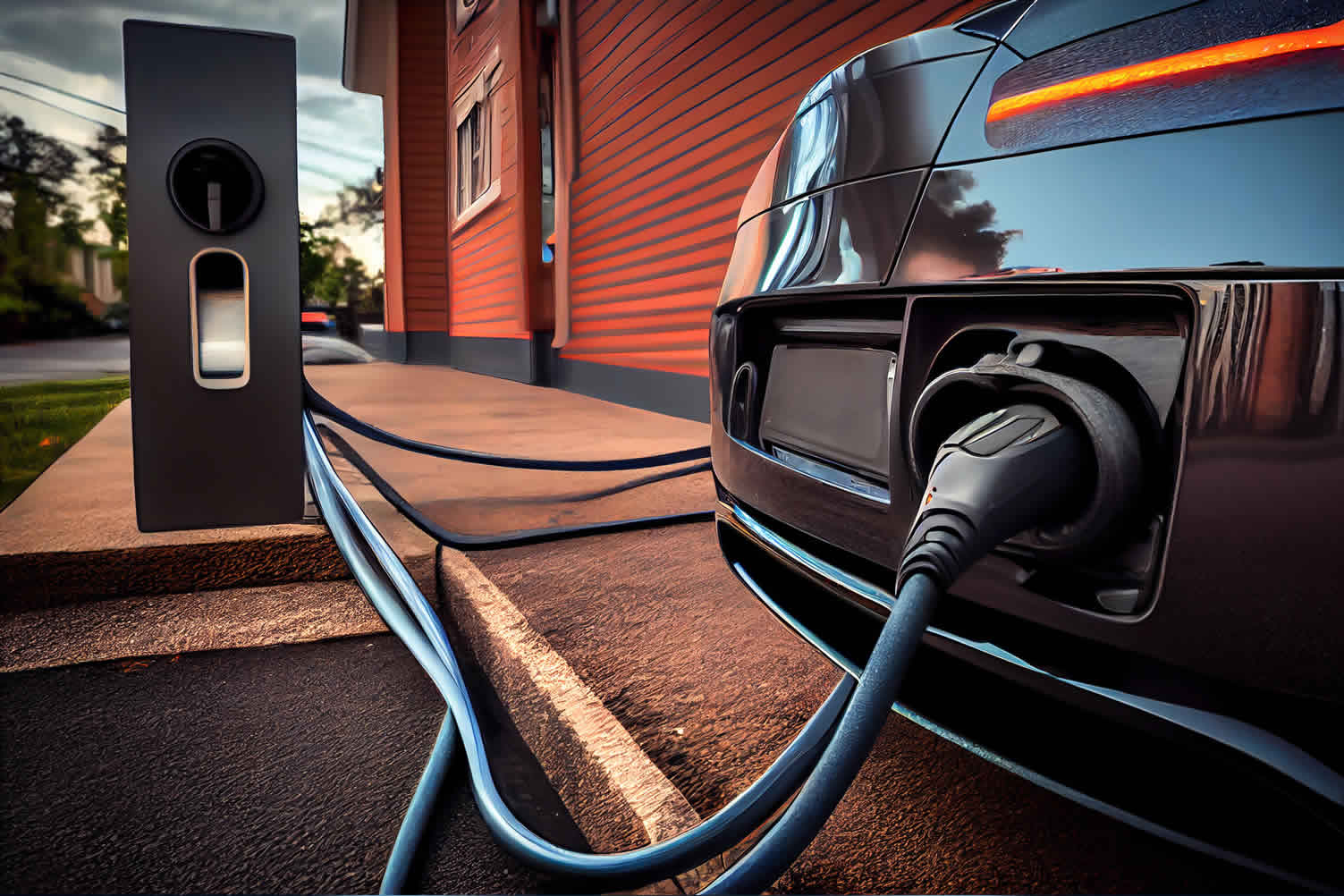
1st: Understanding Costs of Installation
Installing an EV charger at home can be a significant investment, but understanding the associated costs can help you make an informed decision that suits your budget and charging needs.
The overall cost of installation will primarily depend on the type of charger you choose—Level 1 or Level 2—and other factors such as labor and potential upgrades to your home’s electrical system.
Let’s break down these costs to give you a clearer picture of what to expect.
-
Level 1 Chargers
Level 1 chargers are the most basic and cost-effective option for EV charging. They typically come with the vehicle and require a standard 120-volt household outlet.
The primary costs associated with Level 1 chargers are relatively low, as they often do not require significant installation work or upgrades to your home’s electrical system.
However, it’s important to note that while Level 1 charging setups are inexpensive, they provide slower charging speeds, which may not be suitable for all EV owners.
Estimated Costs of Level 1 Chargers:
- Charger Equipment:
$0 (usually comes included with the electric vehicle). If not, estimated price range is $300-$600. - Installation:
$0-$100 (typically no additional installation is required if a suitable outlet is already available). However, up to $1,500 or more for complex setups. - Permits and Inspection:
Typically not required for Level 1 chargers - Operational Costs:
Varies based on electricity rates and usage patterns
- Charger Equipment:
-
Level 2 Chargers
Level 2 chargers offer faster charging speeds, operating at a 240-volt outlet, and are ideal for cutting down charge times significantly.
The cost of installing a Level 2 charger is generally higher due to the need for specialized equipment and the potential necessity of upgrading your electrical panel to accommodate the increased power load.
Additionally, hiring a professional electrician is essential to ensure proper installation and compliance with local electrical codes. While the initial cost might be higher than a Level 1 charger, many EV owners find the convenience of faster charging to be worth the investment.
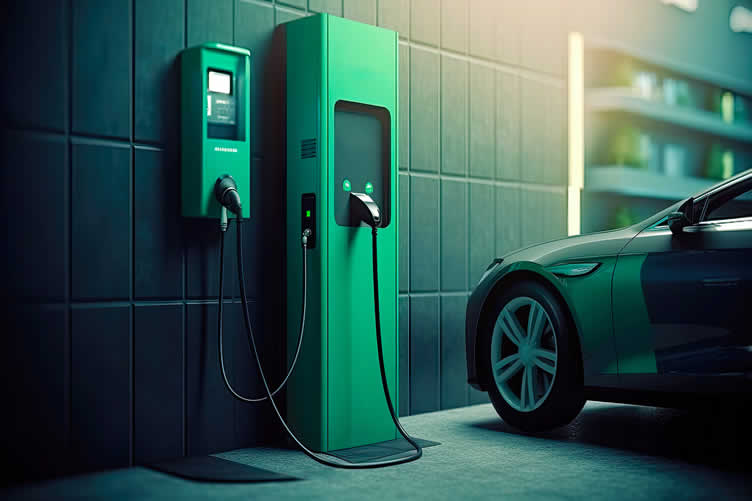
Estimated Cost for Level 2 Chargers
- Charger Unit:
The cost of the Level 2 charger unit itself typically ranges from $300 to $700, depending on the brand, model, and features. More advanced smart charger range from $700-$1,800. - Electrical Installation:
Professional installation can range from $400 to $1,200. Costs vary based on the complexity of installation and any required electrical upgrades. - Potential Electrical Panel Upgrade:
If an upgrade is necessary, this can add an additional $500 to $2,000 to the total cost, contingent on the current capacity of your home’s electrical system. - Permit Fees:
Depending on your local regulations, permit fees may apply and can cost between $50 to $200. - Total Estimated Cost:
On average, the complete setup for a Level 2 charger, including all associated costs, can range from $1,250 to $4,100.
- Charger Unit:
-
Other Cost Considerations
Beyond the basic installation of the charger itself, there are several other cost factors to consider. For outdoor installations, weatherproofing and additional protective setups may incur additional expenses.
Local permits and inspections might also add to the total cost. Furthermore, future-proofing your installation by accounting for possible technological upgrades or additional EV purchases may involve extra upfront investment but can save money in the long term.
Understanding these various elements will help you plan and budget effectively for your EV charger installation.
copyright image by 123rf.com
[ view diagram: home EV installation costs ]
[ youtube: cost to install an EV charger ]
-
-
2nd: Additional Considerations for Level 2 Charge Station
When planning to install a Level 2 charge station, it’s important to consider several key components that can influence both the efficiency and the cost-effectiveness of your setup.
Ensuring that your charging station meets your specific needs and fits your lifestyle can lead to long-term savings and improved functionality.
Below are some factors you must address to make an informed decision.
-
Amperage
The amperage of a Level 2 charger determines the speed at which your electric vehicle (EV) can be recharged. Higher amperage chargers can provide a faster charge, reducing downtime for your EV.
However, they may require a more robust electrical system and can be more costly to install. It’s crucial to balance the amperage with your current and future driving habits, as well as your home’s electrical capacity.
-
Cable Length
Cable length is a crucial consideration that impacts the practicality of your charging setup. A longer cable provides greater flexibility in terms of where you can park your vehicle while it charges, which is particularly useful if you have a larger garage or need to charge multiple EVs.
However, longer cables can also be cumbersome and more expensive. It’s important to choose an optimal length that suits your driveway or garage layout without causing unnecessary clutter.
-
Smart Features
Incorporating smart features into your Level 2 charging station can significantly enhance its functionality and convenience. Smart chargers can offer benefits like scheduling charging times to take advantage of lower electricity rates or monitoring charging sessions via a mobile app.
These features can lead to substantial energy savings and provide greater control over your charging process, but typically come at an additional cost.
-
Plug-in vs. Hardwired
Deciding between a plug-in or hardwired station is a significant decision that affects both installation and future flexibility. A plug-in charger offers easier installation and the ability to relocate the unit if necessary, providing flexibility if you move.
Conversely, a hardwired (pedestal) installation provides a more permanent solution and often a cleaner aesthetic but can be more expensive and complex to set up.
-
Other
Other considerations include potential upgrades to your charging equipment for compatibility with newer EV models, or integrating renewable energy sources like solar power to offset electricity costs.
Additionally, aesthetics and integration into your home’s design might influence your choice, especially for outdoor installations. Planning with these factors in mind ensures a more tailored and future-proof charging solution.
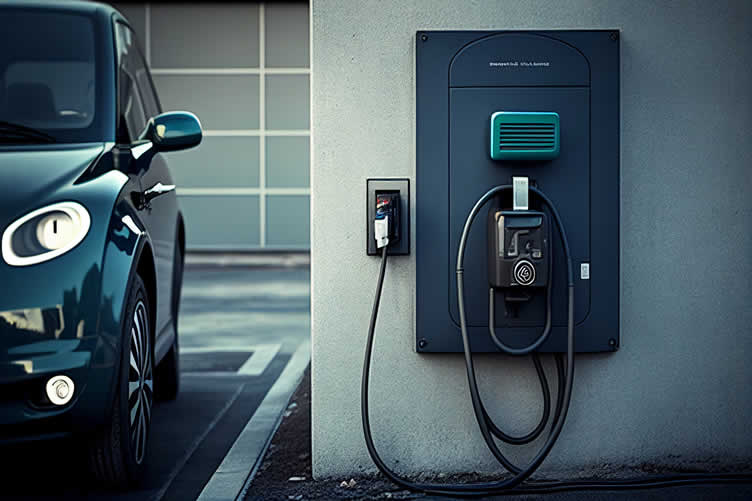
copyright image by 123rf.com
[ view diagram: volts, amps, and watts explained ]
[ images: how many amps need home EV charging ]
-
-
3rd: Government Incentives and Rebates
As electric vehicles (EVs) gain popularity, governments are actively encouraging their adoption through various incentives and rebates. These programs aim to reduce the upfront costs of purchasing and installing Level 2 charging stations, thus making EV ownership more accessible and affordable.
Understanding the available incentives can significantly lower your installation costs and make the transition to an electric vehicle smoother.
-
Federal Tax Incentives
At the federal level, there are tax credits available for both purchasing an electric vehicle and installing a home charging station. These credits can take a substantial chunk off your tax liability.
The IRS offers a tax credit for some EV purchases, which can amount to several thousand dollars, and others for a percentage of the cost of installing a charging unit, up to a specified limit.
-
State and Local Rebates
Many state and local governments provide additional rebates and incentives to further reduce the cost of EV infrastructure. These can vary widely depending on location, with some states offering direct rebates on charging station purchases or installation costs.
Local utility companies might also offer programs that provide rebates or special rates for residential charging to encourage energy-efficient practices.
-
Utility Company Programs
Utility companies often have specific programs designed to promote the use of electric vehicles and ease the financial burden of setting up a home charging station. These may include discounted rates for electric usage during off-peak hours, which is when charging typically takes place.
Some utilities even offer rebates for the initial purchase of the EV charging equipment, reducing initial expenses further.
By exploring these financial incentives and rebates, you can make a more economically sound choice when joining the electric mobility revolution, all while contributing to a greener and more sustainable environment.
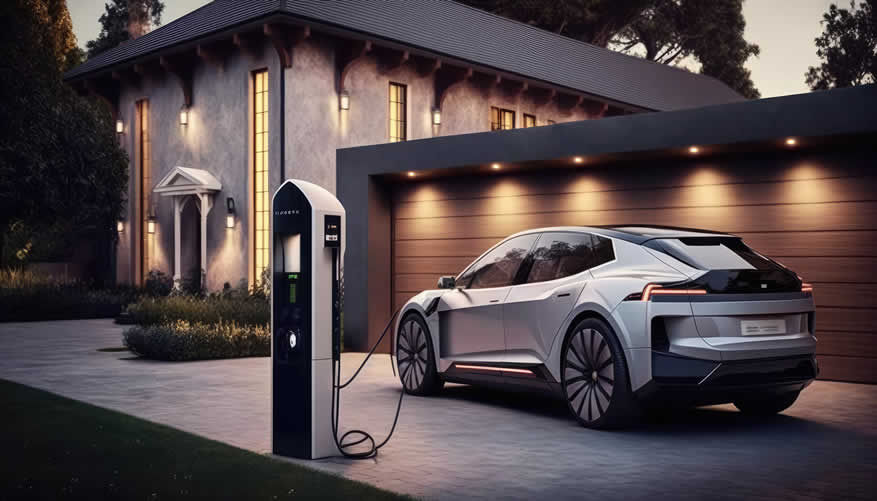
copyright image by 123rf.com
-
-
-
ideas to view and compare from the information discussed above
Scroll up to directory … or scroll to next section about home EV charging station …
SHARE IT ..! You might have someone in your social network who could find this informative post home EV charging station valuable. Feel free to share it on Facebook, X (formally Twitter), LinkedIn, or Pinterest!



plan the specifications you need for making …

… garage EV stations and remodeling decisions


fourth “photo remodeling” idea
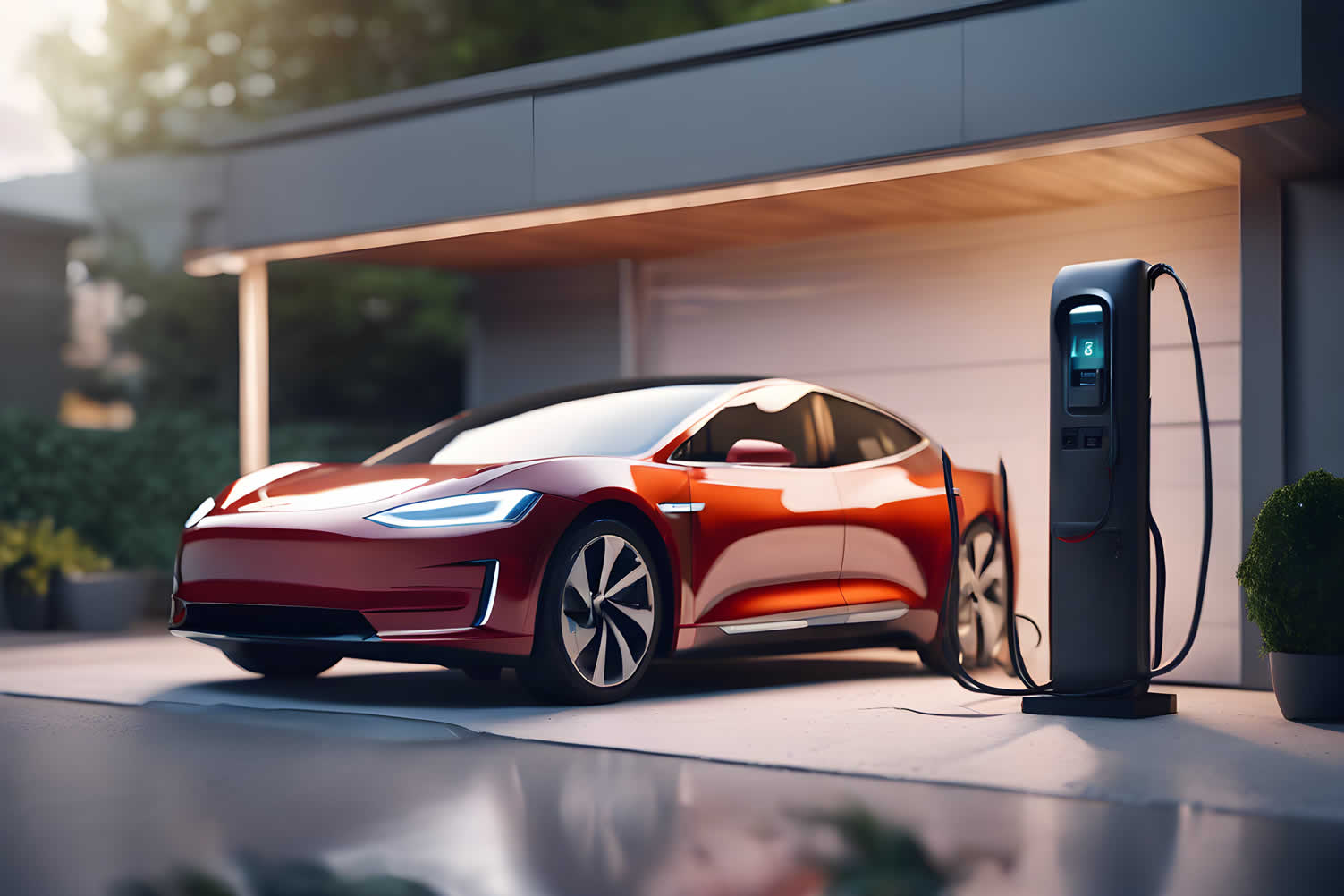
AI generated image by 123rf.com
EV Station Tip 4: Benefits of Having a Home EV Charging Station
Notes:
-
Installing an EV charging station at home presents numerous advantages, making the transition to electric vehicles even more enticing.
First and foremost is convenience; having a personal charging station means you can charge your vehicle overnight or whenever it’s most convenient for your schedule, eliminating the need for frequent trips to public charging stations.
This access to home charging also translates to significant cost savings, as off-peak electricity rates can reduce overall charging expenses.
-
Impact on Daily Life
A home EV charger can transform daily routines by eliminating frequent stops at public charging stations. It allows for setting personalized charging schedules through smart apps that many modern chargers offer, optimizing energy use based on personal habits and preferences.
Additionally, waking up every morning to a fully charged vehicle provides peace of mind and readiness for unexpected trips without the worry of range anxiety.
-
Environmental Benefits
Beyond personal convenience and cost savings, investing in a home EV charger contributes positively to broader environmental goals. Charging an electric vehicle at home often means using cleaner energy sources compared to some public stations that may rely on fossil fuels.
By maximizing renewable energy usage through scheduled charging during peak solar or wind production times if applicable, there’s potential for further reducing carbon footprints.
-
Resale Value Enhancement
For homeowners considering future resale value, having a dedicated EV charging infrastructure can make properties more appealing to prospective buyers who own electric vehicles or plan to transition away from conventional gasoline-powered cars.
As EV adoption continues to grow globally, homes equipped with modern amenities like EV chargers could command higher market interest.
-
-
Quick scroll to “energy independence” side notes …
-
-
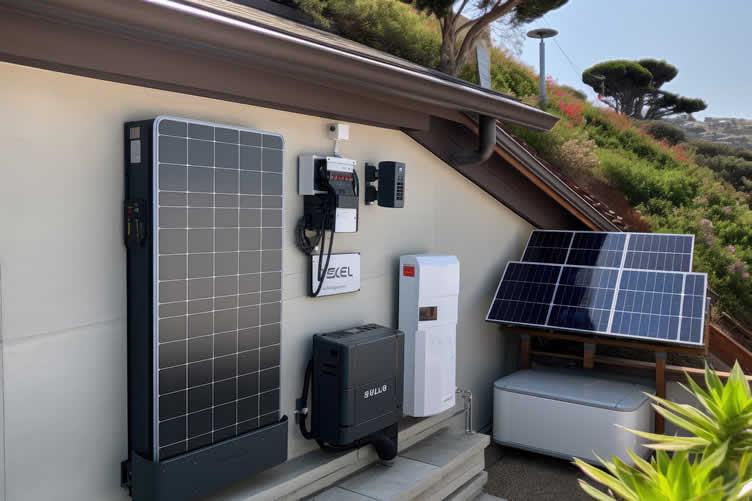
1st: Solar Panel Installation For Energy Independence
Installing solar panels on your roof or on other outdoor spaces can further enhance the economic and environmental benefits of home EV charging.
By generating your own clean energy, you can significantly reduce both EV charging costs and overall home energy expenses, paving the way to greater independence in your lifestyle.
Solar panels convert sunlight into electricity, which can be used to power your home and charge your electric vehicle, thus reducing reliance on the grid and fossil fuels.
In many cases, the surplus energy generated can be stored in home battery systems or fed back into the grid, further optimizing energy efficiency and cost-effectiveness.
This self-sufficiency not only leads to savings but also empowers homeowners to actively contribute to sustainable living practices, aligning personal finance and environmental responsibility seamlessly.
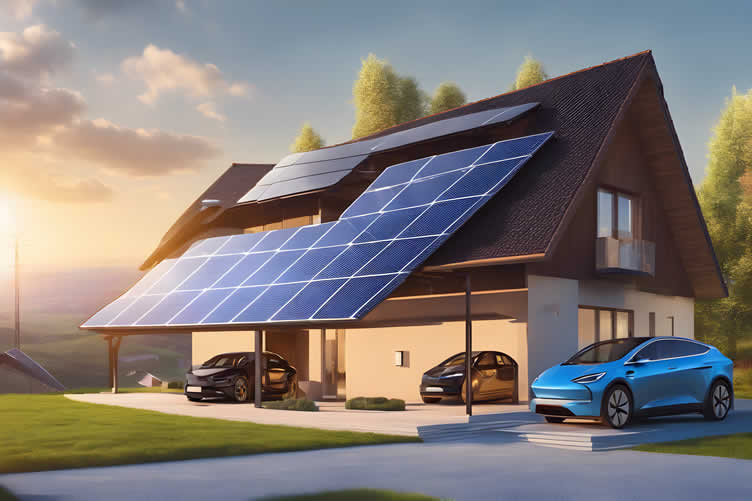
AI generated image by 123rf.com
-
2nd: Installing an EV Station with a Storage Battery
Integrating an EV charging station with a storage battery system allows homeowners to maximize the benefits of solar power for automotive charging.
By installing a storage battery, electricity generated during peak sunlight hours can be stored and later used to charge electric vehicles, even during the night or on overcast days.
This setup not only provides flexibility and convenience but also ensures a steady supply of clean energy, particularly in areas where the grid may be less reliable.
Moreover, a storage battery optimizes the consumption of solar power by storing excess energy that might not be immediately required by the home. This stored energy can be utilized to stabilize energy use and reduce dependency on the grid, offering a cost-effective solution to manage energy needs.
The combination of an EV charging station with a robust storage battery supports a sustainable lifestyle by minimizing energy waste, lowering electricity costs, and enhancing overall energy independence.
copyright image by 123rf.com
[ youtube: how much cost to charge an EV at home? ]
[ amazon: solar powered EV charging systems ]
-
-
ideas to view and compare from the information discussed above
solar powered EV chargerauto roof mount solar panelportable solar panel
Scroll up to directory … or scroll to next section about home EV charging station …

Budgeting Worksheet For Costing Home Remodeling and Home Improvement Decisions
 File Type (excel)
Find Electrical Services Electricians Lighting Design Fans Generators Electronics Home Security top-rated, pre-screened local contractors FREE: download contractor selection enter zip code – powered by HomeAdvisor ™
Quick Contractor Guides selecting negotiating working with inspecting

fifth and last “photo remodeling” idea

copyright image by 123rf.com
EV Station Tip 5: Step-by-Step Guide to Installing an EV Charger
Notes:
-
Installing an EV charger involves several steps. Start by researching and obtaining the necessary permits. Once you have the green light, hire a qualified electrician to assess your setup and make any required electrical upgrades.
Next, choose the charger that best meets your needs. Consider factors like charging speed, cost, and features. Once selected, your electrician will handle the installation, ensuring it’s done safely and correctly.
Finally, test your new charger with your EV to ensure everything is working properly. Familiarize yourself with the charging process and any features your charger offers. With everything set up, you’re ready to enjoy the convenience of home charging.
-
Quirk scroll to topi side notes …
-
-
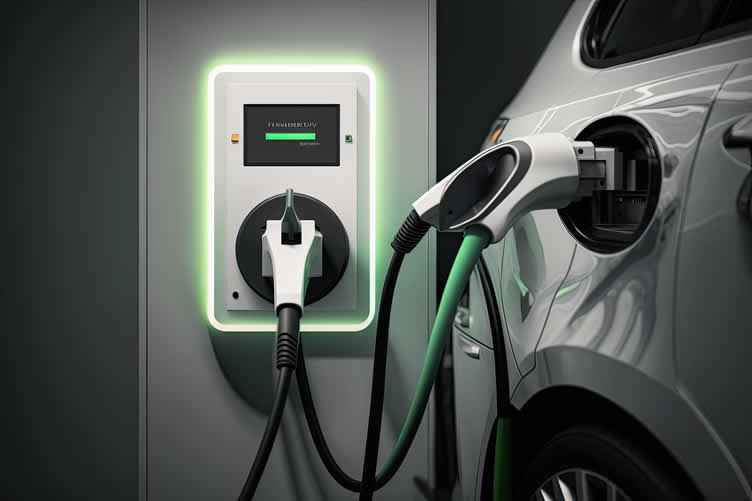
1st: Exploring EV Charging Stations: Brands and Options
Selecting the right Level 2 EV charging station involves considering various brands and models that cater to different requirements and budgets.
Level 2 chargers are ideal for home and small commercial settings, offering faster charging compared to standard Level 1 options. These chargers typically provide a full charge within a few hours, making them a convenient choice for daily EV users.
Below, we explore some of the leading brands and their distinctive offerings.
-
ChargePoint Home Flex
ChargePoint’s Home Flex is a versatile Level 2 charging station designed for both indoor and outdoor use. It offers amp flexibility, allowing it to be adjusted between 16 and 50 amps to suit different electrical capacities.
The Home Flex is Wi-Fi enabled, supporting smart-device integration for remote monitoring and scheduling, which optimizes energy use and lowers costs. It is priced around $700, with additional installation fees depending on electrical setup specifics.
[ view EV site: chargepoint ]
-
JuiceBox 40
The JuiceBox 40, from Enel X, stands out for its robust, intelligent features paired with eco-friendly manufacturing. It provides a 40-amp charging rate, which is compatible with most residential circuits.
This model includes smart grid features, allowing users to schedule charging based on utility pricing to save on electricity costs. Retailing for approximately $600, it requires professional installation for optimal performance and safety.
[ view amazon: juicebox ]
-
Tesla Wall Connector
The Tesla Wall Connector is a premium Level 2 charging solution specifically designed for Tesla vehicles. It offers up to 44 miles of range per hour of charge, making it an efficient choice for Tesla owners.
The Wall Connector can be installed both indoors and outdoors and supports multiple power settings, accommodating a variety of electrical setups. With a sleek, compact design, it complements any environment while also being highly reliable.
Priced around $500, the Tesla Wall Connector requires a certified electrician for installation to ensure safety and optimal performance.
[ view EV site: tesla home charging ]
-
Blink Home Charging Station
The Blink Home Charging Station provides a versatile charging solution for electric vehicles, with a 30-amp charging capacity that suits a wide range of EV models.
This station is noted for its ease of use, featuring a user-friendly interface and straightforward installation process. It is also Wi-Fi enabled, allowing for seamless integration with Blink’s mobile application, which offers real-time monitoring and customizable charging schedules.
Priced at approximately $480, the Blink station combines affordability with smart features, making it an attractive option for budget-conscious EV owners. Installation by a professional is recommended to ensure safe and optimal performance.
[ view EV site: blink charging ]
-
Emporia Smart Home EV Charger
The Emporia Smart Home EV Charger provides a smart and efficient Level 2 charging solution, delivering up to 48 amps of power. This advanced charger is compatible with any EV model, making it highly versatile.
It is equipped with Wi-Fi connectivity, enabling real-time monitoring and scheduling through the user-friendly Emporia app. The app also offers insights into energy usage, helping users optimize their charging schedules and control costs.
Typically priced around $399, the Emporia charger is both cost-effective and feature-rich. It is recommended to have a professional electrician handle the installation for maximum efficiency and safety.
[ view EV site: emporia energy ]
-
Siemens VersiCharge
Siemens offers the VersiCharge Level 2 EV charger series, known for its budget-friendly prices and reliable performance. With a variety of mounting options and a user-friendly interface, it delivers 30-amp charging suited for various EV models.
Its straightforward installation process makes it one of the more cost-effective options, with units starting at about $500, plus an estimated $200-$500 for installation.
[ view amazon: siemens versicharge ]
-
Other Top Brands
These brands are recognized for their quality, reliability, and innovative features in the growing market of home EV charging solutions.
- Electrify Home:
Offers the *HomeStation*, which provides charging at up to 40 amps and includes a well-designed app for monitoring and updates. - Wallbox:
The *Wallbox Pulsar Plus* is compact, smart, and offers up to 48 amps of charging power, suitable for home installations. - Grizzl-E:
Known for its robust design, the *Grizzl-E Smart* charger is rated at 40 amps and is ideal for outdoor use due to its durable construction. - Autel The *MaxiCharger Lite*:
offers both 40-amp and 50-amp options, featuring smart technology and a user-friendly app for monitoring. - Leviton:
Provides reliable home chargers with options for both smart and basic models, focusing on practicality and ease of use. - EVIQO:
Offers the *EVPower 48*, a competitive charger priced under $400, known for its sturdy design and good performance.
- Electrify Home:
copyright image by 123rf.com
[ view images: EV charger ratings]
[ youtube: best EV chargers of 2024 ]
[ youtube: electric vehicle chargers explained ]
-
-
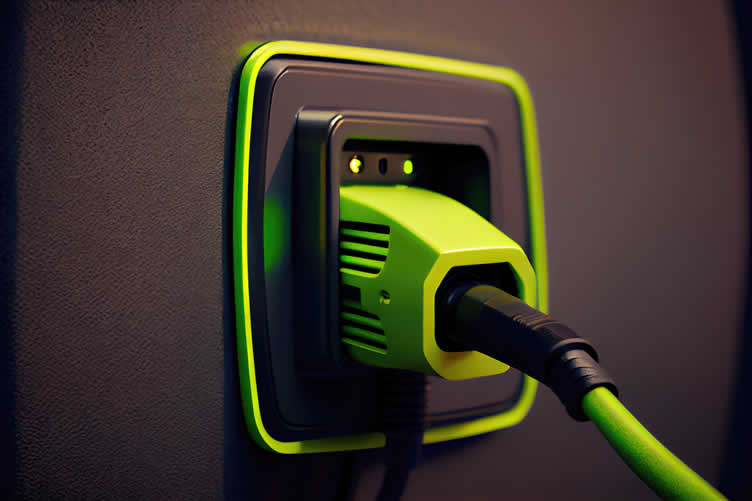
2nd: Installing a Level 2 Home EV Charging Station
Installing a Level 2 home EV charging station is a practical step toward embracing an electric vehicle lifestyle. These chargers significantly reduce the charging time compared to Level 1 chargers, making them a preferred choice for many EV owners.
The installation process involves several steps to ensure safety, efficiency, and compliance with local electrical codes. Below, we outline the essential steps to guide you through the installation process.
-
Step 1: Assess Electrical Capacity and Requirements
Before beginning the installation, evaluate your home’s electrical system to determine if it can support the additional load from a Level 2 EV charger.
This step often requires consulting a licensed electrician to assess your service panel’s capacity and identify any necessary upgrades. Ensuring your home can handle the increased amperage is crucial for safety and optimal charging performance.
-
Step 2: Choose the Right Location
Selecting the ideal location for your EV charger within your garage or driveway is critical. Consider factors such as proximity to your regular parking spot, accessibility, and environmental protection.
The location should offer convenient access to your vehicle while safeguarding the charger from potential damage due to weather or accidental impact. Ensure that the mounting surface is sturdy enough to support the charger unit.
-
Step 3: Installation and Wiring
With your charger location determined and electrical evaluation complete, proceed to wire and install the charger. This step involves running the necessary wiring from your service panel to the charger location, which should be performed by a professional electrician.
Correct wiring is crucial to ensure the charger operates safely and efficiently. Once the wiring is in place, mount the charging station securely and test the connections.
-
Step 4: Final Configuration and Testing
After installation, configure the charging settings according to manufacturer instructions, which may include connecting to a home Wi-Fi network if the charger supports smart functions. Testing the system ensures everything is functioning correctly and efficiently.
A professional electrician can help verify the successful installation and answer any questions regarding setup and usage, ensuring you are ready to start charging your EV at home.
copyright image by 123rf.com
[ youtube: level 2 charger home installation explained ]
[ youtube: installing a hardwire EV charger myself ]
-
-
3rd: Finding an Electrician for EV Charger Installation
Selecting the right electrician is essential for the safe and efficient installation of your home EV charging station.
Begin by seeking recommendations from friends or family members who have had similar installations. Look for qualified professionals with specific experience in EV charger installation, as they will be familiar with the particular requirements and codes.
Verify their credentials, including state licenses and insurance, to ensure compliance with local regulations. Additionally, obtain multiple quotes to compare prices and services offered.
An experienced electrician can also provide valuable advice on optimal placement and potential upgrades to your electrical system, ensuring a seamless integration of your new charging station.
LetsRenovate has partnered with HomeAdvisor™, a renowned provider of highly-rated, carefully-vetted local electricians. Start your search here by entering your zip code to find top-wiring professionals.
copyright image by 123rf.com
But Wait!
Before starting your search and evaluation of electrical-wiring contractors, it is highly recommended to download and use this evaluation worksheet.
This resource will help you objectively rank and assess potential electricians, considering essential factors such as pricing, licensing, and referral information.

Evaluation Sheet
File Type: -
4th: Maintaining and Ensuring Safety of Your EV Charger
Proper maintenance and safety measures are vital for the efficient operation and longevity of your EV charging system. Regular upkeep is not only essential for sustaining optimal performance but also crucial for preventing potential hazards.
This guide will explore key areas of maintenance and safety considerations to keep your EV charger in top condition.
-
Regular Inspection and Level 1 Maintenance
Routine inspections help identify any wear and tear or damage to your charging equipment. Level 1 maintenance involves checking the power cables, connectors, and the overall physical condition of the charger.
Ensure that there are no exposed wires or visible signs of damage, such as cracks or corrosion. Regularly cleaning the charger and its components using a dry cloth can prevent dust and debris accumulation, which could affect the charger’s efficiency.
-
Level 2 Maintenance and Advanced Safety Checks
For Level 2 chargers, more comprehensive maintenance is required due to the higher power levels these units handle. Understanding the safety features of your charger is crucial.
Many chargers come equipped with built-in safety mechanisms to prevent issues like overheating. Familiarize yourself with these features and follow manufacturer guidelines for use.
Inspect the charging station’s electrical connections and circuit integrity periodically. Use a qualified technician to conduct advanced diagnostic tests to confirm that the charger’s internal systems are functioning optimally.
Verifying the charger’s firmware is up-to-date can also enhance safety, as updates often include critical security patches and performance improvements.
-
Cost Considerations of Safety Upgrades
While maintenance ensures the immediate safety and function of your charger, planning for future safety upgrades is also wise. Consider potential costs associated with installing surge protection devices or upgrading to chargers with smarter safety and monitoring features.
These enhancements can mitigate the risks associated with power fluctuations and enable remote diagnostics, thereby reducing downtime and potential repair costs.
Balancing these additional expenses against the long-term safety and reliability benefits is an essential part of managing your EV charger’s lifecycle effectively.
Scheduling periodic professional inspections can also be beneficial. An electrician can identify and address potential issues before they become problematic.
Regular maintenance not only extends the life of your charger but also ensures the safety of your home and vehicle.
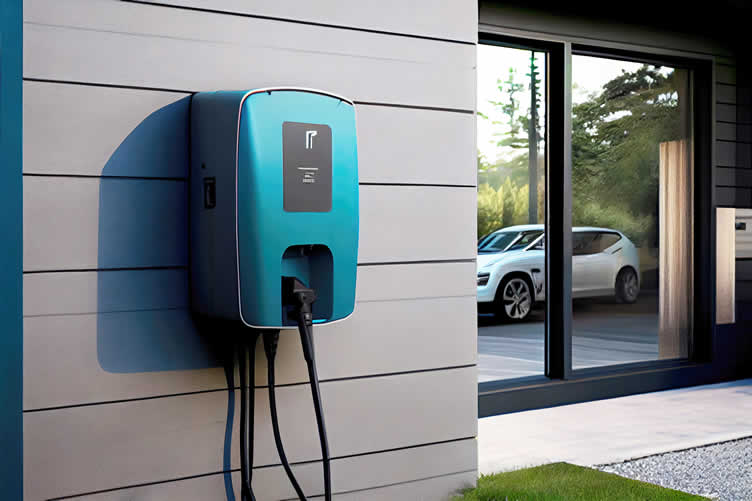
copyright image by 123rf.com
[ youtube: home charging installation risks and advice ]
[ amazon: how to solve home charging problems ]
-
-
-
Conclusion
The shift towards electric vehicles is transforming transportation. Home charging infrastructure plays a pivotal role in this transition. By installing an EV charger, you’re contributing to a more sustainable future and enjoying the convenience of at-home fueling.
Investing in home charging is an investment in both convenience and sustainability. It reduces reliance on fossil fuels and helps lower your carbon footprint. Whether you’re a seasoned EV owner or new to electric vehicles, a home charger is a valuable addition to your driveway.
-
ideas to view and compare from the information discussed above
240 volt outletelectricians tools kitev charger security lock
- Have you recently installed an EV charger at home? We’d love to hear about your experience and any tips you might have for others. Your insights could help fellow EV owners make their charging decisions.
Scroll up to directory … or scroll to more home remodeling-related topics …
view illustration “becoming a bank”



Calendar For:
Home Maintenance
File Type:

get the size dimensions for any home remodeling project …
… for functionality, aesthetics, and adhering to building codes


… view our sharing links below for a quick "share the knowledge"
Cover image credit: home EV charging station by 123rf.com
end of post … please share it!
 |
did you find how simple renovations can home EV charging station analysis helpful? If so, please share the article with your friends and family! |
Nice pic idea? Leave us a quick comment below.
And please share this pic idea within your social networks.