Summary Outline –
Professional plumbers offer a full suite of residential plumbing services to tackle jobs both minor and complex. For everyday annoyances like clogged fixtures or leaky faucets, they swiftly dispatch experienced technicians to diagnose and address the root issue.
Clients enjoy the convenience of prompt service without feeling rushed. Companies that operate exclusively on quantity of calls daily typically lack such personal care.
Summary of Site Content
1st Plumbing Tip: [view Plumbing Tip]
… we begin our analysis by examining the plumbing industry and the knowledge plumbers acquire during their education to become experts in this field.
2nd Plumbing Tip: [view Plumbing Tip]
… the second Plumbing Tip discusses the revolutionary advancements in plumbing technology, specifically focusing on the detection of leaks and other plumbing issues.
3rd Plumbing Tip: [view Plumbing Tip]
… next, let’s explore the third Plumbing Tip, which focuses on the importance of plumbing maintenance and the advancements in plumbing techniques.
4th Plumbing Tip: [view Plumbing Tip]
… the fourth Plumbing Tip explores the future of plumbing, where smart technologies in piping, water connections, automatic leak repairs, and water conservation.
5th Plumbing Tip: [view Plumbing Tip]
… the fifth and final Plumbing Tip is to carefully select a plumber who stays current with the latest plumbing advancements, technology, and practices for water conservation and usage.
For more involved plumbing undertakings, like a complete bathroom overhaul or basement wet bar installation, Professional plumbers encourage homeowners to schedule consultations to discuss visions, assess priorities, and align on technical recommendations.
Clients appreciate the collaborative process and expertise. And they value working with a unified team across the entire project lifespan rather than attempting to coordinate various isolated contractors. Simply put, professional plumbers serve as a trusted plumbing advisor beyond just being excellent tradesmen.

-
Quick scroll to first topic about home renovation with plumbing expertise …

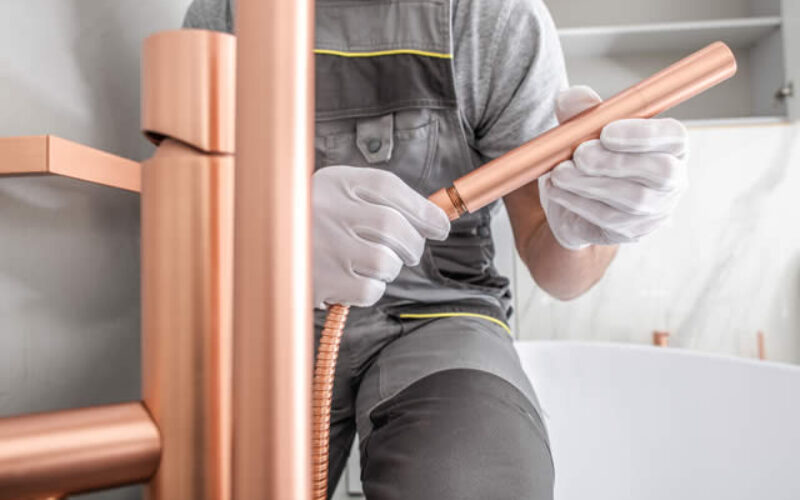
first “home renovation with plumbing expertise” idea
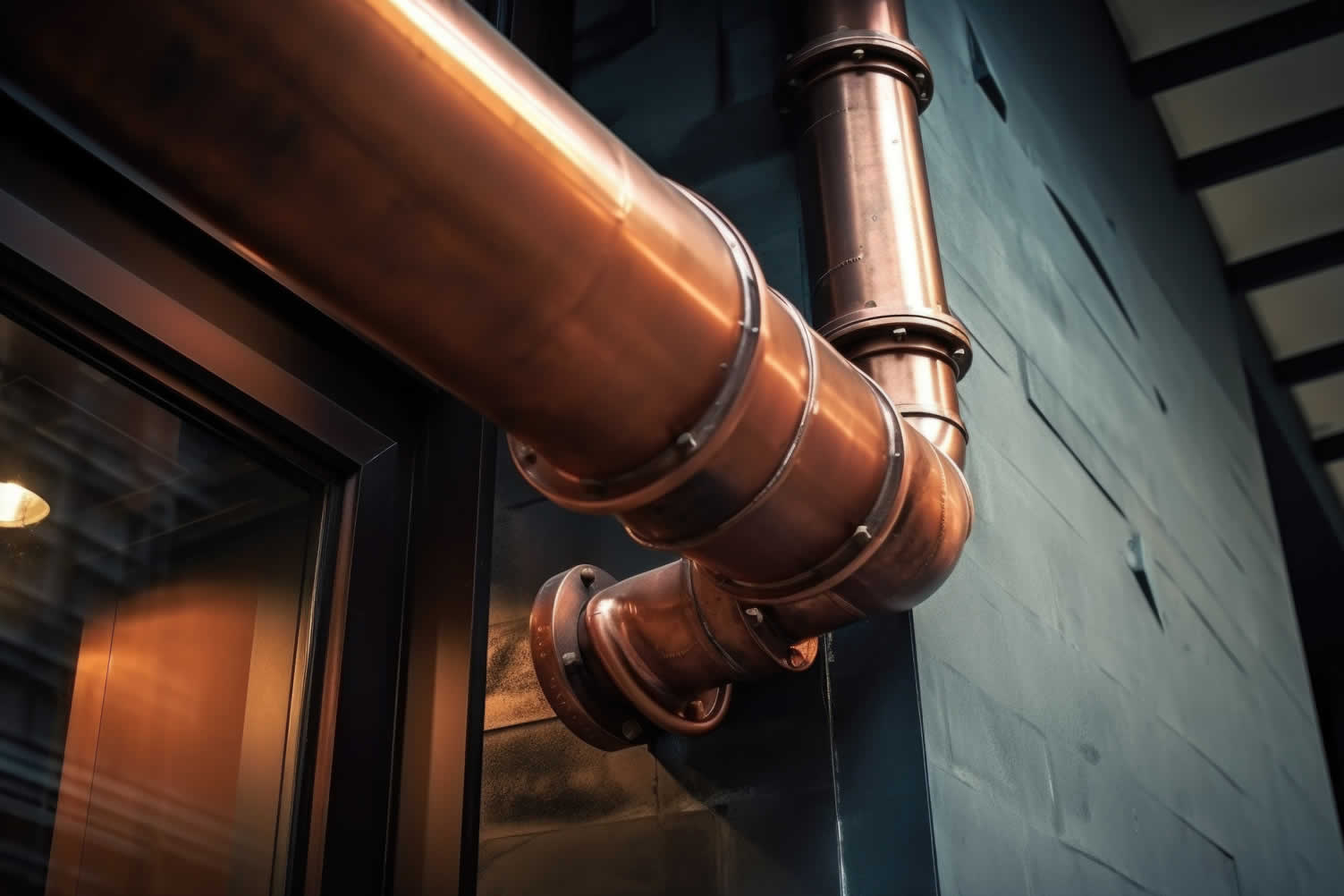

copyright image by 123rf.com
Plumbing Tip 1: The Home Plumbing Industry and Services
Notes:
-
The home plumbing industry is a vital part of the construction and maintenance ecosystem, dedicated to ensuring the proper functioning of water supply and waste disposal systems in residential buildings.
This industry is marked by a broad range of expertise and services that help to enhance the quality of life and safeguard public health and the environment. Common services offered by the home plumbing industry include:
- Inspection and Diagnostics:
Every good plumbing job starts with an accurate diagnosis. Plumbers visit homes to inspect and diagnose any potential or existing plumbing issues, using advanced tools and equipment. - Installation Services:
This encompasses the installation of new pipes, fixtures, appliances, and entire plumbing systems in newly constructed or renovated homes. - Repair and Maintenance:
Plumbers provide crucial repair services, fixing leaks, unclogging drains, repairing or replacing broken fixtures, and more. Regular maintenance services are also offered to prevent issues and prolong the life of the system. - Emergency Services:
Many home plumbing services offer emergency response for critical issues that could cause significant damage, like burst pipes or sewer backups. - Plumbing System Upgrades:
For households looking to improve water efficiency or adopt modern fixtures, plumbers provide upgrade services. This could include installing low-flow toilets, high-efficiency showerheads, or tankless water heaters. - Water and Sewer Line Services:
This involves installing, repairing, or replacing the main water and sewer lines connecting the home to the municipal system.
These services, combined with the knowledge and skills acquired from plumbing school, help plumbers to deliver top-notch services, ensuring homes remain safe, comfortable, and functional.
- Inspection and Diagnostics:
-
Quick scroll to “what plumbers learn in school” side notes …
-
-
1st: Learning The Trade
Choosing a career in plumbing not only offers a stable and well-paying job but also presents the opportunity to enhance the comfort and safety of homes. Embarking on this journey begins by attending a trade school, where aspiring plumbers gain an in-depth understanding of the industry.
Trade schools provide comprehensive training, covering topics such as reading blueprints, understanding plumbing codes, installing and repairing plumbing systems, and learning about different types of pipes and fittings.
A key aspect of trade school curriculum is hands-on practice, allowing students to apply their theoretical knowledge in practical, real-world settings. This could involve working on plumbing systems in simulated housing setups, or on-site training in actual residential or commercial properties.
Moreover, trade schools focus on developing problem-solving skills, critical for diagnosing and rectifying plumbing issues. Through practical exercises and case studies, students learn how to troubleshoot different scenarios, from a simple leaky faucet to complex sewer line problems.
Graduates from plumbing trade schools are equipped with the aptitude and competence to provide exceptional home plumbing services, carrying out inspections, installations, repairs, and maintenance with precision and professionalism.
This solid foundation of knowledge and skills sets them apart in the home renovation industry, making them invaluable assets to homeowners seeking to reinvent their living spaces.
[ view youtube: is trade school beneficial? ]
[ youtube: let me teach about plumbing]

-
2nd: Types of Plumbing Systems
There are two primary types of plumbing systems in homes: potable water supply system and waste water system.
The potable water supply system is responsible for delivering clean, drinkable water to the home via a network of pipes and valves. This network is connected to the municipal water supply or a private well, and it services all the faucets, showers, toilets, and appliances which require water in your home.
Conversely, the waste water system, as previously mentioned, is responsible for safely disposing of waste water. By understanding these two systems, what plumbers know extends to ensuring the uninterrupted provision of clean water and safe waste disposal in residences.
Furthermore, the knowledge acquired in plumbing school equips them with the skills to install, maintain, and repair these systems, offering top-tier home plumbing services to homeowners.
-
Understanding Water Intake
In any home, the journey of water from the source to your tap is a fascinating process underlined by the efficiency of plumbing systems. The water intake supply, a critical aspect of home renovation, hinges on a well-designed and robust plumbing system.
Initially, water is derived from a local water treatment plant or a well, depending on your location. From there, it navigates through a series of large pipes and pumping stations maintained by your local water provider. The water then reaches your home via a service line, generally made of copper or plastic, connecting the main water line in the street to your house.
Upon entering your home, the water supply splits into two main lines – one line for cold water that directly routes to your faucets, and another that leads to the water heater, supplying warm water to your home. Each step of this process is a testament to the marvel of modern plumbing and its role in home renovation.
-
Water Waste System
Just as essential as the water supply system, the water waste system in your home plays a crucial role in maintaining a sanitary environment.
Used water, or ‘wastewater’, is evacuated from your home via an interconnected network of waste pipes. These pipes carry wastewater from sinks, bathtubs, showers, washing machines, dishwashers, and toilets towards a larger sewer pipe that exits your home.
The water waste system is designed to rely on gravity, enabling wastewater to flow downwards into the municipal sewer system or a septic system if your home is in a rural location.
In the municipal system, the wastewater is transported to a sewage treatment plant where it undergoes multiple stages of cleaning before being discharged back into the environment, closing the cycle of water usage.

copyright image by 123rf.com
[ view youtube: how water towers work]
[ youtube: how do sewer systems work?]
-
-
3rd: Pipe Fitting
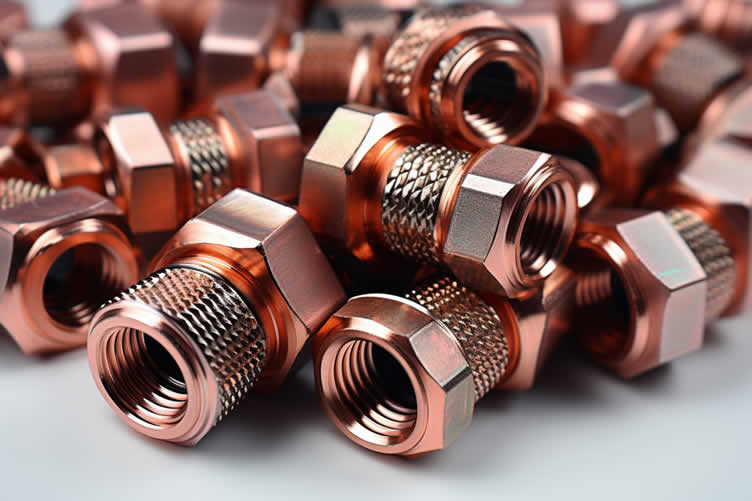
This technique involves the assembly, installation, and repair of piping systems. There are different types of pipe fittings used in home renovations such as elbows, tees, unions, and adapters, each with a unique purpose. These fittings are used to combine, divert, or reduce the flow of water.
Selection, application, and installation of the correct pipe fittings can significantly impact the efficacy of a plumbing system. The proper understanding and execution of pipe fitting can prevent leaks, water damage, and other potential complications, ensuring the longevity of the home’s plumbing infrastructure.
Here’s a closer look at some of the commonly used pipe fittings in plumbing:
- Elbow Pipe Fittings:
Used to change the direction of the flow between two pipes. - Tee Pipe Fittings:
These fittings have a T-shape, making them ideal for combining or splitting the flow of the substance in the pipe. - Cross Pipe Fittings:
Typically used for sprinkler systems, these fittings allow for one incoming and three outgoing, or vice versa. - Coupling Pipe Fittings:
Used to connect two pipes that have the same diameter. - Union Pipe Fittings:
Similar to a coupling, a union allows two pipes to be joined in a way that they can be easily disconnected later. - Adapter Pipe Fittings:
These fittings connect two dissimilar pipes. - Reducer Pipe Fittings:
They are used to connecting pipes of different diameters. - Cap Pipe Fittings:
Used to close off the end of a pipe. - Plug Pipe Fittings:
Similar to a cap, a plug is used to close off a pipe’s end, but it is fitted inside the pipe, not on the end.
copyright image by 123rf.com
[ youtube: pipe fittings and where to use]
[ youtube: how to identify PVC pipes and fittings]
- Elbow Pipe Fittings:
-
4th: Fixture Installation
This technique involves the assembly, installation, and repair of piping systems. There are different types of pipe fittings used in home renovations such as elbows, tees, unions, and adapters, each with a unique purpose. These fittings are used to combine, divert, or reduce the flow of water.
Selection, application, and installation of the correct pipe fittings can significantly impact the efficacy of a plumbing system. The proper understanding and execution of pipe fitting can prevent leaks, water damage, and other potential complications, ensuring the longevity of the home’s plumbing infrastructure.
[ youtube: how to install sinks, faucets and toilets!]
[ youtube: how to vent & plumb a toilet]
-
5th: Sewage and Septic Systems
Comprehensive knowledge about sewage and septic systems is a crucial component of a plumber’s education in plumbing school. These systems are responsible for the safe disposal of waste water in residential settings.
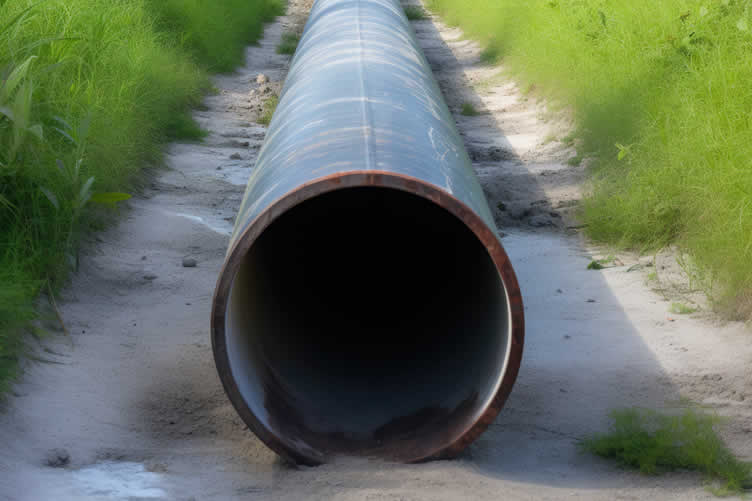
Sewage systems connect homes to municipal waste water treatment plants, while septic systems contain and treat waste water on the property itself.
Proper installation, maintenance, and repair of these systems are paramount for home health and sanitation. Trained professionals in home plumbing services are proficient in diagnosing issues, performing regular maintenance, and implementing repairs when necessary.
This ensures that your home’s waste disposal system operates efficiently and effectively, safeguarding the health of the residents and the environment.
copyright image by 123rf.com
[ youtube: how does a septic system work?]
[ youtube: how to clean out a clogged sewer pipe?]
-
6th: Troubleshooting and Repair
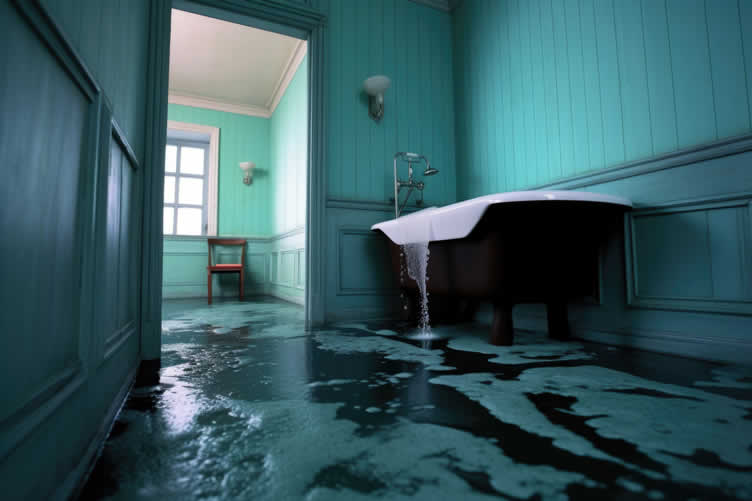
The ability to diagnose and fix issues is a significant part of what plumbers know, and this skill is honed in plumbing school. From minor issues like dripping faucets and clogged drains to major concerns like burst pipes and sewage system failures, professional plumbers have the expertise to identify and rectify a wide range of problems.
Their in-depth knowledge of the plumbing system allows them to accurately pinpoint the source of the issue, devise an effective solution, and carry out the necessary repairs. Their expertise extends not only to the immediate resolution of the problem, but also to the prevention of future issues.
By availing these professional home plumbing services, homeowners can ensure a well-maintained, efficient plumbing system, avoiding costly future repairs and ensuring the smooth operation of their homes.
copyright image by 123rf.com
[ youtube: most common plumbing problems]
[ youtube: how your home plumbing works?]
-
7th: Other Trade Skills
In addition to mastering the basics of pipe installation and repair, students in plumbing school acquire a wide array of trade skills. These skills are often specialized, setting plumbers apart from other home renovation specialists.
For instance, plumbers learn how to install and service gas lines, an area of expertise that requires stringent safety protocols and specialized equipment. They also receive training in water heater maintenance and installations, crucial in both residential and commercial settings.
Some of these additional skills include:
-
Soldering and Brazing:
They learn the essential techniques to effectively join metal pipes using solder or brazing materials. they master the art of creating strong and durable connections that withstand the test of time, ensuring reliable performance in various applications. Plumbers achieve the expertise needed to confidently tackle pipe joining projects with precision and efficiency.
-
Hydronic Heating Systems:
Plumbers acquire comprehensive knowledge about hydronic (or water-based) heating systems, which are widely employed in many modern homes for their exceptional efficiency and ability to provide uniform heating throughout the space.
These systems utilize water as a medium to transfer heat, ensuring optimal comfort and energy savings. By understanding the intricacies of hydronic heating systems, they can make informed decisions when it comes to selecting, operating, and maintaining these advanced heating solutions for your home.
-
Irrigation Systems:
Some plumber specialize in outdoor plumbing used for irrigation and other water features, where precision and efficiency intertwine. They understand the intricate process of installing and repairing sprinkler systems, ensuring that your landscapes flourish with vibrant greens and blooming flowers – plus what other outdoor water needs for outdoor kitchen, swimming pools, fountains, and other water features..
-
Gas Plumbing Systems:
Plumbers have the fundamental understanding of gas lines used for home heating and cooking, ensuring that proper safety protocols are followed during installation, maintenance, and repair.
This knowledge help them to confidently navigate the intricacies of gas line systems, identify potential issues, and take appropriate actions to ensure the safety and efficiency of your home.
-
Water Treatment Systems:
Plumbers have developed proficiency in installing, operating, and maintaining home water treatment systems to improve the quality of your water supply. By their understanding the intricacies of these systems and staying up-to-date with the latest advancements, you can ensure that your family has access to clean and safe water for drinking, cooking, and other daily activities.
copyright image by 123rf.com
-
-
8th: Additional Training
In trade school, plumbers acquire additional skills and knowledge, such as understanding local building codes, interpreting blueprints, and studying advanced pipe system design, which equip them to efficiently tackle a variety of home plumbing services and exceed customer expectations.
For example:
- Plumbing mathematics:
Perform calculations related to water pressure, flow rates, and pipe sizing. - Code compliance:
Understand and apply local and national plumbing codes to ensure safe and compliant installations. - Emerging technologies:
Some programs may introduce students to green plumbing practices, water conservation systems, and smart home technologies. - Blueprint reading:
Interpret technical drawings and schematics representing plumbing systems. - Safety protocols:
Understand and adhere to Occupational Safety and Health Administration (OSHA) regulations for a safe work environment. - Communication and customer service:
Develop effective communication skills to interact with clients, explain diagnoses and repairs, and provide estimates. - Basic business skills:
Learn about essential business practices like invoicing, record-keeping, and marketing (optional for independent plumbers).

copyright image by 123rf.com
- Plumbing mathematics:
-
-
ideas to view and compare from the information discussed above
Scroll up to directory … or scroll to next section about home renovation with plumbing expertise …

 … grab this directory of ideas

second “photo remodeling” idea
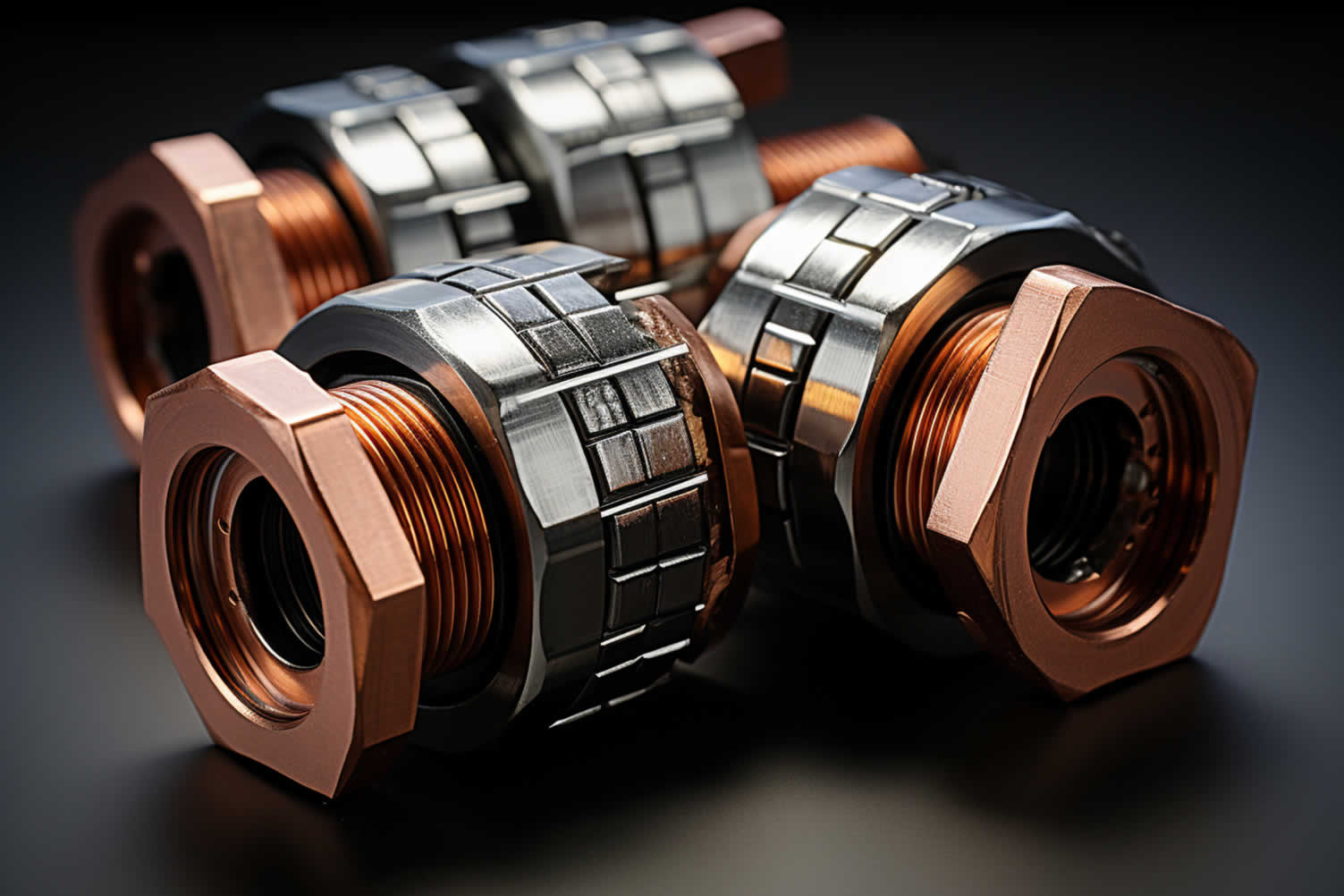
copyright image by 123rf.com
Plumbing Tip 2: The Plumbing Revolution
Notes:
-
The past decade has witnessed remarkable transformations in plumbing capabilities. Once reliant on traditional tools and guesswork, plumbers now leverage advanced technology to deliver solutions with newfound accuracy, efficiency, and speed.
Sophisticated pipe inspection cameras reveal hidden leaks before they become catastrophic. Smart water monitoring systems track usage and detect anomalies early. And pipe repair methods are less invasive than ever before, minimizing destruction to structures.
These industry innovations have completely changed the game for home construction and renovations. Where plumbing work once introduced uncertainty, it now provides homeowners confidence thanks to heightened precision, effectiveness, and problem-solving abilities.
Simply put, plumbers can systematically install, upgrade, and restore plumbing systems to optimal functionality.
-
Quick scroll to “plumbing needs” side notes …
-
-
1st: The Role of Plumbing in Kitchen Makeovers
As central gathering places, kitchens should immerse occupants through warmth, gourmet functionality, and reliable performance. Transforming kitchens therefore requires significant technical consideration across cabinetry, lighting, appliances, ventilation, and of course plumbing. Plumbers serve as a project’s backbone throughout the redesign process.
Proper plumbing layout facilitates optimal appliance positioning, accounting for water and drainage needs. Good plumbers also specify Energy Star-rated appliances which consume less household water volumes.
They incorporate smart leak prevention systems to protect against ruptured supply lines behind dishwashers or refrigerators. And they design ergonomic installation to ease usage for all family members. Attentive plumbing consultation prevents makeovers from becoming future pain points.
A well-planned plumbing system ensures the efficient flow of water, easy maintenance, and the overall longevity of your kitchen.
Here are some crucial plumbing needs for a kitchen makeover:
- Proper Drainage System:
A well-designed drainage system is essential to promptly and efficiently dispose of used water. - Quality Faucets:
Choose faucets that not only match the aesthetic of your kitchen but are also durable and functional. - Efficient Dishwasher Setup:
Ensure the water supply and drainage lines to your dishwasher are professionally installed and functioning optimally. - Hot Water Supply:
An on-demand hot water supply can be a great addition to your kitchen for convenience. - Plumbing Inspection:
Before embarking on a kitchen makeover, a professional plumbing inspection can help identify any existing or potential issues. - Garbage Disposal:
If you plan to install a garbage disposal unit, ensure it is correctly connected to both the electrical and plumbing systems. - Water Filtration:
Consider installing an under-sink water filtration system for clean, safe drinking water. - Emergency Shut-offs:
Ensure easy access to emergency shutoff valves for all water-using appliances.
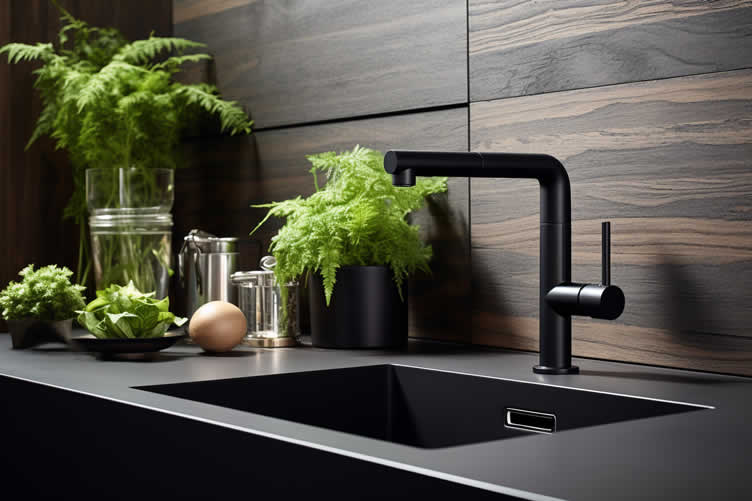
copyright image by 123rf.com
- Proper Drainage System:
-
2nd: Plumbing Needs for Bathroom Makeovers
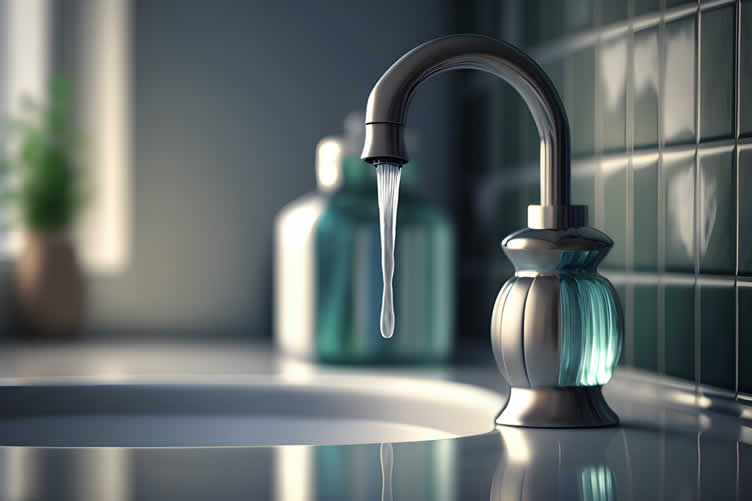
Similar to kitchen renovations, the role of plumbing for a bathroom makeover is equally significant, if not more. A carefully designed and installed bathroom plumbing system ensures maximum efficacy, durability, easy maintenance, and comfort.
Let’s take a look at some critical plumbing considerations for a bathroom remodeling:
- Efficient Shower and Bathtub Setup:
Ensure efficient water supply and drainage for your shower and bathtub. Choose faucets and showerheads that align with the aesthetic and functionality of your bathroom. - Proper Toilet Installation:
The correct installation of your toilet, including its water supply system and drainage, is crucial to avoid future issues. - Ventilation:
Adequate ventilation is critical in a bathroom to prevent moisture build-up, thus reducing the risk of mold and mildew. - Hot Water Supply:
As in the kitchen, an uninterrupted hot water supply is also vital in a bathroom for comfort and convenience. - Bathroom Sink Plumbing:
Ensure your sink’s water supply, drainage, and faucets are correctly installed and functioning efficiently. - Waterproofing:
Proper waterproofing can prevent potential water damage to the walls and floor. - Plumbing Inspection:
A comprehensive plumbing inspection can help identify and address any existing issues before starting the renovation. - Emergency Shut-offs:
Accessible emergency shutoff valves should also be installed in your bathroom for all water-using fixtures.
Addressing these bathroom plumbing needs can help you achieve a bathroom that is not only aesthetically pleasing but also structurally sound and functionally efficient.
copyright image by 123rf.com
- Efficient Shower and Bathtub Setup:
-
3rd: Plumbing Needs for a Laundry Room
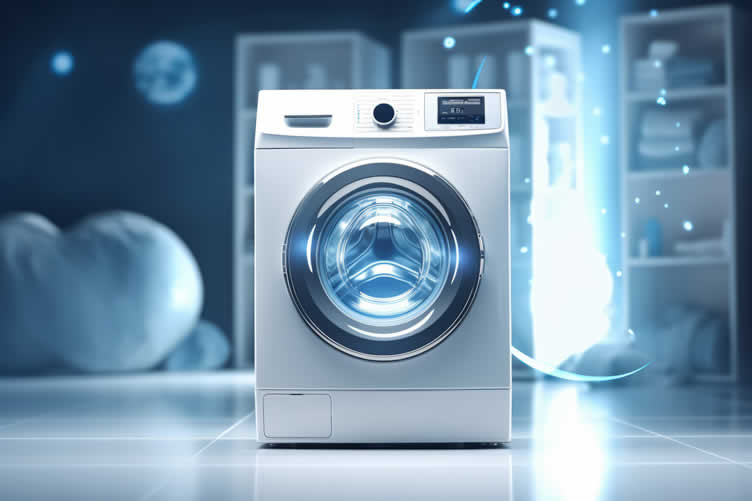
In addition to the bathroom, the laundry room is another area in the home where efficient plumbing plays an essential role. The role of plumbing for a laundry room can determine the functionality and ease of use of your home appliances.
Careful planning and execution of plumbing in this space can lead to a smooth-running, hassle-free laundry routine. Here are some crucial plumbing considerations for a laundry room:
- Laundry Sink Plumbing:
The provision of a properly-installed sink with sufficient water supply and drainage can be a convenient feature in a laundry room. - Washing Machine Supply and Drainage:
An efficient water supply and drainage system for your washing machine is critical to prevent leaks and water damage. - Hot Water Supply:
Similar to the bathroom, a regular hot water supply is essential for washing in cold weather. - Proper Ventilation:
This helps prevent the build-up of moisture and dampness, which can lead to the growth of mold and mildew. - Accessible Shutoff Valves:
Emergency shutoff valves should be easily accessible to allow for immediate action in case of leaks or other plumbing issues. - Floor Drainage:
Consider installing floor drainage to manage any potential water spills or leaks. - Plumbing Inspection:
A regular plumbing inspection can help identify and fix any existing or potential issues early on.
Addressing these laundry room plumbing needs can ensure a practical and efficient space for all your laundry needs.
copyright image by 123rf.com
- Laundry Sink Plumbing:
-
4th: Other Plumbing Needs and Connections
Moving beyond the laundry room, the role of plumbing extends to other areas of the house as well. Let’s delve into some of these additional spaces where plumbing plays a crucial role:
- Outdoor Kitchens:
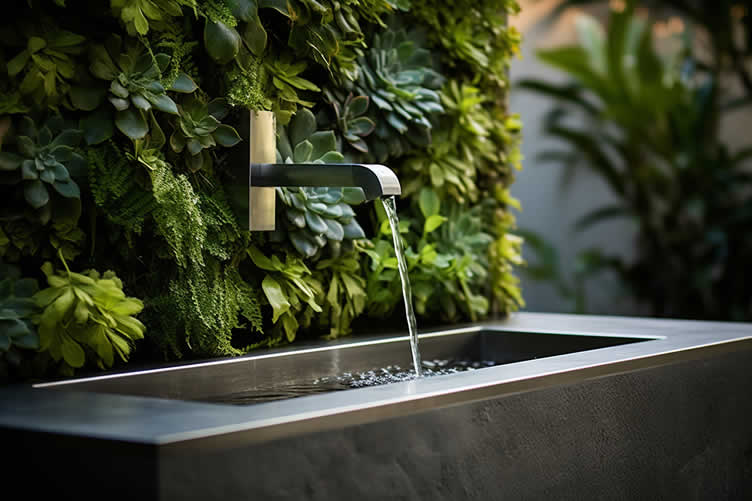
The role of plumbing for outdoor kitchens is pivotal for their functionality. An outdoor kitchen requires a proper water supply for sinks and possibly dishwashers, along with appropriate drainage systems. Whether you’re rinsing vegetables or washing hands, having easy access to water makes outdoor cooking much more convenient. - Home Bars:
A well-designed home bar with the right plumbing can add a touch of sophistication to your home. From an ice maker to a wet bar sink, the plumbing needs are varied and should be handled by professionals to ensure a seamless experience while entertaining. - Irrigation Systems:
A well-functioning irrigation system is vital for maintaining a lush, green lawn and vibrant flower beds. Efficient plumbing plays a key role in ensuring that your sprinklers deliver the right amount of water to your plants, at the right time. - Garage Use:
If you plan on using your garage as a functional workspace or for vehicle maintenance, plumbing becomes an essential factor. Installing a utility sink or even a full bathroom can make a significant difference in the usability of this space. - Spa or Pool:
If you are considering installing a pool or spa, plumbing is a major consideration. The water supply, filtration, and heating systems all require expert plumbing to ensure that everything runs smoothly and efficiently.
copyright image by 123rf.com
- Outdoor Kitchens:
-
-
ideas to view and compare from the information discussed above
book: kitchen remodelingbook: bathroom remodelingbook: outdoor kitchen
Scroll up to directory … or scroll to next section about home renovation with plumbing expertise …
plumbing projects

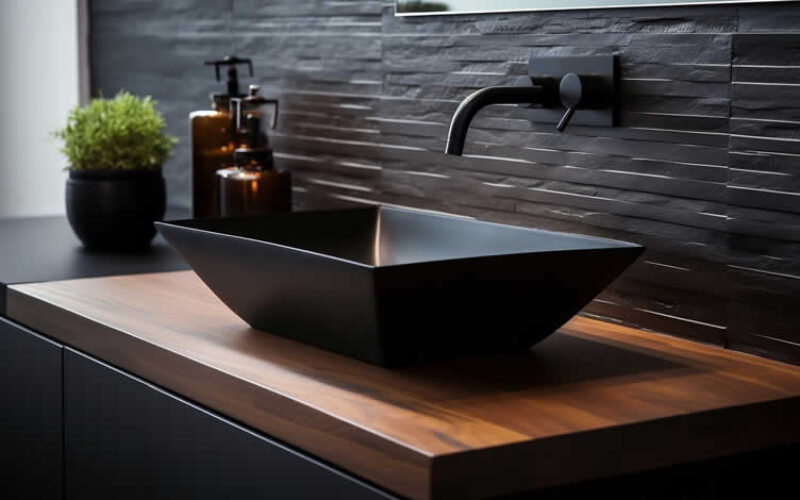

setting up garden water features

May We Suggest Other Photo Remodeling Ideas About
“Other Home Structural Needs …” (new win)


third “photo remodeling” idea
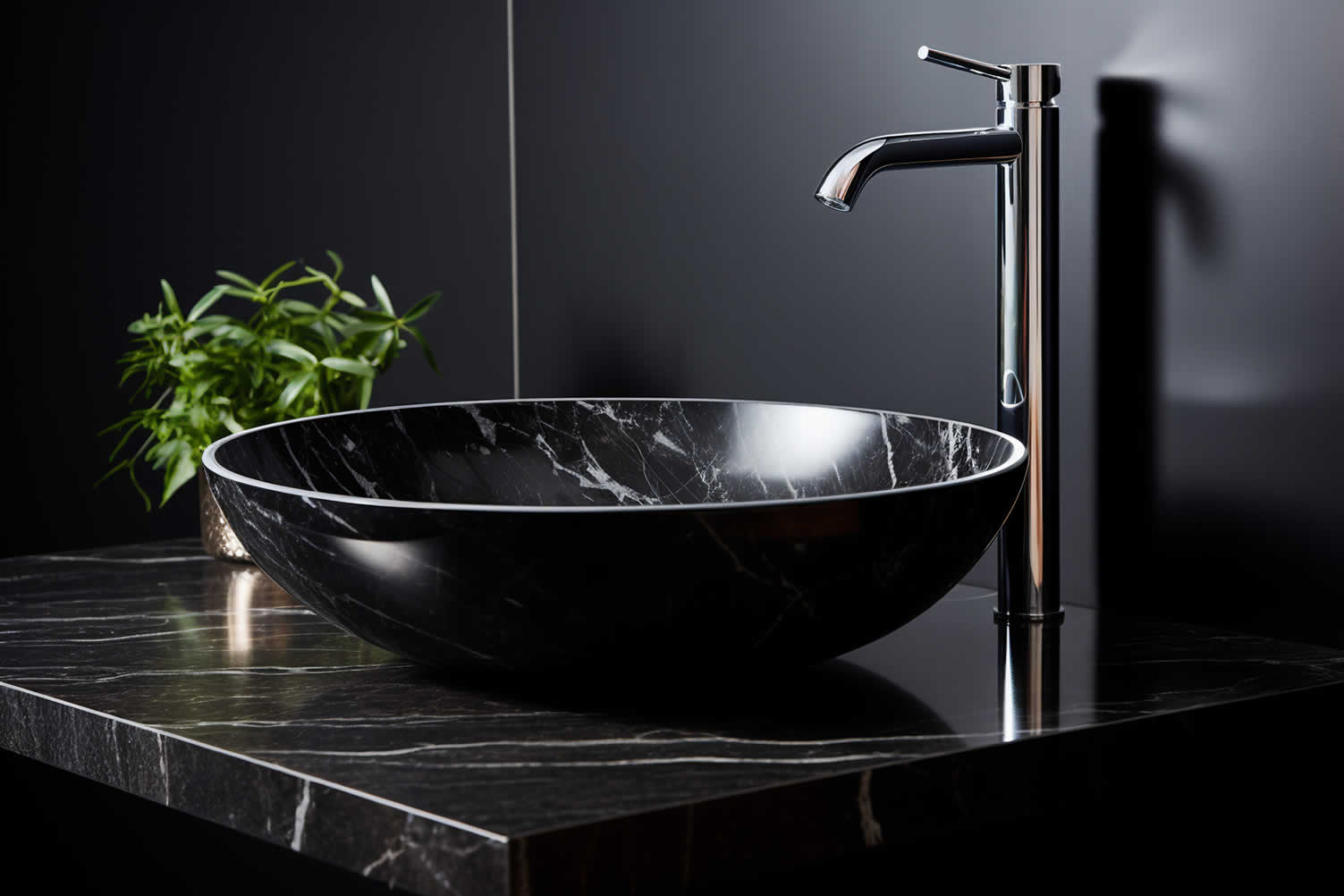
copyright image by 123rf.com
Plumbing Tip 3: Maintaining Plumbing Systems
Notes:
-
Even initially robust plumbing systems inevitably degrade over years of continuous use. Regular professional maintenance helps preserve system integrity and averts catastrophic failures. Professional firms offer comprehensive maintenance packages tailored to homeowners’ specific conditions.
These include detailed inspections to assess wear and identify vulnerabilities early. Maintenance visits also provide opportunities to clean mineral deposits or unclog small leaks before they worsen. And technicians can adjust water pressures as needed to reduce strain on pipes.
Preventative maintenance keeps plumbing systems operating reliably over their intended lifespans. Professionals provides the expert handiwork and diagnostic tools needed to detect issues and restore functionality with minimal household impact. Such attentiveness yields significant peace of mind.
-
Quick scroll to “plumbing maintenance and repair” side notes …
-
-
1st: Advancements in Plumbing Technology
In recent years, advancements in plumbing technology have revolutionized the industry, enhancing efficiency, and providing more sustainable and cost-effective solutions.
These state-of-the-art technologies not only facilitate easier and quicker problem detection but also ensure more accurate repairs, reducing the likelihood of recurring issues.
Here are some examples of technologies used in the plumbing industry:
- Smart Pipes:
These are self-monitoring pipes that can detect leaks, pressure changes, and temperature variations. They alert homeowners to potential issues, enabling early intervention and minimizing damage. - Leak Detection Sound Monitors:
These innovative devices use sound technology to detect potential plumbing problems. By listening for the unique frequencies produced by leaks, these monitors can pinpoint the exact location of a leak, even in a complex plumbing network. - Infrared Cameras:
Used to inspect pipes, infrared technology can identify hidden leaks and blockages without the need for invasive procedures. This technology saves time, effort, and resources while minimizing disruption to your home environment. - Touchless Faucets and Toilets:
Touchless technology reduces water wastage and promotes hygiene. Faucets and toilets equipped with motion sensors ensure water is only used when necessary, making them an excellent eco-friendly choice. - Tankless Water Heaters:
These heaters provide hot water on demand, offering energy efficiency and space-saving benefits. They eliminate the need for a storage tank, reducing energy loss associated with standby heating. - Advanced Drain Cleaning Tools:
Hydro-jetting and powerful electric drain snakes can clear stubborn blockages effectively. These high-tech tools offer a more thorough cleaning solution compared to traditional methods.
Embracing these innovative plumbing technologies can significantly enhance the performance and longevity of your plumbing system.
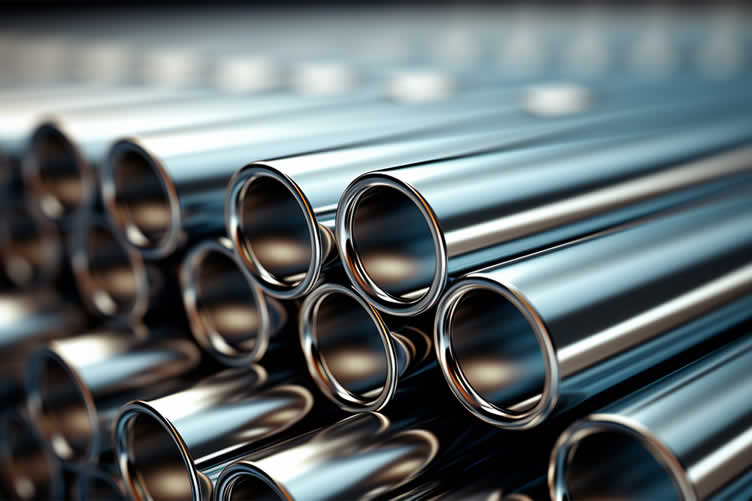
copyright image by 123rf.com
[ youtube: best leak detection sensors]
[ youtube: pipe cleaners drain camera]
- Smart Pipes:
-
2nd: DIY Plumbing Maintenance
Over time, plumbing systems can suffer from a variety of degradation issues, primarily caused by wear and tear, mineral buildup, and corrosive substances. These factors can lead to reduced water flow, leaks, and potential structural damage, significantly impacting the efficiency and lifespan of your plumbing system.
Therefore, maintaining your plumbing system through regular DIY tactics is crucial. Here are some preventive maintenance steps that every homeowner can undertake:
- Regular Inspection:
Regularly check your faucets, showers, and pipes for any signs of leaks. Early detection can prevent more significant issues down the line. - Drain Cleaning:
Keep your drains clear of blockages by using a mixture of vinegar and baking soda. Pour this solution down the drain followed by hot water to keep your drains running freely. - Water Heater Flush:
Sediment buildup in your water heater can lead to inefficiency and damage. Flushing your water heater annually can help mitigate this problem. - Prevent Freezing:
During colder months, ensure your pipes are well insulated to prevent them from freezing and potentially bursting. - Professional Check-ups:
Even with diligent DIY practices, it’s a good idea to have your system professionally inspected periodically. This can help catch any issues that may not be immediately evident.
Remember, proactive plumbing maintenance can save you from costly repairs and prolong the life of your plumbing system.
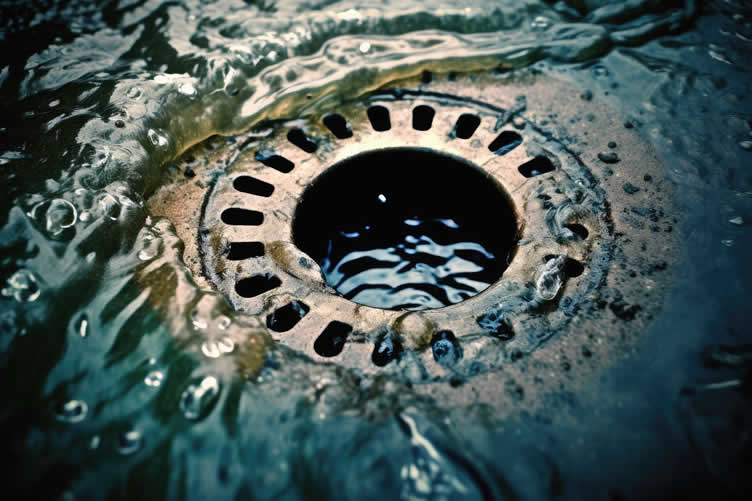
copyright image by 123rf.com
[ youtube: what’s involved in a home plumbing inspection?]
[ youtube: how to keep pipes from freezing]
- Regular Inspection:
-
2nd: Leak Detection and Repair
Left unanswered, subtle water leaks trigger exponential damage over time. Undetected pipe drips can waste thousands of gallons monthly and risk mold outbreaks.
Unfortunately, early clues like higher water bills often materialize long after preventable destruction. Pro plumbers offer two critical solutions.
First, they perform whole-house leak inspections using acoustic listening devices that identify hidden water leaks before they become visible disasters. Repairing problems early minimizes costs and disruptions dramatically.
Second, plumbers install smart metering technologies that monitor water usage in real-time and notify homeowners about abnormal events. This preventative approach reflects They focus on conservation and waste reduction.
-
Finding Plumbing Leaks
Plumbing leaks are among the most frequent issues homeowners face, often leading to extensive water damage if not promptly addressed. They typically result from factors such as deteriorating pipes, faulty seals, high water pressure, or even rapid temperature changes that cause pipes to expand and contract.
Despite their common occurrence, detecting these leaks early on can be tricky since plumbing systems are mostly concealed behind walls or beneath the floor.
Regular plumbing maintenance and using cutting-edge leakage detection technology can help identify and address these leaks to prevent further complications.
Where Most Plumbing Leaks Occur
- Under the Sink:
This is one of the most common areas where leaks occur, usually due to worn-out seals or loose pipe connections. - Toilets:
Leaks here can develop from issues with the flapper valve, overflow tube, or fill valve, often causing silent water wastage. - Faucets:
Leaky faucets are usually caused by worn-out components or seals. - Showerheads and Bathtubs:
These leaks often result from failed seals or a crack in the tub or shower. - Water Heaters:
A leaking water heater can be caused by issues such as a faulty pressure relief valve or a corroded tank. - Outdoor Faucets and Sprinklers:
These can leak due to weathering, damaged washers, or pipe bursts caused by freezing temperatures. - Washing Machines:
Leaks can develop from the machine’s hoses, often due to wear and tear or incorrect installation.
- Under the Sink:
copyright image by 123rf.com
-
-
-
ideas to view and compare from the information discussed above
Scroll up to directory … or scroll to next section about home renovation with plumbing expertise …
SHARE IT ..! You might have someone in your social network who could find this informative post on how simple renovations can boost your mental health valuable. Feel free to share it on Facebook, Twitter, LinkedIn, or Pinterest!


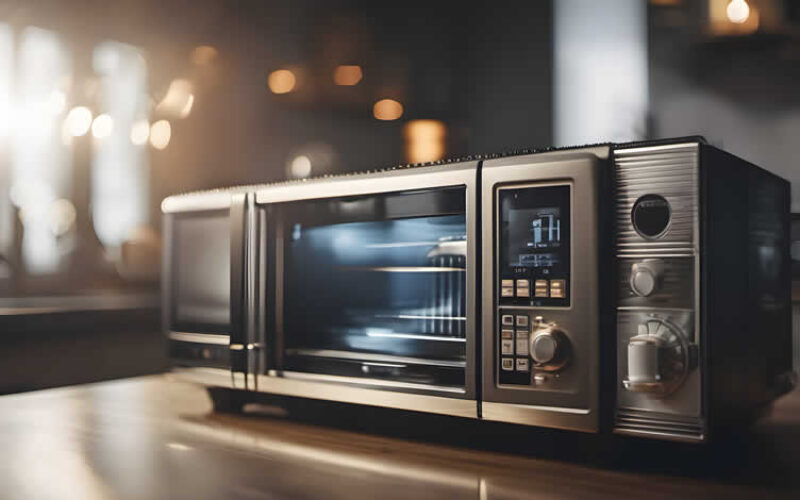
fourth “photo remodeling” idea
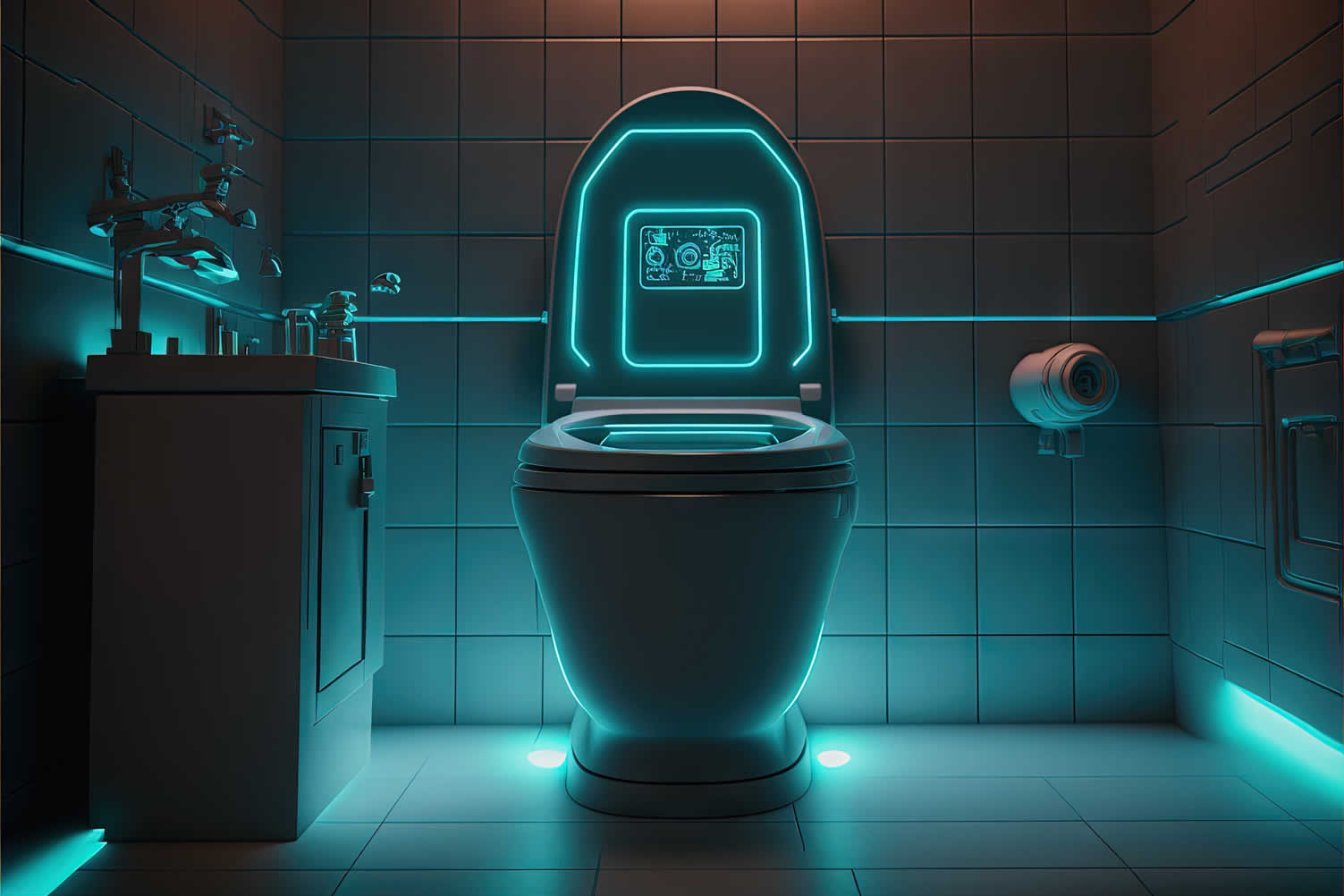
copyright image by 123rf.com
Plumbing Tip 4: The Future of Plumbing
Notes:
-
As we venture into the future, the plumbing industry is set to undergo a significant transformation, powered by advancements in plumbing technology and smart plumbing systems. The future of plumbing holds the promise of greater efficiency and sustainability.
Plumbing technology is evolving rapidly, with innovations such as smart pipes and fittings that can detect leaks and blockages before they become significant issues, saving homeowners time, money, and the hassle of extensive repairs.
Smart plumbing, in particular, is gaining prominence in the industry. This includes control systems that allow homeowners to manage their water usage remotely, reducing wastage and promoting conservation of resources.
Smart water heaters that optimize energy usage, sensors that prevent flooding, and water-efficient appliances are just some examples of how the future of plumbing is being shaped to meet the demands of modern households.
This shift towards smart, sustainable, and efficient plumbing solutions underscores the broader trend towards making our homes more intelligent and environmentally friendly.
-
Quick scroll to “smart eco-plumbing” side notes …
-
-
1st: Getting Into Smart Plumbing
Smart plumbing represents the next big leap in home renovation, offering unprecedented control and efficiency in water management. It’s an integral part of the future of plumbing, where each droplet of water is accounted for, and waste is minimized.
These systems use advanced sensor technology and connectivity to provide real-time data about water usage, leak detection, and even water quality, which can be accessed via a smartphone app.
Here are some examples of smart plumbing and smart water conservation:
-
Leak Detectors:
In the realm of smart plumbing, leak detectors play a crucial role in preventing severe water damage and cutting down plumbing maintenance costs. These compact, yet potent devices are often wireless and come with sensors that can identify the presence and location of water leaks within the plumbing system.
Upon detecting an anomaly, the leak detectors swiftly send notifications to homeowners’ smartphones or email addresses, allowing for immediate action to prevent potential flooding or water damage.
As the future of plumbing unfolds, these devices will become an indispensable part of any modern plumbing system (such as smart plumbing pipes noted below), revolutionizing home renovations by making them safer and more cost-effective.
[ view illustration: leak detector diagram]
[ amazon: plumbing leak detector]
-
Water Leak Shut-off Valves:
Another groundbreaking innovation is the advent of water leak shut-off valves. These intelligent devices go a step further than leak detectors by not only identifying leaks within the plumbing system but also taking immediate action to prevent water wastage and potential property damage.
Upon detecting a leak, these smart valves automatically shut off the water supply, thereby controlling the situation until professional help arrives. Their integration with smartphone applications allows homeowners to monitor and control their water usage remotely, further enhancing the convenience and efficiency of plumbing maintenance.
[ view illustration: shut-off valve diagram]
[ amazon: water leak shut off valve]
-
Smart Sensors:
Smart sensors are set to revolutionize plumbing maintenance. These compact devices can be installed in strategic locations within the plumbing system to monitor a range of parameters, including temperature, pressure, and humidity.
They provide real-time data, enabling homeowners to detect issues such as leaks or freezing pipes instantly, and even remotely. Moreover, advanced algorithms can analyze the data generated by these sensors, predicting potential failures and allowing preventative measures to be taken.
[ view illustration: smart sensors diagram]
[ amazon: plumbing smart sensors]
-
Smart Faucets:
A manifestation of the plumbing future is smart faucets. These technologically advanced fittings are designed not only to enhance convenience but also to monitor and reduce water usage, playing a vital role in water conservation efforts.
They function through motion sensor technology, allowing automatic turn-on and shut-off, which eliminates unnecessary water wastage. Additionally, some models provide detailed data on water consumption patterns, helping homeowners to understand their usage habits and make necessary adjustments.
[ view images: smart faucets]
[ amazon: smart faucets]
-
Smart Shower Systems:
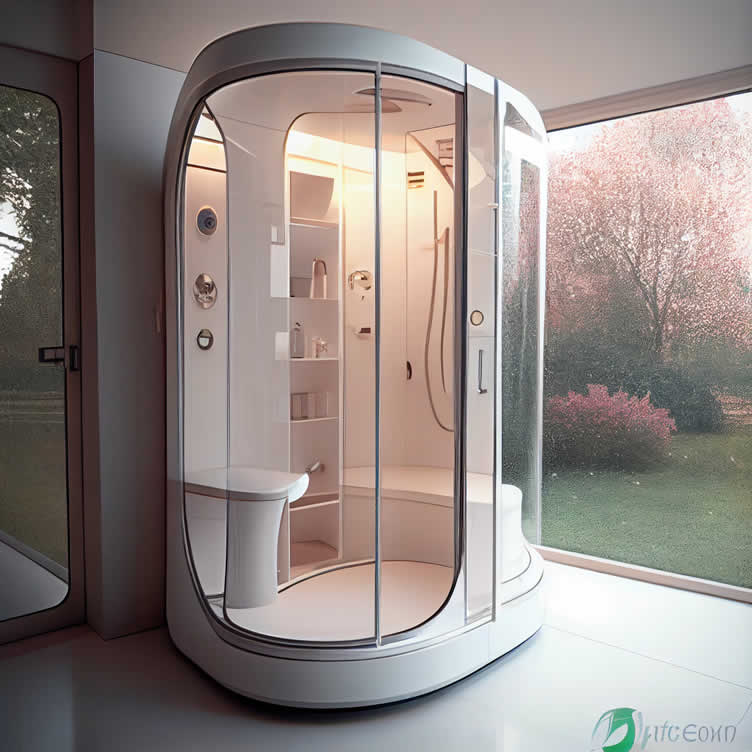
Smart shower systems incorporate sophisticated technology to deliver enhanced convenience, comfort, and conservation. With features such as digitally controlled temperatures, water flow rates, and personalized shower profiles, they offer a highly customized bathing experience. But the benefits extend beyond comfort alone.
Smart shower systems can also monitor water usage, providing homeowners with valuable insights into their consumption habits. Some systems even have eco-modes that save water by intelligently adjusting the flow rate or automatically pausing the water when a certain temperature is reached.
[ view images: smart shower systems]
[ amazon: smart shower systems]
-
Smart Toilets:
As we look toward the future, smart toilets stand as one of the most significant advancements in this field. These cutting-edge fixtures are designed with a focus on hygiene, comfort, and environmental sustainability.
A smart toilet might include features like automatic flush sensors, bidet functions, seat warmers, and even self-cleaning capabilities. Moreover, they can track water usage, enabling homeowners to understand and reduce their consumption.
[ view images: smart toilets]
[ amazon: smart toilets]
-
Smart Plumbing Pipes:
The backbone of any plumbing system, the pipes, are also joining the smart revolution. Smart pipes are equipped with sensors that monitor flow rates and pressure, identifying any significant changes that could indicate a problem, such as a pipe blockage or a leak.
With this technology, issues can be detected and located precisely before they exacerbate, minimizing damage and reducing the costs associated with plumbing maintenance.
In the future of plumbing, these smart pipes could make traditional methods of troubleshooting and repairing plumbing systems obsolete, heralding a new era of efficiency and convenience in home renovation.
[ youtube: what does future of plumbing really look like]
[ youtube: future of plumbing]
-
3D Printing:
The future of plumbing is not just about smart sensors and water conservation; it also involves the innovative use of 3D printing. This groundbreaking technology is pushing the boundaries of what’s possible in plumbing maintenance.
From creating customized pipe fittings to producing intricate parts for complex plumbing systems, 3D printing is revolutionizing the way we approach repairs and installations.
It allows for rapid prototyping and testing of new plumbing components, significantly reducing development times and costs.
[ youtube: how does 3D printing work?]
[ youtube: 3-D printing “custom” plumbing fittings]
copyright image by 123rf.com
-
-
2nd: The Eco-Friendly Approach
In the realm of home renovations, plumbing plays a significant role and is often a key area where an eco-friendly approach can yield substantial benefits. Eco-friendly plumbing focuses on water and energy conservation, aiming to reduce the environmental impact while offering performance and functionality.
An eco-friendly approach to plumbing is a win-win scenario, fostering environmental sustainability while enhancing the efficiency and cost-effectiveness of home renovations.
Such methods include:
-
Water Conservation:
The future of plumbing is deeply intertwined with the principle of water conservation. By creating a symbiosis between plumbing maintenance and sustainable practices, we’re paving the way for a more responsible approach toward resource usage.
Advanced plumbing technologies like low-flow faucets and showerheads, dual-flush toilets, and water-efficient washing machines not only reduce household water consumption but also lower utility bills.
Moreover, greywater and rainwater harvesting systems enable the reuse of water for non-potable purposes, such as irrigation or flushing toilets.
In essence, the evolution of plumbing systems is synonymous with an environmentally conscious lifestyle, reinforcing the importance of water conservation in home renovation.
-
The Eco-Plumber
All professional plumbers must safeguard the integrity of water delivery systems. Yet Modern plumbers push further – they champion responsible water usage as every community’s duty. Their consulting explores how households can embrace conservation-focused plumbing fixtures and appliances that reduce unnecessary water waste.
Low-flow showerheads and ultra-high efficiency toilets exemplify universal solutions. More targeted options include rainwater harvesting systems to nourish gardens or greywater recycling to supply washing machines.
Professionals also advocate seemingly simple lifestyle adjustments that cumulatively conserve tremendous water over time, like turning taps off while brushing teeth or running full laundry loads. Again, they help homeowners implement positive changes conveniently rather than preach abstract theory.
When substitutions do reach necessary end-of-life, plumbers redirect old materials towards sustainable recycling or re-purposing programs rather than landfill dumping. They take pride in advancing sustainability through everyday plumbing practices.
copyright image by 123rf.com
-
-
-
ideas to view and compare from the information discussed above
Scroll up to directory … or scroll to next section about home renovation with plumbing expertise …




Find Plumbing Services Plumbing Issues Drain Clearing Septic/Sewers Water Heaters Pumps Water Softening top-rated, pre-screened local contractors FREE: download contractor selection enter zip code – powered by HomeAdvisor ™
Quick Contractor Guides selecting negotiating working with inspecting

fifth and last “photo remodeling” idea

copyright image by 123rf.com
Plumbing Tip 5: Choosing the Right Plumbers
Notes:
-
Professional plumbers are an integral part of any successful home renovation project. They ensure that the plumbing system, an essential component that significantly affects a home’s functionality, is in optimal condition.
However, picking the right plumber for your renovation project can be a daunting task, especially with the multitude of options available. So, how do you find the perfect plumber?
Here are some tips:
- Qualification and Certification:
Ensure that the plumbers you are considering are qualified and certified by a recognized trade body. - Experience:
Consider the plumber’s years of experience in the industry, especially in home renovation projects. - Reputation:
Look for plumbers with positive reviews and ratings from previous clients. You can use online review sites or ask for references. - Insurance:
Ensure that the plumber has proper insurance coverage to protect you from any liabilities in case of accidents or injuries during the project. - Pricing:
Get quotes from various professionals and choose a plumber offering a balance between quality service and affordable pricing. - Availability:
The plumber should be available to work within your project’s time-line and be able to respond to emergencies promptly.
- Qualification and Certification:
-
Quirk scroll to topic "finding plumbing services" side notes …
-
-
1st: Defining Plumbing Expertise
Reputable firms like Dan’s Plumbing possess robust expertise across the full range of residential plumbing needs. You can learn about them at Dan’s Plumbing.
Looking ahead, Dan’s Plumbing will continue pioneering next generation plumbing systems for health, conservation and convenience. Already they lead many competitors in smart technology integration as seen on their site.
Expanding capacities like automated remote monitoring, leak prevention alerts, and usage anomaly notifications will soon become standard household expectations.
Dan’s Plumbing also monitors promising innovations like on-demand water recirculation to eliminate tap water waste or progressive drain-line waste breakdown technologies that leverage biochemistry to reduce contamination volumes.
They evaluate such emerging solutions critically before recommending adoption to ensure real-world viability. By welcoming progress while rejecting hype, Dan’s Plumbing aims to drive the wider industry towards meeting rising consumer performance and sustainability interests.
Homeowners benefit from their rigorous approach when weighing complex upgrade decisions.
-
Experience and Expertise
Plumbing services managers carefully recruit plumbers with the best blend of natural ability and tempered skill gained through rigorous training and years in the field.
The company maintains demanding standards for mastery over Even novice employees are paired with veteran mentors so knowledge gets passed on rather than lost over time. Personnel regularly attend emerging technology seminars to stay atop the latest industry advances.
The result is a cohort of plumbers endowed with both robust engineering expertise and human touch. Clients consistently rave over the team’s professionalism, communication clarity, and attentiveness through messy jobs.
Knowhow coupled with equally strong character establishes these services as go-to plumbing experts for any home project.
copyright image by 123rf.com
-
-
2nd: Finding Your Plumbing Expert
When kicking off a renovation project, partnering with a skilled plumbing expert is paramount. Start by seeking recommendations from trusted sources like family, friends, or even your local hardware store.
Online platforms also offer a wealth of resources, with reviews and ratings being a key indicator of an expert’s reliability and proficiency.
Make sure to verify their credentials, licensing, and insurance to ensure both parties are protected. Also, it’s important to ask prospective plumbers about their experience with your specific type of project.
Lastly, don’t forget to discuss the project time-line and get a detailed estimate in writing. By taking these steps, you can confidently engage a plumbing expert who can transform your renovation project into something truly spectacular.
LetsRenovate has partnered with HomeAdvisor™, a renowned provider of highly-rated, carefully-vetted local contractors. Start your search here to select type plumber and then enter your zip code to find local plumbing professionals.
copyright image by 123rf.com
But Wait!
Before starting the search and evaluation process for contractors, it is highly recommended to download and utilize this comprehensive worksheet. This will help ensure that you have all the necessary information and tools at your disposal to make informed decisions and streamline the entire process.
This resource will assist in impartially ranking and evaluating potential contractors, taking into consideration essential factors such as pricing,

Evaluation Sheet
File Type:
-
-
FINAL REMARKS
Professional plumbing provides far more than reactive drain unclogging or pipe patching services. They offer households holistic guidance and solutions that reinvent residential plumbing around home enhancement rather than bare necessity.
Their vision to fully integrate technical expertise, custom consultation, environmental responsibility and lifestyle elevation signals an ambitious future direction for the plumbing industry.
Homeowners partnering with professionals today tap into this wider mission that increasingly prioritizes human dimensions above isolated infrastructure considerations alone.
-
ideas to view and compare from the information discussed above
- What comments can you share about
home renovation with plumbing expertise?
Scroll up to directory … or scroll to more home remodeling-related topics …
view illustration “becoming a bank”
Cover image credit: home renovation with plumbing expertise by 123rf.com
end of post … please share it!
 |
did you find how home renovation with plumbing expertise analysis helpful? If so, please share the article with your friends and family! |
Nice pic idea? Leave us a quick comment below.
And please share this pic idea within your social networks.