By following these essential tips, you can protect your family and property from potential electrical dangers.
If you’re in need of professional assistance, consider reaching out to an electrician Springdale AR. NWA C&S Electric is a trusted provider of electrical services in Northwest Arkansas, offering expert solutions for both residential and commercial properties.
- post content
- Regularly Inspect Electrical Cords and Outlets
- Avoid Overloading Circuits
- Install Ground Fault Circuit Interrupters (GFCIs)
- Keep Electrical Devices Away from Water
- Use Extension Cords Properly
- Schedule Regular Electrical Inspections
- Educate Family Members on Electrical Safety
- Hire Qualified Professionals for Electrical Work
- Additional Tips for Enhanced Electrical Safety
- view notes:collective tips
- shop n’ compare:home electrical needs
- view ideas:latest remodeling analysis
- related post (new win):the origin of electricity
Regularly Inspect Electrical Cords and Outlets
Damaged cords and outlets are common sources of electrical fires. Regularly check for frayed wires, cracked insulation, or loose connections. If you notice any issues, replace the cords or have a licensed electrician repair the outlets promptly. Nationwide emphasizes the importance of inspecting all electrical appliances and their cords to prevent hazards.
Inspections should not be limited to visible cords alone; it is important to move furniture periodically and inspect hidden outlets and the backs of appliances as well. Over time, wear and tear from heavy foot traffic, furniture shifting, or rodents can lead to unseen damage.
To help prevent unnoticed damage, establish a biannual routine of carefully checking all cords and outlets, and document any items that require future observation or replacement. Additionally, remember to check surge protectors and power strips for signs of wear, as these are often overlooked.

Avoid Overloading Circuits
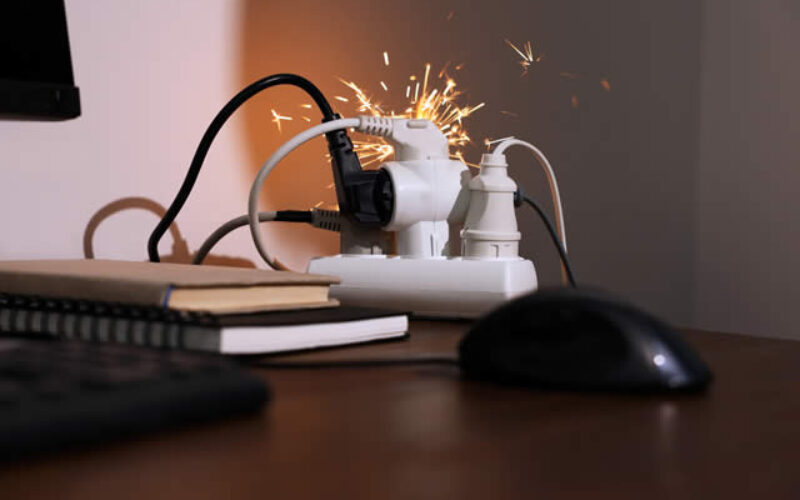
Plugging too many devices into a single outlet can overload circuits, leading to overheating and the risk of fire. Ensure that high-wattage appliances, such as microwaves and space heaters, have dedicated outlets. The Washington Post advises against overloading circuits and recommends using power strips with built-in circuit breakers for added safety.
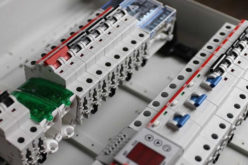
In addition to avoiding multiple high-wattage devices on the same circuit, familiarize yourself with your home’s breaker panel. Each circuit breaker is designed to handle a specific current rating, usually indicated on the breaker switch.
If you frequently experience tripped breakers, this could be a sign that you’re overloading your circuits or that an underlying electrical issue requires attention. Don’t use plug adapters to increase the number of available outlets in one place, as this can exceed your circuit’s capacity and pose a fire risk.
needs and safety essentials
Understanding Home Electrical Needs and Safety Essentials
Are you a homeowner who wants to understand the ins and outs of home electrical systems, but don’t know where to start?
Install Ground Fault Circuit Interrupters (GFCIs)
GFCIs are designed to shut off power when they detect an imbalance in the electrical current, preventing shocks. Install GFCIs in areas where water and electricity are in proximity, such as kitchens, bathrooms, and outdoor outlets. Regularly test these devices to ensure they are functioning correctly.
Testing your GFCIs is simple; each outlet has a test and reset button. Pressing the test button should immediately trip the outlet, disconnecting power. Press the reset button to restore operation.
If the test button fails to trip or the reset button does not restore power, the GFCI should be replaced by a qualified electrician.
In addition to GFCIs, consider upgrading to Arc Fault Circuit Interrupters (AFCIs) in bedrooms and living areas, as these will trip when dangerous electrical arcs are detected, further reducing the risk of electrical fires.
Keep Electrical Devices Away from Water
Water and electricity are a dangerous combination. Keep all electrical appliances away from sinks, bathtubs, and pools. If an appliance falls into water, do not attempt to retrieve it until you have turned off the power source.
It is equally important to ensure that hands and surfaces are completely dry when operating switches or plugging in devices near water sources.
Install weatherproof covers on all outdoor outlets, and use only appliances rated for damp and humid conditions in bathrooms, kitchens, laundry rooms, and outdoor spaces. Instruct children and guests on the risks of using electrical items near water, reinforcing these precautions for everyone’s safety.
Use Extension Cords Properly
Extension cords are meant for temporary use and should not be used to replace permanent wiring. Avoid running them under rugs or through doorways, as this can cause wear and overheating. Ensure that the extension cord’s capacity matches the device’s requirements to prevent overheating.
Choose extension cords that are the appropriate length and thickness for the electrical load they will carry. Never chain multiple extension cords together or use indoor cords outside.
For added safety, opt for cords with surge protection features if connecting sensitive electronics. Store cords properly when not in use and inspect them for damaged insulation, exposed wires, or loose plugs before each use. If a cord is warm to the touch, unplug it and find an alternative solution.
Schedule Regular Electrical Inspections
Homes, especially those over 40 years old, should undergo regular electrical inspections by licensed professionals. These inspections can identify potential hazards and ensure that your home’s electrical system complies with current safety standards.
The Electrical Safety Foundation International recommends inspections to prevent electrical malfunctions that could lead to fires.
During an electrical inspection, an electrician will evaluate your wiring, breaker panel, outlets, ground fault protection, and other components. They may also test for proper grounding, check for recalled electrical panels or components, and determine whether your system should be upgraded to support modern appliances.
This proactive approach is especially important before major renovations, when buying a home, or after significant flooding or pest infestations that may compromise electrical wiring.
where electricity orginates

Unlocking the Mystery Behind Your Home’s Power
Electricity is the silent heartbeat of our modern homes, yet for many of us, how it works remains a bit of a mystery.
Educate Family Members on Electrical Safety
Ensure that all household members, including children, understand basic electrical safety principles. Teach them not to insert objects into outlets, to unplug appliances by pulling the plug rather than the cord, and to recognize warning signs of electrical problems, such as flickering lights or burning smells.
Consider installing tamper-resistant outlets, particularly in homes with young children, to prevent accidental shocks. Create easily accessible guides, posters, or reminder cards with safety instructions near key areas, such as the kitchen or utility room.
Encourage family members to speak up when they notice a strange sound, odor, or electrical malfunction; awareness and fast action can prevent hazards from escalating.
Hire Qualified Professionals for Electrical Work
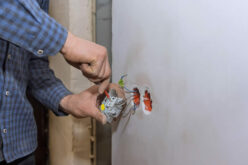
DIY electrical work can be dangerous and may not meet safety codes. Always hire licensed electricians for installations, repairs, and upgrades. For residents in Springdale, AR, NWA C&S Electric offers professional electrical services.
With a team of experienced electricians, they provide comprehensive solutions to ensure your home’s electrical system is safe and efficient.
Qualified electricians have undergone extensive training and understand the local building codes and permit requirements, helping protect your investment and your family’s well-being.
Attempting to perform electrical work yourself, especially with complex tasks such as rewiring or panel upgrades, can increase the risk of injury, fire, insurance complications, and code violations. Always request references and verify your electrician’s credentials before allowing any work to proceed in your home.
Thoughtful Lighting Design
A well-planned lighting design can elevate the ambiance and functionality of any room in your home.
By combining layers of light—ambient, task, and accent—you can create a balanced and inviting atmosphere that complements architectural features and daily activities.
Whether you’re highlighting artwork with accent lighting or ensuring sufficient brightness for reading and cooking with task lighting, thoughtful choices allow you to seamlessly blend practicality with style.
view ideas: Lighting Design and Layering (new win)

Additional Tips for Enhanced Electrical Safety
- Label your home’s breaker panel clearly, so you can quickly shut off power to an area during an emergency.
- Unplug small appliances like toasters and coffee makers when not in use to reduce the risk of accidental ignition.
- Store rechargeable batteries in devices away from flammable materials, and monitor them while charging.
- Use LED bulbs, which generate less heat and use less electricity than traditional incandescent bulbs, to further reduce fire risk.
- Plan routine reviews of your home’s electrical layout, especially after adding new major appliances or remodeling.
By implementing these electrical safety tips, you can create a safer living environment and reduce the risk of electrical hazards. Proactive measures and professional assistance, such as the expertise provided by NWA C&S Electric, are vital in maintaining the safety and integrity of your property’s electrical systems.
Remember, when it comes to electricity, caution, education, and periodic inspection are your best defenses against dangerous accidents and costly emergencies.
other related analysis of interest: (new win)
Find Electrical Services Electricians Lighting Design Fans Generators Electronics Home Security top-rated, pre-screened local contractors FREE: download contractor selection enter zip code – powered by HomeAdvisor ™


Image credit: electrical safety tips by envato.com
end of post … please share it!
| more photo remodeling |
Jump Over to Our Photo Analysis Center for Ideas on
"Renovating Home"
|__________________________________________________________|
home remodeling surprise
find out where it might go - new win


Helpful article? Leave us a quick comment below.
And please share this article within your social networks.