Understanding how water softeners work and whether your home needs one can help you make an informed decision about your water quality.
This guide covers the essential information you need to know about these systems, from their basic function to installation and maintenance considerations.
- post content
- How Water Softeners Work
- Signs Your Home Has Hard Water
- Types of Water Softening Systems
- Installation and Professional Assessment
- Maintenance and Operating Costs
- Health and Environmental Considerations
- conclusion
- view notes:collective tips
- view analysis:Tracing the Journey of Water
- view ideas:latest remodeling analysis
How Water Softeners Work
Water softeners operate on a relatively straightforward principle of ion exchange. When hard water enters the system, it passes through a tank containing tiny resin beads coated with sodium ions.
As the hard water flows through, the calcium and magnesium ions responsible for hardness attach to the resin beads and swap places with the sodium ions, producing softened water that flows into your home’s pipes and appliances.
Over time, the resin beads become saturated with mineral ions and require cleaning through a process called regeneration, during which a concentrated salt solution flushes through the tank, washing away accumulated minerals and restoring the beads’ softening capacity.

Signs Your Home Has Hard Water
Recognizing hard water problems in your home is the first step toward addressing them. Common indicators include white, chalky buildup around faucets and showerheads, difficulty getting soap to lather properly, and a slippery feeling on your skin after showering.
You might also notice that your clothes fade faster than expected or that your hair feels dull and sticky after washing. Dishes and glassware often develop spotty residue even after a full wash cycle, and plumbing fixtures may accumulate visible scale deposits over time.
If you suspect hard water, you can test it using an inexpensive kit from a hardware store or by requesting a water analysis from your local water utility.
Types of Water Softening Systems
Several different technologies exist for softening water, each with distinct advantages and drawbacks. Salt-based ion exchange systems are the most common and typically the most effective at removing hardness minerals.
Salt-free systems, sometimes called water conditioners, use a different approach that does not remove minerals but rather prevents them from forming scale. Magnetic and electromagnetic systems claim to alter the properties of minerals in water, though their effectiveness remains debated among water quality professionals.
Dual-tank systems provide continuous soft water by allowing one tank to regenerate while the other remains in service. Understanding the differences between these options helps you choose the right solution for your specific water quality needs and household size.
something of interest below

Tracing the Journey of Water: From Its Source, Through the Home Plumbing System, to Its Final Destination
Water embarks on an incredible journey before it reaches our homes for daily use. Starting from natural sources like rivers, lakes, or underground aquifers, it undergoes extensive treatment processes to ensure it is clean and safe for consumption.
Installation and Professional Assessment
Before purchasing a water softener, having your water tested by a qualified professional helps determine hardness levels and identify any additional contaminants. Water softening specialists can measure hardness in grains per gallon or parts per million, helping you select appropriately sized equipment for your home.
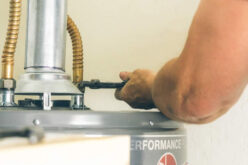
Most systems require professional installation to ensure proper plumbing connections and drainage setup, and the process typically takes several hours involving connection to your home’s main water line.
Homeowners researching water softeners in Indianapolis will find that local specialists can assess household water hardness, recommend the right system size, and ensure everything is configured correctly from the start.
Improper installation can result in inefficient operation or damage to your plumbing, making professional assistance a worthwhile investment.
Maintenance and Operating Costs
Ongoing maintenance is necessary to keep a water softener functioning properly and efficiently over time. The primary task involves regularly adding salt pellets or blocks to the brine tank, typically every few weeks depending on water usage and hardness level.
You should also periodically clean the brine tank and review system settings to confirm optimal performance. Operating costs include the salt or potassium chloride used for regeneration, electricity to power the system, and occasional professional servicing.
While these costs accumulate over time, many homeowners find them reasonable when weighed against expenses associated with hard water damage, such as premature appliance failure or costly plumbing repairs.
Health and Environmental Considerations
Questions about water softener safety are common among homeowners considering installation. Salt-based softeners add small amounts of sodium to drinking water, which may be a concern for people following sodium-restricted diets.
Many systems allow you to bypass softening for kitchen faucets used for drinking and cooking, which addresses this concern directly. From an environmental perspective, the discharge water from regeneration cycles contains concentrated minerals and salt, requiring proper drainage to prevent groundwater contamination.
Some communities restrict or regulate water softener use because of these environmental impacts, and salt-free alternatives may help address those concerns, though they are generally less effective at eliminating hardness minerals.
Importance of Clean Home Drinking Water
Access to clean drinking water is essential for safeguarding health and ensuring overall well-being.
Without it, individuals are susceptible to a range of health issues, including waterborne diseases such as cholera and dysentery, as well as long-term harm from toxic contaminants like lead or pesticides.
Ensuring water is properly treated and free of harmful pollutants is crucial for promoting a healthy and sustainable lifestyle for families and communities alike.
view ideas: How to Maintain It (new win)

Conclusion
Water softeners can significantly improve water quality and protect your home’s plumbing and appliances from hard water damage. By understanding how these systems work, recognizing signs of hard water, and exploring the different technologies available, you can make an informed decision about whether installation makes sense for your household.
Professional assessment of your water quality, careful consideration of installation and maintenance requirements, and awareness of health and environmental factors all contribute to selecting the right system.
Whether you choose a traditional salt-based softener or explore alternative technologies, addressing hard water is a practical step toward better water quality and long-term savings on appliance replacement and plumbing repairs.
home improvement ideas to consider (complete directory – new win):

Find Plumbing Services Plumbing Issues Drain Clearing Septic/Sewers Water Heaters Pumps Water Softening top-rated, pre-screened local contractors FREE: download contractor selection enter zip code – powered by HomeAdvisor ™


Image credit: about water softeners by envato.com
end of post … please share it!
| more photo remodeling |
Jump Over to Our Photo Analysis Center for Ideas on
"Renovating Home"
|__________________________________________________________|
home remodeling surprise
find out where it might go - new win


Helpful article? Leave us a quick comment below.
And please share this article within your social networks.