Quick answer:
If you need expert assistance, you can always consult with a trusted septic company to help maintain or inspect your system.
When neglected, septic systems may fail silently, becoming a serious health and safety concern. Consistent care, responsible water use, and timely professional checks can keep your system operating smoothly throughout the year.
Beyond ongoing maintenance, proper septic system installation from a reliable provider is one of the best ways to prevent early problems and ensure you start with a sound infrastructure.
Inspect and Pump Regularly
Routine inspections play a major role in discovering issues before they worsen. According to the Environmental Protection Agency (EPA), homeowners should have their septic systems inspected at least every 3 years and pumped every 3 to 5 years, depending on household size and usage.
Regular pumping removes solids that can clog the system and cause untreated waste to leak into the environment. Skipping this maintenance can result in expensive emergency repairs and property damage.

Conserve Water
Every drop of water that goes down your drain enters your septic system. By conserving water, you reduce the workload on your system and mitigate the risk of overflow or failure.
Fix leaky faucets and toilets as soon as they appear, install water-efficient fixtures, and consider staggering high-water-usage activities, such as laundry, throughout the week. These habits significantly improve your septic system’s performance and help you avoid unnecessary service calls.
For further tips, the U.S. Department of Energy offers guidance on how home water efficiency benefits not just your system but also the environment.
about water conservation

How To Save Water At Home
Water is a precious commodity – and too often we take it for granted. And what happens if that water dries up due to drought or other situation? Then what!
Proper Waste Disposal
Septic systems are designed to handle only human waste and toilet paper. Anything else may disrupt the balance of bacteria and impede the treatment process.
Never flush items such as diapers, wipes (even those labeled flushable), feminine hygiene products, or chemicals. Kitchen grease, coffee grounds, and harsh cleaning agents should also be kept out of your drains.
The wrong waste can quickly build up in the tank or pipes, causing backups, overflows, or mechanical failures that compromise your household and the environment.
Maintain the Drainfield
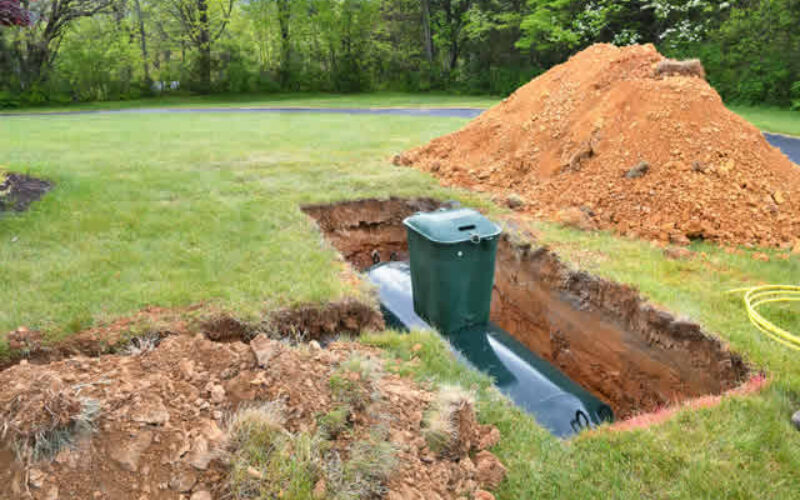
Your drainfield is essential for filtering wastewater. Careless actions around it can cause compaction and limit its ability to absorb and treat water.
Never park vehicles or place heavy equipment on the drainfield. Limit plantings around the area to grass alone, as tree and shrub roots can damage pipes and hinder drainage.
Divert roof drains and surface water away from the drainfield to prevent flooding and maintain effective treatment function.
Recognize Warning Signs
Identifying early signs of septic problems is crucial for minimizing repair costs and environmental hazards. Watch for slow drains, foul odors inside or outside your home, standing water or wet spots in the yard, and unusually vibrant grass that may signal nutrient-rich waste leakage.
Responding quickly to these indicators can save money and protect your family’s health. The EPA provides guidance on identifying and troubleshooting common septic issues.
Seasonal Maintenance Tips
Septic system requirements shift with the seasons. In cold weather, insulate exposed pipes and the tank area with grass cover to avoid freezing. During heavy rainfall, double-check all gutters, foundation drains, and landscape grading to ensure water moves away from the septic area.
Spring and fall are ideal for annual inspections and clearing foliage or debris from around your system. Adapting your maintenance routine seasonally adds another layer of protection and keeps your system operating smoothly year-round.
about the importance of proper drainage
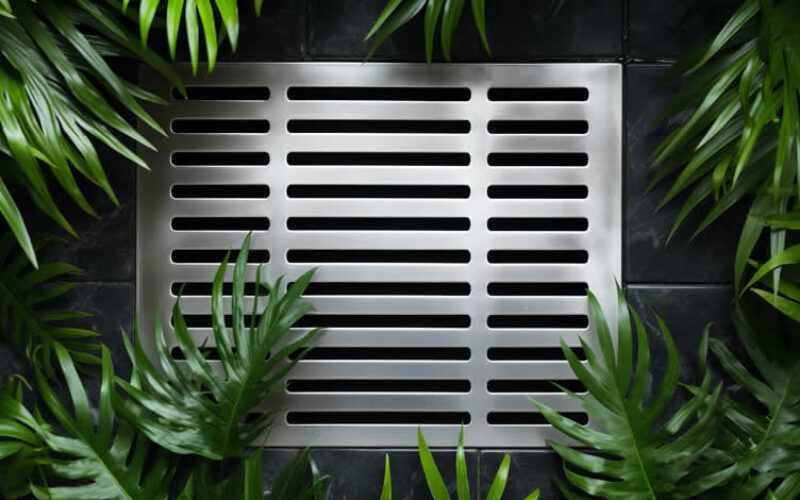
Is Your Yard a Swamp? Master Your Home Drainage System
Water is life-giving for our gardens, but when it flows uncontrolled around our homes, it becomes a force of destruction that can compromise foundations, ruin landscaping, and turn basements into indoor pools.
Professional Assistance
Routine homeowner maintenance is vital, but professional servicing offers an expert eye for subtle or emerging issues. Licensed septic professionals have the experience, tools, and certifications to provide comprehensive assessments and legal compliance.
They can check for leaks, inspect mechanical components, and evaluate long-term risks that the untrained eye might miss. Scheduling regular service from a qualified company is the best way to guarantee the health and longevity of your septic system.
Conclusion
Consistent attention to your septic system’s care benefits both your property and your community. By following best practices in water conservation, waste disposal, drainfield maintenance, and professional inspections, you can avoid costly repairs and ensure efficient operation for years to come.
Make proactive maintenance part of your household routine to safeguard your investment and the environment.
home improvement ideas to consider (complete directory – new win):


Find Plumbing Services Plumbing Issues Drain Clearing Septic/Sewers Water Heaters Pumps Water Softening top-rated, pre-screened local contractors FREE: download contractor selection enter zip code – powered by HomeAdvisor ™


Image credit: maintaining your septic system by envato.com
end of post … please share it!
| more photo remodeling |
Jump Over to Our Photo Analysis Center for Ideas on
"Renovating Home"
|__________________________________________________________|
home remodeling surprise
find out where it might go - new win


Helpful article? Leave us a quick comment below.
And please share this article within your social networks.