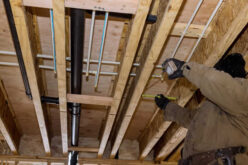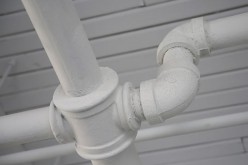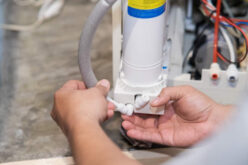
Many homeowners panic in these situations, which can delay important first steps. Knowing what to do immediately can significantly reduce damage and repair costs.
Preparation and quick action are critical during a plumbing emergency. Understanding the proper response helps homeowners regain control of the situation.
- post content
- Shut Off the Main Water Supply Immediately
- Turn Off Electricity in Affected Areas
- Drain Remaining Water From the Plumbing System
- Protect Belongings and Contain the Water
- Ventilate the Area and Begin Drying
- Avoid Temporary or Improper Repairs
- Contact a Plumbing Professional Right Away
- Document Damage for Insurance Purposes
- Consider Preventive Measures After Repairs
- conclusion
- view table:content summary
- view notes:collective tips
- view ideas:latest remodeling analysis
- related post (new win):Perfect Shower Enclosure
Shut Off the Main Water Supply Immediately
The very first thing homeowners should do when a pipe bursts is shut off the main water supply. This stops additional water from flowing into the damaged pipe and limits flooding.
Every homeowner should know where the main shutoff valve is located before an emergency occurs. Turning off the water quickly can prevent extensive damage to floors, walls, and belongings. Delays allow water to continue spreading throughout the home. Immediate shutoff is the most important step.
If the shutoff valve is difficult to access or stuck, homeowners should not force it aggressively. Applying excessive force can cause additional damage. If the valve cannot be turned off completely, reducing flow as much as possible still helps.
Once the water is off, pressure in the system will drop. This step buys valuable time for next actions.

Turn Off Electricity in Affected Areas
Water and electricity are a dangerous combination, so electrical safety must be addressed next. If water is near outlets, appliances, or electrical panels, power should be shut off to those areas. This reduces the risk of electric shock or fire.
Homeowners should never step into standing water if electrical hazards are present. Safety must always come before cleanup.
If the breaker panel is dry and accessible, shutting off power to affected zones is recommended. If water has reached the panel itself, professional assistance is necessary.
Avoid touching electrical equipment with wet hands. Electrical precautions protect both people and property. Safety awareness is essential during emergencies.
more info below
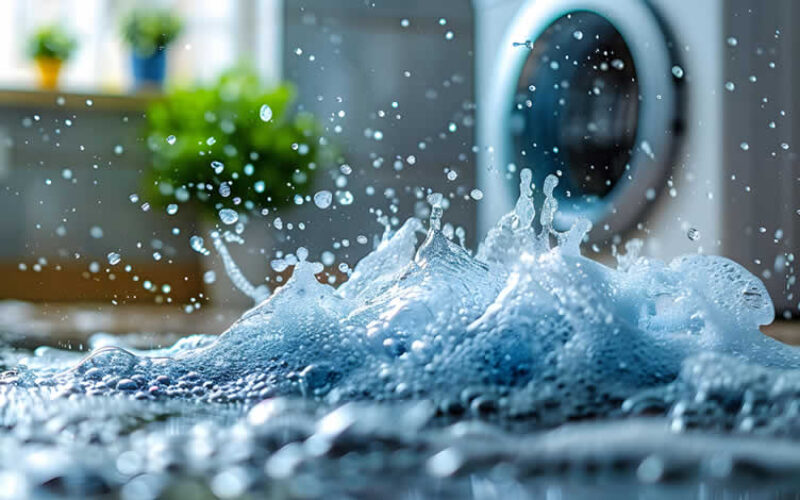
Navigating Home Emergencies: A Comprehensive Guide to Urgent Repairs
Home emergencies are an unpredictable part of life. They rarely happen at a convenient time, often leaving us feeling stressed and unprepared.
Drain Remaining Water From the Plumbing System
After shutting off the main water supply, homeowners should drain the remaining water from the system. Turning on cold water faucets helps release pressure and empty pipes. Flushing toilets also removes stored water.
This step reduces additional leakage from the burst pipe. Draining the system helps limit further water damage.
Leaving faucets open allows residual water to escape safely. This also helps prevent additional stress on weakened pipes. Draining the system supports faster stabilization. It prepares the home for professional repairs. This simple action reduces ongoing risk.
Protect Belongings and Contain the Water
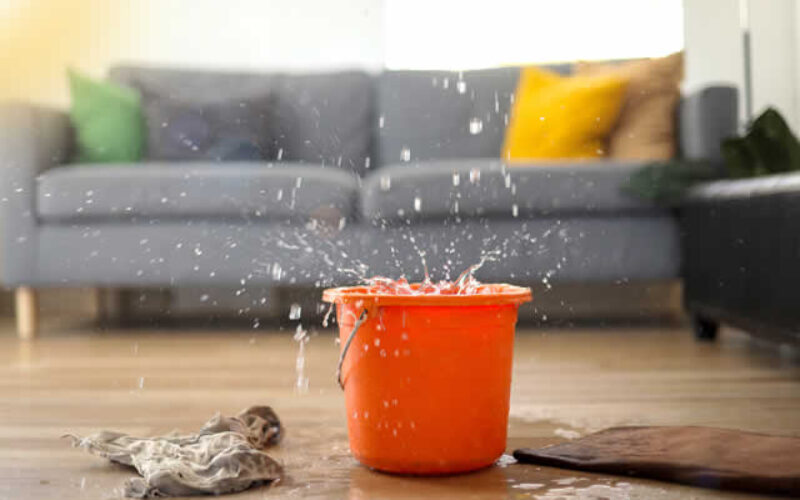
Once immediate safety steps are handled, homeowners should focus on protecting belongings. Moving furniture, electronics, and valuables away from water prevents further damage. Using towels, buckets, or containers can help contain water temporarily. Quick action reduces loss.
If possible, placing barriers or towels around affected areas limits spread. Wet materials should be removed or elevated. Carpets and rugs absorb water quickly and should be addressed early. Protecting belongings reduces restoration costs. Fast response matters.
Ventilate the Area and Begin Drying
Standing water and moisture create ideal conditions for mold growth. Opening windows and doors improves airflow and accelerates drying. Fans and dehumidifiers help remove moisture from the air and surfaces. Early drying reduces long‑term damage.
Even after visible water is removed, moisture may remain inside walls and floors. Proper ventilation helps reduce hidden dampness. Mold can begin developing within 24 to 48 hours. Drying efforts should start as soon as it is safe. Controlling moisture protects health and structure.
Avoid Temporary or Improper Repairs
While it may be tempting to apply quick fixes, improper repairs can make the situation worse. Tape, glue, or makeshift clamps rarely provide lasting solutions. These temporary measures may fail under pressure. Incorrect repairs can also complicate professional work later.
Burst pipes often indicate deeper issues within the plumbing system. A permanent repair requires proper materials and expertise. Temporary fixes should only be used to minimize damage until help arrives. Avoiding DIY shortcuts prevents additional failures. Professional repair is necessary.
where water comes from

Tracing the Journey of Water: From Its Source, Through the Home Plumbing System, to Its Final Destination
Water embarks on an incredible journey before it reaches our homes for daily use.
Contact a Plumbing Professional Right Away
Once the immediate situation is under control, contacting a qualified plumber is critical. Burst pipes require professional assessment to determine the cause and extent of damage. Proper repair ensures the issue does not happen again. Delays increase the risk of secondary damage.
Many homeowners choose to call an experienced plumber in Cypress because training and proper equipment are essential during emergencies. Professionals can repair the pipe, inspect surrounding areas, and recommend preventive measures. Expertise ensures safety and reliability. Professional response restores confidence.
Document Damage for Insurance Purposes
Documenting damage is an important step many homeowners overlook. Taking photos and videos of affected areas helps with insurance claims. Clear documentation supports faster processing. Records protect homeowners financially.
Keeping notes on the timeline and actions taken can also help. Insurance providers often require detailed information. Documentation reduces disputes. Organization supports recovery. Preparation helps long-term outcomes.
Consider Preventive Measures After Repairs
After repairs are completed, homeowners should consider steps to prevent future pipe bursts. Insulating pipes, monitoring water pressure, and scheduling inspections reduce risk. Preventive measures protect investment.
Awareness supports preparedness. Learning from the incident improves resilience. Preventive action reduces repeat emergencies. Maintenance matters. Prepared homeowners face fewer surprises.
DIY Plumbing vs. Calling a Professional
When facing a plumbing issue, it’s crucial to know whether you can handle it yourself or if you need a professional.
Minor tasks, like unclogging a drain or fixing a leaky faucet, are often manageable with basic tools and a bit of research.
However, complex problems such as burst pipes, sewer line backups, or persistent leaks should be left to licensed plumbers to avoid significant water damage.
Understanding your limits can save you time, money, and frustration by preventing a small issue from becoming a major one.
view ideas: when to call a plumber (new win)
Conclusion
A burst pipe is a serious emergency, but knowing what to do can greatly reduce damage and stress. Shutting off water, protecting safety, draining the system, and calling a professional are critical steps. Early action limits repair costs and prevents long‑term issues.
Avoiding temporary fixes and documenting damage supports recovery. Preparation and awareness empower homeowners during emergencies. Quick, informed response makes all the difference.
| Step | Description | Key Actions | Outcome |
|---|---|---|---|
| Shut Off the Main Water Supply | Stop the water flow to the damaged pipe by turning off the main water valve. | Locate the valve, turn it off quickly but gently; reduce flow if unable to shut completely. | Prevents flooding, limits damage, and buys time for further actions. |
| Turn Off Electricity in Affected Areas | Address electrical safety if water is near outlets, appliances, or electrical panels. | Shut off breakers for affected zones; avoid touching wet electrical equipment. | Reduces risk of electric shock or fire, ensuring safety for everyone. |
| Drain Remaining Water | Release pressure in the plumbing system and remove residual water. | Turn on cold water faucets, flush toilets, and leave faucets open. | Reduces ongoing leakage and prepares the system for repairs. |
| Protect Belongings and Contain Water | Move valuables, furniture, and electronics away from water; contain spread. | Use towels, buckets, or barriers; elevate wet materials like rugs and carpets. | Prevents additional damage and reduces restoration costs. |
| Ventilate and Begin Drying | Improve airflow to reduce moisture and prevent mold growth. | Open windows and doors; use fans and dehumidifiers if possible. | Limits long-term structural damage and health risks from mold. |
| Avoid Improper Repairs | Temporary fixes are ineffective and can worsen the damage. | Only apply quick fixes in emergencies; wait for professional repairs. | Prevents further failures and ensures permanent solutions. |
| Contact a Plumbing Professional | Call an experienced plumber to evaluate and repair the issue. | Select qualified professionals; allow them to inspect and recommend measures. | Restores safety, reliability, and prevents recurrence. |
| Document Damage for Insurance | Photograph and record affected areas for insurance purposes. | Take photos, videos, and notes on actions taken during the emergency. | Supports faster insurance claims and ensures financial protection. |
| Consider Preventive Measures | Implement steps to avoid future plumbing emergencies. | Insulate pipes, monitor water pressure, and schedule regular inspections. | Reduces the likelihood of repeat issues and protects investment. |

Find Plumbing Services Plumbing Issues Drain Clearing Septic/Sewers Water Heaters Pumps Water Softening top-rated, pre-screened local contractors FREE: download contractor selection enter zip code – powered by HomeAdvisor ™
Find Plumbing Services Plumbing Issues Drain Clearing Septic/Sewers Water Heaters Pumps Water Softening top-rated, pre-screened local contractors FREE: download contractor selection enter zip code – powered by HomeAdvisor ™


Image credit: pipe bursts by envato.com
end of post … please share it!
| more photo remodeling |
Jump Over to Our Photo Analysis Center for Ideas on
"Renovating Home"
|__________________________________________________________|
home remodeling surprise
find out where it might go - new win


Helpful article? Leave us a quick comment below.
And please share this article within your social networks.