If you’re a hands-on homeowner keen to avoid future leaks or costly repairs, you need to understand your options. Here are the best materials to enhance your home’s plumbing, so that you’re prepared for whatever challenges lie ahead.
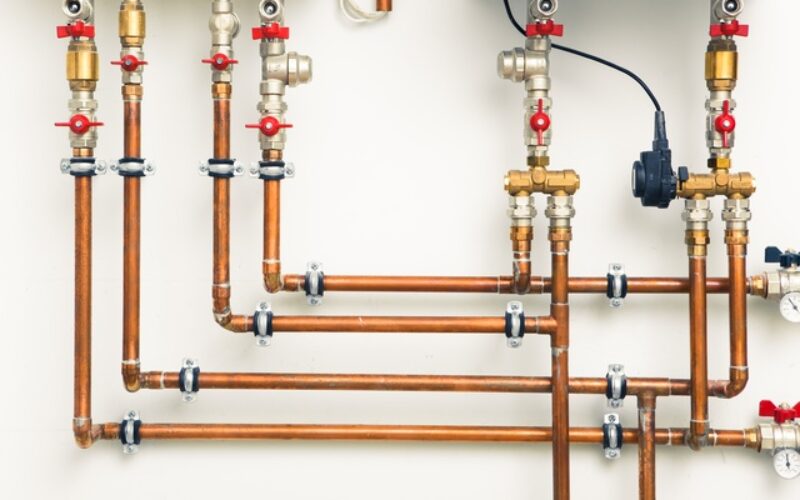
Copper Pipes
Copper pipes have long stood the test of time and are a favorite among plumbers everywhere. These pipes boast excellent durability, lasting up to 50 years or more, provided they are properly installed and maintained.
Copper resists corrosion and withstands cold and hot temperatures, making it suitable for use in water supply and heating lines. It’s also naturally biostatic, limiting bacteria growth within pipes and keeping your water cleaner.
However, copper comes with a higher price tag and requires professional installation due to its need for soldering. If you want longevity and minimal maintenance, copper is an excellent bet, but it won’t be the most budget-friendly choice for extensive DIY projects.
Brass Pipes
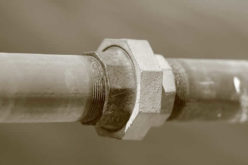
Brass pipes may not be as common as other materials, but they offer several impressive benefits for home plumbing. Made primarily of copper and zinc, brass pipes are highly resistant to corrosion.
They boast excellent durability and support high water pressure, and many homeowners appreciate their slightly rustic, gold-toned appearance. Using brass valves offers versatility in various applications, including hot water distribution and large-scale plumbing, due to their ease of installation and longevity.
One downside is cost, as brass is expensive, and it may contain trace amounts of lead unless you specifically request lead-free varieties. Always double-check for “lead-free” certification, especially in older homes.
PVC Pipes
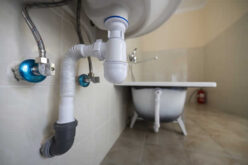
If you’re looking for a light, versatile, and affordable plumbing material, PVC pipes (polyvinyl chloride) are tough to beat. Favored in DIY projects for their low cost and ease of installation, PVC pipes are ideal for cold water systems and waste lines. No torching or soldering required; a simple hacksaw and solvent cement will complete most jobs.
That said, PVC isn’t suitable for hot water applications, as it softens and may warp when exposed to high temperatures. And while it repels corrosion and rust, it does not withstand significant physical impacts over time. Still, for quick repairs, renovations, or extending drain systems, PVC is a reliable go-to.
CPVC Pipes
CPVC (chlorinated polyvinyl chloride) builds on regular PVC by adding extra resistance to heat. This makes CPVC pipes an excellent choice for hot and cold water lines and a flexible alternative to copper. CPVC handles water temperatures up to 200°F (about 93°C), so it’s well suited for kitchen and bathroom supply lines.
Like PVC, CPVC is lightweight, easy to cut, and simple to install for DIY projects. However, it typically costs a bit more and may become brittle in freezing conditions; therefore, homeowners in colder climates need to insulate their pipes carefully. Always use the correct CPVC fittings and adhesives to ensure leak-proof connections.
Selecting the best plumbing material for your home depends on your priorities. Remember to match your choice to the intended use and local regulations.
For tailored plumbing tips and even more material comparisons, consult with a specialist about your home’s systems. Your perfect pipe solution is within reach!
Image Credentials: By nikkytok, 79547066
end of post … please share it!
| more photo remodeling |
|__________________________________________________________|
home remodeling surprise
find out where it might go - new win


Helpful article? Leave us a quick comment below.
And please share this article within your social networks.