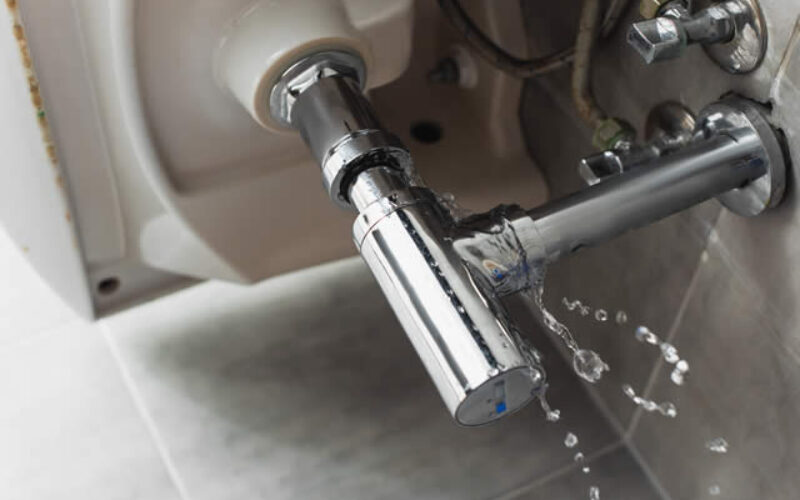
Whether the pipe failure occurs due to freezing temperatures, corrosion, pressure buildup, or age, the immediate response should focus on limiting water flow, protecting your property, and setting the stage for effective cleanup and repairs.
While the situation may feel overwhelming, a calm and informed approach helps prevent further harm and speeds up the return to normalcy.
- post content
- Stop the Water Flow and Secure the Area
- Remove Standing Water and Protect Belongings
- Begin Drying and Contact Professionals
- Document the Damage and Coordinate with Insurance
- Prevent Future Pipe Bursts and Strengthen Home Systems
- conclusion
- view notes:collective tips
- view ideas:latest remodeling analysis
- view post (new win):Kitchen Countertop Appliances
Stop the Water Flow and Secure the Area
The very first step when a pipe bursts is to stop the flow of water. Homeowners should locate the main water shut off valve, typically found in basements, utility rooms, garages, or along exterior utility walls.
Turning it off prevents more water from entering the broken line and reduces flooding throughout the home. If the pipe burst near electrical systems or appliances, it may also be necessary to shut off electricity to the affected area to prevent shocks or equipment hazards.
Safety should always come before cleanup. Water can make floors slippery and can hide hazards under pooled areas. If the burst pipe involves hot water lines, temperatures may be high enough to cause burns.
Once the water is off and the area is safe to navigate, homeowners can begin assessing visible damage without putting themselves at risk.

Remove Standing Water and Protect Belongings
After securing the home, the next priority is removing standing water. The longer water remains inside the property, the more damage it causes to flooring, drywall, insulation, and structural components.
Using mops, towels, wet vacuums, and buckets can help control the spread, especially in the early minutes before professionals arrive. If the affected area is large, positioning fans to improve air movement can also help slow moisture absorption.
During this phase, homeowners should move belongings out of the wet zone. Furniture, clothing, electronics, artwork, and important documents are often vulnerable to even small amounts of exposure. Elevating items or relocating them to dry rooms limits losses and creates clear access for cleanup crews.
While it may feel tempting to save everything immediately, focusing on preventing additional saturation makes a significant difference in long term outcomes.
more info below

Home Plumbing Tricks and Tips: How Best to Maintain Your Plumbing Drainage System
Keeping your home’s plumbing drainage system in optimal condition is essential for avoiding inconvenient and costly issues like clogs and backups.
Begin Drying and Contact Professionals
Drying the affected area must begin as soon as possible. Even if the visible water has been removed, moisture continues to seep into materials. This allows mold growth to take hold in as little as twenty four to forty eight hours.
Opening windows, running fans, and increasing ventilation are helpful starting points, but large scale flooding requires specialized equipment. Industrial dehumidifiers, air movers, and moisture detection tools are essential for restoring safe humidity levels.
At this stage, it becomes important to contact trained professionals. Licensed restoration teams have the experience and equipment required to evaluate underlying issues that homeowners might miss. Their assessments determine whether materials can be salvaged or must be removed.
This is also the period where water damage restoration services begin, ensuring that the space is thoroughly dried and treated to prevent structural weakening or microbial growth. Calling in experts as soon as possible reduces the risk of long term complications.
Document the Damage and Coordinate with Insurance
Before disposal or large scale cleanup begins, it is critical to document the damage. Insurance companies often require detailed evidence to process claims. Homeowners should take multiple photos and videos of every affected area, including damaged pipes, soaked floors, ruined belongings, and any structural issues.
Written notes that describe the timeline of the incident and the actions taken during the first hours can further support a successful claim.
With documentation in hand, contacting the insurance provider should be the next step. Representatives will guide homeowners through claim procedures, approved contractors, and reimbursement expectations.
Keeping receipts for cleanup supplies, temporary housing, and professional services is essential for accurate compensation. Clear communication and thorough documentation help streamline the entire process.
Prevent Future Pipe Bursts and Strengthen Home Systems
Once the immediate emergency has been addressed, homeowners can begin focusing on prevention. Many pipe bursts are avoidable, especially those caused by freezing temperatures or deteriorating lines.
Insulating exposed pipes, maintaining steady indoor heat during cold weather, and sealing drafts can reduce winter related failures. Scheduling routine plumbing inspections helps identify corrosion, weak joints, or outdated materials before they become emergencies.
Homeowners may also consider installing water leak detection systems that alert them to unusual moisture or flow patterns. These technologies provide early warnings that reduce damage severity and response time. Strengthening plumbing infrastructure now can provide long lasting protection and reduce the likelihood of future disruption.
more info below

Tracing the Journey of Water: From Its Source, Through the Home Plumbing System, to Its Final Destination
Water embarks on an incredible journey before it reaches our homes for daily use. Starting from natural sources like rivers, lakes, or underground aquifers, it undergoes extensive treatment processes to ensure it is clean and safe for consumption.
Conclusion
A burst pipe can feel like a major setback, but understanding the right steps to take in the first hours can drastically limit the extent of the damage. Shutting off the water, securing the area, removing moisture, contacting professionals, documenting the loss, and planning for prevention all play a vital role in restoring safety and stability to your home.
With the proper approach and support, homeowners can navigate the situation with confidence and move forward with a stronger and more resilient property.
other related analysis of interest: (new win)
Elevate Your Greenery: The Ultimate Guide to Indoor Plant Stands and Holders
Revolutionizing Personal Wellness: The Guide to Smart Scales
Find Plumbing Services Plumbing Issues Drain Clearing Septic/Sewers Water Heaters Pumps Water Softening top-rated, pre-screened local contractors FREE: download contractor selection enter zip code – powered by HomeAdvisor ™


Image credit: what to do after a pipe bursts by envato.com
end of post … please share it!
| more photo remodeling |
Jump Over to Our Photo Analysis Center for Ideas on
"Renovating Home"
|__________________________________________________________|
home remodeling surprise
find out where it might go - new win


Helpful article? Leave us a quick comment below.
And please share this article within your social networks.