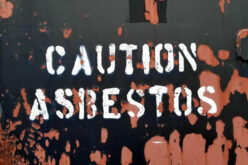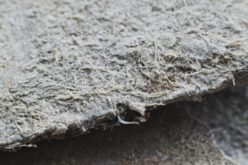
While seasonal and food allergies are common for many, renovating a home can also bring a variety of potential allergens to light, aside from the commonly found dust.
From the presence of mold to the importance of using cleaning products wisely, here are just a couple lesser-known allergens and irritants to be aware of before starting a renovation.
The Health Effects of Mold
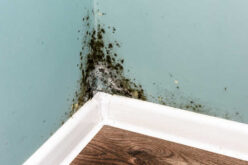
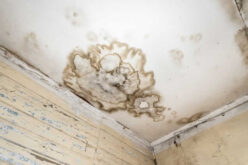
Coming across mold during a renovation may not be a surprise, especially if you’re renovating after a flood or water damage, though it’s important to realize that there are health issues associated with exposure to mold.
For those who have a mold allergy, symptoms of allergic rhinitis caused by a mold allergy may include sneezing, runny/stuffy nose, cough and postnasal drip, itchy eyes, nose and throat, watery eyes, and dry skin.
While these symptoms can vary from person to person, the Mayo Clinic notes that if you have a mold allergy and asthma, your asthma symptoms can be triggered by exposure to mold spores.
According to the Cleveland Clinic, an allergy to mold or other environmental substances happens to one in five people among those with allergies. While the Cleveland Clinic notes that you can’t prevent a mold allergy from occurring, cleaning up or removing the mold — while wearing the proper safety gear — is essential.
However, it’s worth mentioning that there are instances where the help of a professional should be enlisted — such as if you happen to experience severe reactions to mold.

| Acremonium (drainage areas) | view samples | |
| Alternaria (showers, bathtubs) | view samples | |
| Aspergillus (on walls) | view samples | |
| Aureobasidium (wood surfaces) | view samples | |
| Chaetomium (water damage) | view samples | |
| Cladosporium (fabrics) | view samples | |
| Fusarium (food) | view samples | |
| Mucor (damp carpet, rugs) | view samples | |
| Penicillium (food, mattress) | view samples | |
| Stachybotrys (black mold) | view samples |
Understanding Black Mold
| About Black Toxic Mold | view samples | |
| Black Mold Symptoms | view samples | |
| What is Black Mold | youtube | |
| How to Kill Black Mold | youtube |
Types of Good Mold
| Penicillium (makes penicillin) | view samples | |
| Cheese (blue cheese, gorgonzola) | view samples | |
| Mushrooms (growing) | view samples | |
| Fermentation (the process) | view samples |
Air Purifiers
| – HEPA filter air purifiers | view ideas | |
| – activated carbon | view ideas | |
| – UV purifier | view ideas | |
| – ozone air purifier | view ideas |
viewing amazon air safety
The Risks of VOCs
According to the Environmental Protection Agency (EPA), Volatile Organic Compounds (VOCs) are emitted as gasses from certain solids or liquids, and are emitted by a wide number of products — including paints, varnishes, cleaning, and hobby products.
The EPA points out that VOCs include a ‘variety of chemicals,’ some of which may have short and long term adverse health effects. The EPA lists a variety of health effects that can be caused by exposure to VOCs, including eye, nose, and throat irritation, headaches, loss of coordination, nausea, and even damage to the liver, kidney and central nervous system, underlining just how important it is to be aware of the risks involved.
With that said, taking steps to reduce your exposure to VOCs during a renovation is essential, and include taking actions such as increasing ventilation when using products that emit VOCs (such as when painting or varnishing), always following instruction labels carefully, and storing/disposing of materials safely.
Renovation Clean Up Exposure
Cleaning up before or after a renovation is a common task on the to-do list, though even common cleaning products can pose a health hazard, especially when considering that VOCs can be found in cleaning products as well.
Adverse health effects from cleaning products can largely be attributed to their contents — for instance, mild exposure to ammonia will result in coughing as well as irritation to the nose/throat.
Formaldehyde is another chemical that can be found in cleaning products and is known to be a VOC, and can irritate the upper respiratory tract as well as cause skin irritation. However, the risks can be even greater — according to the Toxic Substance & Disease Registry, formaldehyde could lead to nose and throat cancer.
other related articles of interest:
When possible, using alternative cleaning methods that are more natural can make cleaning a healthier experience. Thankfully, there are a variety of options — for example, before renovating the kitchen, cleaning windows with a natural solution of vinegar or lemon juice and water can make for a streak-free shine without the harsh smells or chemicals of ammonia.
While preparation for any renovation involves gathering supplies and creating a well thought out plan, considering health factors and risks aside from the common presence of dust is essential when it comes to safety.
By taking into account the dangers lurking behind cleaning products, mold, and the risks of VOCs, you can prepare accordingly.
Find Home Cleaning Services Home Cleaning Carpet-Drapes Property Clean-Up Windows top-rated, pre-screened local contractors FREE: download contractor selection enter zip code – powered by HomeAdvisor ™


Image credit: by envato.com
end of post … please share it!
|__________________________________________________________|
home remodeling surprise
find out where it might go - new win


Helpful article? Leave us a quick comment below.
And please share this article within your social networks.