If you’re not careful, construction can be dangerous for you, your kids, and your pets. Here are some considerations to keep in mind to keep your family safe and orchestrate the best remodeling project possible.
Great Projects To Consider
The safety considerations you put in place will often depend on the type of project you’re doing, so think about all the great ideas that could improve your home. There are many suggestions for remodeling every room in your house, whether you’re adding completely new fixtures or applying a fresh coat of paint.
You could improve the bathroom by creating more space and adding trendy tiles. You can add more storage options or enlarge the windows in the bedroom. You can also do a lot in the kitchen by adding updated cabinets, granite countertops, and modern appliances.
There’s also the opportunity to make your home more eco-friendly by adding more insulation to the walls to reduce energy leakage. This could also be when you decide to install solar panels. They provide a great way to cut down on your electric bill and power your home with the sun’s strength.
Dangers To Consider
There are many different dangers and scenarios to consider when keeping your family safe during the remodel, and a big one is being cautious around lead paint. On one hand, lead paint can dry faster and retain moisture, but prolonged exposure can lead to organ and brain damage. That’s why you need a professional to work with it, and if you’re not sure if your space has lead paint, get it tested.
Another common concern is walking into the rooms where the work is being completed and getting hurt. Whether you’re doing the work yourself or hiring a team, it’s essential to designate the workspaces and keep the kids out of them until the project is complete. There could be uneven flooring, tools lying around, falling objects, and more, so it’s best to stay out.
If you’re doing any of the work yourself, then you must also wear the proper safety equipment, including gloves, masks, and eye protection. It’s also necessary to wear appropriate footwear, which should be comfortable but made from a material that will protect your feet.
Your shoes may require a steel toe or impact-resistant toe cap. If you don’t know what to buy, contact your contractor.

Before you start any home remodeling – such as a kitchen or bathroom remodeling, adding an addition, building a new section onto the home, and other major renovation project, run some financial numbers to determine whether the renovation is a smart investment.
The numbers include the estimated costs, home value assessment, financing costs, and other related calculations.
Review these cost-related issues to remodeling vs. buying a new home.
links to internal page (opens new win)
| analyze the numbers | |
| estimate the cost of your project | |
| start assembling a budget | |
| get your home value |
The 2nd step for planning your home remodeling is deciding what you would like to do.
Will it be a –
- remodeling your kitchen or bathroom,
- converting the attic or basement,
- adding an addition or extension to the home,
- changing out your deck or patio into an all-season room,
- upgrading the home with new windows, doors and flooring,
- redesigning your landscape with new features,
- or something else.
You can find other home remodeling ideas by referencing our home renovation analysis and topic directories (opens new win)
| view remodeling design "ideas" directory | |
| view latest "topics" for home renovation | |
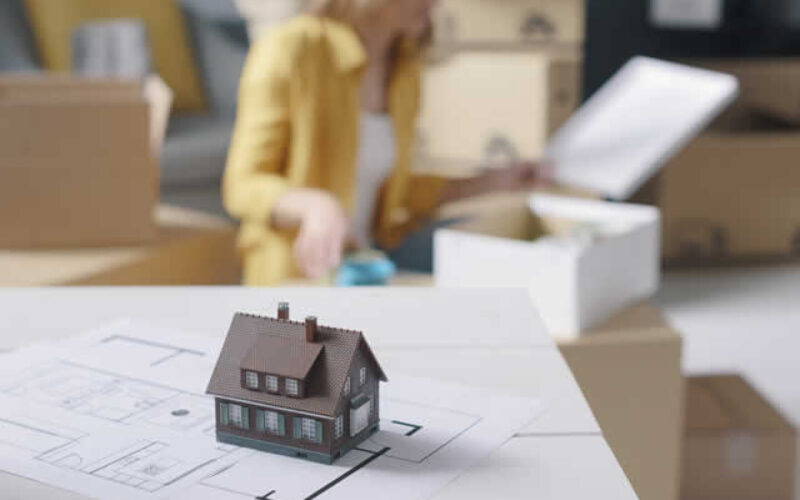
Step 3 is sketching your ideas on paper (or digitally) and developing the spec plan.
The spec plan determines what type of home remodeling materials, items, and design considerations that will be needed. It will also contain the product specifications for each renovation element.
You will use the spec plan and architectural design to bid the project out to a contractor.
links to internal page (opens new win)
| developing the spec plan | |
| sketch remodeling plan | |
| design considerations |
Step 4 is finding and negotiating the contract with a remodeling contractor.
Give your home remodeling ideas and specs to a contractor for review and bid analysis. Use the local network (aligned with HomeAdvisor) to find the right contractor for your project.
Review guides for contractor selection and negotiation.
links to internal page (opens new win)
| search remodeling contractors | |
| selecting your contractor checklist |
| contractor negotiations | |
| contractor evaluation form |
Step 5 is arranging financing once you selected the contractor and finalized the contract for your project.
Using the equity value in your home is one of the best financing option for home remodeling. Start with a home equity line of credit or use the bank equity program.
Other options may include cash-out refinancing, personal savings, and/or financing from home improvement contractors.
links to internal page (opens new win)
| financing options | |
| getting qualified for financing | |
| negotiate rates |
Step 6 is where the project begins.
It starts with setting up the work area, removing everything that needs to be replaced, installing electrical and network connections, putting in the final touches, etc.
It also means working with the contractor, managing the project, and getting the home remodeling project inspected before releasing any funds.
links to internal page (opens new win)
| working with the contractor | |
| managing remodeling project |
| about a home project inspections | |
| find home inspector |
Keep The Safety Of Pets In Mind
Since your pets will not really understand what’s occurring, you need to be extra vigilant about their safety. Keep them out of the construction area by setting up a safe haven for them in a different room and adding their food, toys, and bed.
You should also be cautious of loud noises, especially if your pet is usually skittish around fireworks or the vacuum. If there’s a particular day when nail guns and drills will be used consistently, consider bringing the pet out of the home for a playdate or have them stay with a friend.
If your renovation is so extreme that you’re knocking out a wall or moving items that have been in place for years, you also need to watch out for pests that may be harmful to your pet.
Ants can bite, boxelder bugs can carry disease, and caterpillars have microscopic hairs that can get caught in your pet’s throat if eaten. To protect your pet, keep them away from the construction area and shampoo them often to remove bugs that may try to get underneath your pet’s fur.
Don’t Forget The Neighbors
As a final tip, don’t forget to keep your neighbors in mind, especially when it comes to loud noises, scraps, and construction materials that may make their way outside your home.
other related articles of interest:
What You Should Do While Your Home Undergoes Renovations
Exploring Different Financing Options for Home Renovations: Pros and Cons
Reach out to neighbors ahead of time to inform them that you’ll be doing work and tell them the dates and times that they may expect some noise. Try to be courteous and renovate only during regular working hours when most people will be at work, and try to avoid weekends.
Also, as you create waste, dispose of it properly so it doesn’t create an eyesore. Get a large dumpster to hold the trash and clean up as you work. Remember all zoning laws so you don’t infringe on anyone’s property.
Vigilance and attention to detail are necessary when you’re keeping your family safe during a renovation, so follow these tips and get your dream house while protecting your loved ones.
Find Home Remodeling Services Additions Major Remodels Minor Remodels Disability Needs Plumbing Drain Clearing Appliances Electrical top-rated, pre-screened local contractors FREE: download contractor selection enter zip code – powered by HomeAdvisor ™


Image credit: home renovations to protect yourself by envato.com
end of post … please share it!
|__________________________________________________________|
home remodeling surprise
find out where it might go - new win


Helpful article? Leave us a quick comment below.
And please share this article within your social networks.