The reality is that smart homes, with their abundance of cables, devices, and new lighting systems, can introduce unexpected trip hazards that put your family at risk.
Falls are the leading cause of injury-related death among adults over 65, and they’re also a significant concern for families with young children who are still developing their coordination and spatial awareness. When you’re transforming your home into a connected haven, the last thing you want is for that same technology to become a source of accidents.
The good news is that with thoughtful planning and strategic implementation, you can enjoy all the benefits of smart home technology while keeping your living space safe for everyone who calls it home.
This guide will walk you through practical solutions for managing the most common trip hazards in smart homes, ensuring your family can move confidently through your tech-enabled space.
- post content
- Understanding Trip Hazards in Smart Homes
- Cable Management Strategies
- Smart Lighting Solutions
- Optimizing Smart Device Placement
- Advanced Technology for Fall Prevention
- Safety Tips for All Ages
- Creating Your Safety-First Smart Home Plan
- view table:content summary
- view notes:collective tips
- view ideas:latest remodeling analysis
Understanding Trip Hazards in Smart Homes
Smart homes introduce unique safety challenges that traditional homes simply don’t face. While technology enhances our daily routines, it can also create obstacles that weren’t there before.
The most obvious culprit is the tangle of cables that seems to multiply with every new smart device you add. Power cords for smart speakers, charging cables for tablets and phones, ethernet cables for reliable internet connections, and USB cords for various gadgets can quickly turn your floors into an obstacle course.

These cables often snake across walkways, around furniture legs, and through doorways where family members least expect them.
Poor lighting presents another significant challenge. Many smart home enthusiasts get so focused on the convenience of automated lighting that they forget about safety.
Dimmed lights that respond to motion sensors might not activate quickly enough, or they might not provide adequate illumination for safe navigation.
Additionally, smart devices themselves can become trip hazards when placed in high-traffic areas or when they’re not properly secured to surfaces.
The placement of smart hubs, charging stations, and other devices on floors or in walkways creates yet another layer of risk. Unlike furniture that has a permanent place in your home’s layout, these devices might get moved during cleaning or rearranging, ending up in unexpected locations where family members might stumble over them.

Cable Management Strategies
Effective cable management forms the foundation of smart home safety, and the solutions are more accessible and affordable than many homeowners realize.
Cable sleeves and organizers offer an immediate improvement for managing multiple cords. These flexible tubes bundle several cables together, reducing the visual clutter while keeping cords contained in designated pathways.
You can route these organized cable bundles along walls, under furniture, or through specially designed channels that blend seamlessly with your decor.
Wall-mounted cable management systems take organization to the next level. Adhesive cable clips can guide cords along baseboards and up walls, keeping them completely out of foot traffic areas. For a more permanent solution, cable raceways provide enclosed channels that protect cables while maintaining a clean, professional appearance.
Wireless technology deserves serious consideration wherever possible. Modern smart home devices increasingly offer wireless connectivity options that can eliminate cables entirely. Smart speakers with long-lasting batteries, wireless charging pads, and devices that connect via Wi-Fi instead of ethernet can dramatically reduce your cable load.
When cables are unavoidable, strategic routing becomes essential. Plan pathways that follow the room’s perimeter rather than cutting across open spaces. Use furniture placement to your advantage by running cables behind couches, under area rugs, or through gaps between furniture and walls where foot traffic is minimal.
Smart Lighting Solutions
Thoughtfully designed smart lighting systems can transform your home’s safety profile, but they require careful planning to maximize their effectiveness.
Motion-activated lights represent one of the most valuable safety investments you can make. These sensors should be positioned to illuminate key pathways before you enter them, particularly on staircases, in hallways, and near doorways.
The key is calibrating sensitivity levels so lights activate early enough to prevent stumbles but don’t create a disco effect every time someone shifts in their chair.
Adjustable brightness settings allow you to customize lighting levels throughout the day and night. Gentle nighttime illumination can guide safe movement without disrupting sleep patterns, while brighter settings during active hours ensure optimal visibility for daily tasks.
Many smart bulbs offer warm-to-cool color temperature adjustments that can enhance visibility during different activities.
Remote control capabilities add an extra layer of convenience and safety. Being able to illuminate a room before entering it means you never have to navigate unknown obstacles in darkness. This feature proves particularly valuable for elderly family members or anyone returning home after dark.
Consider pathway lighting that creates consistent illumination routes through your home. Smart LED strips under cabinets, along stair edges, or beneath handrails can provide subtle guidance that helps family members navigate safely without creating harsh shadows or glare.
Optimizing Smart Device Placement
Strategic device placement requires thinking like a safety inspector while maintaining the functionality that makes smart homes so appealing.
High-traffic areas should remain as clear as possible. Resist the temptation to place smart hubs, charging stations, or speakers in hallways, near doorways, or in the middle of rooms where they might catch feet or create obstacles. Instead, position these devices on sturdy surfaces away from main pathways but still within range of their intended functions.
Securing devices prevents accidental displacement that can create unexpected hazards. Wall mounts work well for many smart devices, keeping them functional while removing them from floor level entirely. When devices must remain on surfaces, consider using non-slip mats or mounting tape to prevent them from sliding during cleaning or accidental contact.
Voice command integration reduces the need for physical interaction with devices, minimizing the chances that family members will need to navigate around them. Teaching everyone in your household how to use voice commands effectively means fewer trips across rooms to manually adjust settings.
Height considerations matter significantly, especially in homes with children or elderly residents. Devices placed too low become trip hazards, while those positioned too high might require unsafe reaching or climbing to access. The ideal placement keeps essential functions within easy reach while maintaining clear floor spaces.

Advance Your Living Space with Smart Home Automation
This smart home automation guide is designed to help you harness the full potential of innovative gadgets that can streamline daily tasks and improve your living experience.
Advanced Technology for Fall Prevention
Modern technology offers sophisticated solutions that go beyond traditional safety measures to actively prevent accidents.
Smart sensors can detect falls and automatically alert emergency services or family members. These systems typically combine motion sensors, cameras, and artificial intelligence to distinguish between normal activities and potential emergencies. While primarily designed for elderly residents, these systems benefit anyone who might experience a medical emergency or accident while alone.
Wearable devices provide personal monitoring that travels with family members throughout the home. Modern fitness trackers and smartwatches can detect unusual movement patterns that might indicate a fall or loss of balance. Some advanced models even provide gentle vibrations or audio alerts when they detect potentially dangerous situations.
AI-powered systems learn family members’ movement patterns and can identify when someone is navigating differently than usual. These systems might detect if an elderly family member is walking more slowly or unsteadily than normal, potentially indicating increased fall risk that warrants attention.
Smart flooring technology, while still emerging, offers fascinating possibilities for the future. Pressure-sensitive floors can detect unusual impacts or movement patterns, while smart rugs can provide gentle guidance through embedded lighting or tactile feedback.
Safety Tips for All Ages
Different life stages require tailored approaches to smart home safety that address specific vulnerabilities and capabilities.
Families with young children need to consider that little ones are naturally curious about new devices and may not understand safety boundaries. Childproofing smart homes means securing cables completely out of reach, using outlet covers on smart plugs, and positioning devices where small hands can’t grab them.


Voice-activated systems work particularly well in homes with children because they reduce the need for physical device interaction.
Senior-friendly adaptations focus on maintaining independence while maximizing safety. This might include installing smart lighting with larger, easier-to-see switches, using voice commands instead of small touchscreens, and ensuring that emergency alert systems are easily accessible.
Motion sensors should be calibrated to accommodate slower movement speeds, and lighting should provide ample illumination without creating glare.
Creating a safe environment for everyone requires ongoing attention and adjustment. Regular safety walks through your home can identify new hazards as you add devices or rearrange spaces.
Family meetings about smart home safety help ensure everyone understands how to use systems safely and knows what to do if something goes wrong.
Consider establishing charging stations in dedicated areas rather than having cables scattered throughout living spaces. A central charging location keeps cables contained while ensuring devices are always ready when needed.
Creating Your Safety-First Smart Home Plan
Building a safer smart home doesn’t require sacrificing the convenience and innovation that drew you to smart technology in the first place. The key lies in thoughtful planning that prioritizes safety alongside functionality.
Start with a room-by-room assessment of your current setup, identifying existing trip hazards and planning improvements before adding new devices. This foundation ensures that safety considerations guide your smart home expansion rather than becoming an afterthought.
Remember that smart home safety is an ongoing process, not a one-time project. As technology evolves and your family’s needs change, your safety strategies should adapt accordingly. Regular maintenance of cable management systems, periodic testing of motion sensors, and updates to device placement can prevent small issues from becoming serious hazards.
The investment in smart home safety pays dividends in peace of mind and protection for your family. By implementing these strategies, you’re creating a living space that truly lives up to the promise of smart home technology: making your life better, easier, and safer.
other related analysis of interest: (new win)
The Messiest Trees: Why Some Species Turn Fall Cleanup Into a Major Chore
The Art of Timekeeping: Choosing the Perfect Home Timepieces
| Category | Solutions | Benefits | Considerations |
|---|---|---|---|
| Cable Management |
|
|
|
| Lighting |
|
|
|
| Device Placement |
|
|
|
| Advanced Technology |
|
|
|

Find Home Security Services Home Security Alarms Home Automation Generators Networks/Phone Computers/ Media top-rated, pre-screened local contractors FREE: download contractor selection enter zip code – powered by HomeAdvisor ™


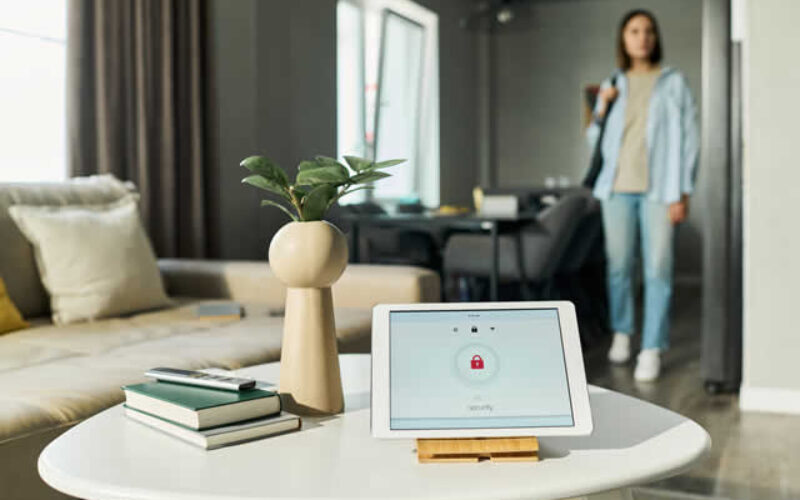
Image credit: smart home safety by envato.com
end of post … please share it!
| more photo remodeling |
Jump Over to Our Photo Analysis Center for Ideas on
"Renovating Home"
|__________________________________________________________|
home remodeling surprise
find out where it might go - new win


Helpful article? Leave us a quick comment below.
And please share this article within your social networks.