Quick Answer:
A flexible play/study room combines modular furniture, clearly defined activity zones, and smart screen-time tools to create one adaptable space where children can craft, do homework, read, and play. This approach supports healthy development, encourages focus, and grows with your child over time.
The solution lies in a flexible play/study room—a single, adaptable space built around modular furniture, clearly defined activity zones, and smart tools for managing screen time.
Done well, this kind of room supports your child’s development, encourages independence, and grows alongside them, all while giving you a little more peace of mind.
This guide walks you through the concept, the furniture, the zoning, the screen-time strategy, and the design details that pull it all together.
- post content
- Understanding The Flexible Room Concept
- Choosing Modular Furniture For Adaptability
- Creating Dedicated Activity Zones
- Implementing Screen Time Management
- Design Tips For A Cohesive Space
- Building A Room That Grows With Your Child
- FAQs
- view table:content summary
- view notes:collective tips
- view analysis:Designing Study Room Areas
- view ideas:latest remodeling analysis
Understanding The Flexible Room Concept
A flexible play/study room is a space designed to shift with your child’s needs throughout the day. In the morning it might host a craft project. By afternoon, it becomes a quiet homework corner.
Come evening, it’s a cozy reading nook or an open floor for imaginative play. Rather than dedicating separate rooms to each activity—a luxury most families don’t have—you create one room that transitions gracefully between purposes.
The value goes beyond saving space. Children thrive when their environment supports different modes of learning and play. A well-organized room helps them concentrate during study time, express themselves during creative time, and unwind when they need rest.
It also nurtures independence, giving kids the freedom to choose activities and take ownership of their space.
Flexibility matters most because children change quickly. A layout that suits a five-year-old will feel cramped and childish to a ten-year-old. Building adaptability into the room from the start means you won’t be starting over every couple of years.

Choosing Modular Furniture For Adaptability
Modular furniture is the backbone of any flexible room. Unlike fixed pieces, modular systems can be rearranged, stacked, or expanded as your child grows and their interests evolve. A set of storage cubes, for instance, can serve as low toy bins for a toddler, then be reconfigured into open shelving for books and school supplies later on.
Look for adjustable desks that rise in height over the years, sparing you the cost of frequent replacements and supporting good posture during long homework sessions. Convertible shelving units offer similar longevity, shifting from display space to study storage as needs change.
Seating that doubles as storage—ottomans and benches with hidden compartments—keeps clutter at bay while adding versatility.
The best modular pieces share a few traits: they’re durable, easy for children to move or access on their own, and designed with clean lines that suit multiple functions. Investing in quality here pays off over years of daily use.
how to incorporate a home study room area

Designing Study Room Areas Where Your Children Can Grow
Designing a study room specifically for children plays a vital role in supporting their education and overall growth.
Creating Dedicated Activity Zones
You don’t need multiple rooms to give each activity its own home—you need thoughtful zoning within one. Dividing the room into distinct areas for crafts, homework, reading, and play helps children mentally shift gears as they move from one activity to the next.
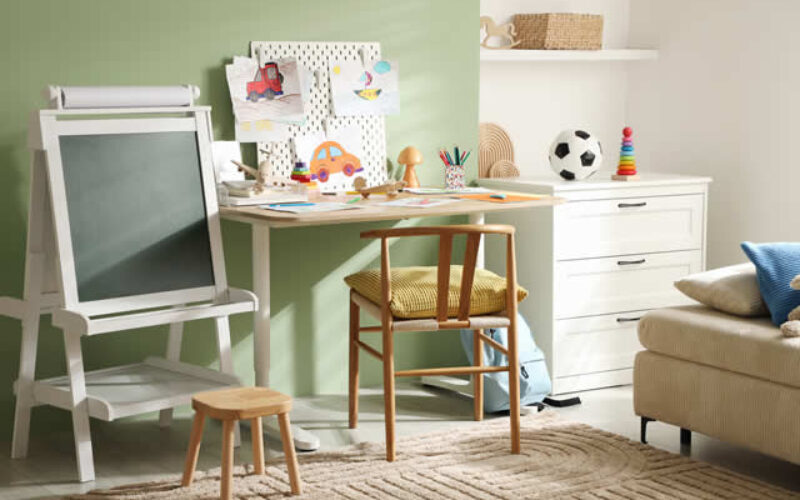
Physical and visual boundaries make these zones work. A rug can anchor a reading corner. A low bookshelf can separate the play area from the study desk. A change in lighting or wall color signals a change in purpose.
These cues help children understand what a space is for, which in turn helps them focus. Research supports the effect: one 2023 study found that students who completed homework in a device-free environment scored 15% higher on subsequent tests, underscoring how much the setting shapes concentration.
Keep the homework and reading zones calm and low on distraction, and reserve brighter, more open areas for messy crafts and active play. Even in a small room, a few well-placed markers can create a surprising sense of separation.
Implementing Screen Time Management
No flexible room is complete without a plan for managing screens. The numbers tell the story: children aged 8 to 10 average about six hours of screen time per day, and teens exceed eight hours, according to CDC data.
A 2025 Lurie Children’s survey found that 81% of children under 13 now have their own device, and kids are logging roughly 21 hours of screen time weekly—more than double the nine hours parents consider ideal. More than half of parents (54%) worry their child is addicted to screens.
The good news is that structure and involvement make a measurable difference. A 2025 scoping review published in the International Journal of Technology in Education concluded that parental involvement plays a major role in shaping children’s digital habits.
Practical steps go a long way here. Setting up a device charging station outside the room removes the temptation of screens during play, study, and sleep. Parental control tools—such as Bark, Qustodio, and the built-in options in Apple Screen Time, Google Family Link, and Microsoft Family Safety—let you set limits, filter content, and monitor activity from your own phone.
Scheduled screen-free times reinforce these boundaries. The American Academy of Pediatrics recommends no more than one hour of daily screen time for children aged two to five, and for older children advises that screens never crowd out sleep, physical activity, or face-to-face connection.
Consistency helps: a 2025 American Psychological Association report found that 73% of parents using a structured phone agreement experienced fewer screen-time conflicts.
Design Tips For A Cohesive Space
Color and lighting quietly shape how a room feels and functions. Soft greens and calming blues suit reading and homework zones, where focus and relaxation matter most, while brighter, more energetic tones work well in play areas. Task lighting over the desk supports schoolwork, and warmer, softer light makes a reading nook inviting.
Layout deserves the same care. Position the study zone away from the busiest, noisiest part of the room, and keep the play area open enough for movement. Natural light is a bonus wherever you can capture it, boosting mood and alertness.
Storage is where organization and life skills meet. Labeled bins, low shelves, and accessible cubbies make it easy for children to find what they need—and to put it away themselves.
When everything has a designated place, tidying becomes a manageable habit rather than a daily standoff, teaching responsibility along the way.
Child Bedroom Ideas
Creating a child’s bedroom that evolves with their needs is a thoughtful way to foster both practicality and creativity.
Start with versatile furniture, such as adjustable beds or desks, and select a neutral color palette to serve as a timeless backdrop.
Incorporate storage solutions that can adapt over time, like modular shelves or under-bed compartments, to accommodate changing interests and belongings.
By focusing on flexibility and personal touches, you can craft a space that remains functional and inviting as your child grows.
view ideas: That Grow With Them (new win)
Building A Room That Grows With Your Child
A thoughtfully designed flexible room does double duty: it supports your child’s growth across play, study, and creativity, while easing the daily friction that comes with cluttered spaces and constant screens.
Modular furniture keeps the room relevant year after year, activity zones help your child focus and transition, and a clear screen-time strategy protects the time that matters most.
Start small. Choose one change that fits your child’s current age and needs—perhaps a reading corner, an adjustable desk, or a charging station by the door—and build from there.
Each adjustment brings you closer to a space that works for your family today and adapts to whatever comes next.
Frequently Asked Questions
-
What is a flexible play/study room?
A flexible play/study room is a single space designed to move easily between activities such as crafts, homework, reading, and play. It relies on modular furniture, defined zones, and adaptable design so the room can change as a child grows.
-
What furniture is best for a flexible kids’ room?
Modular pieces work best: storage cubes, adjustable-height desks, convertible shelving, and pegboards. These can be reconfigured, stacked, or repurposed over time, which saves money and keeps the room functional through different ages.
-
How can I manage my child’s screen time in their room?
Place a charging station outside the room, set screen-free times and areas, and use parental control tools. Apps like Bark, Qustodio, and Circle—or built-in options such as Apple Screen Time and Google Family Link—let you schedule access and monitor activity.
-
How much screen time is healthy for young children?
The American Academy of Pediatrics recommends no more than one hour of screen time per day for children aged two to five. For older children, focus on balancing screens with sleep, physical activity, and family time.
-
How do activity zones help children focus?
Zones use physical and visual boundaries—rugs, shelves, and lighting changes—to signal a shift between activities. These cues help children mentally transition from play to study, supporting concentration and smoother routines.
-
When should I start setting up a flexible room?
You can start at any age and adjust as needs change. Begin with one or two elements suited to your child’s current stage, then expand the setup gradually as they grow.
home improvement ideas to consider (complete directory – new win):


| Topic | Description | Details |
|---|---|---|
| Flexible Room Concept | A space designed to adapt to children’s needs throughout the day. | Provides areas for crafts, homework, reading, and play within a single room using modular furniture and adaptable layouts to promote independence and growth. |
| Modular Furniture | Furniture that can be reconfigured as children grow. | Adjustable desks, convertible shelving, and seating with hidden storage ensure durability and multifunctionality, supporting evolving needs over time. |
| Dedicated Activity Zones | Defined spaces within a single room for specific activities. | Craft areas, study zones, and reading corners are separated using carpets, lighting, or furniture, fostering focus and mental transitions between activities. |
| Screen Time Management | Strategies to regulate children’s use of devices. | Charging stations, parental control tools, and screen-free schedules promote balanced digital habits, reducing issues like overuse and addiction. |
| Design Tips | Guidance for a practical and cohesive space. | Use calming colors, strategic lighting, and organized storage solutions to enhance focus, creativity, and tidiness while nurturing independence. |
| Growth Adaptability | Creating a room that evolves alongside the child. | Through modular furniture, flexible layouts, and thoughtful zoning, the room remains functional and relevant as the child ages and their needs change. |

Find Interior Design Services Decorators Interior Designers Furniture Painting & Staining top-rated, pre-screened local contractors FREE: download contractor selection enter zip code – powered by HomeAdvisor ™


Image credit: play/study room for kids by envato.com
end of post … please share it!
| more photo remodeling |
Jump Over to Our Photo Analysis Center for Ideas on
"Renovating Home"
|__________________________________________________________|
home remodeling surprise
find out where it might go - new win


Helpful article? Leave us a quick comment below.
And please share this article within your social networks.