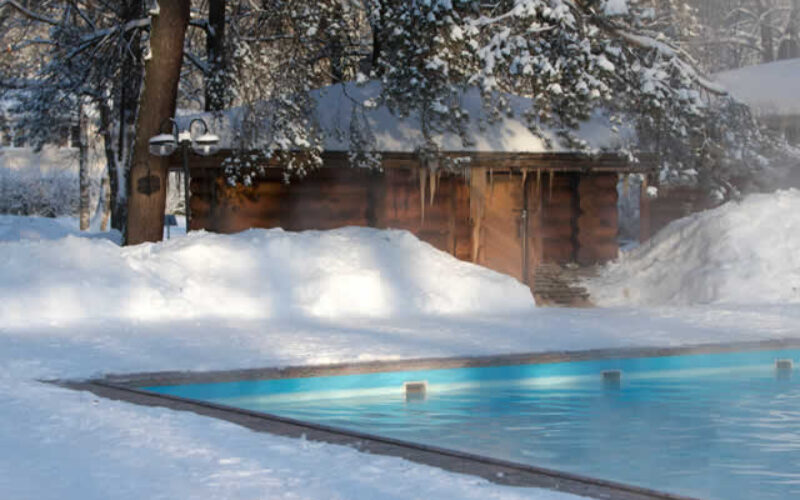
Properly winterizing your pool ensures it remains in good condition and can be re-opened with ease when the warmer days return.
This article guides you through the steps to winterize your pool effectively, ensuring that it stays clean, damage-free, and ready for use when spring arrives.
Clean and Balance the Water
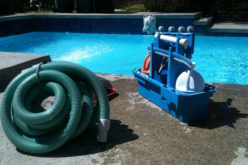
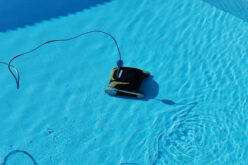
Before you begin the winterization process, it’s essential to clean and balance the pool water. Use a pool skimmer or vacuum to remove any debris, including leaves, twigs, and insects. Skim the surface and vacuum the pool bottom to ensure it’s spotless.
After cleaning, test the water’s pH, alkalinity, and calcium hardness levels and adjust them as needed. Maintaining the correct chemical balance is crucial to prevent corrosion, scale buildup, and the growth of algae during the winter months.


Shock and Add Winter Algaecide
Once your pool’s water is clean and balanced, it’s time to shock the pool with a winterizing shock treatment. Follow the manufacturer’s instructions for the correct dosage based on your pool’s size.
Shocking the pool will eliminate any lingering bacteria and organic contaminants, leaving your pool water clean and safe for the winter.
After shocking, add a winter algaecide to the pool. This step is crucial in preventing algae growth while the pool is covered.
Clean and Store Pool Equipment
Properly cleaning and storing your pool equipment is crucial for preserving its lifespan and functionality. Begin by removing and cleaning the pool filter, pump, and skimmer baskets. Thoroughly rinse and drain these components to remove any remaining water.
Store the equipment in a dry, protected area to prevent freezing and corrosion during the winter months. Ensure that all hoses and pipes are free of water to prevent damage from freezing temperatures.
Lower the Water Level
To protect your pool from potential damage due to freezing water, lower the water level below the skimmer and return lines. This step is especially important in regions with cold winters.
Lowering the water level prevents the expansion of ice from damaging the pool’s structure and plumbing. Drain the water to the appropriate level, which is typically just below the skimmer’s mouth. By taking these precautions, you can avoid costly repairs come spring.

Cover the Pool
Invest in a high-quality pool cover that fits your pool’s size and shape. A well-fitted cover will not only keep leaves and debris out but also reduce the risk of damage caused by heavy snow, ice, or UV rays.
Choose a cover that can withstand the winter weather conditions in your region. Secure the cover tightly to prevent it from blowing away or shifting during the winter. Depending on the cover type, you may use water bags, cover clips, or a cable and winch system to ensure it stays in place.
Regularly Check and Maintain
Throughout the winter months, it’s essential to periodically check your pool’s cover and water level. Remove any accumulated snow, debris, or water from the cover to prevent excess weight from damaging the cover or the pool structure.
Snow, in particular, can become quite heavy and pose a risk. If the water level inside the pool drops significantly, you may need to add more water to maintain the recommended level and ensure the pool remains in good condition.
Utilizing a pool leak detector in Dallas, or wherever you live, can be a valuable tool in identifying any water loss issues that might occur during the winter. If you have a safety cover, make sure it is securely fastened and free of any holes or tears.
other related articles of interest:
Conclusion
Properly winterizing your pool is essential for protecting your investment and ensuring it can be re-opened with ease when warmer weather returns.
By following these steps to clean and balance the water, shock and add winter algaecide, clean and store pool equipment, lower the water level, cover the pool, and regularly check and maintain it during the winter, you’ll help preserve the condition of your pool and avoid costly repairs or maintenance in the spring.
A well-maintained and properly winterized pool will be a source of enjoyment for many swimming seasons to come. Taking the time to prepare your pool for winter will ultimately save you time, money, and effort in the long run.
Find Pool n’ Ponds Services Swimming Pools Spas & Hot Tubs Water Features Fencing top-rated, pre-screened local contractors FREE: download contractor selection enter zip code – powered by HomeAdvisor ™


Image credit: how to winterize your pool by envato.com
end of post … please share it!
| more photo remodeling |
Jump Over to Our Photo Analysis Center for Ideas on
"Renovating Home"
|__________________________________________________________|
home remodeling surprise
find out where it might go - new win


Helpful article? Leave us a quick comment below.
And please share this article within your social networks.