Herringbone and chevron wood floors are among the most popular parquetry options. However, these two flooring patterns are often confused with one another.
Although they share some aesthetic similarities, these parquet flooring styles are pretty distinct. Unsure about which style to go for?
Read on for everything you need to know about chevron flooring and herringbone flooring.
What set these two flooring styles apart?
If you don’t know much about parquet flooring, you might have trouble distinguishing between chevron and herringbone flooring.
 |
view chevron floor samples |
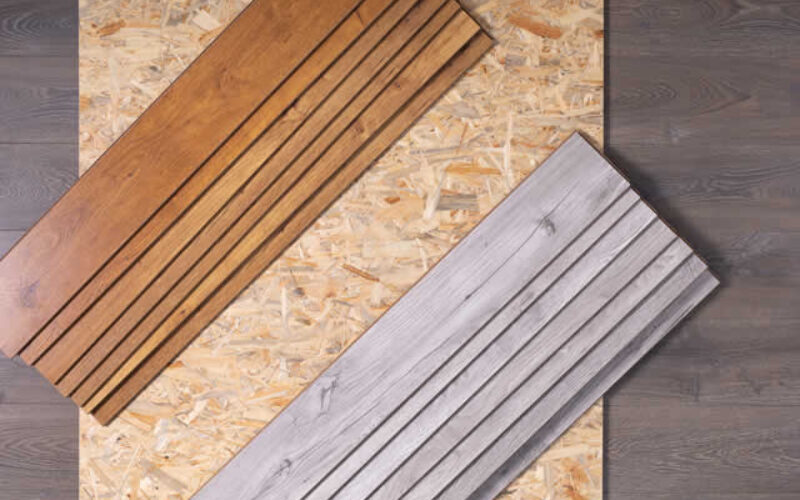
Both designs use oblong planks that are arranged at an angle to produce a distinctive motif. However, these patterns themselves are unique.
With a herringbone floor, perfectly-shaped rectangles are arranged to produce a zig-zag effect. With chevron flooring, panel edges are cut at an angle, producing a directional, arrow-shaped motif.
|
view herringbone floor samples |
Both are stylish in their own right and will make an attractive addition to any home.
-
Why choose a herringbone floor?
If you’re a fan of more traditional aesthetics, herringbone flooring is a great choice. This parquet pattern has been a staple for centuries, while the increasing availability of engineered wood flooring makes it a practical choice for everyday homes and businesses.
With a herringbone floor, rectangular planks are carefully positioned to produce a dramatic zig-zag effect. The result is a striking design that makes a fantastic first impression in the entry hallway and reception rooms.
Furthermore, this tight arrangement means that planks don’t have the opportunity to move around or expand once they’ve been installed. This can extend the longevity of your floor, making herringbone a solid long-term investment.
-
Why choose a chevron floor?
As with herringbone flooring, chevron flooring uses a zig-zag pattern of sorts. However, the short edges of the planks are cut at a 45-degree angle.
Individual planks are then laid out to produce a pointed pattern and striking V-shaped effect. Although chevron patterns have been used for many hundreds of years, it’s a popular design choice for more contemporary homes.
Although an attractive option, chevron flooring tends to be slightly more difficult thanks to the precise preparation that’s involved. Not only do planks need to be cut at perfect angles, but installers need to be meticulous when installing flooring materials.
Before you start any home structural project – such as replacing windows, tearing out a wall, add new flooring, rewiring the home, and any other major renovation project, run some financial numbers to determine whether the renovation is a smart investment.
The numbers include the estimated costs, home value assessment, financing costs, and other related calculations.
Review these cost-related issues to remodeling vs. buying a new home.
links to internal page (opens new win)
| analyze the numbers | |
| estimate the cost of your project | |
| get your home value |
The 2nd step for planning your home structural project is deciding what you would like to do.
Will it be a –
- adding a new wall or tearing one out,
- re-doing your plumbing and or electrical wiring,
- changing up your flooring,
- upgrading the home with new windows and doors,
- installing new lighting,
- redesigning your structural layout,
- or something else.
Start collecting ideas by referencing our collection of home structural analysis: view directory
Step 3 is sketching your ideas on paper (or digitally) and developing the spec plan.
The spec plan determines what type of home structural project materials, items, and design considerations that will be needed. It will also contain the product specifications for each structural element.
You will use the spec plan and architectural design to bid the project out to a contractor.
links to internal page (opens new win)
| developing the spec plan | |
| sketch remodeling plan | |
| design considerations |
Step 4 is finding and negotiating the contract with a structural contractor.
Give your home structural project ideas and specs to a contractor for review and bid analysis. Use the local network (aligned with HomeAdvisor) to find the right contractor for your project.
Review guides for contractor selection and negotiation.
links to internal page (opens new win)
| search home contractors | |
| selecting your contractor checklist |
| contractor negotiations | |
| contractor evaluation form |
Step 5 is arranging financing once you selected the contractor and finalized the contract for your project.
Using the equity value in your home is one of the best financing option for home structural project. Start with a home equity line of credit or use the bank equity program.
Other options may include cash-out refinancing, personal savings, and/or financing from home improvement contractors.
links to internal page (opens new win)
| financing options | |
| getting qualified for financing | |
| negotiate rates |
Step 6 is where the project begins.
It starts with setting up the work area, removing everything that needs to be replaced, installing necessary connections, putting in the final touches, etc.
It also means working with the contractor, managing the project, and getting the home remodeling project inspected before releasing any funds.
links to internal page (opens new win)
| working with the contractor | |
| managing remodeling project |
| about a home project inspections | |
| find home inspector |
Where to use chevron and herringbone floors
If you’re purchasing high-quality materials like engineered wood flooring, herringbone, and chevron floors can be used in just about any space. They’re ideal for spaces calling out for some character.
Darker wood varieties are the best choice if you’re looking for a low-maintenance floor. In a more contemporary space, light-colored wood in off-white or gray will keep things bright and airy.
You can also play around with plank size to produce more dynamic results. If you opt for thinner planks, you’ll get a much tighter pattern. If you’re a fan of finer details, this is something to think about.
If you’re feeling adventurous, why not experiment with different wood varieties? By using different shades and grains, you can create zones within larger open-plan spaces.
A parquet floor will never go out of style
There’s a reason why parquet floors have remained a go-to interior design choice for centuries. Both herringbone and chevron have been around since ancient times, with the Ancient Egyptians and Romans among the first to use these motifs in pottery and fabric design.
However, chevron and herringbone only really came to be used as flooring patterns during the French Renaissance. This is why we use the terms "parquet" or "parquetry" when referring to patterned wood flooring.
Although these classic flooring patterns have been a staple of palaces and grand residences for hundreds of years, nothing is stopping you from putting them to good use in your home.
A parquet floor not only adds character to a room but can also give the illusion of added space. With a huge variety of color and size options at your disposal, it’s easy to adapt these effortlessly stylish wooden floors to your home.

Making the right choice for your space
Chevron and herringbone floors aren’t the most affordable of options. However, a solid or engineered wood floor is far more durable than budget-friendly laminate.
Provided your floor has been installed correctly, it will require minimal maintenance and last for decades. What’s more, parquet floors are incredibly easy to keep clean.
They won’t show dirt and surface dust like tiled floors or long plank timber flooring and won’t need replacing every few years like a carpet.
Ultimately, you’ll need to consider your design preferences when selecting the right fit for your home.
- Looking to make a statement?
Ornate herringbone panels made from dark wood are a dramatic design choice. - Searching for something more contemporary?
Think about a chevron floor in a neutral tone or light-colored oak.
Find Flooring Services (opens new win) Brick & Stone Concrete Carpet Hardwood top-rated, pre-screened local contractors Laminate & Vinyl Tile enter zip code – powered by HomeAdvisor ™

Image credit: difference between herringbone and chevron wood flooring by envato.com
end of post … please share it!
| more photo remodeling |
Jump Over to Our Photo Analysis Center for Ideas on
"Renovating Home"
|__________________________________________________________|
home remodeling surprise
find out where it might go - new win


Helpful article? Leave us a quick comment below.
And please share this article within your social networks.