This is a crucial insight for homeowners looking to enhance their property’s value, whether they plan to sell soon or simply want to invest wisely in their living space.
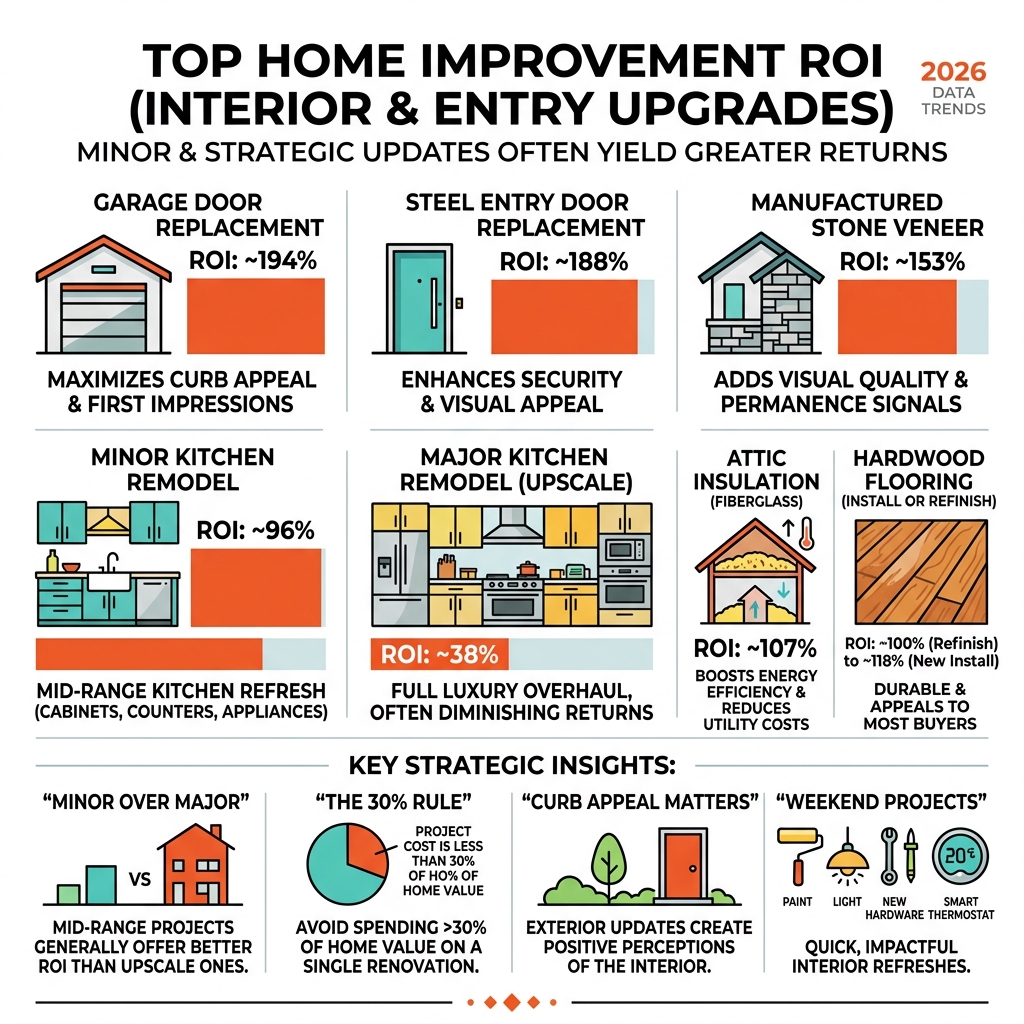
Recent data consistently highlights a pattern: minor remodels frequently outperform major overhauls in terms of ROI. For instance, a minor kitchen remodel can return approximately 96% of its cost nationally, while a major upscale kitchen remodel might only recoup about 38%.
This significant difference underscores the concept of diminishing returns, where pouring excessive funds into a project doesn’t proportionally increase its value. The sweet spot often lies in making impactful, yet not extravagant, changes.
- post content
- introduction: highest ROI-value
- Prioritizing Interior Home Upgrades by Budget and Market Trends
- Common Mistakes in Interior Home Upgrades That Reduce Value
- Kitchen and Bathroom Transformations: Surfaces and Storage
- Modernizing Home Systems: Electrical, HVAC, and Smart Tech
- Flooring and Cohesive Design: Boosting Resale Value
- Frequently Asked Questions about Interior Home Upgrades
- conclusion
- view notes:collective tips
- view ideas:latest remodeling analysis
- related post (new win):How to Finance Your Dream Remodel or Upgrade
Introduction
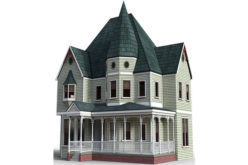
One of the highest-ROI projects, surprisingly, often comes from the exterior, but its impact on the home’s overall perception is undeniable. Replacing an old garage door, for example, has been noted to return an impressive 194% ROI.
Similarly, upgrading to a new steel entry door can yield around 188% ROI. These exterior enhancements significantly boost curb appeal, which is critical because first impressions heavily influence a buyer’s perception of the entire home.
A fresh, inviting exterior signals a well-maintained interior, setting a positive tone before a buyer even steps inside. Another exterior upgrade with strong returns is manufactured stone veneer, which can see a 153% ROI, signaling quality and permanence.
While these are technically exterior projects, their psychological impact on a buyer’s overall impression of the home’s quality and value directly influences how they perceive the interior.
For a deeper dive into various home improvements that can elevate your living space, including practical considerations for your garage and other key areas, exploring comprehensive resources on general interior home upgrades can provide valuable perspective.
The “30% rule” is a useful guideline: avoid spending more than 30% of your home’s current value on any single renovation project. Over-improving for your neighborhood or the home’s size can lead to an inability to recoup costs.
Buyers are often looking for “move-in ready” homes that offer modern amenities and a fresh aesthetic, without necessarily requiring ultra-luxury finishes that exceed neighborhood norms.
Prioritizing Interior Home Upgrades by Budget and Market Trends
To maximize the impact of your upgrades, prioritize based on your budget, local market trends, and your home’s specific needs. Understanding the cost-to-value ratio for various projects in your area can guide your decisions.
Mid-range improvements generally offer better ROI than upscale ones because they appeal to a broader range of buyers without overspending.
For those with a limited budget or looking for quick, impactful changes, several weekend projects can significantly refresh your interior:
- Hardware Replacement:
Swapping out old door handles, cabinet pulls, and drawer knobs for modern, cohesive styles can instantly update a room’s aesthetic. - Grout Refresh:
A simple grout pen can transform dingy, discolored grout in bathrooms and kitchens, making surfaces look new again. - Lighting Fixtures:
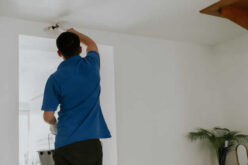
Replacing outdated light fixtures with contemporary designs, or adding new task and accent lighting, dramatically improves ambiance and functionality. - Neutral Paint:
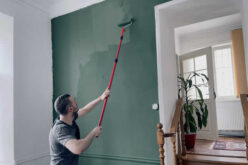
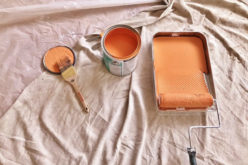
A fresh coat of neutral paint (think warm whites, greiges, or light grays) brightens rooms, makes them appear larger, and provides a versatile backdrop for potential buyers. - Window Dressings:
Updating curtains, blinds, or shades can enhance natural light, improve insulation, and add a polished finish to any room.
These minor updates are not only budget-friendly but also contribute to the overall “move-in ready” appeal that buyers often seek.

Common Mistakes in Interior Home Upgrades That Reduce Value
While upgrades can boost value, certain mistakes can inadvertently reduce it. Homeowners should be aware of these pitfalls:
- Over-Customization:
Highly personalized design choices, while appealing to your taste, may not resonate with a broad audience. Unique color palettes, very specific built-ins, or niche-style decor can limit buyer appeal and make a home harder to sell. - Ultra-Trendy Palettes:
While keeping up with trends is good, committing to overly trendy colors or materials that will quickly look dated can backfire. Opt for timeless, neutral foundations and incorporate trends through easily changeable elements like decor. - DIY Errors:
Poorly executed DIY projects can deter buyers. Visible mistakes, shoddy craftsmanship, or incomplete work signal potential underlying problems and often require professional correction, costing more in the long run. - Neglecting Maintenance:
Investing in cosmetic upgrades while ignoring essential maintenance (e.g., a leaky roof, outdated HVAC, or faulty wiring) is a critical error. Buyers will prioritize functional integrity over superficial beauty. - Poor Layout:
Attempting to force a layout that doesn’t flow well or isn’t functional can detract from value. For example, a kitchen with a poor work triangle or a bathroom with an awkward configuration can be a significant turn-off. - Mismatched Finishes:
A lack of cohesion in materials, colors, and styles throughout the home can create a disjointed feel. Buyers prefer a harmonious aesthetic where elements complement each other.
By avoiding these common mistakes and focusing on strategic, high-ROI improvements, homeowners can effectively enhance their property’s value and appeal.
more info below

Top Home Remodeling Mistakes and How to Avoid Them
Countless homeowners find themselves dealing with budget overruns, timeline delays, and results that fall short of their expectations.
Kitchen and Bathroom Transformations: Surfaces and Storage
The kitchen and bathrooms are consistently among the most impactful rooms for increasing home value. These spaces are often the first areas buyers scrutinize, and well-executed upgrades here can significantly influence their decision.
In the kitchen, the island has evolved from a simple workspace to a central social hub. A large, functional kitchen island with seating can dramatically enhance a kitchen’s appeal, offering space for cooking, dining, homework, and entertaining.
The choice of countertop material for both the island and perimeter counters plays a pivotal role in aesthetics, durability, and value. Durable quartz home upgrades, for example, are highly sought after due to their non-porous nature, resistance to scratches and stains, and wide range of aesthetic options, often delivering an ROI of 60-80%.
Materials like granite and quartzite also remain popular choices, offering natural beauty and durability. When selecting premium stone surfaces for your kitchen or bath, considering both aesthetic appeal and long-term performance is key to a successful investment.
Beyond the countertops, cabinet upgrades are crucial. While a full cabinet replacement can be costly, cabinet refacing or repainting offers an excellent alternative, delivering a strong ROI of 70-80%. This approach allows homeowners to achieve a fresh, modern look at a fraction of the cost of new custom cabinetry.
Storage solutions are another high-impact area. Features like walk-in pantries, pull-out shelves, and smart organizers within cabinets are highly valued by buyers. Undermount sinks, which offer a seamless look and make countertop cleaning easier, also contribute to a modern, functional kitchen.
-
High-Impact Bathroom Features
Bathroom renovations are equally important for boosting home value. Buyers often look for a spa-like experience and efficient, modern amenities.
- Custom Vanities:
A custom vanity, tailored to the space, provides optimal storage and a built-in look that elevates the bathroom’s design. It can cleverly hide plumbing and offer specialized storage for toiletries and appliances, reducing clutter. - Walk-In Showers:
Large, walk-in showers are a must-have for many buyers. Features like frameless glass doors, built-in benches, and multiple shower heads (including rain showerheads or handheld sprays) create a luxurious, functional experience. - Dual Shower Heads:
In master bathrooms, a dual shower head system can significantly enhance the showering experience, providing convenience and a touch of luxury. - Freestanding Tubs:
Where space allows, a well-proportioned freestanding bathtub can become a stunning focal point, offering both aesthetic appeal and a relaxing soak. - Built-In Niches and Storage:
Shower niches for toiletries and integrated storage solutions (e.g., recessed medicine cabinets, linen closets) are highly practical and signal thoughtful design. - Timeless Tile:
Opt for classic tile layouts and neutral, sophisticated palettes. While trends come and go, timeless tile choices in materials like ceramic, porcelain, or natural stone will maintain their appeal for years. Handmade tiles can add warmth and authenticity. - Water-Efficient Fixtures:
Installing low-flow toilets, showerheads, and faucets not only conserves water but also appeals to environmentally conscious buyers and can reduce utility bills. - Heated Floors:
For a touch of luxury, heated floors are a subtle but powerful upgrade. They provide comfort, especially in colder climates, and can cost as little as $5-10 per month to operate, significantly enhancing the bathroom experience.
By focusing on these high-impact features and quality materials, homeowners can create kitchens and bathrooms that are both beautiful and valuable.
- Custom Vanities:
more info below

Update Your Bathroom Using This Comprehensive Bathroom Remodeling Plan
Welcome to our comprehensive guide to bathroom remodeling, a roadmap designed to navigate you through the essential steps of rejuvenating your bathroom.
Modernizing Home Systems: Electrical, HVAC, and Smart Tech
While visible upgrades capture immediate attention, the underlying systems of a home are equally, if not more, crucial for long-term value, safety, and comfort. Modernizing electrical, HVAC, and incorporating smart home technologies are investments that pay dividends in efficiency, functionality, and peace of mind.
An outdated HVAC system can be a major red flag for potential buyers, signaling high energy bills and potential discomfort. Replacing an old unit with a new, energy-efficient HVAC system improves air quality with advanced filtration, enhances overall comfort, and significantly reduces utility costs.
Features like zoned climate control allow for personalized temperature settings in different areas of the house, ending “thermostat wars” and boosting livability.
Electrical systems are the backbone of a modern home. Older homes often have electrical panels and wiring that can’t handle the demands of today’s numerous devices and appliances, posing safety risks and inconvenience.
Upgrading your electrical panel, adding more outlets (especially with integrated USB ports), and ensuring adequate circuit capacity are vital for safety and functionality. For homeowners in the Chicago area or similar regions, understanding local codes and ensuring your home’s electrical infrastructure is up to date is crucial.
Consulting with experts in Buckeye home electrical upgrades or similar local professionals can ensure your system is safe, efficient, and meets current standards, providing peace of mind and adding significant value.
Smart home technologies are no longer futuristic gadgets; they are increasingly expected features that enhance convenience, security, and energy efficiency.
- Smart Thermostats:
Devices that learn your schedule and optimize heating and cooling reduce energy consumption and offer remote control. - Security Systems:
Integrated smart security systems with cameras, smart locks, and doorbell cameras provide enhanced safety and monitoring. - Motion-Sensing Faucets:
These offer hygiene benefits and water conservation, particularly in kitchens and bathrooms. - Smart Lighting:
Controllable via apps or voice commands, smart lighting systems can set ambiance, improve security, and save energy.
Beyond these, energy-efficient interior upgrades extend to plumbing. Replacing old water heaters with tankless models provides on-demand hot water and saves space and energy. Upgrading to modern plumbing materials like PEX piping can prevent future leaks and improve water pressure, especially in older homes.
-
Functional vs. Cosmetic Improvements
The debate between functional and cosmetic improvements is easily settled: both are important, but functional upgrades often lay the foundation for lasting value. While fresh paint and new decor can instantly refresh a space, neglecting the structural integrity or core systems of your home is a mistake.
- Structural Integrity:
Addressing foundational issues, roof repairs, or significant water damage is always a priority. These are non-negotiable for safety and property value. - Electrical Modernization:
As discussed, ensuring your electrical system is safe and adequate for modern needs is a fundamental functional upgrade. - Plumbing Overhaul:
Replacing old, corroded pipes or updating inefficient water heaters prevents future headaches and improves daily living. - Hidden Systems:
Interior renovations provide a unique opportunity to access and upgrade hidden systems like insulation, plumbing, and electrical without additional demolition costs later. - Long-Term Livability:
Functional upgrades contribute directly to the long-term livability, safety, and efficiency of your home, which are highly valued by buyers. - Energy Star Appliances:
Investing in Energy Star-rated appliances, including induction cooktops, not only reduces utility bills but also appeals to eco-conscious buyers.
By prioritizing these functional upgrades, homeowners ensure their property is not only aesthetically pleasing but also sound, safe, and efficient, maximizing its long-term appeal and value.
- Structural Integrity:
more info below

Home Automation 101: How to Set Up Your Smart Home
From managing lighting and temperature to securing your home with smart locks and cameras, automation simplifies everyday tasks through integrated technology.
Flooring and Cohesive Design: Boosting Resale Value
Flooring is one of the most significant interior elements, impacting a home’s aesthetic, comfort, and perceived value. It’s often one of the first features prospective buyers notice, and a consistent, attractive flooring choice can make a powerful positive impression.
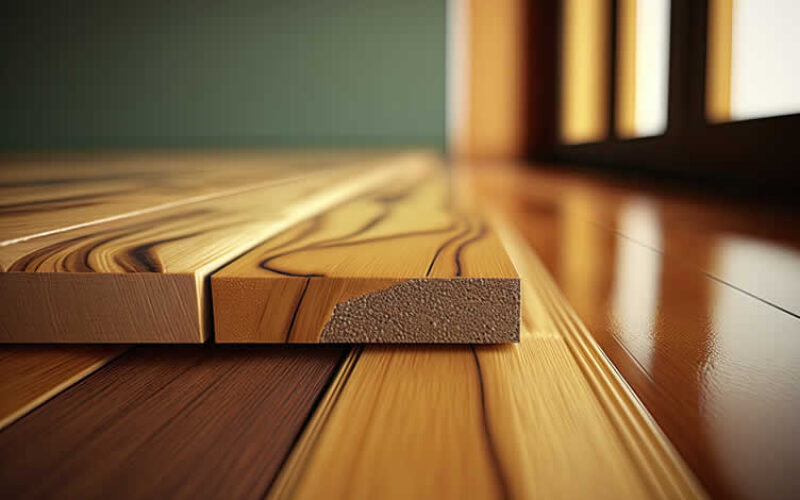
- Hardwood flooring remains the gold standard for resale value. Solid hardwood installations can yield an impressive 106-118% ROI, and simply refinishing existing hardwood floors can recover up to 147% of the cost. Homes with hardwood in main living areas tend to spend 15-20% fewer days on the market, indicating strong buyer preference.
- Engineered hardwood offers a similar aesthetic with good stability, providing an ROI of 75-95%. It’s often more resistant to moisture and can be installed in more diverse environments than solid hardwood.
- For areas prone to moisture or high traffic, Luxury Vinyl Plank (LVP) has emerged as a highly popular and cost-effective option. Modern LVP features realistic wood or stone looks, is 100% waterproof, and highly durable, making it ideal for kitchens, bathrooms, and basements. It offers a respectable ROI of 50-70%+ in mid-tier homes, appealing particularly to families and pet owners.
- Large-format porcelain tile is another excellent choice, especially for kitchens and bathrooms. Its reduced grout lines create a sleek, contemporary look, and its durability and low maintenance make it a practical option that can boost home value, particularly in warmer climates.
Beyond the material itself, cohesive design in flooring is crucial. Buyers prefer a consistent flow throughout the home rather than a patchwork of different materials. This creates a sense of spaciousness and harmony.
Neutral palettes are key to maximizing resale value and broader appeal. Greige tones, warm whites, and light grays for walls and fixed elements provide a versatile backdrop that allows buyers to envision their own decor. These colors visually expand spaces and make rooms feel brighter and more inviting.
The interplay between flooring, wall colors, and overall layout contributes to a harmonious interior. Open floor plans continue to be highly desirable, creating a sense of spaciousness and connectivity between living areas.
However, some buyers also appreciate the option for privacy, which can be achieved through clever solutions like sliding room dividers that allow for flexible open-concept living.
By carefully selecting durable, attractive flooring and maintaining a cohesive, neutral design palette, homeowners can significantly boost their home’s appeal and resale value.
more info below
Sustainable Flooring Options for an Eco-Friendly Home Renovation
These eco-friendly alternatives are not merely a trend. They represent a significant shift towards responsible consumption in the renovation and construction sector.
Frequently Asked Questions about Interior Home Upgrades
-
Which interior upgrade provides the highest return on investment?
While many interior upgrades offer good returns, some of the highest ROIs are actually found in minor, strategic projects. For example, a minor kitchen remodel can yield around 96% ROI.
However, surprisingly, some exterior upgrades like garage door replacement (194% ROI) and steel entry door replacement (188% ROI) have the highest reported returns, significantly impacting the first impression of your home.
-
Should I focus on cosmetic changes or functional system upgrades first?
Prioritizing functional system upgrades (like HVAC, electrical, and plumbing) is generally recommended before extensive cosmetic changes. Functional upgrades address the fundamental safety, efficiency, and comfort of your home, which are critical for long-term value and buyer confidence.
Once these core systems are sound, cosmetic improvements can then enhance appeal and further boost value.
-
How does cohesive design affect the resale value of a home?
Cohesive design significantly enhances resale value by creating a harmonious and inviting atmosphere that appeals to a broader range of buyers. A consistent aesthetic, neutral color palettes, and complementary materials throughout the home make spaces feel larger, more polished, and “move-in ready.”
This allows potential buyers to easily envision themselves living in the home without needing to undertake immediate major renovations.
For Home Remodeling and Repairs
Having the right tools at your side can make all the difference when tackling home remodeling or repair projects.
Whether you’re a seasoned DIY enthusiast or just starting out, investing in a curated set of essential tools ensures your projects run smoothly and effectively.
From versatile basics like a dependable hammer and measuring tape to more specialized items like a power drill or level, building a complete toolkit helps you save time, reduce frustration, and achieve professional-looking results without breaking the bank.
view ideas: DIY tool guide (new win)

Conclusion
Investing in your home’s interior is a powerful way to enhance both your daily living experience and its market value. By understanding the nuances of return on investment, homeowners can make strategic choices that resonate with buyers and stand the test of time.
From prioritizing high-ROI minor remodels and functional system upgrades to selecting durable materials and fostering cohesive design, every decision contributes to the overall appeal and longevity of your property.
Whether you’re refreshing a kitchen with premium stone surfaces, ensuring your electrical system is robust, or simply updating hardware, thoughtful planning is key.
The goal is to create a home that is not only beautiful but also efficient, safe, and comfortable, offering both immediate enjoyment and a strong foundation for future value.
other related analysis of interest: (new win)
Find Home Remodeling Services Additions Major Remodels Minor Remodels Disability Needs Plumbing Drain Clearing Appliances Electrical top-rated, pre-screened local contractors FREE: download contractor selection enter zip code – powered by HomeAdvisor ™


Image credit: interior home upgrades by envato.com
end of post … please share it!
| more photo remodeling |
Jump Over to Our Photo Analysis Center for Ideas on
"Renovating Home"
|__________________________________________________________|
home remodeling surprise
find out where it might go - new win


Helpful article? Leave us a quick comment below.
And please share this article within your social networks.