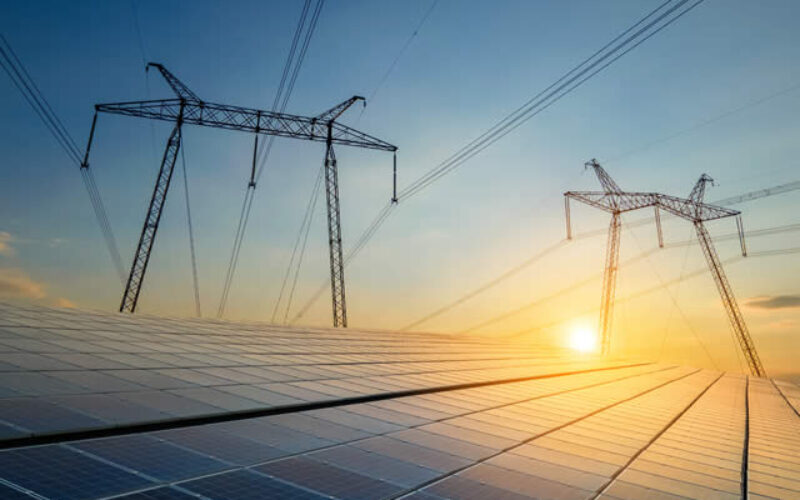
This isn’t just about buildings; it’s about the complex systems that provide power, communication, and essential services.
Building these critical networks today involves a blend of traditional construction and cutting-edge technology. We face new challenges, such as the push for net-zero energy and the rapid demand from new technologies like artificial intelligence. These factors drive significant changes in how we plan, construct, and manage our foundational systems.
In this extensive guide, we will explore the intricate world of construction and power infrastructure. We will examine the primary risks associated with major projects, including climate change impacts and supply chain disruptions.
We will also delve into strategies to mitigate these risks, leverage new technologies, and foster crucial collaborations. Join us as we look at market trends, economic impacts, and the vital role of integration and sustainability in shaping the infrastructure of tomorrow.
- post content
- The Current Landscape of Construction and Power Infrastructure
- Navigating Risks in Major Energy Projects
- Strategic Mitigation and the Role of Modern Materials
- Integrating Network and Utility Infrastructure
- Economic Impacts and Investment Gaps
- FAQs about construction and power infrastructure
- conclusion
- view table:content summary
- view notes:collective tips
- view ideas:latest remodeling analysis
- related post (new win):Understanding Home Electrical Needs
The Current Landscape of Construction and Power Infrastructure
The power infrastructure construction sector is experiencing significant growth, driven by a confluence of factors, including escalating energy demand and the urgent need for modernization.
According to the ConstructConnect forecast, power infrastructure construction starts are projected to reach $30 billion by 2027, a 27.9% increase from $23.5 billion in 2025. This robust outlook signals ample opportunities for construction firms and material suppliers alike.
A major catalyst for this expansion is the unprecedented boom in data center construction. These facilities, essential for our increasingly digital world, consume vast amounts of electricity. This surge in demand is placing immense pressure on existing power grids, necessitating new generation capacity and upgraded transmission infrastructure.
Concurrently, we are observing a rise in electricity prices, with national averages reaching 14.38 cents per kilowatt-hour in July 2025, a 5.0% increase from the previous year, as reported by the national electricity prices data.
These higher energy costs not only affect consumers but also increase operational expenses for construction projects, particularly those that require energy-intensive materials.
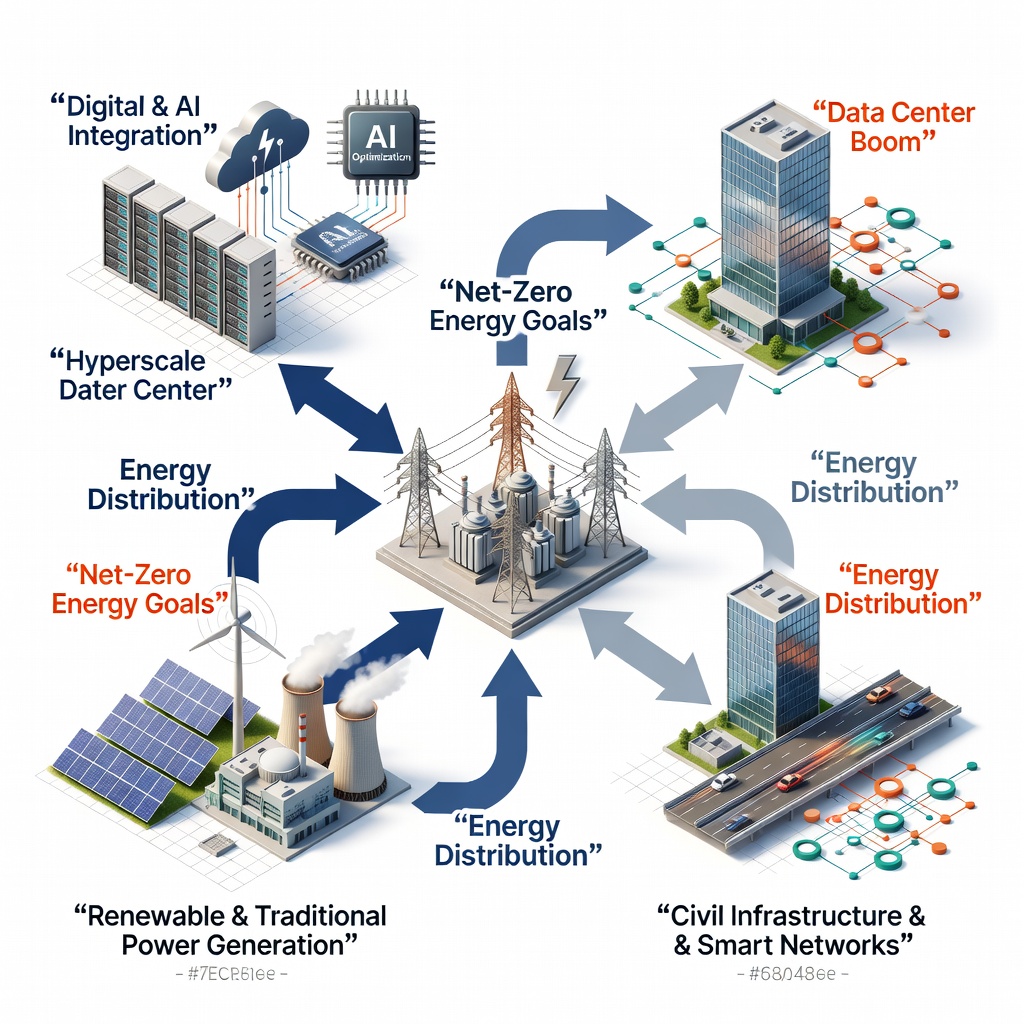
Beyond data centers, industrial growth across various sectors continues to fuel construction activity. For instance, Canada’s construction sector is forecasted to grow at an average annual rate of 2.8% from 2026 to 2029. This growth is predominantly driven by infrastructure, renewable energy, and industrial projects, many of which are concrete-intensive.
Contractors are closely watching these trends, balancing substantial market opportunities with persistent challenges such as supply chain risks and labor shortages, as highlighted in analyses for contractors. The insights from Linesight’s latest Construction Market Insights report underscore this shift, noting that recovery is led by public works and energy projects rather than by private development alone.
The evolution of infrastructure itself demands a new perspective. Traditional infrastructure often focused on static, physical assets, whereas modern infrastructure is dynamic, tech-enabled, and interconnected. This transformation is crucial for understanding the current investment landscape.
Characteristic Traditional Infrastructure Modern Infrastructure
| Characteristic | Traditional Infrastructure | Modern Infrastructure |
|---|---|---|
| Focus | Physical, static assets | Tech-enabled, interconnected systems |
| Drivers | Public need, regulation | Market demand, technological innovation |
| Scope | Siloed verticals | Cross-vertical integration (e.g., energy + digital) |
| Investment | Capital-intensive (CapEx) | Operations-intensive (OpEx), service-driven |
| Key Assets | Roads, bridges, dams | Data centers, fiber networks, EV charging, smart grids |
As we navigate this evolving landscape, ensuring access to quality construction materials, such as reliable construction bulk sheetrock and other foundational supplies, becomes paramount for maintaining project timelines and budgets.
-
The Impact of Data Centers on Power Demand
The rapid proliferation of data centers is undoubtedly one of the most significant drivers of current power infrastructure demand. These facilities are the backbone of the digital economy, supporting everything from cloud computing and streaming services to artificial intelligence and blockchain technologies.
Their energy footprint is staggering; data centers accounted for approximately 2% of global electricity consumption in 2025, a figure projected to nearly double from 536 terawatt-hours by 2030.
The demand for power from data centers is not just high; it’s accelerating. Forecasts indicate that data centers alone will demand 35 gigawatts (GW) by 2030, a substantial increase from 17 GW in 2022. This exponential growth, largely fueled by the expansion of AI capabilities, is outpacing the rate at which new power generation and transmission infrastructure can be brought online.
This creates significant challenges for grid operators and necessitates strategic planning for new hyperscale facilities. The sheer scale of this demand is evident in Canada, where the data center pipeline was valued at more than $130 billion as of Q3 2025.
This surge in demand means that power infrastructure projects, particularly those related to generation and transmission, must be fast-tracked. However, the complexity of these projects, coupled with regulatory hurdles and supply chain issues, often leads to delays.
The Energy sector, as assessed by various reports, highlights the growing strain on existing grids, emphasizing the urgent need for investment in new capacity and modernization.
Understanding this “infrastructure moment” is critical for all stakeholders, as detailed in reports such as “Investing in the infrastructure of modern society” by McKinsey.
-
Supply Chain Resilience in Construction and Power Infrastructure
The ambitious growth trajectory for power infrastructure is significantly challenged by ongoing supply chain constraints. One of the most critical bottlenecks is the extended delivery timelines for essential electrical equipment, particularly transformers.
According to a UtilityDive analysis, standard transformer delivery timelines currently range from 80 to 120 weeks, with large, specialized transformers requiring an astonishing 210 weeks for manufacturing and delivery. These delays can push project completion dates back by years, leading to cost overruns and hindering the deployment of new power capacity.
Material price volatility further complicates procurement strategies. Fluctuations in the cost of key raw materials, such as steel, copper, and cement, can significantly impact project budgets.
To mitigate these risks, construction professionals must adopt proactive procurement strategies. This includes early ordering of critical components, diversifying supplier networks to reduce reliance on a single source, and exploring long-term agreements to lock in prices and ensure material availability.
Equipment standardization, where feasible, can also streamline procurement and reduce lead times. The ability of contractors to manage these supply chain complexities will be a key differentiator in successfully delivering projects on time and within budget.

Navigating Risks in Major Energy Projects
Building major power infrastructure projects is inherently complex and fraught with risks that can derail timelines, inflate costs, and impact communities. These risks are multifaceted, ranging from environmental challenges to socio-economic factors.
-
Primary Infrastructure Risks
- Climate Change:
Increased frequency and intensity of extreme weather events (hurricanes, wildfires, floods) can damage existing infrastructure, disrupt construction, and necessitate more resilient designs. The Energy sector is particularly vulnerable, as highlighted by various reports. - Labor Shortages:
A persistent shortage of skilled tradespeople and specialized workers can lead to project delays, increased labor costs, and compromised quality. - Supply Chain Disruptions:
As discussed, extended lead times for critical equipment and material price volatility create significant procurement challenges. - Community Resistance:
Major projects often face opposition from local communities due to concerns about environmental impact, land use, noise, visual aesthetics, and property values. - Impacts on Indigenous Rights:
Projects on or near Indigenous lands require careful consideration of Indigenous rights, including land claims, cultural heritage, and traditional uses. Failure to engage meaningfully can lead to legal challenges and project halts. - Environmental and Social Impacts:
Large-scale energy projects, such as hydroelectric plants, can have significant environmental consequences (habitat destruction, altered water flows) and social impacts (community displacement, changes to local economies). - Regulatory and Permitting Hurdles:
Complex, lengthy approval processes, especially for interregional projects, can lead to substantial delays.
The overall condition of U.S. infrastructure, including energy, received a D+ grade in the 2025 ASCE Infrastructure Report Card, underscoring the systemic challenges we face. Addressing these risks requires a proactive and integrated approach, as emphasized by the US Energy Infrastructure | ASCE assessments.
- Climate Change:
-
Addressing the Skilled Labor Gap
The construction sector, particularly in specialized fields like power infrastructure, faces a critical shortage of skilled labor. Canada’s construction sector alone is projected to require more than 380,500 workers by 2034, with 111,600 new entrants needed just to keep pace.
Skilled trades are under the greatest strain, posing a significant challenge to project delivery and growth. This mirrors trends in the U.S., where employment projections from the Bureau of Labor Statistics forecast robust growth, but firms struggle to find qualified workers.
To mitigate this, a multi-pronged approach is essential. Recruitment efforts must be intensified, targeting younger generations and promoting STEM education pathways that lead to careers in construction and engineering.
Investing in comprehensive training programs, including apprenticeships and Red Seal certification, is vital to developing a skilled workforce. Furthermore, strategies for workforce retention, such as competitive wages, benefits, and positive work environments, are crucial.
Many firms are actively engaging in local training programs, mentoring, and internships to cultivate the next generation of skilled tradespeople, recognizing that overcoming labor shortages is key to sustained growth, as noted by various industry analyses for contractors.
-
Environmental and Social Governance in Energy Builds
The development of energy infrastructure must increasingly integrate strong Environmental, Social, and Governance (ESG) principles. Major projects, particularly hydroelectric plants, often present a complex balance between clean energy generation and potential environmental and social impacts.
While hydroelectric power provides a reliable, net-zero supply in regions like British Columbia and Quebec, many aging plants require upgrades or new construction, which can disrupt habitats, alter ecosystems, and even displace communities.
Similarly, the expansion of renewable energy sources like wind and solar, while crucial for decarbonization, requires substantial land use, often leading to conflicts with agricultural interests or local communities. Addressing these concerns requires careful site selection, adaptive design, and robust community engagement.
Furthermore, fulfilling the “duty to consult” Indigenous groups is not merely a regulatory requirement but an opportunity to forge meaningful partnerships. Early and sustained engagement, coupled with capacity provisions for Indigenous communities, can lead to mutually beneficial outcomes, including economic participation and enhanced project legitimacy.
Companies like Pomerleau exemplify this commitment by integrating sustainable practices into their energy infrastructure projects, from hydroelectric builds to biomass facilities and even mining operations critical for battery materials like graphite.
Adhering to strict safety standards and environmental considerations, as outlined by organizations like the Canadian Centre for Occupational Health and Safety, is paramount for all energy builds.
more info below

Unlocking the Mystery Behind Your Home’s Power
Electricity is the silent heartbeat of our modern homes, yet for many of us, how it works remains a bit of a mystery.
Strategic Mitigation and the Role of Modern Materials
Effective risk mitigation in power infrastructure construction goes beyond identifying problems; it involves implementing strategic solutions that encompass planning, technology, and material selection.
Setting achievable timelines is crucial, but these must be realistic, factoring in potential labor shortages, supply chain vulnerabilities, and thorough risk assessments to avoid costly delays.
Leveraging emerging technologies is also paramount. Advancements in battery storage, for example, offer flexibility and grid stability, supporting provinces without extensive hydroelectric resources. Carbon capture technologies, though still developing, hold promise for reducing emissions from fossil fuel-based generation during the transition to net-zero.
The choice of construction materials plays a vital role in both project efficiency and long-term sustainability. High-performance building envelopes, incorporating advanced insulation and moisture-resistant solutions, are essential for energy-efficient buildings, including data centers and industrial facilities.
For instance, specialized acoustical ceilings and drywall systems, such as CertainTeed ceiling solutions or Quietrock EZ Snap, can contribute to superior building performance and occupant comfort.
Furthermore, integrating robust electrical and generator infrastructure is non-negotiable for modern facilities. This includes not only primary power systems but also reliable backup power solutions to ensure continuous operation, especially for critical infrastructure like data centers.
Expert electrical and generator services are essential for the design, installation, and maintenance of these complex systems. We are also seeing a greater emphasis on thermal efficiency in structures like warehouses, where proper insulation can lead to significant energy savings and operational benefits.
Exploring resources like The Ultimate Guide to Warehouse Insulation Materials and general information on Insulation can provide valuable insights. Similarly, the use of Steel Framing and Specialty Lumber can offer structural advantages and support sustainable building practices.
For contractors looking to expand their service offerings, understanding the benefits of integrating framing and insulation services can significantly boost their bottom line, as explored in Beyond Drywall: Why Expanding into Framing & Insulation Adds Big to Your Bottom Line.
-
Future-Proofing Construction and Power Infrastructure for Net-Zero
The global transition to net-zero energy demands a forward-thinking approach to construction and power infrastructure. Future-proofing involves not only adopting sustainable practices but also navigating complex regulatory environments and ensuring long-term resilience. Streamlining permitting processes while maintaining environmental and safety safeguards is critical to accelerating the deployment of new energy projects.
Structural support for renewable energy installations, such as wind turbines and solar farms, requires specialized engineering and robust foundations. Effective project coordination across multiple stakeholders – from developers and contractors to utility companies and regulatory bodies – is essential to ensure seamless integration and avoid bottlenecks.
Prioritizing climate resilience means designing infrastructure to withstand the impacts of a changing climate, including increased temperatures, extreme precipitation, and rising sea levels. This includes conducting vulnerability assessments, implementing adaptive designs, and incorporating backup systems.
Carbon reduction strategies, including the use of low-carbon materials and energy-efficient construction methods, are becoming standard practice. The push, as CNBC predicted, for all buildings to meet LEED standards within 25 years underscores the growing importance of energy-efficient building envelopes and sustainable design in the construction industry.
-
Advanced Modeling and Prefabrication
Advanced modeling techniques, particularly Building Information Modeling (BIM), are transforming how power infrastructure projects are planned and executed. BIM, which goes beyond traditional 2D CAD drawings, creates a multi-dimensional digital representation of a project, integrating data from various disciplines throughout its lifecycle. This allows for “BIM in the field,” providing tangible benefits to contractors.
One of the most significant advantages is the ability to detect clashes. By identifying incompatibilities between different building systems (e.g., electrical, mechanical, structural) during the design phase, BIM helps resolve conflicts before construction begins, saving substantial time and money. Furthermore, BIM facilitates 4D modeling, which integrates project schedules with the 3D model, allowing for visual sequencing of construction activities.
Prefabrication and off-site construction are also greatly enhanced by BIM. Detailed models enable the precise fabrication of components off-site, leading to higher quality, reduced waste, and faster on-site assembly. This approach is particularly valuable for complex power infrastructure components.
BIM also improves material takeoff accuracy, providing precise quantities for procurement and reducing material waste. The adoption of digital tools and processes, as explored by McKinsey & Company, is critical for modern construction to improve efficiency and reduce the common problem of projects running over budget and behind schedule.
Integrating Network and Utility Infrastructure
In modern construction, infrastructure extends beyond just power and water; robust network connectivity is now a fundamental utility. Integrating network infrastructure, such as fiber and broadband, into construction projects from the outset is crucial to avoid costly retrofits, delays, and cost overruns. This means making connectivity part of the blueprint, not an afterthought.
Planning for broadband scalability and creating fiber-ready communities ensures that new developments meet future demands for high-speed internet. For instance, services like those offered by Lynx Planning &
Engineering specialize in integrating network infrastructure into Canadian construction projects, emphasizing the importance of early planning. They highlight how crucial it is to conduct pole load analysis before adding fiber lines, ensuring that existing utility poles can safely support additional weight and preventing potential collapses.
Navigating the complex landscape of municipal permitting, railway crossings, and other regulatory approvals is a significant hurdle in network deployment. Proactive engagement with authorities and integrated scheduling are essential to efficiently manage these processes.
Pre-construction planning that explicitly incorporates utility coordination, including fiber and broadband installation, helps align network deployment with overall construction milestones, minimizing disruption and optimizing timelines.
-
Avoiding Delays through Early Planning
The adage “plan twice, cut once” is particularly apt for integrating network and utility infrastructure. When network planning is integrated into the initial design and development schedule, potential conflicts with other building systems can be identified and resolved early. This proactive approach prevents costly, disruptive retrofits once construction is underway.
Early planning also allows for seamless utility coordination, ensuring that trenches for power, water, and data lines are dug simultaneously where possible, reducing excavation costs and site disruption. Scalable connectivity solutions can be designed from the ground up, guaranteeing that the infrastructure can meet future technological demands without extensive upgrades.
By aligning network installation with major project milestones, such as foundation pouring and structural completion, construction teams can maintain momentum and avoid delays caused by unforeseen utility requirements.
-
Multi-Trade Coordination for Complex Utilities
Modern utility infrastructure projects demand exceptional multi-trade coordination. Whether it’s installing mechanical systems, electrical power grids, natural gas pipelines, or complex structural steel components, successful execution relies on a highly integrated approach. Companies that offer turnkey solutions and employ self-perform models, such as WSN Construction, are well-positioned to manage these complexities.
Their ability to self-perform multiple trades, including mechanical, electrical, civil, and fabrication, allows for greater control over quality, schedule, and cost. This integrated model reduces the risks associated with managing numerous subcontractors, fostering better communication and seamless project execution.
For instance, constructing or rehabilitating major gas infrastructure requires stringent safety standards and precise coordination across various disciplines. The expertise in multi-trade services ensures that all components of a utility project, from underground infrastructure to complex electrical installations, are synchronized and delivered efficiently.
more info below

Advance Your Living Space with Smart Home Automation
By integrating these technologies into your home, you’ll unlock new levels of convenience, efficiency, and control, making your life simpler and more connected than ever before.
Economic Impacts and Investment Gaps
Investments in construction and power infrastructure are not merely expenditures; they are powerful economic catalysts that generate substantial benefits across sectors. However, significant investment gaps persist, threatening future growth and resilience.
The 2025 ASCE Infrastructure Report Card for the U.S. assigned an overall grade of C, highlighting persistent deficiencies despite some improvements. The energy sector, in particular, received a D+ grade, indicating serious concerns regarding capacity, reliability, and future needs.
This report underscores a critical funding shortfall, estimating an overall U.S. infrastructure investment gap of $3.7 trillion over the next 10 years (2024-2033) if current federal investment levels are maintained. For power infrastructure specifically, an investment of $1,886 billion by 2033 is needed to reach a state of good repair, leaving a daunting funding gap of $578 billion.
Closing these gaps has profound economic implications:
-
Economic Benefits from Infrastructure Investment
- Job Creation:
Infrastructure projects are labor-intensive, directly creating jobs in construction, engineering, and manufacturing, and indirectly supporting employment across various supply chains. - GDP Contributions:
Investments in infrastructure boost economic productivity and competitiveness, thereby contributing significantly to Gross Domestic Product (GDP). - Increased Productivity:
Modernized and efficient infrastructure reduces transportation costs, improves energy reliability, and enhances connectivity, all of which contribute to higher business productivity. - Household Savings:
By improving energy efficiency, reducing outages, and stabilizing utility costs, robust power infrastructure can lead to substantial savings for households. - Enhanced Public Safety:
Well-maintained infrastructure, from resilient power grids to safe bridges, reduces risks of accidents and service disruptions, improving public safety and quality of life. - Attraction of Private Capital:
Government investments, particularly through initiatives such as the Infrastructure Law, can de-risk projects and attract significant private capital, leveraging public funds to achieve broader impact.
The “infrastructure moment” described by McKinsey emphasizes that decisive action to address these investment gaps will shape future economic growth and societal well-being.
The Energy sector’s D+ grade is a stark reminder that, while demand for power is surging, the underlying infrastructure is struggling to keep pace, necessitating sustained, strategic funding.
- Job Creation:
Frequently Asked Questions about Construction and Power Infrastructure
-
What are the primary drivers of power infrastructure growth through 2027?
The boom in data center construction, the transition to net-zero energy, and the electrification of transportation are the primary drivers. These factors are creating unprecedented demand for new-generation transmission and distribution capacity.
This dynamic environment is projected to push power infrastructure construction starts to an estimated $30 billion annually by 2027.
-
How are supply chain constraints affecting project timelines?
Supply chain constraints, particularly for critical components like large transformers, are significantly impacting project timelines. Delivery timelines for these essential items currently range from 80 to 120 weeks, with specialized large transformers requiring up to 210 weeks for manufacturing and delivery.
This necessitates contractors to engage in early procurement strategies, diversify their supplier networks, and explore equipment standardization to mitigate the risk of multi-year delays and cost escalations.
-
What role does Indigenous consultation play in infrastructure development?
Fulfilling the duty to consult Indigenous groups is a crucial and legally mandated aspect of major infrastructure development. Beyond compliance, meaningful consultation and collaboration can mitigate legal risks, foster positive community relations, and lead to valuable economic partnerships.
Engaging Indigenous communities early and providing the capacity for their participation ensures that projects respect Indigenous rights, incorporate traditional knowledge, and deliver mutually beneficial outcomes, thereby contributing to the project’s overall success and social license.
Conclusion
The landscape of construction and power infrastructure is undergoing a profound transformation, driven by digital innovation, the imperative for net-zero energy, and the relentless march of urbanization.
As we have explored, this era presents both immense opportunities and significant challenges, from navigating complex supply chains and labor shortages to prioritizing climate resiliency and fostering meaningful community engagement.
Building the essential infrastructure for modern society requires a holistic and forward-thinking approach. It demands strategic investment to close critical funding gaps, the adoption of cutting-edge technologies like BIM and advanced materials, and a steadfast commitment to sustainability and social responsibility.
By embracing these principles, we can ensure that our infrastructure is not only robust and efficient but also equitable and environmentally sound.
At Western Wholesale Supply, we understand the foundational importance of quality materials and reliable solutions in building the resilient infrastructure of tomorrow. We are committed to supporting the industry through these exciting yet challenging times, helping to lay the groundwork for a connected, sustainable, and powerful future.
The infrastructure lifecycle is long, and the decisions we make today will shape our collective future for generations to come, ensuring future connectivity and prosperity.
other related analysis of interest: (new win)
Choosing The Perfect Home Laundry Appliances For Your Space
Master Your Makeover: The Ultimate Guide to DIY Interior Home Painting Tools
| Section | Details | Additional Insights |
|---|---|---|
| Introduction | The document explores the evolving landscape of construction and power infrastructure, highlighting its critical role in supporting modern society. It emphasizes the integration of traditional construction with advanced technology to meet challenges like net-zero energy and AI-driven demand. | An emphasis is placed on risks, mitigation strategies, and market trends shaping the infrastructure of tomorrow. |
| Power Infrastructure Growth | The power infrastructure sector is projected to grow significantly, with construction starts reaching $30 billion annually by 2027 (up from $23.5 billion in 2025). The surge is driven by data center demands, electrification needs, and evolving energy requirements. | Data centers alone are forecasted to consume as much as 35 GW of power by 2030, posing challenges to existing grids and driving infrastructure investments. |
| Challenges and Risks | The industry faces numerous risks including supply chain disruptions, climate change, regulatory complexities, and labor shortages. Transformer deliveries, for example, take up to 210 weeks, delaying major projects. | Strategies such as early ordering, diversifying suppliers, and labor recruitment efforts are key to overcoming these challenges. |
| Environmental and Social Governance (ESG) | ESG principles are increasingly integrated into infrastructure projects to minimize negative environmental and social impacts. Projects like hydro and renewable facilities demand careful planning for sustainable outcomes. | Indigenous engagement and community collaboration are emphasized as critical elements for successful project development. |
| Technological Advancements | Technology such as Building Information Modeling (BIM) and prefabrication are revolutionizing project efficiency. BIM enables advanced modeling, clash detection, and precise component fabrication off-site. | These innovations improve project timelines, reduce costs, and enhance sustainability. |
| Economic Impacts | Infrastructure investments drive economic growth by creating jobs, enhancing productivity, and stabilizing utility costs. However, a significant funding gap ($578 billion by 2033 for U.S. power infrastructure) remains a concern. | Addressing this gap could lead to GDP growth, public savings, and improved safety through modernized infrastructure. |

Find Electrical Services Electricians Lighting Design Fans Generators Electronics Home Security top-rated, pre-screened local contractors FREE: download contractor selection enter zip code – powered by HomeAdvisor ™


Image credit: power infrastructure by envato.com
end of post … please share it!
| more photo remodeling |
Jump Over to Our Photo Analysis Center for Ideas on
"Renovating Home"
|__________________________________________________________|
home remodeling surprise
find out where it might go - new win


Helpful article? Leave us a quick comment below.
And please share this article within your social networks.