Over time, however, even high-quality siding can begin to deteriorate and lose its effectiveness. Recognizing the warning signs early can help homeowners avoid more extensive and expensive damage in the future.
Replacing aging siding not only improves the appearance of a home but can also enhance energy efficiency and structural protection.
Understanding when replacement may be necessary allows homeowners to make informed decisions and protect their investment.
- post content
- Visible Cracks And Damage
- Warping Or Buckling Panels
- Frequent Need For Repainting
- Higher Energy Bills
- Signs Of Rot Or Moisture Damage
- Pest Infestations
- Fading And Worn Appearance
- Maintenance Demands Continue Increasing
- Professional Inspections Reveal Concerns
- conclusion
- view table:content summary
- view notes:collective tips
- view analysis:Home Siding Options
- view ideas:latest remodeling analysis
Visible Cracks And Damage
One of the most obvious indicators that siding may need replacement is the presence of visible cracks, holes, or other forms of physical damage. Small imperfections can often be repaired, but widespread cracking may signal that the material has reached the end of its lifespan.
Damaged siding can allow moisture to penetrate beneath the surface, leading to additional structural concerns. Wind, hail, and long-term weather exposure can all contribute to this type of deterioration.
Homeowners should regularly inspect exterior surfaces for signs of damage. Addressing these issues promptly can help prevent more serious problems.

Warping Or Buckling Panels
Siding should lie flat against the home’s exterior. If panels appear warped, buckled, or separated from the structure, it may indicate underlying moisture problems or material failure.
Warping often occurs when water becomes trapped behind the siding, causing distortion over time. These changes can compromise the siding’s ability to protect the home effectively.
In many cases, widespread warping is a sign that replacement should be considered. Ignoring the issue may allow further water intrusion and structural damage.
Frequent Need For Repainting
While some siding materials require periodic painting, excessive repainting can indicate a larger issue. If paint begins peeling, fading, or cracking shortly after application, the siding may no longer be holding finishes properly.
Aging materials often lose their ability to protect against moisture and weather conditions. Constant maintenance can become more expensive than replacing the siding altogether.
New siding options frequently offer improved durability and reduced maintenance requirements. Evaluating long-term costs can help homeowners determine the most practical solution.
Higher Energy Bills
Unexpected increases in heating and cooling costs may be linked to siding problems. Damaged or aging siding can allow drafts and reduce the home’s overall insulation performance.
As energy efficiency declines, HVAC systems often work harder to maintain comfortable indoor temperatures. Replacing deteriorated siding can sometimes improve energy performance and help reduce monthly utility expenses.
Homeowners should pay attention to unexplained energy cost increases, particularly when combined with visible exterior damage.
something of interest below
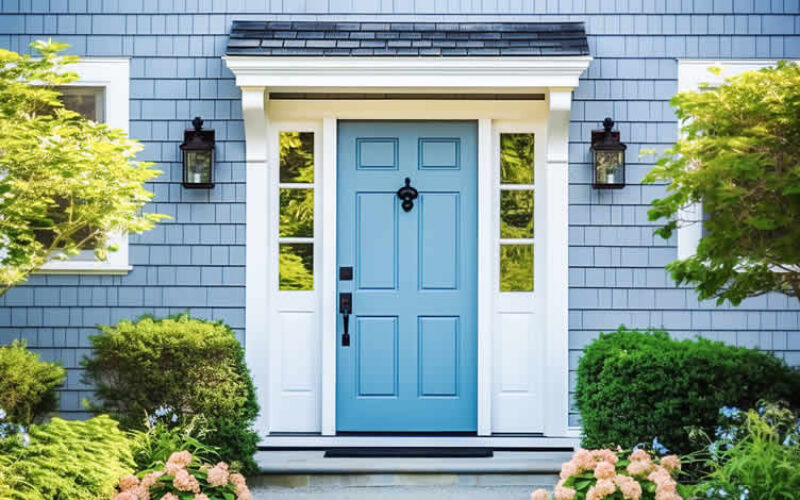
Home Siding Options That Will Stand the Test of Time
In the realm of home exteriors, the choice of siding is paramount. It plays a pivotal role in protecting your home from the elements and defines its aesthetic appeal.
Signs Of Rot Or Moisture Damage
Moisture is one of the biggest threats to a home’s exterior. Soft spots, discoloration, mold growth, or signs of rot can indicate that water has penetrated the siding system. Once moisture-related damage develops, the problem may continue spreading if left unaddressed.
Rot can weaken structural components and create costly repair projects. Thorough inspections can help determine the extent of the damage. In many situations, replacement is the most effective long-term solution.
Pest Infestations
Damaged siding can provide entry points for insects, rodents, and other pests. Cracks, gaps, and deteriorated materials may allow unwanted visitors to access the home’s structure. Once inside, pests can cause additional damage and create health concerns for occupants.
Addressing exterior vulnerabilities helps reduce the likelihood of future infestations. Maintaining a properly sealed exterior is an important part of protecting the home. Replacement may be necessary when existing siding can no longer provide adequate protection.
Fading And Worn Appearance
While fading may seem like a cosmetic issue, it can also indicate that siding materials are deteriorating due to prolonged exposure to sunlight and weather. A worn exterior may impact both curb appeal and property value.
Significant fading often occurs when siding has reached the later stages of its useful life. Newer materials are frequently designed to maintain their appearance longer and withstand environmental exposure more effectively.
Improving the home’s exterior can provide both functional and aesthetic benefits.
Maintenance Demands Continue Increasing
As siding ages, homeowners often find themselves spending more time and money on repairs and upkeep. Frequent maintenance requirements may indicate that the material is no longer performing effectively.
Replacing aging siding can often reduce ongoing maintenance demands while providing stronger protection against the elements.
Long-term savings can make replacement an appealing investment. Evaluating maintenance costs can help determine whether replacement is the more practical option.
Learning the Signs
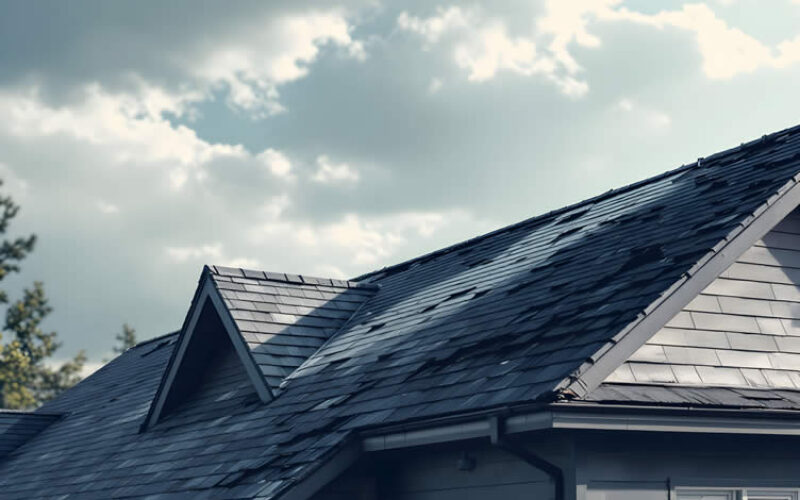
Your roof works tirelessly to protect your home, but over time, wear and tear can take a toll.
Look out for warning signs like recurring leaks, curled or missing shingles, or sagging areas. Discoloration or moss buildup could also point to trouble beneath the surface.
By staying vigilant and addressing these signs early, you can prevent costly damage and ensure your home remains safe and secure.
Don’t wait until it’s too late—know when it’s time for a roof upgrade.
view ideas: Your Home’s Roof Needs Replacing (new win)
Professional Inspections Reveal Concerns
Sometimes damage is not immediately visible from the ground. Professional inspections can identify hidden moisture issues, structural concerns, and areas of deterioration that might otherwise go unnoticed.
Homeowners often work with affordable siding contractors in Wichita, KS to evaluate the condition of their siding and determine whether repairs or replacement are the best option.
Expert assessments provide valuable insight and help ensure informed decision-making. Professional recommendations can help prevent costly surprises later.
Conclusion
Replacing aging siding is an important investment in the long-term health and appearance of a home. Visible damage, warping, moisture problems, rising energy costs, and increasing maintenance demands are all signs that replacement may be necessary.
By recognizing these warning signs early and taking proactive steps, homeowners can better protect their property, improve efficiency, and enhance curb appeal.
home improvement ideas to consider (complete directory – new win):

| Sign | Description | Potential Impact |
|---|---|---|
| Visible Cracks and Damage | Visible cracks, holes, or other physical damage may signal that the siding has reached the end of its lifespan. Small imperfections can often be repaired, but widespread cracking requires replacement to prevent moisture penetration and structural concerns. | Allows moisture entry, leading to structural issues and costly repairs over time. |
| Warping or Buckling Panels | Siding should lie flat against the home. Warping or buckling may indicate trapped moisture behind the material, leading to distortion and compromised protection. | Can result in further water intrusion and damage, reducing siding effectiveness. |
| Frequent Need for Repainting | Excessive repainting may point to siding that is no longer holding finishes properly due to aging materials. Replacing the siding can lower maintenance requirements. | Increasing maintenance costs and reduced protection against moisture and weather. |
| Higher Energy Bills | Unexpected increases in energy costs might be tied to siding problems. Aging siding may allow drafts, reducing insulation performance. | Decreased energy efficiency, higher HVAC system workload, and rising utility bills. |
| Signs of Rot or Moisture Damage | Issues like soft spots, mold, discoloration, or rot indicate moisture penetration. Left unchecked, this can escalate into structural damage, requiring extensive repairs. | Weakens structural components and increases long-term repair costs. |
| Pest Infestations | Damaged siding creates entry points for pests, which can cause further damage and health concerns. | Potential for significant interior and structural damage, along with health risks from pests. |
| Fading and Worn Appearance | Fading indicates material deterioration from environmental exposure, reducing curb appeal and property value. | Aesthetic issues and reduced durability suggest siding is at the end of its lifecycle. |
| Increasing Maintenance Demands | Aging siding often requires more frequent repairs and upkeep. Replacing it can reduce long-term costs and inconvenience. | Higher ongoing costs and efforts to maintain diminishing performance. |
| Professional Inspections Reveal Concerns | Hidden moisture problems and structural concerns can be identified during professional inspections, helping homeowners make informed decisions. | Prevents undetected damage from escalating and ensures timely interventions. |

Find Home Siding Services Siding Brick Concrete Stone top-rated, pre-screened local contractors FREE: download contractor selection enter zip code – powered by HomeAdvisor ™


Image credit: replace your home’s siding by envato.com
end of post … please share it!
| more photo remodeling |
Jump Over to Our Photo Analysis Center for Ideas on
"Renovating Home"
|__________________________________________________________|
home remodeling surprise
find out where it might go - new win


Helpful article? Leave us a quick comment below.
And please share this article within your social networks.