Whether it is seasonal decorations piling up in the garage or spare tiles from a bathroom renovation tucked into the back of a linen closet, finding space for everything can be a genuine challenge. In the quest for a more organized and serene living environment, many homeowners overlook a vast, hidden asset right beneath their feet.
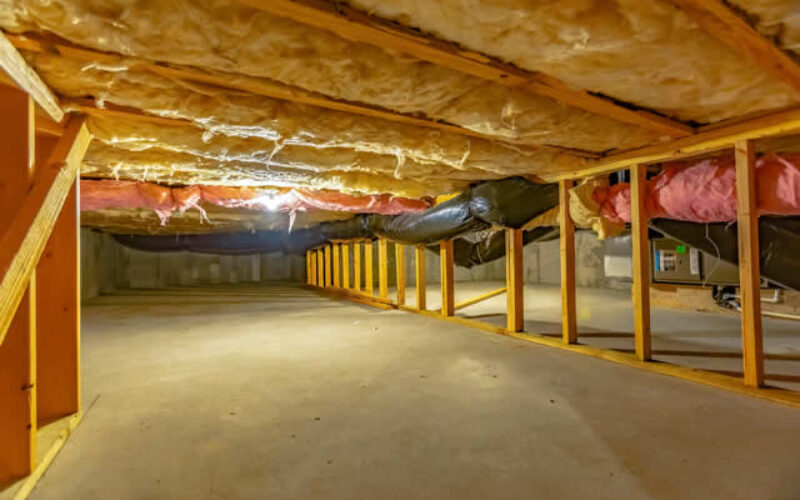
Your crawl space, that shallow unfinished area between the ground and the first floor of your home, holds tremendous potential. While it might seem dark and uninviting at first glance, a properly maintained crawl space can transform into a highly efficient storage area.
Utilizing this space allows you to free up valuable square footage in your main living areas, creating a more breathable and harmonious home.
However, moving items down there requires more than just tossing in a few boxes. It requires a thoughtful approach to ensure your belongings—and your home’s structural integrity—remain safe and sound.
- post content
- Understanding the Potential of Crawl Space Storage
- Items Suitable for Crawl Space Storage
- Preparing Your Crawl Space for Storage
- Precautions to Take When Storing Items
- Regular Maintenance and Monitoring
- conclusion
- view table:content summary
- view notes:collective tips
- view ideas:latest remodeling analysis
- view post (new win):Should You Move or Improve?
Understanding the Potential of Crawl Space Storage
A crawl space is essentially a hollow area found under some homes, bridging the gap between the ground and the bottom of your house. Its primary purpose is to promote air circulation through the home and allow easy access to plumbing, electrical, and other maintenance systems.
Because it is often unfinished and has a dirt floor, many people assume it is unusable for anything other than housing pipes.
However, viewing your crawl space solely as a utility access point is a missed opportunity. When treated with care and prepared correctly, this area offers a discreet solution for long-term storage.
By relocating bulky, infrequently used items to the crawl space, you can declutter your closets, garage, and attic. This shift not only improves the aesthetics of your living spaces but can also reduce the mental load that comes with managing a cluttered home.
more info below

Finding and Building Home Storage Solutions
Adequate storage is the cornerstone of a well-organized home, warding off clutter and promoting an atmosphere where peace and productivity can flourish.

Items Suitable for Crawl Space Storage
Identifying what can safely reside in a crawl space is the first step toward utilizing it effectively. The environment down there differs significantly from a climate-controlled bedroom, so you must select durable items that are not highly sensitive to temperature fluctuations.
Seasonal decorations and holiday items are excellent candidates for this type of storage. Artificial Christmas trees, outdoor light displays, and hard plastic Halloween pumpkins often take up disproportionate amounts of closet space for the eleven months of the year they are not in use.
Since these items are typically made of durable materials like plastic and wire, they withstand the crawl space environment well, provided they are packaged correctly.
Seldom-used tools and heavy equipment also fare well in these spaces. Spare ceramic tiles left over from a renovation, bricks, or sturdy gardening tools that you only need occasionally can be stored here without worry.
These materials are naturally resistant to the ambient conditions found in a crawl space and are heavy enough that you likely want them out of your way until absolutely necessary.
Outdoor gear is another category that belongs in this hidden storage area. Camping equipment like tent poles, tarps, and hard-shell coolers are built to endure the elements, making them tough enough for crawl space storage.
Similarly, sports equipment that is out of season, such as hard-shell kayaks or weights, can be safely tucked away, clearing up your garage for your car or a workspace.
Preparing Your Crawl Space for Storage
Before you move any belongings into the crawl space, the area must be prepared to receive them. Storing items in a raw, untreated crawl space is a recipe for damaged goods. The goal is to create a clean, dry, and stable environment that protects your possessions from the earth’s natural moisture.
The process begins with a thorough cleaning and inspection. You will want to remove any construction debris, sharp rocks, or old organic material that might attract pests.
While you are clearing the ground, inspect the wooden beams and joists above for any signs of rot, termite damage, or existing mold. addressing these structural issues is vital before you add the variable of stored items.
Ensuring proper sealing and ventilation comes next. There is often debate regarding whether to vent a crawl space or seal it completely (encapsulation). For storage purposes, encapsulation is generally the superior choice.
This involves sealing off vents to prevent humid outdoor air from entering. If you choose to keep vents open, you must be far more selective about what you store, as humidity levels will fluctuate wildly with the weather.
Installing a vapor barrier is perhaps the most critical step in this preparation phase. A vapor barrier is a thick plastic sheet, typically 6-mil polyethylene or thicker, laid over the dirt floor and usually up the walls.
This barrier stops moisture from the ground from evaporating into the crawl space air, which keeps humidity levels manageable and protects your stored items from dampness rising from the soil.
Finally, you must manage humidity and temperature. Even with a vapor barrier, the air can become damp. Installing a dehumidifier designed for crawl spaces can maintain the relative humidity below 60 percent, which is the threshold where mold typically begins to thrive.
Monitoring this environment ensures that your "hidden closet" remains a safe harbor for your belongings rather than a breeding ground for mildew.
info below about encapsulation

Crawl Space Encapsulation: Why It’s Essential for a Healthier Home
Crawl space encapsulation is a process designed to improve the overall health and efficiency of a home. By sealing the crawl space with a durable barrier, homeowners can prevent moisture buildup, reduce mold growth, and enhance energy efficiency.
Precautions to Take When Storing Items
Even with a prepared space, you must exercise caution regarding how you store your items. The crawl space is still a semi-outdoor environment, and your packing strategy should reflect that reality.
Avoid storing moisture-sensitive items like cardboard boxes, paper documents, photographs, or fabric clothing unless you take extreme measures. Cardboard absorbs moisture from the air, becoming soft and inviting to pests. Fabrics can easily grow mold if the humidity spikes even briefly.
If you must store these types of items, they require vacuum sealing inside of a hard plastic shell, though it is generally safer to keep delicate heirlooms inside the main house.
Preventing pest infestations is another priority. Rodents and insects are naturally drawn to dark, undisturbed places. To discourage them, never store food items or candles (which can smell like food to animals) in the crawl space.
Additionally, ensure that all access doors fit tightly and that any gaps around pipes or wires entering the house are sealed with steel wool or caulk.
Using airtight, waterproof containers is non-negotiable. Sturdy plastic bins with locking lids are the gold standard for crawl space storage. These bins provide a physical barrier against moisture and pests.
Clear bins are particularly helpful as they allow you to see the contents without breaking the seal, which helps you find what you need quickly without disrupting the organization.
Elevating items off the ground is a final, crucial precaution. Even with a vapor barrier, placing bins directly on the plastic can trap moisture and lead to condensation.
Placing your storage bins on shelving units, wooden pallets, or even bricks allows for airflow underneath the containers. This simple gap can prevent the bottom of your bins from becoming damp and keeps your items safe in the event of minor flooding or leaks.
Regular Maintenance and Monitoring


Treating your crawl space storage as a "set it and forget it" solution is a mistake. To ensure the longevity of your items and the health of your home, regular maintenance and monitoring are essential.
You should plan to check your stored items periodically, at least once a season or after heavy rainstorms. A quick inspection with a flashlight can help you spot potential leaks, displaced vapor barriers, or signs of rodent activity before they become major problems.
It is much easier to wipe down a bin or reset a trap than to replace a collection of ruined holiday decorations.
Maintaining environmental controls involves checking your dehumidifier to ensure it is draining properly and operating efficiently.
Some modern systems come with remote monitors that you can keep in your living area, alerting you if the humidity levels spike. This technology can provide peace of mind without requiring you to crawl under the house constantly.
Addressing any signs of moisture or pests immediately is vital. If you notice a musty smell or see droppings, investigate right away. The sooner you catch a breach in your crawl space’s defenses, the easier it is to rectify, protecting both your stored items and the air quality of the home above.
Conclusion
Utilizing your crawl space for storage is a brilliant way to maximize your home’s potential, provided you approach it with care and preparation. By understanding the unique environment of the crawl space and investing in encapsulation, vapor barriers, and proper containers, you can safely stow away seasonal gear and bulky tools.
This not only protects your belongings but also contributes to a more organized, peaceful, and functional living space for you and your family. Remember that a little proactive maintenance goes a long way in ensuring that this hidden asset serves you well for years to come.
other related analysis of interest: (new win)
Bunk Beds for Kids: Space-Saving Sleep Solutions for Every Family
| Section | Description | Key Takeaways |
|---|---|---|
| Unlocking Your Home’s Hidden Storage | Crawl spaces, often overlooked, offer a hidden storage solution for homeowners struggling with clutter. When properly maintained, these spaces can be transformed into effective storage areas, allowing for a more organized living environment. | Proper preparation and thoughtful organization are required to utilize crawl spaces effectively while preserving structural integrity. |
| Understanding the Potential of Crawl Space Storage | Crawl spaces, typically used for housing utilities, can be reimagined as discreet storage areas. By addressing preparation, they can hold infrequently used items like holiday decorations and tools, creating more spacious living areas. | With adequate treatment and protection, crawl spaces can be a valuable, hidden asset for storage. |
| Items Suitable for Crawl Space Storage | Durable, often infrequently used items such as seasonal decorations, tools, heavy equipment, and outdoor gear are ideal for crawl space storage. These items withstand environmental variations and free up space in other storage areas. | Suitable items must be durable and resistant to humidity or temperature fluctuations. |
| Preparing Your Crawl Space for Storage | Preparation involves cleaning, inspection, sealing, installing vapor barriers, and controlling humidity levels. Proper preparation ensures stored items remain safe from moisture and pests. | Encapsulation and a vapor barrier are critical to creating a suitable storage environment. |
| Precautions to Take When Storing Items | Moisture-sensitive items must be avoided, and waterproof airtight containers should be used. Elevating storage bins prevents water damage, pests must be deterred, and all openings sealed. | Packing strategy and protective measures are essential to maintaining stored items safely. |
| Regular Maintenance and Monitoring | Maintenance requires periodic checks for leaks, moisture, or pest activity while monitoring environmental conditions. Addressing issues early is essential to protect the crawl space and stored belongings. | Frequent inspections and proactive maintenance ensure long-term storage success. |
| Conclusion | With proper preparation and care, crawl spaces can effectively store seasonal and bulky items. Investing in the right solutions protects belongings while creating a more peaceful living space. | Strategic use of crawl spaces adds functional value and helps maintain an organized home. |

Find Exterior Home Services Garage Doors Roofing Siding Waterproofing Driveways Walkways top-rated, pre-screened local contractors FREE: download contractor selection Steps Concrete Chimney Landscape Design Foundations Water Features enter zip code – powered by HomeAdvisor ™


Image credit: crawl space storage by 123rf.com
end of post … please share it!
| more photo remodeling |
Jump Over to Our Photo Analysis Center for Ideas on
"Renovating Home"
|__________________________________________________________|
home remodeling surprise
find out where it might go - new win


Helpful article? Leave us a quick comment below.
And please share this article within your social networks.