It is a season that invites us to slow down, pull on our wool socks, and embrace the coziness of our indoor spaces. However, as we retreat inside to escape the chill, we often face an unwelcome guest: the cold and flu season.
The same sealed environment that keeps us warm can inadvertently become a breeding ground for winter illnesses, turning our sanctuary into a source of stress. Preparing your home for winter goes beyond checking the insulation or servicing the furnace. It requires a thoughtful approach to the indoor ecosystem we create for ourselves and our families.
By adjusting our home environment—specifically our air quality and humidity—and having a toolkit of comforting remedies at the ready, we can significantly reduce the frequency of illness and speed up recovery times when sickness does strike. Just as we tend to our gardens to ensure they survive the frost, we must tend to our indoor spaces to ensure our bodies thrive.
Creating a health-conscious home does not require a medical degree or a complete renovation. Often, it comes down to integrating the right appliances and establishing simple, nurturing routines. Whether you are looking to prevent the spread of germs or seeking ways to comfort a feverish child, having a plan in place brings peace of mind.
Let’s explore how to fortify your home against winter ailments, blending modern technology with timeless natural remedies to keep your family healthy and resilient all season long.
- post content
- Key Appliances For Winter Health
- Helpful Home Remedies And Supplies
- Everyday House Practices That Lower Winter Illness
- When To Seek Medical Care
- conclusion
- view table:content summary
- view notes:collective tips
- view ideas:latest remodeling analysis
- view post (new win):Create a home Wellness Sanctuary
Key Appliances For Winter Health
The air inside our homes changes drastically when the temperature drops outside. Heating systems strip moisture from the air, and closed windows trap pollutants.
Investing in or properly utilizing specific home appliances can restore balance to your indoor environment, making it hostile to viruses but welcoming to your family.
-
The Role Of Humidifiers In Disease Prevention
Dry air is one of the primary antagonists of winter health. When indoor relative humidity drops too low, our nasal passages dry out, compromising the mucus membrane that serves as the body’s first line of defense against pathogens.
Furthermore, scientific data suggests that influenza and other respiratory viruses survive longer and remain more infectious in dry air.
To combat this, maintaining an indoor relative humidity level between 40% and 50% is ideal. This range is associated with reduced infectivity of airborne viruses and helps keep the body’s natural defenses robust.
For homeowners, the choice often lies between whole-home systems and portable units. A whole-home humidifier integrated into your HVAC system offers the most consistent control, ensuring every room remains within the optimal range without the need for daily refilling.
However, if a built-in system is not feasible, large-room humidifiers placed in high-traffic areas like the living room or primary bedrooms are excellent alternatives. For family members who are already unwell, a cool-mist humidifier in the bedroom can be particularly soothing.
It reduces throat irritation and calms coughs, allowing for deeper, more restorative sleep. Regardless of the type, cleanliness is paramount; these devices must be cleaned regularly according to manufacturer instructions to prevent the growth of mold or bacteria, which could negatively impact air quality.
-
HEPA Air Purifiers For Contaminant Reduction
While humidifiers manage moisture, air purifiers manage purity. In winter, we naturally seal our homes tightly to conserve heat, but this traps dust, dander, and microscopic airborne droplets.
A high-quality air purifier equipped with a High Efficiency Particulate Air (HEPA) filter becomes an essential tool in this scenario. These units are designed to capture a significant percentage of airborne particles, including some virus-containing droplets and common respiratory irritants.
By reducing the load of irritants in the air, you lower the overall respiratory stress on your family, making infections less likely to take hold.
Placement of these units matters significantly for their effectiveness. To maximize their benefit, position air purifiers in the rooms where your family gathers most frequently, such as the family room or kitchen, as well as in bedrooms.
It is also helpful to keep interior doors slightly ajar to encourage airflow and allow the purifier to cycle the air more efficiently throughout the space.
If a family member falls ill, moving a dedicated air purifier into their recovery room can help reduce the viral load in the air, potentially protecting the rest of the household.
-
Ventilation Systems And Air Exchange
Even with purification, fresh air remains a vital component of a healthy home. Indoor air can become stale, accumulating carbon dioxide and indoor pollutants over time. Improving ventilation helps exchange this stale air with fresh outdoor air, diluting the concentration of any airborne contaminants.
For many homeowners, the simplest method is to utilize existing kitchen and bathroom exhaust fans. Running these fans for short periods, especially after cooking or showering, helps pull indoor air out.
Additionally, cracking a window for just a few minutes a day—even when it is cold—can facilitate a necessary air exchange, particularly when you have guests over or the house feels stuffy.
For those with newer, tightly sealed homes where opening a window might undermine energy efficiency, an Energy Recovery Ventilator (ERV) or Heat Recovery Ventilator (HRV) is a sophisticated solution worth considering.
These systems mechanically bring in fresh outdoor air while transferring the heat from the outgoing stale air to the incoming fresh air. This process ensures your home receives the fresh oxygen it needs without causing your heating system to work overtime, maintaining both air quality and thermal comfort.
more info below about home air filters
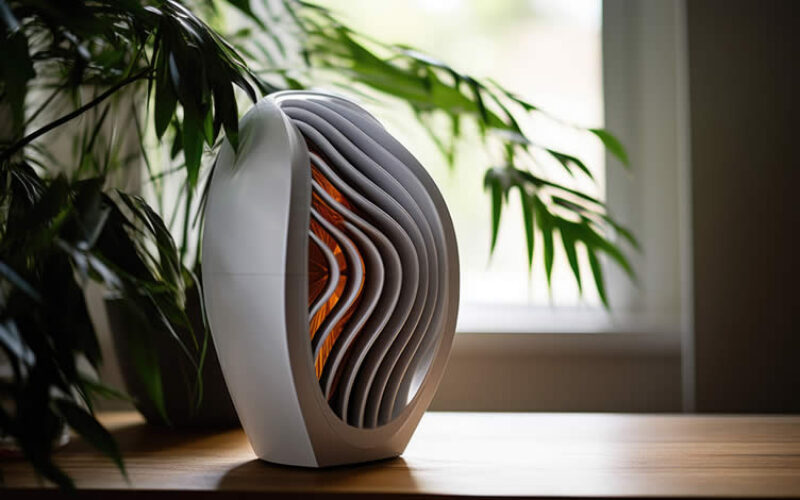
Breathe Easy: A Complete Guide to Air Purifiers for Allergy Relief
Searching for relief from constant sneezing, watery eyes, and breathing difficulties that seem worse indoors? You’re not alone.

Helpful Home Remedies And Supplies
When prevention falls short and a cold slips through your defenses, the focus shifts to comfort and symptom management.
Stocking your pantry and medicine cabinet with soothing, natural supplies allows you to respond immediately, turning your home into a place of healing and respite.
-
Hydration And The Power Of Warm Fluids
Hydration is the cornerstone of recovery, yet drinking cold water is not always appealing when you are shivering with a fever. This is where the comfort of warm fluids plays a dual role.
Sipping on warm soups, bone broths, or herbal teas does more than just keep the body hydrated; the warmth helps loosen mucus and soothe raw throats. Ingredients like ginger or honey added to tea can provide additional relief.
Honey, in particular, is a pantry staple that doubles as a powerful remedy for adults and children over the age of one. It coats the throat and has been shown to calm coughs effectively, sometimes performing as well as over-the-counter cough syrups.
Keeping a steady supply of these ingredients ensures you can whip up a comforting drink at the first sign of a sniffle. While these fluids do not cure the infection, they support the body’s physiological functions, making the duration of the illness more bearable.
-
Soothing Foods And Botanical Support
Your kitchen pantry can be a pharmacy of sorts during the winter months. Certain foods possess properties that support overall wellness, even if they are not miracle cures.
Ginger and garlic, for example, are revered for their antioxidant and anti-inflammatory properties. Incorporating these into meals can give the body a gentle boost.
Vitamin C-rich foods, such as citrus fruits and bell peppers, are also excellent additions to a winter diet. While they may not prevent a cold entirely, they contribute to the nutritional foundation your immune system relies on.
Botanicals like echinacea and elderberry are popular choices for many seeking natural support.
Research on these supplements shows mixed results, with some studies suggesting they may slightly reduce the duration of cold symptoms or the frequency of illness.
It is best to view these as adjuncts to a healthy lifestyle rather than primary treatments. having them on hand allows you to take a proactive, holistic approach to your family’s health, adding another layer of care to your winter routine.
-
Sore Throat And Nasal Congestion Relief
Throat pain and a stuffed nose are often the most disruptive symptoms of winter viruses, preventing rest when it is needed most. Simple, time-tested home remedies can offer significant relief.
A saltwater gargle, made by dissolving a teaspoon of salt in warm water, can reduce throat irritation and help thin mucus. It is a gentle, accessible remedy that can be used multiple times a day.
For nasal congestion, saline is equally effective. Using a saline nasal spray or a nasal irrigation device helps flush out irritants and improves breathing. This can be paired with steam therapy.
Creating a steamy environment in the bathroom by running a hot shower can temporarily relieve congestion, helping little ones (and adults) breathe easier.
However, caution is necessary with very hot steam around small children. For a more localized approach, a warm compress placed over the nose and forehead can also alleviate sinus pressure.


Everyday House Practices That Lower Winter Illness
Appliances and remedies are tools, but it is our daily habits that truly define the health of our home. By establishing consistent practices regarding humidity, cleanliness, and hygiene, we create an environment where wellness is the default state.
-
Managing Indoor Humidity And Cleanliness
We have established that humidity matters, but precision is key. Maintaining indoor relative humidity roughly between 35% and 45% strikes the perfect balance for winter.
This level is high enough to discourage virus survival but low enough to prevent the growth of mold and dust mites, which thrive in damp environments. To manage this, place simple hygrometers in several rooms of your house.
These inexpensive devices give you real-time data, allowing you to run your humidifiers only when necessary.
Cleanliness also plays a pivotal role in this equation. HVAC filters should be changed on a strict schedule during the winter to ensure they are effectively trapping particulates.
Furthermore, the very appliances that help us—humidifiers and air purifiers—must be maintained meticulously. cleaning these devices prevents microbial buildup that could otherwise be dispersed back into the air.
Make it a weekend ritual to check filters and wipe down water tanks, ensuring your tools for health remain helpful, not harmful.
-
Improving Ventilation And Airflow
Ventilation is not a set-it-and-forget-it task; it is an active daily practice. Beyond using exhaust fans, consider the flow of air throughout your home. When the weather allows, brief cross-ventilation—opening windows on opposite sides of the house/room—can rapidly refresh the air without chilling the furniture and walls significantly.
In shared spaces, especially if someone is feeling under the weather, increasing airflow is crucial. If you have a ceiling fan, running it on a low setting can help circulate air so that it passes through your air purification systems more frequently.
It is about preventing pockets of stagnant air where germs can linger.
-
Hygiene Practices For The Household
The most effective way to keep your home healthy is to prevent germs from spreading person-to-person. Establishing a culture of hygiene within the family is essential.
This includes frequent handwashing with warm water and soap, especially immediately upon returning home from school or work. Teach children the importance of coughing into their elbows or sleeves rather than their hands.
When illness does enter the home, isolation protocols can save the rest of the family from infection. If possible, designate a specific bedroom and bathroom for the sick family member.
Increase ventilation in shared areas and consider moving a portable air purifier into the sick room. This "zoning" approach reduces the overall household viral load and gives the sick individual a quiet, dedicated space to recover.
interesting viewpoint about indoor air quality

Combating Indoor Air Pollution for Better Home Improvement
We tend to associate air pollution primarily with exhaust fumes or industrial emissions, but the truth is, that the air inside our homes can be just as tainted, if not more so.
When To Seek Medical Care
Despite our best efforts with prevention and home remedies, there are times when professional medical intervention is necessary.
Recognizing the signs of severe illness ensures that you seek help at the right moment, preventing complications and ensuring safety.
-
Recognizing Severe Symptoms
It is vital to monitor symptoms closely, rather than assuming it is "just a cold." You should contact a healthcare provider promptly if symptoms become severe.
This includes trouble breathing, persistent chest pain, or sudden confusion. A high fever that does not respond to medication or persists for several days is also a red flag. These signs can indicate that a viral infection has progressed to something more serious, such as bacterial pneumonia.
Special vigilance is required for vulnerable family members. Infants, older adults, pregnant individuals, or those with chronic diseases (like asthma or diabetes) have less reserve to fight off infections.
For these groups, early consultation with a doctor is recommended at the onset of flu-like symptoms, rather than waiting for the condition to worsen.
-
Consulting Healthcare Professionals
Another indicator that it is time to seek care is the trajectory of the illness. If symptoms seem to improve but then suddenly worsen after a few days, this "double-sick" pattern can signal a secondary infection, such as a sinus infection or pneumonia.
Fortunately, modern healthcare offers convenient options for winter assessments. Telehealth services have become a robust tool for triaging winter illnesses. A virtual appointment can often determine if a prescription is needed or if an in-person evaluation is required, all without you having to leave the comfort and warmth of your home.
Always err on the side of caution; a quick consultation can provide reassurance or a necessary treatment plan to get you or your loved one back on the path to health.
Conclusion
Winter should be a season of joy, reflection, and comfort, not a time of constant struggle against illness. By taking a proactive approach to your home environment, you can tip the odds in your favor.
Integrating key appliances like humidifiers and air purifiers helps create an atmosphere that supports your body’s natural defenses. Stocking up on simple, natural remedies ensures that if sickness does arrive, you are ready to provide immediate, nurturing care.
Ultimately, these strategies are about empowerment. They transform your home from a passive shelter into an active participant in your family’s well-being.
As the snow falls and the temperatures drop, you can rest easy knowing that you have created a warm, healthy sanctuary where your family can thrive.
other related analysis of interest: (new win)
Navigating Home Emergencies: A Comprehensive Guide to Urgent Repairs
| Suggestive Remedy | Detail Descrition |
|---|---|
| Transform Your Home Into A Winter Wellness Sanctuary | The arrival of winter often feels like a magical shift in the world around us. Frost creates delicate patterns, and the landscape softens under snow, inviting us to slow down and embrace indoor spaces. However, the cold and flu season can turn this sanctuary into a source of stress if precautions are not taken. By enhancing air quality, humidity, and using comforting remedies, you can keep illnesses at bay and maintain a healthy home environment. |
| Key Appliances For Winter Health | Winter affects indoor air quality dramatically. Heating systems dry out the air, and sealed windows trap pollutants. Essential appliances like humidifiers help maintain humidity levels between 40-50%, deterring viruses and keeping the body’s defenses strong. HEPA air purifiers reduce airborne particles and improve purity, while ventilation systems facilitate air exchange for fresher indoor environments. |
| Helpful Home Remedies And Supplies | When illness strikes, hydration through warm fluids like soups and teas helps loosen mucus and soothe throats. Ingredients such as honey, ginger, and garlic provide natural relief and immune support. Simple remedies, including saltwater gargles, saline sprays, and steam, ease throat pain and congestion. Stocking these supplies ensures quick, comforting care during winter illnesses. |
| Everyday House Practices That Lower Winter Illness | Maintaining indoor humidity between 35-45% strikes a balance between discouraging virus survival and preventing mold. Hygrometers assist in precision, while regular maintenance of HVAC filters, humidifiers, and purifiers ensures air quality. Ventilation through exhaust fans or brief window opening refreshes the air, and consistent hygiene practices like handwashing and respiratory etiquette reduce germ spread within the household. |
| When To Seek Medical Care | Recognizing severe symptoms like persistent high fevers, trouble breathing, or sudden confusion is critical. Vulnerable groups, including infants, elderly individuals, and those with chronic conditions, require extra caution. Telehealth services provide convenient access to professional care for timely advice or treatment plans when required. |
| Conclusion | Winter can be a time of comfort and joy if preventive measures are taken. Utilizing appliances such as humidifiers and air purifiers alongside natural remedies creates a nurturing, healthy home. These proactive strategies empower families to thrive during the season, turning homes into sanctuaries that support well-being. |

Find Handyman Services (opens new win) Handyman Carpentry Electrical Plumbing top-rated, pre-screened local contractors FREE: download contractor selection enter zip code – powered by HomeAdvisor ™


Image credit: healthy home by envato.com
end of post … please share it!
| more photo remodeling |
Jump Over to Our Photo Analysis Center for Ideas on
"Renovating Home"
|__________________________________________________________|
home remodeling surprise
find out where it might go - new win


Helpful article? Leave us a quick comment below.
And please share this article within your social networks.