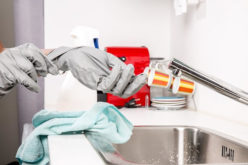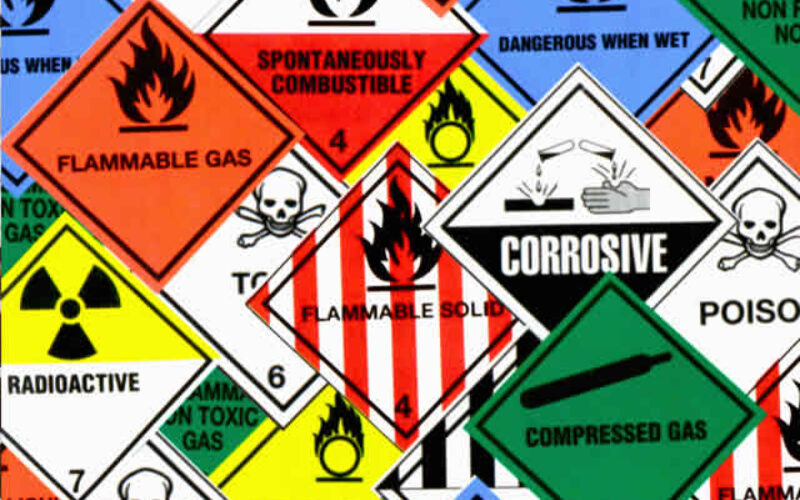
These things can harm your health and the environment if you don’t handle them right. The good news is that you can get rid of dangerous waste without putting your family or neighborhood at risk.
This article shows homeowners practical ways to handle and throw out dangerous materials within the law.
Know What’s Dangerous
Before you can throw out harmful materials, you need to know what counts. Common things around the house that fall into this group include:
- Paints solvents, and varnishes
- Pesticides and herbicides
- Automotive fluids like motor oil and antifreeze
- Batteries (lithium and lead-acid)
- Cleaning products with strong chemicals
- Fluorescent light bulbs and electronics
These items have substances that can catch fire, corrode, poison, or react. If you pour them down the drain or throw them in the trash, you might pollute water, hurt animals, and even start fires or cause explosions.

Use Local Hazardous Waste Collection Programs
Many cities and counties run programs to collect hazardous waste or set up specific drop-off events. These services aim to help people get rid of dangerous materials without hurting the environment.
You should contact your local public works department or sanitation authority to learn when and where these events happen.
Some areas have facilities that take hazardous waste all year long. These centers ask for proof that you live there and might limit how much stuff you can bring at once. Make sure you follow their rules to handle and move these materials.
Hire Professional Cleanup Services
When you’re handling a big amount of dangerous stuff—like after fixing up your house, a flood, or cleaning out your garage—it’s best to get experts to help.
Companies that focus on hazardous material cleanup have the know-how, tools, and paperwork needed to handle risky substances without putting anyone in danger.
These services come in handy for things like getting rid of mold, taking care of asbestos, or cleaning up chemical spills.
Experts know how to keep these materials contained and get rid of them following local, state, and federal rules. This cuts down on legal troubles and health risks.
more info below

Most Common Examples of Hazardous Waste in Homes
When people think of hazardous waste, they often don’t think of the materials that could be sitting in their own homes. A lot of materials, such as house maintenance and cleaning, can cause a lot of harm if people don’t handle and dispose of them properly.
Store Hazardous Materials Until Disposal
If you can’t get rid of hazardous stuff right away, you need to store it. Keep these materials in their original containers and make sure the labels are still readable. Put them somewhere cool and dry far from kids, pets, and anything that gets hot. Don’t mix chemicals together – it can lead to dangerous reactions.
Use plastic bins or trays as a backup to catch any leaks or spills. When it comes to things like batteries or electronics, don’t stack or crush them. This can cause harmful substances to leak out.
Explore Eco-Friendly Alternatives
Avoiding hazardous waste is one of the best ways to cut down on it. Many household items now come in green versions that are less harmful to use and get rid of. When buying supplies, look for non-toxic cleaners, rechargeable batteries, and water-based paints.
You can also cut waste by buying just what you need and taking good care of items to make them last longer. For instance, storing paint the right way can keep it from going bad, and using up cleaning products before getting new ones helps avoid having too much.
Picking options that are good for the environment not only keeps your home safe—it helps make the planet healthier.
other related analysis of interest: (new win)
From Deck to Dream Room: A Conversion Guide
Navigating Home Emergencies: A Comprehensive Guide to Urgent Repairs
Conclusion
Dealing with dangerous materials doesn’t have to be a hassle, but it does call for caution and a sense of duty. Homeowners can keep their families and the environment safe by figuring out what counts as dangerous, using local programs to get rid of stuff, bringing in experts when necessary, and keeping items in a safe place.
Find Home Cleaning Services Home Cleaning Carpet-Drapes Property Clean-Up Windows top-rated, pre-screened local contractors FREE: download contractor selection enter zip code – powered by HomeAdvisor ™


Image credit: get rid of hazardous material by envato.com
end of post … please share it!
| more photo remodeling |
Jump Over to Our Photo Analysis Center for Ideas on
"Renovating Home"
|__________________________________________________________|
home remodeling surprise
find out where it might go - new win


Helpful article? Leave us a quick comment below.
And please share this article within your social networks.