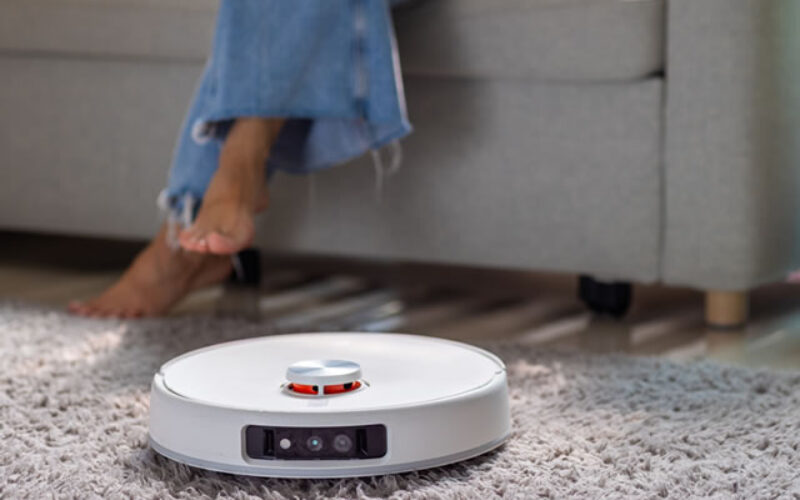
Between managing work, family, and personal time, the daily chore of keeping floors spotless can easily fall to the bottom of the list. It is a universal struggle, yet maintaining a clean home is foundational to creating a nurturing environment for ourselves and our loved ones.
Fortunately, we are living through a remarkable transformation in home care tools. Gone are the days when vacuuming meant lugging a heavy, noisy machine from room to room, tethered to the wall by a tangled cord.
Today, home vacuum technology has evolved into a sophisticated partner in your housekeeping routine. It is no longer just about suction power; it is about intelligence, autonomy, and ergonomics working in harmony to make your life easier.
Whether you are looking to reclaim your weekends from chores or simply want to ensure your home is a dust-free sanctuary for allergy sufferers, the latest advancements offer solutions that feel almost magical.
From robots that map your home with laser precision to cordless stick vacuums that sense hidden dust, these innovations are designed to coexist seamlessly with your lifestyle.
Let’s explore how these new technologies can help you achieve ultra-clean floors and a more harmonious home.
- post content
- The Rise of the Intelligent Robot Vacuum
- Cordless Innovations That Empower Your Routine
- The Magic of Combo Units and Self-Cleaning Stations
- What the Future Holds for Vacuum Technology
- Connectivity and Smart Home Integration
- Breathing Easier with Advanced Filtration
- conclusion: Creating a Harmonious Home Environment
- view article (new win):TITLE
- view table:content summary
- view notes:collective tips
- view ideas:latest remodeling analysis
The Rise of the Intelligent Robot Vacuum
If you have ever hesitated to buy a robot vacuum because you worried it would just bump into walls or get stuck on a rug, it is time to take another look. Recent advancements have fundamentally changed how these devices perceive and navigate our homes.
The newest generation of robot vacuums is moving away from the chaotic "bump-and-run" style of cleaning toward deliberate, intelligent navigation that mimics how a human would approach a room.
-
Seeing the World Through Advanced Sensors
The leap in navigation technology is largely due to the integration of LiDAR (Light Detection and Ranging) and camera-based SLAM (Simultaneous Localization and Mapping). These technologies allow the vacuum to "see" your home in three dimensions.
Instead of blindly feeling its way around, the robot builds a detailed map of your floor plan, recognizing doorways, furniture, and even temporary obstacles. This means your vacuum can clean in efficient, systematic rows rather than random patterns, ensuring every inch of floor is covered without wasting battery life.
Object recognition has also taken a massive step forward. High-end models now possess the ability to identify small hazards that used to spell disaster for robotic cleaners.
We are talking about phone charging cords, stray shoes, and—perhaps most importantly for pet owners—unexpected pet waste.
By recognizing these items, the vacuum can proactively navigate around them, saving you from the frustration of coming home to a machine tangled in cables or, worse, a mess spread across your carpet.
-
AI That Learns Your Lifestyle
Beyond just seeing obstacles, these machines are learning to understand the context of your home. Smarter AI behavior means that robots can now adapt their suction power based on the floor type they encounter, increasing intensity on plush carpets and dialing it back on hardwood to conserve energy.
They learn where your high-traffic areas are—like the entryway or the kitchen—and can suggest extra cleaning passes in those zones.
Some of the most advanced models arriving on the market in 2026 are refining this even further. They are designed to handle tricky thresholds and uneven flooring more reliably, ensuring they don’t get stranded between rooms.
They are also getting better at approaching edges and furniture, cleaning closer to baseboards than ever before. This level of autonomy transforms the robot vacuum from a novelty gadget into a truly self-sufficient housekeeper that respects the rhythm of your daily life.
another interesting viewpoint

AI Home Health Devices: Your Guide to Smart Wellness Technology
The landscape of personal health management has evolved dramatically with the emergence of AI-powered home health devices.

Cordless Innovations That Empower Your Routine
While robots handle the daily maintenance, there is still a vital place for manual vacuuming, especially for deep cleaning or tackling stairs and upholstery. The good news is that manual vacuums have undergone a revolution of their own.
The shift toward cordless stick vacuums has liberated us from power outlets, but the early trade-offs—short battery life and weak suction—are rapidly becoming problems of the past.
-
Battery Life That Finally Keeps Up
Modern cordless vacuums are benefiting from significant improvements in lithium-ion battery technology and efficient brushless motors.
These advancements allow for significantly longer runtimes per charge while sustaining higher power levels. It is now entirely possible to clean a typical family home on a single charge without feeling rushed.
For those with larger spaces, premium models often come with dual batteries or hot-swappable packs, ensuring you never have to stop midway through a clean to wait for a recharge.
-
Sensors That Find Dirt You Can’t See
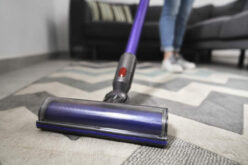
Perhaps the most exciting development in manual vacuums is the integration of smart sensing technology. Flagship models from leading brands are now equipped with dirt and floor sensors that automatically adjust suction and brush speed as you move from hard floors to carpet.
This optimizes battery usage and ensures you are getting the deep clean you need exactly where you need it.
Furthermore, we are seeing the introduction of laser or LED "dust illumination" on floor heads. This feature projects a light at a precise angle to reveal fine dust and debris that is invisible to the naked eye.
It turns cleaning into a more precise and satisfying task, giving you visual confirmation that you have truly captured all the dirt. It is a small detail that makes a massive difference in achieving ultra-clean floors.
The Magic of Combo Units and Self-Cleaning Stations
For many of us, the dream is a device that can do it all. The industry has responded with the rise of hybrid combo units that vacuum and mop simultaneously.
While early versions of this tech were often underwhelming—essentially just dragging a damp cloth across the floor—the new standard is far more effective.
-
One Pass for Ultra-Clean Floors
Current mid-to-high-tier combo robots feature powered mop plates that scrub the floor, or oscillating mop pads that agitate dirt to lift sticky messes. Some even feature edge-mopping capabilities, extending the mop pad to reach right up to the wall.
This aims to provide true hard-floor cleaning in a single pass, saving you the trouble of running two separate cycles or breaking out the manual mop and bucket.
-
Docks That Do the Dirty Work
The true game-changer, however, lies in the docking station. We have moved beyond simple charging docks to "all-in-one" stations that act as a garage and pit crew for your robot.
These advanced stations can empty the robot’s dust bin into a larger bag, refill the robot’s clean water tank, and drain the dirty water.
Even more impressively, they can wash and dry the mop pads automatically. This prevents odors and bacteria growth, ensuring that your floors are always being cleaned with fresh equipment.
Some eco-conscious designs even recycle rinse water to cut down on consumption. This level of automation reduces hands-on care to just an occasional bag change or tank refill, allowing you to enjoy a pristine home with minimal intervention.
What the Future Holds for Vacuum Technology
As we look toward the horizon of 2026 and beyond, the trajectory of home vacuum technology points toward even greater versatility and capability.
Concepts and early products showcased at major tech events suggest that high-end robotics will soon include robotic arms capable of moving small objects out of the way before cleaning—a leap that brings us closer to the futuristic vision of a full-service robot butler.
We are also seeing the development of more robust climbing capabilities, allowing robots to tackle steeper stairs and higher thresholds that currently limit their access.
Another emerging trend is modular platforms. Imagine buying a base unit that you can upgrade over time with different modules—adding a mopping function or a specialized pet hair tool later on.
This modular approach aligns beautifully with a sustainable mindset, allowing us to upgrade our tech without discarding the entire machine.
Connectivity and Smart Home Integration
In our increasingly connected world, our appliances need to communicate with us and each other. A growing subset of both robotic and manual vacuums now connects to apps or broader smart-home systems. This connectivity offers tangible benefits, such as logging cleaning time, monitoring filter status, and tracking battery health.
These systems can suggest maintenance tasks before a breakdown occurs, ensuring your investment lasts longer.
Some launches are branding this connectivity as "AI," utilizing the data to map where dirt tends to collect in your specific home or tuning performance profiles to your unique environment. It essentially creates a customized cleaning plan that evolves with your household’s needs.
here’s another supporting viewpoint

Advance Your Living Space with Smart Home Automation
This smart home automation guide is designed to help you harness the full potential of innovative gadgets that can streamline daily tasks and improve your living experience.
Breathing Easier with Advanced Filtration
A clean home is about more than just what you can see; it is about the quality of the air you breathe. This is where filtration technology becomes critical. As we become more health-conscious, manufacturers are prioritizing improved filtration systems in both robotic and manual vacuums.
Many new uprights, stick vacuums, and backpack models now feature HEPA (High-Efficiency Particulate Air) or HEPA-like multi-stage filtration. These systems are designed to capture 99.97% of particles as small as 0.3 microns, effectively trapping fine dust, pollen, and pet dander.
By preventing these allergens from being recirculated into the air, these vacuums contribute to a healthier indoor environment, which is especially vital for households with allergy sensitivities or young children.
Creating a Harmonious Home Environment
The evolution of home vacuum technology is a testament to how innovation can support a more balanced, harmonious life. By delegating the repetitive, labor-intensive task of floor cleaning to intelligent machines, we free up precious time to focus on what truly matters—whether that is spending time with family, pursuing a hobby, or simply resting.
From the autonomy of self-cleaning robot docks to the ergonomic power of cordless stick vacuums, these tools are designed to work around you, not the other way around. They offer the promise of ultra-clean floors without the back-breaking effort, ensuring your home remains a sanctuary of comfort and cleanliness.
As you consider upgrading your cleaning arsenal, remember that these are not just appliances; they are investments in your quality of life.
other related analysis of interest: (new win)
Creating Eco-Friendly Homes: Your Guide to Sustainable Living
| Topic | Details | Technological Advancements |
|---|---|---|
| The Future of Clean | Exploring the latest advancements in home vacuum technology that make cleaning efficient and seamless, creating a nurturing home environment. | Integration of intelligence, autonomy, and ergonomic design in modern vacuum solutions. |
| Intelligent Robot Vacuums | Robots now feature LiDAR and SLAM technologies for precise navigation, systematic cleaning, and obstacle recognition, ensuring no interruption in operation. | Advanced sensors for 3D mapping, AI adjustments for floor type, and improved edge-cleaning and terrain handling capabilities. |
| Cordless Vacuum Innovations | Modern cordless vacuums are lightweight, with improved battery capacity that allows cleaning in a single charge, and integrate smart dirt detection for optimized performance. | Efficient lithium-ion batteries, dirt and floor sensors, and features like laser/LED dust illumination for enhanced cleaning precision. |
| Combo Units and Self-Cleaning Stations | Devices that vacuum and mop simultaneously now use powered mop plates or oscillating pads for thorough floor cleaning. Advanced docks manage tasks like dust disposal and mop maintenance autonomously. | Hybrid cleaning units with self-cleaning stations that refill, clean pads, prevent bacteria growth, and reduce water consumption. |
| Future Trends | Innovations include robotic arms for moving obstacles, robust climbing abilities, modular platforms, and enhanced smart-home system integration for personalized cleaning. | AI-driven performance tuning, advanced connectivity, and sustainable modular designs align with modern efficiency and environmental goals. |
| Advanced Filtration | Filtration systems like HEPA capture fine particles, allergens, and dust, improving air quality and contributing to healthier living environments. | Multi-stage filtration and allergen control for households with sensitivities or young children. |
| Creating a Harmonious Home | By automating cleaning tasks with modern tools, homeowners can enjoy a clean, balanced living space while focusing on personal priorities. | User-friendly designs and smart integrations reduce manual effort and elevate quality of life. |

Find Home Cleaning Services Home Cleaning Carpet-Drapes Property Clean-Up Windows top-rated, pre-screened local contractors FREE: download contractor selection enter zip code – powered by HomeAdvisor ™


Image credit: home vacuum technology by envato.com
end of post … please share it!
| more photo remodeling |
Jump Over to Our Photo Analysis Center for Ideas on
"Renovating Home"
|__________________________________________________________|
home remodeling surprise
find out where it might go - new win


Helpful article? Leave us a quick comment below.
And please share this article within your social networks.