However, successful beekeeping requires preparation, education, and ongoing commitment.
Understanding the legal requirements, equipment needs, and responsibilities involved can help you build a thriving colony and enjoy a rewarding beekeeping experience.
- post content
- Check Local Laws and Zoning Regulations
- Choose the Best Location for Your Hives
- Invest in Essential Equipment
- Understand Seasonal Colony Management
- Learn About Bee Health Challenges
- Connect With Experienced Beekeepers
- conclusion
- view table:content summary
- view notes:collective tips
- view analysis:Creating a Bee-Friendly Garden
- view ideas:latest remodeling analysis
Check Local Laws and Zoning Regulations
Before purchasing bees or equipment, research the regulations that apply in your area. Many cities, counties, and homeowner associations have rules governing residential beekeeping.
These regulations may limit the number of hives you can keep, require specific setbacks from property lines, or prohibit beekeeping entirely in certain neighborhoods.
Some locations also require hive registration with local agricultural agencies or departments. Taking time to review local requirements before starting can prevent costly mistakes and help ensure that your beekeeping operation remains compliant.
It is also a good idea to speak with nearby neighbors about your plans so they understand what to expect and can voice any concerns before the hives are installed.
more info below

5 Beautiful Tips for Creating a Bee-Friendly Garden
Some key tips for creating a bee-friendly garden—check it out!

Choose the Best Location for Your Hives
Hive placement plays a major role in colony health and productivity. Bees generally perform best when their hives receive morning sunlight, which encourages earlier foraging activity and helps regulate hive temperatures after cooler nights.
A suitable location should also provide:
- Access to flowering plants throughout the season
- A nearby water source
- Protection from strong winds
- Good drainage to prevent standing water around the hive
- Limited disturbance from pets or heavy foot traffic
Positioning hives near fences or hedges can help direct bee flight paths upward and away from neighboring properties while also providing some shelter from wind. Thoughtful placement benefits both the colony and those living nearby.
Invest in Essential Equipment
Starting a beekeeping operation requires several basic pieces of equipment. The hive itself consists of boxes, frames, and foundation where bees build comb, raise brood, and store honey.
In addition, beekeepers need tools that allow them to inspect and manage colonies safely. Some of the most important items include:
- Beehives and frames
- Hive tool
- Bee smoker
- Feeders
- Bee brush
- Queen marking supplies
- Honey harvesting equipment
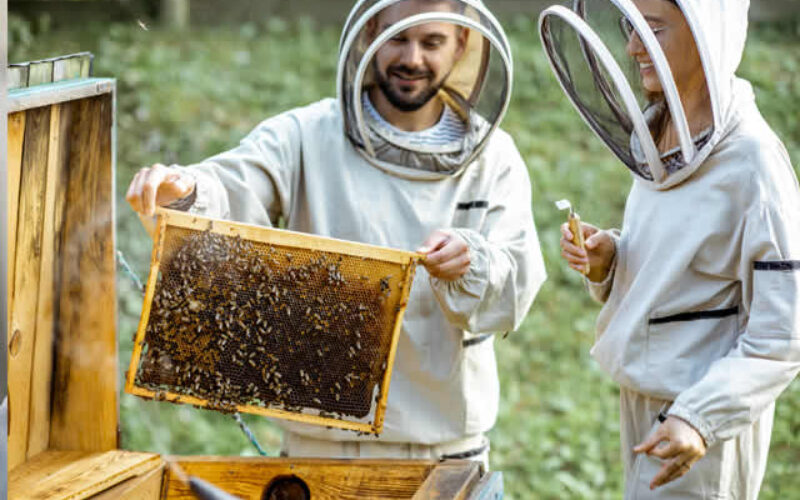
Safety equipment is equally important. During inspections and honey extraction, many beekeepers wear protective bee clothing to help prevent stings and work around colonies with greater confidence.
Protective suits, jackets, veils, and gloves are especially valuable for beginners who are still becoming comfortable with hive management techniques.
Although the initial investment may seem substantial, quality equipment typically lasts for many years when properly maintained.
Understand Seasonal Colony Management
Successful beekeeping involves different responsibilities throughout the year. Colony needs change with the seasons, and understanding these changes is critical for long-term hive health.
-
Spring
Spring is typically the busiest season for beekeepers. Colonies expand rapidly as flowers begin blooming and nectar becomes available. Beekeepers inspect hives frequently to monitor brood production, assess food stores, and identify early signs of disease or swarming behavior.
-
Summer
Summer is often peak honey-production season. Colonies are usually at their strongest, with thousands of worker bees collecting nectar and pollen. Hive inspections focus on ensuring adequate space, managing swarms, and preparing for honey harvests.
-
Fall
During fall, beekeepers begin preparing colonies for winter. This includes checking food reserves, reducing hive entrances, treating for parasites when necessary, and ensuring colonies remain strong enough to survive colder temperatures.
-
Winter
Winter management is generally less intensive. Colonies remain clustered inside the hive to stay warm. Beekeepers primarily monitor hive conditions and food reserves while minimizing unnecessary disturbances.
Learn About Bee Health Challenges
Healthy bees are the foundation of a successful beekeeping operation. Unfortunately, honey bee colonies can face a variety of threats ranging from parasites and diseases to environmental stressors.
One of the most serious threats is the varroa mite, a parasite that weakens bees and spreads harmful viruses throughout a colony. Other concerns include bacterial diseases, fungal infections, nutritional deficiencies, and pesticide exposure.
Learning to recognize warning signs below can help you intervene before problems become severe:
- Reduced brood production
- Deformed wings
- High bee mortality
- Weak colony populations
Regular inspections and continuing education are essential for maintaining strong, productive colonies.
Creating a Bee-Friendly Garden
A thriving bee colony needs a wide radius of pollen-rich plants to sustain it through the seasons.
Your garden can be part of that network.
Plant a mix of perennial and annual flowers, such as coneflowers, lavender, and sunflowers, to give bees a steady food source.
With thoughtful planting, your garden becomes a haven for pollinators and supports the health of surrounding ecosystems.
view ideas: Perennial and Annual Flowers (new win)

Connect With Experienced Beekeepers
One of the best ways to accelerate your success is by connecting with local beekeepers. Many communities have beekeeping associations that offer mentoring programs, educational workshops, and seasonal training opportunities.
Experienced beekeepers can provide practical advice about local nectar flows, winter survival strategies, disease management, and hive placement specific to your region. Their knowledge often helps new beekeepers avoid common mistakes during their first few years.
Building relationships within the beekeeping community also provides a valuable support network when challenges arise.
Conclusion
Keeping bees at home can be a rewarding hobby that produces fresh honey, supports pollinator populations, and offers a fascinating connection to the natural world. However, successful beekeeping requires more than simply placing a hive in your backyard.
Understanding local regulations, choosing the right location, investing in appropriate equipment, monitoring hive health, and learning seasonal management practices are all critical components of long-term success.
With proper preparation, ongoing education, and a commitment to caring for your colonies, backyard beekeeping can become an enjoyable and productive activity that benefits both your household and the surrounding environment.
home improvement ideas to consider (complete directory – new win):


Find Landscaping/Maintenance Landscape Design Landscape Maintenance Pest Control Sprinkler Systems Tree & Shrubs Water Features top-rated, pre-screened local contractors FREE: download contractor selection enter zip code – powered by HomeAdvisor ™


Image credit: keeping bees at home by envato.com
end of post … please share it!
Sunny Perennial Pics
Part-Sun Perennials
| more photo remodeling |
Jump Over to Our Photo Analysis Center for Ideas on
"Renovating Home"
|__________________________________________________________|
home remodeling surprise
find out where it might go - new win


Helpful article? Leave us a quick comment below.
And please share this article within your social networks.