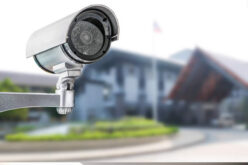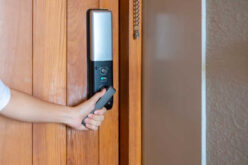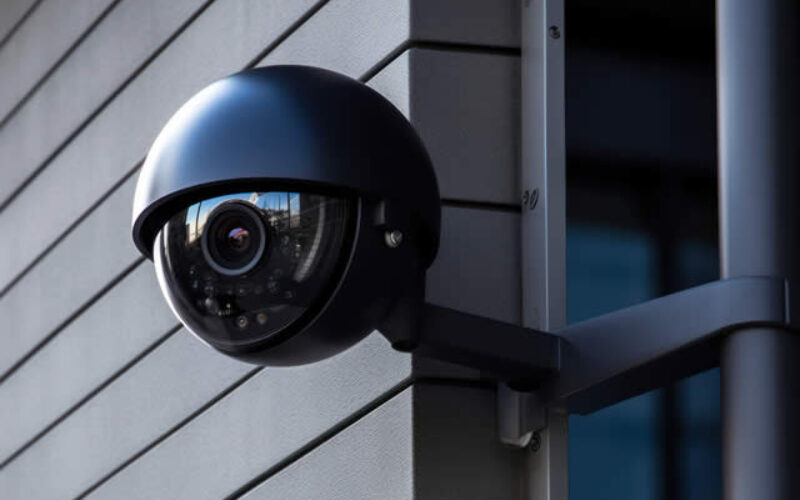
These smart home security solutions represent a significant leap forward in protecting what matters most to you. Whether you’re a busy family juggling work schedules and school activities, or someone who travels frequently and wants peace of mind, AI-powered security systems adapt to your lifestyle while providing comprehensive protection.
Unlike traditional systems that often trigger false alarms from pets or passing delivery trucks, modern home surveillance systems use artificial intelligence to understand the difference between normal activity and genuine security concerns.
The integration of AI technology into home security addresses common frustrations many homeowners face: constant false alarms, inability to monitor your property remotely, and difficulty distinguishing between actual threats and everyday occurrences.
These intelligent systems work around the clock, learning and adapting to provide personalized security that fits seamlessly into your daily routine.
- post content
- how AI home security systems work
- types of AI home security systems
- benefits of AI home security systems
- Drawbacks and Limitations
- Installation and Setup
- alternatives to AI home security systems
- Addressing User Needs and Concerns
- Transform Your Home Security Experience
- view table:content summary
- view key:collective notes
How AI Home Security Systems Work
Understanding how these intelligent systems operate helps you make informed decisions about protecting your home. AI home security technology combines multiple advanced features to create comprehensive monitoring solutions that surpass traditional security methods.
-
AI-Powered Cameras and Video Analytics
Modern security cameras equipped with artificial intelligence can analyze video footage in real-time, identifying specific objects, people, and activities. These systems distinguish between a family member returning home late and an unknown person attempting entry. The cameras learn to recognize familiar faces, usual delivery patterns, and typical household activities.
Video analytics capabilities extend beyond simple motion detection. These systems can identify when someone is loitering near your property, detect if a package has been delivered or stolen, and even recognize when vehicles spend unusual amounts of time in your driveway.
The AI processes this visual information continuously, building a comprehensive understanding of normal activity patterns around your home.
-
AI-Driven Intrusion Detection
Smart intrusion detection goes beyond traditional door and window sensors. AI systems analyze multiple data points simultaneously, including audio patterns, movement trajectories, and timing of activities.
When someone approaches your home, the system evaluates whether this represents normal behavior or potential threat based on learned patterns.
These systems can differentiate between the sound of breaking glass and a dropped dish, between footsteps of family members and those of strangers. The AI continuously refines its detection capabilities, reducing false alarms while maintaining high sensitivity to genuine security threats.
-
Facial Recognition and Smart Alerts
Facial recognition technology allows your system to identify family members, regular visitors, and service providers while flagging unknown individuals. When integrated properly, this feature sends specific alerts indicating whether the person at your door is a recognized delivery driver or an unidentified visitor.
Smart alerts provide contextual information rather than generic notifications. Instead of simply stating "motion detected," you receive detailed information such as "unfamiliar person approaching front door" or "package delivered by recognized delivery service." This specificity helps you respond appropriately to different situations.


Types of AI Home Security Systems
Choosing the right system depends on your technical comfort level, budget, and specific security needs. Different system types offer varying levels of features, installation requirements, and ongoing support.
-
DIY Systems vs. Professionally Installed Systems
DIY AI security systems offer flexibility and cost savings for tech-comfortable homeowners. These systems typically include easy-to-install cameras, sensors, and a central hub that connects to your home’s Wi-Fi network. Popular DIY options provide mobile apps for system management and often include cloud storage for recorded footage.
Professionally installed systems provide comprehensive setup, ongoing technical support, and often integrate with existing home automation systems. Professional installation ensures optimal camera placement, proper network configuration, and seamless integration with your smart home devices. These systems frequently include monitoring services that can contact emergency responders when needed.
-
Wired vs. Wireless Systems
Wireless AI security systems offer easier installation and greater flexibility in camera placement. These systems rely on your home’s Wi-Fi network and often include battery-powered components that eliminate the need for electrical wiring. Wireless systems work well for renters or homeowners who prefer minimal installation impact.
Wired systems provide more reliable connections and consistent power supply to all components. While installation requires more effort, wired systems typically offer superior video quality and don’t depend on Wi-Fi signal strength. Many modern systems combine both approaches, using wired connections for critical components and wireless for supplementary devices.
-
Indoor vs. Outdoor Systems
Indoor AI security systems focus on monitoring interior spaces, detecting unauthorized entry, and observing activity within your home. These systems often integrate with smart home devices like lights and thermostats, providing comprehensive interior monitoring and automation.
Outdoor systems monitor perimeter areas, driveways, and entry points. Weather-resistant cameras and sensors provide early warning of approaching visitors or potential threats. Many outdoor systems include features like two-way audio, allowing you to communicate with visitors or delivery personnel remotely.
Benefits of AI Home Security Systems
Modern AI security technology provides significant advantages over traditional systems, addressing common security challenges while offering enhanced convenience and peace of mind.
-
Enhanced Threat Detection
AI systems excel at distinguishing between normal activity and potential security threats. Machine learning algorithms analyze patterns continuously, becoming more accurate over time at identifying genuine concerns versus harmless activities. This improved detection capability means you’re alerted to situations that truly require attention.
The system’s ability to recognize context makes threat detection more reliable. Rather than simply detecting motion, AI evaluates the significance of that motion based on location, time of day, and behavioral patterns. A person walking quickly toward your front door at 3 AM triggers different responses than the mail carrier’s routine afternoon delivery.
-
Reduced False Alarms
Traditional security systems often struggle with false alarms caused by pets, weather conditions, or routine activities. AI home security systems learn to filter out these common false triggers while maintaining sensitivity to genuine threats. This reduction in false alarms prevents unnecessary stress and potential fees from monitoring services.
Smart filtering capabilities mean fewer disruptions to your daily routine. The system understands that your cat regularly walks past certain sensors or that tree branches move near outdoor cameras during windy conditions. By learning these patterns, AI systems provide alerts only when genuinely warranted.
-
Remote Monitoring and Control
AI security systems provide comprehensive remote access through smartphone apps and web interfaces. You can view live camera feeds, receive instant notifications, and control system settings from anywhere with internet access. This capability proves invaluable for frequent travelers or parents monitoring their children’s after-school activities.
Remote control extends beyond simple viewing. Many systems allow you to adjust camera angles, activate two-way audio communication, and even control connected smart home devices. When you receive an alert about unusual activity, you can immediately assess the situation and respond appropriately.
-
Integration with Smart Home Devices
AI security systems work seamlessly with existing smart home technology, creating comprehensive automation scenarios. When the system detects you’re away, it can automatically adjust thermostats, turn on lights, and activate additional security features. Upon your return, the system can disarm security modes and restore normal home settings.
This integration extends to voice assistants, smart locks, and lighting systems. You can ask your voice assistant about recent security activity, unlock doors for expected visitors remotely, or have lights automatically illuminate when cameras detect nighttime movement near entry points.

Advance Your Living Space with Smart Home Automation
This smart home automation guide is designed to help you harness the full potential of innovative gadgets that can streamline daily tasks and improve your living experience. By integrating these technologies into your home, you’ll unlock new levels of convenience, efficiency, and control, making your life simpler and more connected than ever before.
Drawbacks and Limitations
While AI home security systems offer impressive capabilities, understanding their limitations helps set appropriate expectations and guides informed purchasing decisions.
-
Privacy Concerns
AI security systems collect and analyze significant amounts of personal data, including video footage, audio recordings, and behavioral patterns. This information storage raises questions about data security, potential breaches, and how companies use this personal information. Some homeowners feel uncomfortable with constant monitoring and data collection.
Cloud storage requirements mean your security footage may be stored on servers owned by security companies. Understanding data retention policies, encryption methods, and sharing practices becomes essential when choosing systems. Local storage options exist but may limit remote access capabilities.
-
Potential for Bias in AI Algorithms
AI systems learn from data sets that may contain inherent biases, potentially leading to inconsistent threat assessment based on appearance, clothing, or behavior patterns. These biases can result in over-surveillance of certain individuals or under-detection of actual threats.
Regular system updates and diverse training data help address these concerns, but complete elimination of algorithmic bias remains challenging. Homeowners should monitor their system’s performance and report unusual patterns to manufacturers for correction.
-
Cost and Complexity
AI home security systems typically require higher upfront investments compared to traditional security options. Professional installation, ongoing subscription fees for cloud storage, and periodic equipment updates contribute to long-term costs that may exceed basic security alternatives.
System complexity can overwhelm users who prefer straightforward security solutions. Multiple features, customization options, and integration possibilities may require significant time investment to configure properly. Technical support becomes crucial for optimal system performance.
Installation and Setup
Proper installation ensures optimal performance from your AI security system, whether you choose professional installation or tackle the project yourself.
-
DIY Installation Tips
DIY installation requires careful planning and attention to detail. Begin by mapping your property to identify optimal camera locations that provide comprehensive coverage without privacy violations for neighbors. Consider factors like Wi-Fi signal strength, power source availability, and weather protection for outdoor components.
Most DIY systems include detailed installation guides and mobile app setup wizards that guide you through each step. Take time to test each component before finalizing installation, ensuring proper network connectivity and clear video quality.
Position cameras at heights that prevent tampering while maintaining clear views of monitored areas.
Network configuration plays a crucial role in system performance. Ensure your home Wi-Fi can handle additional bandwidth requirements from multiple cameras and sensors.
Consider upgrading your internet plan or adding Wi-Fi extenders if signal strength proves inadequate in certain areas.
-
Professional Installation Considerations
Professional installation provides expertise in optimal component placement, network integration, and system configuration. Technicians assess your property’s unique characteristics and recommend customized solutions that maximize security coverage while minimizing blind spots.
Professional services often include system testing, user training, and ongoing technical support. This comprehensive approach ensures proper system operation from day one and provides resources for troubleshooting future issues. Many professional installations include warranties covering both equipment and labor.
Consider professional installation if your home has complex layouts, multiple buildings, or integration requirements with existing security or automation systems. Professional technicians can address wiring challenges, network optimization, and seamless integration with other smart home technologies.


Alternatives to AI Home Security Systems
Understanding available alternatives helps you make informed decisions about the best security approach for your specific needs and budget.
-
Traditional Security Systems
Conventional security systems rely on basic motion sensors, door/window contacts, and simple alarm notifications. These systems cost less initially and offer straightforward operation without complex technology requirements. Traditional systems work reliably for basic intrusion detection and often include professional monitoring services.
However, traditional systems lack the intelligence to distinguish between different types of motion or identify specific threats. They typically generate more false alarms and provide less detailed information about security events. Basic systems also offer limited remote monitoring capabilities.
-
Security Cameras Without AI
Standard security cameras provide visual monitoring without intelligent analysis features. These systems record footage for later review and may include basic motion detection alerts. Non-AI cameras cost significantly less than intelligent systems and avoid privacy concerns related to advanced data collection.
The limitation lies in passive monitoring requiring human review of footage to identify security events. Without intelligent filtering, these systems may generate numerous alerts for routine activities, requiring constant attention to distinguish genuine threats from normal occurrences.
-
Security-Focused Smart Home Devices
Individual smart home devices like video doorbells, smart locks, and motion-activated lights provide security benefits without comprehensive system integration. These devices offer specific security functions and can be added gradually to build customized protection.
While cost-effective for targeted security needs, individual devices lack coordination and centralized monitoring capabilities. Managing multiple separate systems becomes cumbersome and may create security gaps without proper integration.

Affordable Home Security Tips: From Least to Most Expensive Options To Consider
Ensuring the safety and security of your home and family is a top priority for many homeowners. Fortunately, you don’t need to break the bank to achieve peace of mind. In this guide, we will explore a series of affordable home security tips, ranging from low-cost options to more advanced solutions.
Addressing User Needs and Concerns
Understanding how AI security systems address specific homeowner concerns helps determine whether these solutions align with your security priorities and lifestyle requirements.
-
Practical Applications
Families with children benefit from systems that monitor when kids arrive home from school, ensuring safe arrival and providing peace of mind for working parents. The system can send notifications when children enter the house and even verify they’ve completed homework routines in monitored study areas.
Homeowners who travel frequently appreciate remote monitoring capabilities that provide real-time property oversight. AI systems can distinguish between normal maintenance activities and suspicious behavior, sending relevant alerts that allow immediate response to genuine security concerns.
Pet owners find AI systems particularly valuable because advanced algorithms learn to ignore routine pet movements while still detecting human intrusion. This capability dramatically reduces false alarms while maintaining comprehensive security coverage.
-
Cost-Benefit Analysis
Initial investment in AI home security systems ranges from several hundred to several thousand dollars depending on coverage needs and feature requirements. Monthly subscription fees for cloud storage and monitoring services add ongoing costs that should be factored into long-term budgeting.
Consider potential savings from reduced false alarm fees, lower homeowners insurance premiums, and prevented theft or property damage. Many insurance companies offer discounts for homes with monitored security systems, partially offsetting system costs over time.
-
Future Trends
Emerging technologies promise even smarter security capabilities including improved facial recognition accuracy, better integration with smart city infrastructure, and enhanced predictive threat assessment. These advances will likely make AI security systems more effective while potentially reducing costs through increased adoption and competition.
Edge computing developments may reduce reliance on cloud services, addressing privacy concerns while improving response times. Local AI processing capabilities continue improving, potentially offering advanced features without requiring constant internet connectivity.
Transform Your Home Security Experience
AI home security systems represent a significant advancement in protecting your family and property, offering intelligent monitoring that adapts to your lifestyle while providing comprehensive security coverage. These systems excel at reducing false alarms, providing detailed threat assessment, and enabling remote monitoring that keeps you connected to your home regardless of location.
The decision to upgrade to AI security technology depends on your specific security needs, technical comfort level, and budget considerations. Families seeking sophisticated protection with minimal daily management often find these systems invaluable, while homeowners preferring basic security may find traditional alternatives sufficient.
Consider starting with a basic AI system and expanding capabilities over time as you become comfortable with the technology and identify specific security needs. Many systems offer modular approaches allowing gradual enhancement of security coverage and features.
Your home’s security deserves thoughtful consideration of available options, potential benefits, and long-term requirements. Whether you choose AI-powered systems or alternative approaches, investing in appropriate security measures provides invaluable peace of mind and protection for what matters most.
other related analysis of interest: (new win)
The Ultimate Kitchenware Guide: Must-Haves for Family Cooking
| System Type | Installation Complexity | Cost Range | Key Benefits | Main Limitations |
|---|---|---|---|---|
| DIY AI Systems | Low to Medium | $200-$800 | Easy installation, flexible placement, remote monitoring | Limited technical support, Wi-Fi dependency |
| Professional AI Systems | Low (for user) | $800-$3000 | Expert installation, comprehensive support, system integration | Higher cost, installation scheduling required |
| Traditional Systems | Medium | $150-$500 | Lower cost, simple operation, reliable basic protection | More false alarms, limited intelligence, basic notifications |
| Smart Home Devices | Low | $50-$400 | Targeted functionality, gradual expansion possible | No centralized monitoring, requires multiple apps |
Find Home Security Services Home Security Alarms Home Automation Generators Networks/Phone Computers/ Media top-rated, pre-screened local contractors FREE: download contractor selection enter zip code – powered by HomeAdvisor ™


Image credit: AI home security systems by 123rf.com
end of post … please share it!
| more photo remodeling |
Jump Over to Our Photo Analysis Center for Ideas on
"Renovating Home"
|__________________________________________________________|
home remodeling surprise
find out where it might go - new win


Helpful article? Leave us a quick comment below.
And please share this article within your social networks.