For property owners in living in termite-invested areas, understanding termite behavior and life cycle is critical to prevention and control.
Incorporating Pest Control Naperville or other pest-related services into your maintenance routine can help safeguard your home and reduce the risk of costly damage.
What Are Termites?
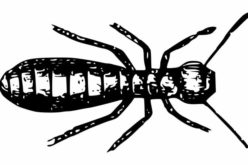
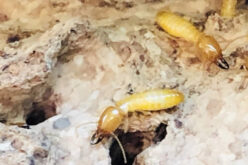
Termites are social insects that live in colonies, often hidden from plain sight. They are sometimes called “silent destroyers” because their presence is rarely noticed until damage is severe.
Unlike ants, termites primarily feed on cellulose, which is found in wood, paper, and other plant-based materials.
There are several types of termites that can invade homes:
- Subterranean termites – These live underground and build extensive tunnels to reach food sources.
- Drywood termites – These live directly in the wood they consume and do not require soil contact.
- Dampwood termites – Found in moist environments, they typically infest decaying wood.
Understanding the species and their habits is crucial for effective prevention and treatment.

The Termite Life Cycle
The termite life cycle is central to their ability to damage property. Termites go through three main stages: egg, nymph, and adult.
Each stage has specific behaviors and roles within the colony.
-
1. Egg Stage
Termite eggs are tiny, white, and oval-shaped. A queen termite can lay thousands of eggs in her lifetime, ensuring the colony grows rapidly. Eggs are typically hidden in protected areas of the nest, making early detection extremely difficult.
-
2. Nymph Stage
After hatching, termite nymphs undergo several molts before reaching adulthood. During this stage, nymphs start performing tasks like feeding, grooming, and caring for the queen. Some nymphs develop into workers, soldiers, or reproductive termites, depending on the colony’s needs.
-
3. Adult Stage
Adult termites are divided into castes, each with specific functions:
- Workers – These termites are responsible for foraging, feeding other members, and expanding tunnels. Workers are the primary source of damage to wooden structures.
- Soldiers – They defend the colony from predators and threats. While they do not eat wood themselves, they protect the workers who do.
- Reproductives (King and Queen) – The queen lays eggs, and the king assists in colony reproduction. Winged reproductives, known as alates, leave the colony to start new colonies elsewhere.
The continuous reproduction cycle and division of labor allow termite colonies to thrive and expand rapidly, making infestations difficult to manage once established.

Identifying and Resolving a Home Pest Invasion
Dealing with a pest invasion at home can be both frustrating and challenging. Understanding how to identify common household pests and knowing effective methods to control them are crucial steps in maintaining a safe and comfortable living environment.
How Termites Destroy Property
Termites damage property by consuming cellulose-containing materials. Their feeding habits often go unnoticed for months or years, leading to significant structural damage. Key ways termites harm homes include:
- Wood Consumption – Subterranean and drywood termites feed on wooden beams, floors, and furniture, weakening structural integrity.
- Insulation Damage – Termites can tunnel through insulation materials, reducing their effectiveness and increasing energy costs.
- Electrical Hazards – Termites are known to chew through electrical wiring, creating fire risks.
- Surface Damage – Signs of termite activity include hollow-sounding wood, blistered paint, and mud tubes along walls or foundations.
The combination of hidden feeding and rapid reproduction makes early detection and control essential.
Signs of a Termite Infestation
Recognizing termite activity early is crucial for preventing costly damage. Common signs include:
- Mud tubes on walls or foundations
- Discarded wings near windows or doors
- Hollow-sounding wood
- Cracked or bubbling paint
- Sagging floors or ceilings
Regular property inspections, especially in areas prone to moisture or wood exposure, can help identify issues before they escalate.
Preventive Measures
Property owners can take several preventive steps to reduce the risk of termite infestations:
- Reduce Moisture – Termites thrive in damp environments. Ensure proper drainage around foundations and repair leaky pipes.
- Seal Entry Points – Fill cracks in foundations and walls to limit termite access.
- Maintain Wooden Structures – Avoid wood-to-soil contact, treat exposed wood, and replace damaged timber promptly.
- Landscape Management – Keep mulch, plants, and firewood away from direct contact with building structures.
- Regular Inspections – Conduct frequent checks for early signs of termite activity, particularly in basements, crawl spaces, and attics.
- Professional Pest Control – Engage experienced Pest Control Naperville specialists to perform inspections, treatments, and ongoing monitoring.


The Importance of Professional Intervention
Even with preventive measures, termites can be challenging to eliminate entirely. Professional pest control experts use specialized techniques, including baiting systems, chemical treatments, and monitoring devices, to detect and eradicate termite colonies effectively.
Early professional intervention not only prevents structural damage but also reduces the long-term cost of repairs.
Conclusion
Termites are silent but destructive pests that can compromise the safety and value of your property. Understanding the termite life cycle—from eggs to adults—and recognizing the signs of infestation is crucial for homeowners.
Implementing preventive measures, maintaining property hygiene, and seeking regular professional inspections can dramatically reduce the risk of termite damage.
For homeowners, integrating pest control into your property maintenance routine ensures early detection and effective control of termite colonies. Don’t wait until damage becomes severe—taking proactive steps now can save thousands in repairs and protect your home for years to come.
other related analysis of interest: (new win)
Find Pest and Environmental Services Pest Control Lead-Mold-Radon Recovery Services Water Softening top-rated, pre-screened local contractors FREE: download contractor selection enter zip code – powered by HomeAdvisor ™


Image credit: termite life cycle by envato.com
end of post … please share it!
| more photo remodeling |
Jump Over to Our Photo Analysis Center for Ideas on
"Renovating Home"
|__________________________________________________________|
home remodeling surprise
find out where it might go - new win


Helpful article? Leave us a quick comment below.
And please share this article within your social networks.