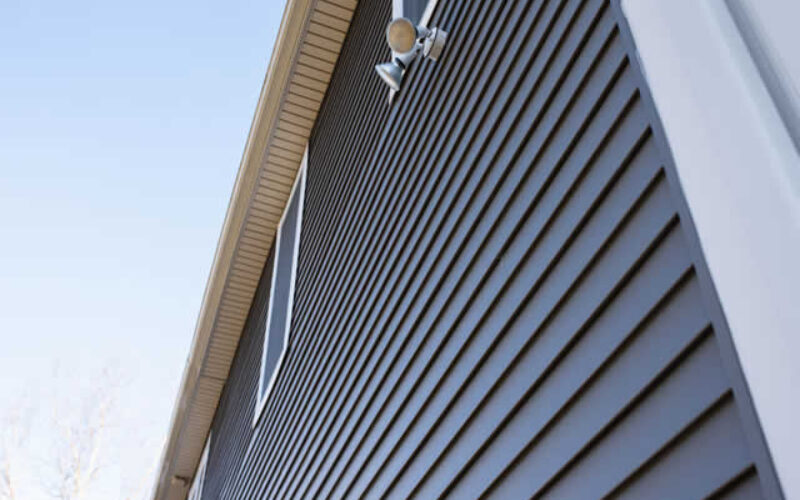
If you’re fixing up a house, building a business, or working on a creative project, vinyl is a smart and responsible pick. Here’s why more people think vinyl is safer and better for the environment.
Vinyl Lasts A Long Time So There’s Less Waste
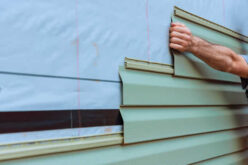
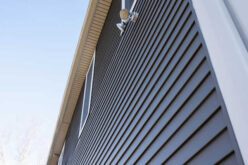
Vinyl stands out for its remarkable toughness. It shrugs off water, rust, and daily use, which makes it perfect for busy spots and outdoor settings. Things like vinyl siding, floors, and windows can stick around for years without much upkeep.
This staying power means you won’t need to replace stuff as often, which cuts down on trash and the need for new materials. When builders and designers pick vinyl, they help make projects greener and save money in the long run.
Energy Savings That Boost Sustainability
Vinyl products, windows, and siding do a great job keeping heat in or out. They help control room temperature by blocking heat transfer, which can cut down on the energy you use to heat and cool your home.
This energy efficiency helps lower utility costs and supports wider environmental objectives by reducing greenhouse gas emissions. Vinyl’s contribution to energy-efficient buildings makes it a useful material in green construction and sustainable design.
Improvements in Vinyl Safety and Indoor Air Quality
Vinyl products are made with a strong focus on health and safety. Today’s high-quality vinyl materials are created to meet tough standards for low emissions of volatile organic compounds (VOCs), which can impact indoor air quality.
This emphasis on vinyl safety makes sure the material works well in homes, schools, hospitals, and other delicate settings. When installed, vinyl helps create a healthier indoor environment, making it a top pick for projects where people’s well-being matters most.
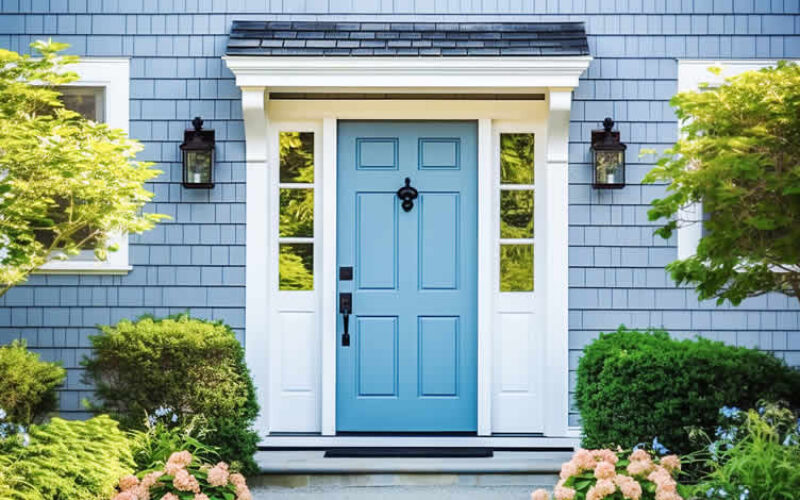
Home Siding Options That Will Stand the Test of Time
In the realm of home exteriors, the choice of siding is paramount. It plays a pivotal role in protecting your home from the elements and defines its aesthetic appeal. However, searching for a durable and visually appealing siding material can be daunting.
Recyclability and Eco-Friendly Production
More and more vinyl now contains recycled materials, and you can recycle many vinyl products when they’re no longer useful. Makers are using closed-loop recycling systems where they collect, process, and reuse leftover vinyl in new items.
Also, today’s production methods use less energy and are kinder to the environment. These changes help cut down on the carbon footprint of making vinyl and match the growing need for building materials that don’t harm the planet.
Versatility Without Environmental Compromise
Vinyl has an adaptable nature making it fit for many uses—from floors and walls to signs and furniture covers. It can mimic wood, stone, or tile looks giving style choices without the environmental toll of getting natural materials.
This flexibility lets designers and builders reach their creative aims while still putting safety and sustainability first. Vinyl offers a dependable, good-looking, and responsible answer for almost any project.
other related analysis of interest: (new win)
Conclusion
Vinyl isn’t just useful—it’s a clever, eco-friendly, and harmless pick for today’s projects. It’s tough, saves energy, can be recycled, and is made with health in mind, so it works well and cares for the environment.
As more people want safer greener stuff, vinyl shines as a smart choice for builders, designers, and buyers alike.
Find Home Siding Services Siding Brick Concrete Stone top-rated, pre-screened local contractors FREE: download contractor selection enter zip code – powered by HomeAdvisor ™


Image credit: why vinyl is safer by envato.com
end of post … please share it!
| more photo remodeling |
Jump Over to Our Photo Analysis Center for Ideas on
"Renovating Home"
|__________________________________________________________|
home remodeling surprise
find out where it might go - new win


Helpful article? Leave us a quick comment below.
And please share this article within your social networks.