Siding serves as the protective barrier between your home’s interior and the elements outside, making it crucial to choose the right material and installation method. Here’s everything you need to know about installing new siding in your home.
1. Assessing Your Siding Needs
Before embarking on a siding installation project, it’s crucial to assess your specific needs and goals. Consider factors such as your budget, desired aesthetic, climate conditions, and maintenance preferences.
By understanding your priorities, you can narrow down your options and make informed decisions throughout the process. Take the time to evaluate the current condition of your existing siding, any structural issues, and your long-term objectives for the project.
This initial assessment will serve as a foundation for the rest of your planning and help ensure that your new siding meets your expectations.

2. Exploring Design and Style
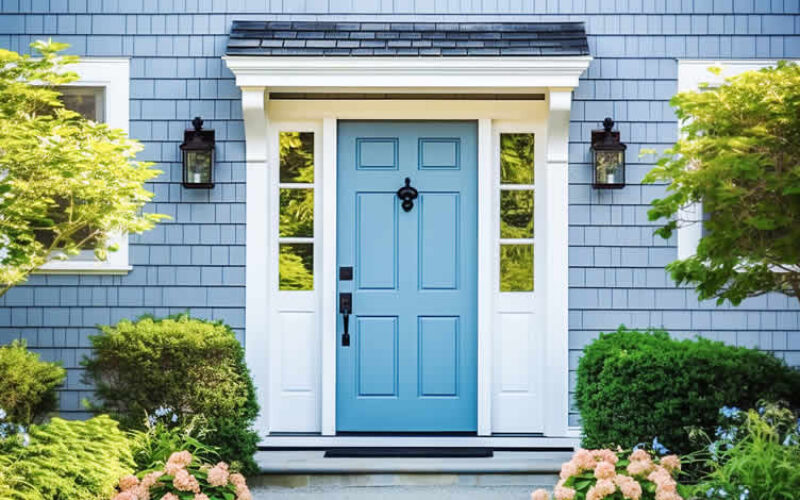
When considering installing new siding for your home, it’s crucial to delve into design and style options. Your choice not only impacts aesthetics but also influences durability and maintenance needs. Opting for a siding that complements your home’s architecture and your taste is essential.
For instance, board and batten siding offers a timeless appeal with its vertical planks accentuated by narrow strips. Whether you prefer the classic charm of wood siding, the low maintenance of vinyl, or the eco-friendliness of fiber cement, each material brings its unique character.
Additionally, exploring color palettes and textures can enhance the overall look and feel of your home’s exterior. Ultimately, investing time in understanding design and style aspects ensures a siding choice that beautifies and protects your home for years to come.
3. Hiring a Professional Contractor
While DIY projects can be tempting, hiring a professional contractor for your siding installation is often the wisest choice. Experienced contractors have the necessary skills, tools, and knowledge to ensure a proper installation that meets building codes and manufacturer specifications.
When choosing a contractor, look for credentials such as licensing, insurance, and industry certifications. Additionally, seek recommendations from trusted sources, read reviews, and ask for references from past clients.
A reputable contractor will work closely with you to understand your goals, provide expert guidance, and deliver high-quality results that stand the test of time.
4. Understanding Installation Methods
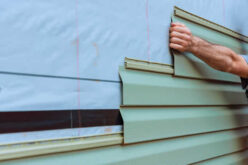
Siding can be installed using various methods, each suited to different materials and conditions. Common installation methods include nail-on, staple-on, and adhesive systems, with each having its own set of procedures and requirements.
It’s essential to understand the recommended installation method for your chosen siding material and follow the manufacturer’s guidelines closely. Improper installation can lead to issues such as water infiltration, warping, and buckling, compromising the performance and longevity of your siding.
By ensuring proper installation techniques are employed, you can protect your investment and enjoy the benefits of your new siding for years to come.

5. Preparing Your Home for Installation
Before the siding installation process begins, it’s essential to prepare your home and the surrounding area. Clear any obstacles or obstructions from around the exterior walls to provide adequate access for the contractors and their equipment.
Consider any landscaping or features that may need protection during the installation process and make necessary arrangements. Additionally, remove any old or damaged siding, repair underlying structural issues, and address any moisture or ventilation concerns.
Proper preparation sets the stage for a smooth and efficient installation process and helps minimize disruptions to your daily routine.
6. Maintaining Your New Siding
Once your new siding is installed, proper maintenance is essential to ensure its longevity and performance over time. Follow the manufacturer’s guidelines for cleaning and maintenance, which may include periodic washing, painting, or sealing depending on the material.
Regular inspections can help identify any issues early on, such as cracks, leaks, or damage from weather or pests, allowing you to address them promptly. By staying proactive with maintenance and addressing any concerns as they arise, you can protect your investment and preserve the beauty and integrity of your home’s exterior for years to come.
other related articles of interest:
Conclusion
In conclusion, installing new siding is a significant investment that can enhance both the appearance and functionality of your home. By assessing your needs, choosing the right material, hiring a professional contractor, and following proper installation procedures, you can ensure a successful siding project that adds value and curb appeal to your property.
With careful planning and attention to detail, you’ll enjoy the benefits of your new siding for years to come.
Find Home Siding Services Siding Brick Concrete Stone top-rated, pre-screened local contractors FREE: download contractor selection enter zip code – powered by HomeAdvisor ™


Image credit: installing new siding by envato.com
end of post … please share it!
| more photo remodeling |
Jump Over to Our Photo Analysis Center for Ideas on
"Renovating Home"
|__________________________________________________________|
home remodeling surprise
find out where it might go - new win


Helpful article? Leave us a quick comment below.
And please share this article within your social networks.