Your lawn may be able to survive a drought, but to ensure its health and to avoid extensive and expensive re-sodding, the following steps should be taken.
Just water it.
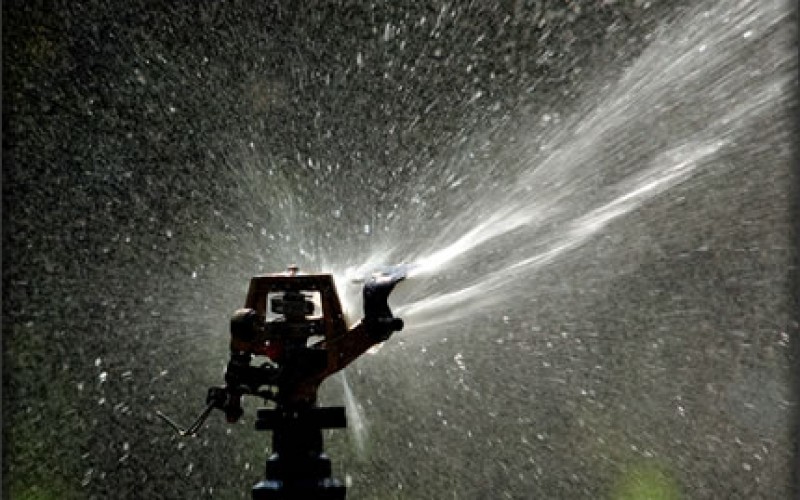
Most lawns will quickly bounce back if you apply water regularly and consistently. But, don’t overdo it. The University of Nebraska-Lincoln Extension Lancaster County recommends watering between 4 a.m. to 9 a.m. to minimize water loss through evaporation. Taking a soil plug can help you determine how much water to put down — you’ll want to water only to the depths of the grass’ roots.
Simply mulch it.
If you’ve been bagging grass clippings as you mow the lawn, then stop it. Instead, allow grass clippings to remain on the grass, to provide nutrients and reduce water evaporation. Of course, if your lawn has already gone dormant, then you don’t want to cut the grass again until after it resumes growing.
Cutting levels and blade sharpness.
When you do resume cutting your grass there are two things to keep in mind: the height of the grass and the sharpness of the blade. If you’re dealing with Kentucky Bluegrass, you’ll want to maintain grass height of 2.5 to 3 inches. And keep that blade sharp too as a leaf cut by a sharp blade will heal faster than one with a dull blade. Healthy grass requires less water.
To fertilize or not.
You may be tempted to fertilize your lawn to revive it. Save the fertilizing until fall when your lawn will respond best to it. Besides, if you fertilize now, most commercial applications will require you to fertilize again in mere weeks. In the ensuing weeks, you’ll need to water your lawn more often too, fighting nature to bring back a lawn that isn’t dead, but dormant.
Your type of turf species.
Brown grass isn’t always a sign of pending lawn death. Some grass species such as centipedegrass and bahiagrass are drought tolerant and will turn brown during a drought. Other grasses, such as St. Augustinegrass, ryegrass and bluegrass require lots of water and do not handle droughts well. If your lawn does die, consider replacing it with the best drought-resistant grass for your area. Check with your local Cooperative Extension office for species guidance.
Related Notes
Certainly, it is no fun to watch a lawn turn brown. Your response, however, can be right on or misdirected, with the latter possibly costing you a needlessly high water bill.
Lawn Disease | Brown Patch | Dollar Spot | Rust | TruGreen:
Find top-rated lawn maintenance contractors
No products found.
|__________________________________________________________|
home remodeling surprise
find out where it might go - new win


Helpful article? Leave us a quick comment below.
And please share this article within your social networks.