Understanding the importance of sump pump maintenance is key to ensuring effective operation, particularly during periods of heavy rainfall or rapid snowmelt. By implementing regular upkeep and following best practices, homeowners can extend the lifespan of their sump pumps and mitigate the risk of costly failures.
In this article, we will provide valuable insights and professional guidance to help you maintain your sump pump in optimal condition. Let’s dive in and discover the essential steps to keep your sump pump operating smoothly and your basement dry.
- post content
- Understanding the Role of the Sump Pump
- Check Power Source and Electrical Supply
- Inspect the Discharge Pipe
- Test Your Sump Pump Regularly
- Clean the Sump Pit
- Monitor for Unusual Noises
- Install a Battery Backup System
- Recognize When Replacement Is Necessary
- conclusion
- side idea:Reduce Your Home’s Risk Of Water Damage
- view key:collective notes
Understanding the Role of the Sump Pump
Sump pumps play a critical role in keeping basements dry by directing water away from your home’s foundation. These devices are typically installed in the lowest part of a basement or crawlspace, where they collect excess water and pump it out to prevent flooding. Proper maintenance is essential to ensure your sump pump functions effectively, especially during heavy rains or rapid snowmelt.
Regular upkeep helps extend the lifespan of your sump pump and reduces the risk of unexpected failures that can lead to costly water damage. Homeowners who take a proactive approach to maintenance can avoid many common issues associated with sump pumps, ensuring peace of mind during inclement weather.

Check Power Source and Electrical Supply
Ensuring that your sump pump has a reliable power source is crucial for its performance. Regularly inspect the electrical connections and ensure that the unit is plugged into a functional ground fault circuit interrupter (GFCI) outlet. This type of outlet helps prevent electric shock and protects against short circuits.
In addition, testing the GFCI outlet every few months confirms whether it’s providing power correctly. A malfunctioning outlet may not allow your sump pump to operate when needed, so addressing any electrical issues promptly can prevent future problems.

Inspect the Discharge Pipe
The discharge pipe is responsible for carrying water away from your home’s foundation. Inspect this pipe regularly to ensure it is free from obstructions such as debris, ice, or other buildup that could impede water flow. A blocked discharge pipe can cause water to back up into your basement, defeating the purpose of having a sump pump.
Consider installing a protective cover or grate over the end of the discharge pipe to prevent animals and debris from entering. Additionally, make sure the discharge point directs water far enough away from your home’s foundation to avoid any potential erosion or seepage issues.
Test Your Sump Pump Regularly
Testing your sump pump periodically ensures it is ready to work when needed. To test manually, pour a bucket of water into the sump pit and observe whether the float activates the pump and drains water efficiently. The float should move freely without sticking, triggering the pump as soon as it reaches a certain level.
Frequent tests help identify any mechanical issues early on, allowing for repairs before they become major problems. Regular testing also familiarizes homeowners with their equipment’s operation, making it easier to notice anything unusual during routine checks.
Clean the Sump Pit
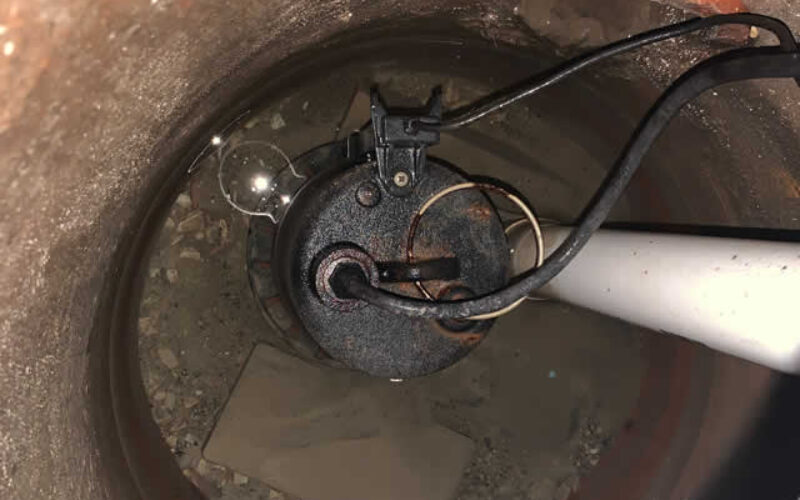
Keeping the sump pit clean is vital for optimal pump function. Over time, dirt, gravel, and other debris can accumulate in the pit, which might clog or damage the pump mechanism. Use a wet/dry vacuum periodically to remove any sediment or debris from the pit.
A clean pit allows for smooth operation and reduces wear on mechanical components. By maintaining cleanliness in this area, homeowners can enhance their pump’s longevity and efficiency significantly.
Monitor for Unusual Noises
Unusual noises coming from your sump pump often indicate underlying issues with its components. Grinding or rattling sounds may suggest mechanical parts are worn or misaligned. Addressing these noises promptly helps prevent further damage and ensures continued reliability.
If unfamiliar noises persist despite basic troubleshooting efforts, consult with a professional technician who can diagnose and address more complex problems within the system.
Install a Battery Backup System
Installing a battery backup system provides an additional layer of protection during power outages when primary pumps cannot function. These systems automatically activate when electricity is unavailable, ensuring continuous operation even during severe storms that may knock out power lines.
While battery backups require some upfront investment and occasional maintenance such as replacing batteries every few years—they offer invaluable security by safeguarding homes against unexpected flooding incidents.
Recognize When Replacement Is Necessary
While regular maintenance and repairs can extend the lifespan of your sump pump, frequent breakdowns and malfunctions are clear signs it may be time for a replacement. If your sump pump regularly fails and requires constant repairs, it could be more practical and reliable to invest in a new system.
Additionally, visible wear and tear such as rust, corrosion, or cracks in the pump’s housing can compromise its effectiveness and increase the risk of failure, making a full sump pump system replacement necessary to ensure optimal performance and durability.
When replacing your sump pump, consult a professional technician who specializes in installations. They can assess your specific needs, recommend the right system for your property, and ensure proper installation to maximize longevity and reliability.
Investing in a new sump pump not only provides dependable flood protection but also gives you peace of mind knowing your home is safeguarded against potential water damage.
Conclusion
In conclusion, proper care and maintenance of your sump pump are essential for ensuring its longevity and functionality. Regular inspections, maintenance, and repairs can significantly extend its lifespan and provide reliable flood protection for your property.
However, it is important to recognize the signs that indicate the need for replacement, such as frequent breakdowns or the need for constant repairs.
Prioritizing regular maintenance and being proactive in addressing any issues will help keep your sump pump in excellent working condition. By staying vigilant and taking necessary measures, you can rely on your sump pump to effectively mitigate water damage and provide the protection your home deserves.
Find Plumbing Services Plumbing Issues Drain Clearing Septic/Sewers Water Heaters Pumps Water Softening top-rated, pre-screened local contractors FREE: download contractor selection enter zip code – powered by HomeAdvisor ™


Image credit: proper care for your sump pump by envato.com
end of post … please share it!
| more photo remodeling |
Jump Over to Our Photo Analysis Center for Ideas on
"Renovating Home"
|__________________________________________________________|
home remodeling surprise
find out where it might go - new win


Helpful article? Leave us a quick comment below.
And please share this article within your social networks.