That’s where reverse osmosis is a reliable and effective solution for purifying water. This innovative filtration process can transform your tap water, delivering clean, refreshing results you’ll feel confident consuming.
Here’s how it works and why it’s a game changer for water quality at home.
What Is Reverse Osmosis?
Reverse osmosis, often shortened to RO, is a powerful water filtration method that removes impurities from tap water. It works by forcing water through a semi-permeable membrane that catches unwanted contaminants, while allowing clean water molecules to pass through.
The result is purified water that’s free of particles, sediments, and, in many cases, chemicals or minerals that contribute to poor taste or odor. For households, it’s a convenient way to ensure that every glass of water or meal prepared with tap water meets high purity standards.

The Reverse Osmosis Process
Understanding how reverse osmosis works can shed light on its effectiveness. Here’s a breakdown:
-
Stage 1: Pre-Filtration
Water flows through pre-filters before reaching the semi-permeable membrane. These filters are designed to remove larger particles, such as dirt, sand, or sediment, as well as reduce certain chemicals like chlorine. Pre-filtration protects the RO membrane from damage and prolongs its lifespan, ensuring efficient performance over time.
-
Stage 2: The Semi-Permeable Membrane
This is the core of the reverse osmosis system. The semi-permeable membrane has microscopic pores that allow water molecules to pass through while blocking contaminants.
Substances such as heavy metals, dissolved solids, and certain chemicals are left behind, creating a clear separation between purified water and impurities.
-
Stage 3: Post-Filtration
After passing through the membrane, water typically goes through additional filtration to enhance its taste and quality. This final step ensures the water is safe and enjoyable to drink.
-
Stage 4: Storage and Dispensing
The purified water is then stored in a tank or delivered directly through a dedicated faucet. RO systems are designed to provide clean water on demand, making it a practical choice for daily use.

Benefits of Reverse Osmosis for Tap Water Quality
Reverse osmosis offers many benefits, making it a popular choice for households seeking reliable water purification.
-
Removes Harmful Contaminants
One of the biggest advantages of reverse osmosis is its ability to remove contaminants commonly found in tap water. This includes chemicals, heavy metals, and even certain microorganisms. By eliminating these impurities, RO ensures your water is safer to drink and cook with.
-
Improves Taste and Odor
If your tap water has an unpleasant taste or odor, reverse osmosis can make a noticeable difference. By removing substances that contribute to these issues, such as chlorine or dissolved minerals, RO delivers water with a clean and refreshing flavor.
-
Reduces Mineral Build-Up
Many homes deal with hard water, which contains high levels of minerals like calcium and magnesium. These minerals can leave deposits on kitchen appliances, plumbing fixtures, and even your skin and hair. Reverse osmosis reduces these mineral concentrations, protecting your household and making cleaning easier.
-
Cost-Effective and Eco-Friendly
Although bottled water is a convenient option for clean drinking water, it generates waste and can be costly in the long run. Reverse osmosis provides a sustainable alternative by producing high-quality water directly from your tap. It reduces reliance on single-use plastics and contributes to an eco-friendlier lifestyle.
-
Versatility
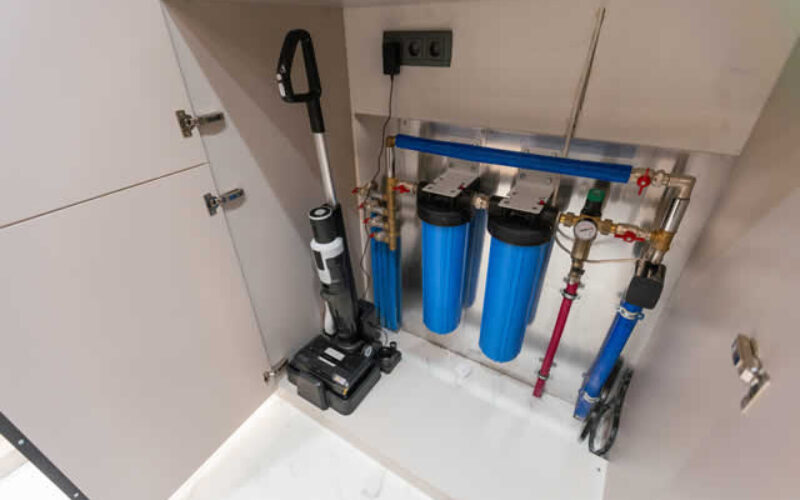
RO systems can be installed in various settings, including under-sink models for a single tap or larger systems for the entire home. This versatility allows you to choose a setup that meets your household’s needs and consumption habits.

The Importance of Clean Home Drinking Water and How to Maintain It
Access to clean home drinking water is a fundamental necessity for maintaining health and well-being. Contaminated water can lead to severe health risks, including waterborne diseases and long-term toxic exposure.
Is Reverse Osmosis Right for You?
While reverse osmosis has plenty of advantages, it’s worth considering your specific water needs before investing in a system. Start by assessing your current tap water quality, either through professional testing or by reviewing any data offered by your municipal water supplier.
If your water contains high levels of contaminants or you simply want improved taste and odor, reverse osmosis can be an excellent option.
Additionally, factor in the size and capacity of the system you’ll need. Compact units are suitable for drinking and cooking water, while larger systems can address whole-house filtration. Professional installation, if needed, ensures your system works efficiently and delivers consistently clean water.
Reverse osmosis is a reliable and effective way to enjoy cleaner, fresher water at home. By removing harmful contaminants, improving taste, and reducing mineral build-up, it transforms your tap water into a healthier and more enjoyable resource.
Whether you’re committed to creating a safe environment for your family or looking to reduce your dependence on bottled water, reverse osmosis provides a practical, long-term solution.
other related analysis of interest: (new win)
Find Plumbing Services Plumbing Issues Drain Clearing Septic/Sewers Water Heaters Pumps Water Softening top-rated, pre-screened local contractors FREE: download contractor selection enter zip code – powered by HomeAdvisor ™


Image credit: by envato.com
end of post … please share it!
| more photo remodeling |
Jump Over to Our Photo Analysis Center for Ideas on
"Renovating Home"
|__________________________________________________________|
home remodeling surprise
find out where it might go - new win


Helpful article? Leave us a quick comment below.
And please share this article within your social networks.
.breaking-news {display: none !important;}