Summary Outline –
Quick answer:
The three main types of bathroom lighting are ambient (overall room light), task (focused light for grooming), and accent (decorative or highlight light).The best bathrooms layer all three using fixtures like vanity lights, ceiling lights, wall sconces, recessed lights, pendants, and chandeliers—choosing damp- or wet-rated options wherever moisture is a factor.
Good lighting does more than help you see. It shapes how a room feels, how flattering your reflection looks, and how safely you move around wet surfaces.
This guide breaks down each lighting type and fixture, with practical placement measurements, brightness targets, and safety ratings so you can plan a bathroom that’s both beautiful and functional.
- post content … analysis/ bathroom lighting

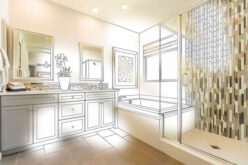
first “bathroom lighting” idea

copyright image by 123rf.com
Section 1: Understanding Bathroom Lighting Fundamentals
Notes:
-
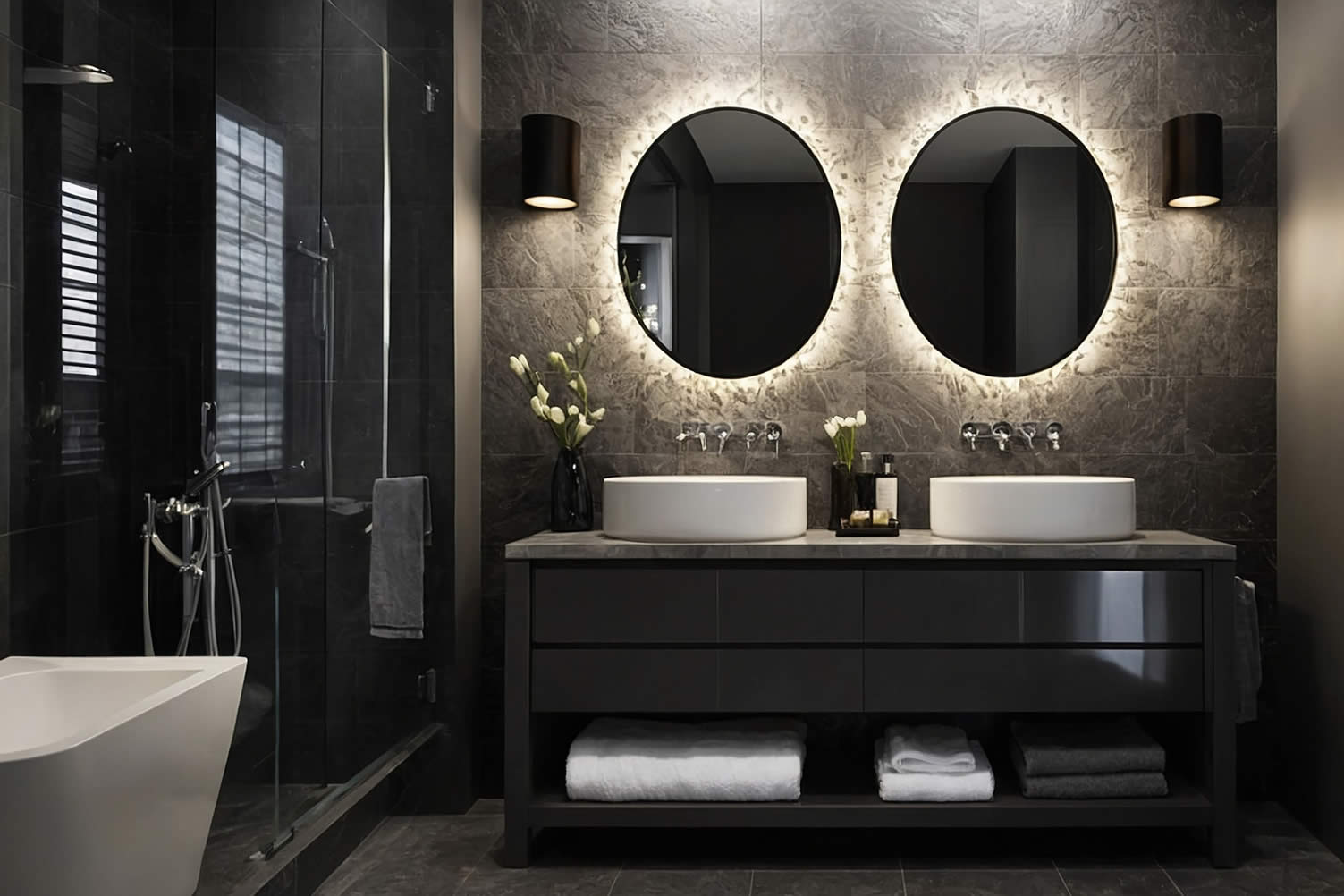
Effective bathroom lighting relies on three working layers: ambient, task, and accent.
- Ambient lighting provides the overall glow that fills the room, usually from ceiling fixtures or chandeliers.
- Task lighting delivers focused brightness for detailed jobs like shaving or applying makeup, and typically comes from vanity lights or sconces.
- Accent lighting adds depth and personality, drawing the eye to artwork, a tub, or an architectural feature, often through recessed lights or small pendants.
A single overhead fixture rarely does the job alone. It can cast harsh shadows on your face and leave corners dim.
Layering these three light types together creates balance—you get enough brightness for daily tasks, plus a softer mood when you want to relax.
This approach also lets you adjust the room for different times of day, especially when paired with dimmers.
- Use each layer with purpose:
rely on ambient light for general visibility, task light at the mirror, and accent light to set the mood or highlight features. - Match the style to your space:
sleek chrome and matte black suit modern bathrooms, while oil-rubbed bronze or polished nickel lean traditional. - Plan for integration:
combine fixtures on separate switches or dimmers so you can control each layer independently.
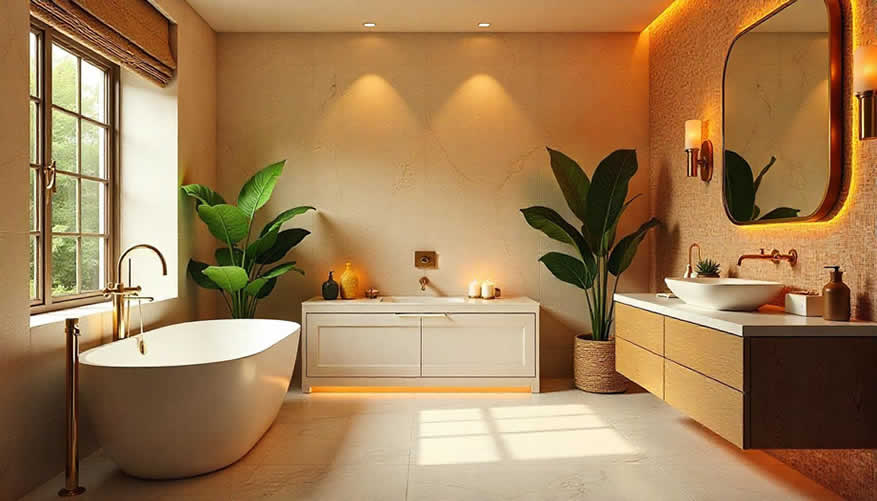
Lighting Layer Function Examples Tips Ambient Lighting Provides overall illumination for the bathroom. Ceiling fixtures, chandeliers. Ensure even brightness throughout the room. Task Lighting Offers focused light for detailed tasks like shaving or applying makeup. Vanity lights, sconces. Position fixtures around mirrors to eliminate shadows. Accent Lighting Adds depth and highlights décor or architectural features. Recessed lights, small pendants. Use dimmers to adjust the mood and highlight focal points. 

copyright image by 123rf.com
Importance of Layering Light in Your Bathroom
Your bathroom is one of the most essential rooms in your home for thoughtful lighting design.
Task lighting plays a crucial role for activities like grooming and skincare, ensuring clarity and precision.
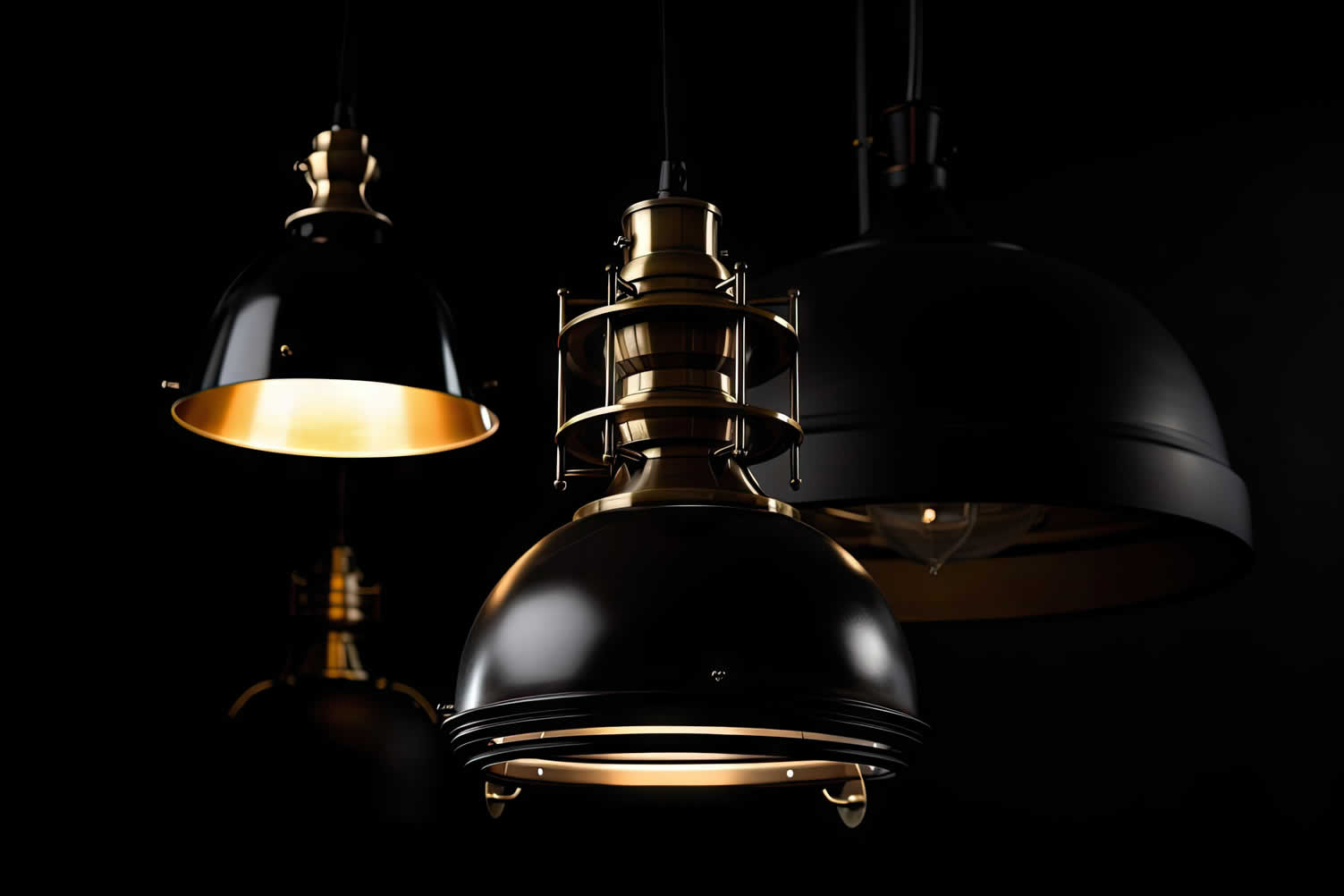
At the same time, ambient lighting sets the overall mood, while accent lighting adds a modern, stylish touch to elevate the space.
Combining these layers creates a functional and inviting environment, transforming your bathroom into both a practical and relaxing haven.
view ideas: Home Lighting Design and Layering(new win)

Scroll up to directory … or scroll to next section about bathroom lighting …


SHARE IT ..! Someone in your network might benefit from this insightful post about bathroom lighting needs. Feel free to share it on Facebook, X (formally Twitter), LinkedIn, or Pinterest!


second “photo remodeling” idea
AI generated image by 123rf.com
Section 2: Vanity Lighting Essentials
Notes:
-
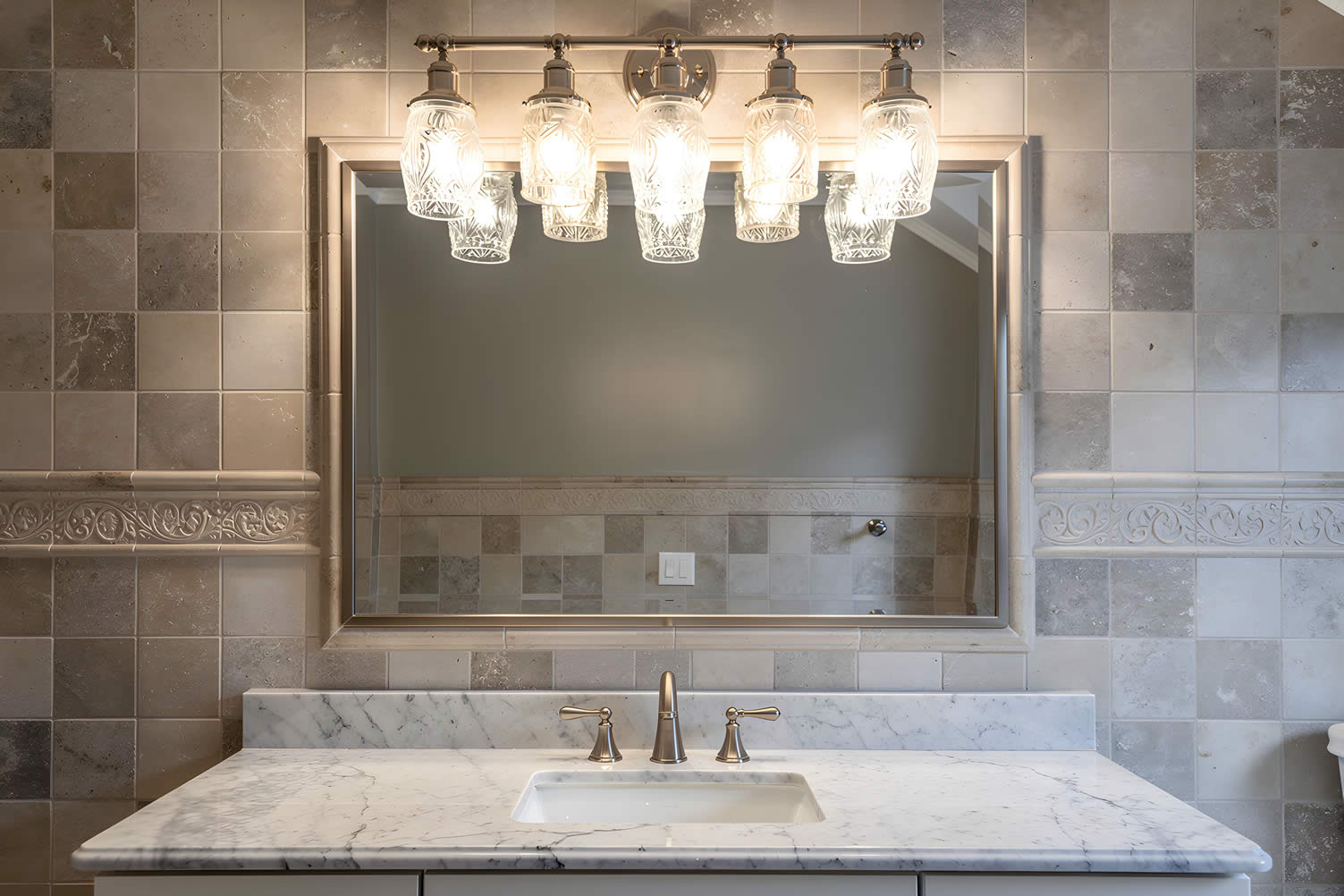
Vanity lighting is the most important task layer in any bathroom. Positioned at or beside the mirror, it illuminates your face evenly for grooming, shaving, and makeup application.
Poorly placed vanity lights—especially a single fixture directly overhead—create unflattering shadows under the eyes and chin. Side-mounted lights or a well-sized bar above the mirror solve this problem.
For placement, mount vanity lights about 65 to 70 inches from the floor, with the bottom of the fixture roughly 75 to 80 inches up so the bulbs sit just above eye level.
Leave at least 3 inches of clearance above the mirror to avoid harsh downward shadows. As a sizing rule, choose a fixture about 75% of your mirror’s width. For a 36-inch mirror, that means a fixture close to 27 inches wide.
- How to use it:
treat vanity lighting as your primary task light, prioritizing even, shadow-free illumination across the face. - Styles to consider:
horizontal light bars above the mirror, paired sconces on either side, or a combination of both for double vanities. - Brightness and color:
aim for 2,500 to 3,000 lumens for a full vanity setup (around 1,600 lumens for a single bulb), and choose 3500K–4100K for crisp task light or up to 5000K–6000K for precise makeup work.
Aspect Description Recommendations Importance Vanity lighting is the most crucial task layer in any bathroom, as it ensures even facial illumination for activities like grooming, shaving, and makeup application. Prioritize even and shadow-free lighting for better visibility and functionality. Placement Position vanity lights about 65 to 70 inches from the floor, with the bottom of the fixture 75 to 80 inches high to align with eye level while leaving at least 3 inches of clearance above the mirror. Side-mounted lights or a well-sized bar above the mirror help eliminate unflattering shadows. Sizing Choose fixtures that are roughly 75% of the mirror’s width, such as a 27-inch wide fixture for a 36-inch mirror. Ensure the lighting size complements the mirror for balanced illumination. Styles Options include horizontal light bars above the mirror, paired sconces on either side, or combined setups for double vanities. Match styles to your bathroom’s layout and aesthetic. Brightness and Color For a full vanity setup, 2,500 to 3,000 lumens is ideal (around 1,600 lumens for a single bulb). Use a color temperature of 3500K–4100K for crisp task lighting, or 5000K–6000K for precise makeup work. Select brightness and color temperature based on the specific task lighting needs. 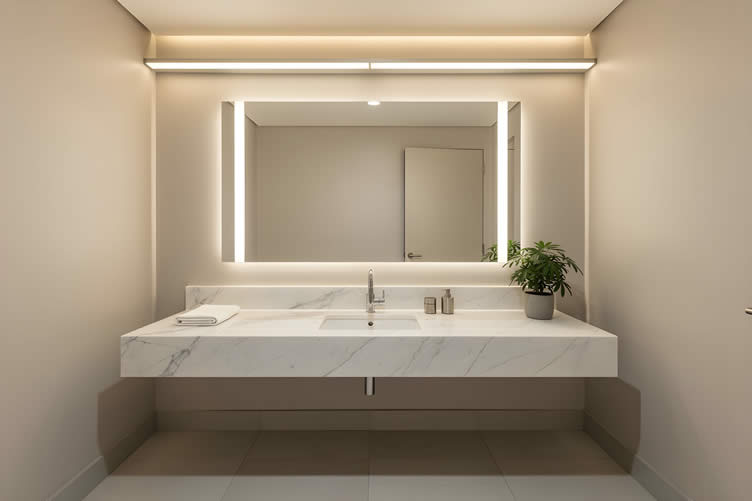
copyright image by 123rf.com
- How to use it:
Countertop for Your Vanity Lighting
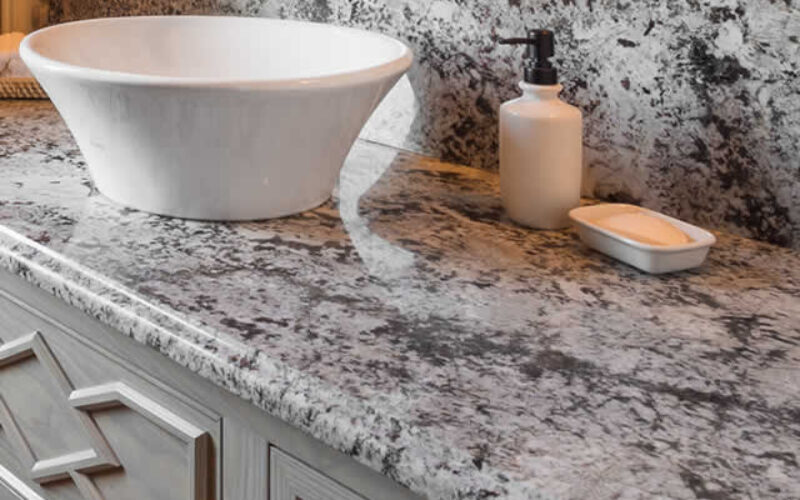
Your vanity light plays a pivotal role in illuminating your bathroom and highlighting your countertop’s unique features.
Granite, with its natural variations, reflects light to create a warm, luxurious feel. Other materials like quartz, marble, or concrete interact with light differently, each offering a distinct aesthetic.
When choosing a countertop, think about how its material and color will work with your vanity lighting to enhance its texture and the room’s overall ambiance.
A thoughtful combination can significantly elevate your bathroom’s appearance and functionality.
view ideas: choose the prefect granite(new win)















Scroll up to directory … or scroll to next section about bathroom lighting …

Tackling home upgrades and fulfilling all your home improvement needs …

… save this curated directory of ideas for future reference.

third “photo remodeling” idea
AI generated image by 123rf.com
Section 3: The Role of Ceiling Lights
Notes:
-
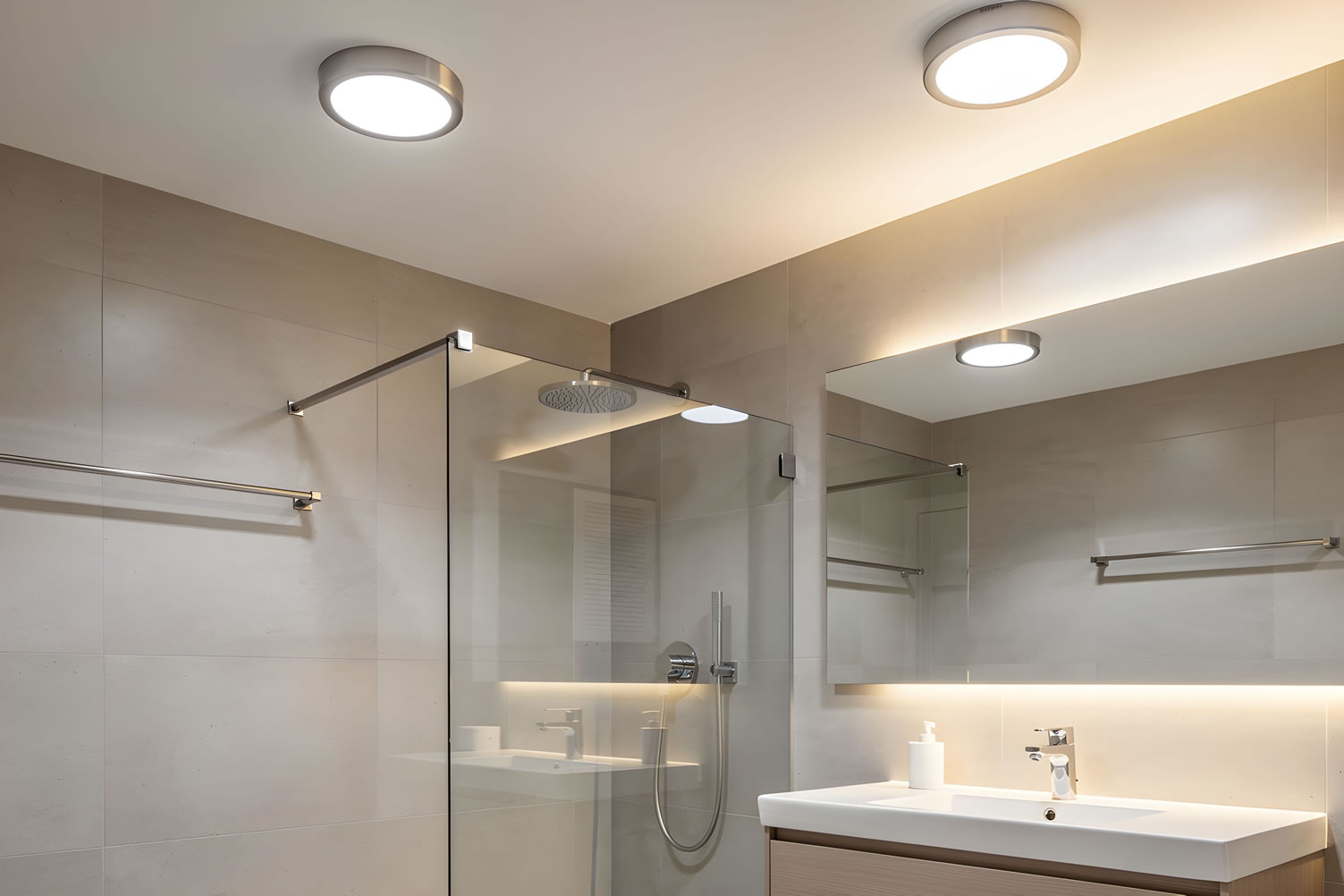
Ceiling lights are the backbone of ambient lighting, casting general illumination across the entire bathroom.
Flush mount and semi-flush mount fixtures work beautifully in standard or low-ceiling bathrooms, while larger spaces can support a statement chandelier or pendant. The goal is even, comfortable light that fills the room without hot spots or dim corners.
Sizing your ceiling fixture is simpler than it looks. Add your room’s length and width in feet, and use that total as the ideal fixture diameter in inches.
An 8-by-10-foot bathroom, for example, suits an 18-inch fixture. For general illumination, target roughly 1,500 to 2,000 lumens, then fill in with task and accent layers.
- How to use it:
rely on ceiling fixtures for baseline brightness, then layer task and accent lighting on top. - Styles to consider:
flush mounts for low ceilings, semi-flush mounts for moderate height, and chandeliers or pendants for tall, spacious rooms. - Efficiency and control:
choose dimmable LED fixtures to save energy and adjust brightness, and consider smart bulbs for scheduling and voice control.
Aspect Description Styles to Consider Features The Role of Ceiling Lights Ceiling lights provide ambient lighting, offering general illumination across the entire bathroom.
These fixtures ensure even, comfortable light without hot spots or dim corners.
Flush mounts for low ceilings, semi-flush mounts for moderate height, and chandeliers or pendants for tall, spacious rooms. Choose dimmable LED fixtures for energy savings and adjustable brightness.
Smart bulbs also allow scheduling and voice control.
Sizing Your Ceiling Fixture Determine the fixture’s diameter by adding the room’s length and width in feet and using that total in inches.
For an 8-by-10-foot bathroom, select an 18-inch fixture.
N/A N/A Brightness Recommendations Target around 1,500 to 2,000 lumens for general illumination, then complement with task and accent lighting layers. N/A N/A How to Use Use ceiling fixtures to establish baseline brightness, layering task and accent lighting as needed for a complete lighting scheme. N/A N/A 
copyright image by 123rf.com
- How to use it:
Choosing the Right Light Bulbs
Your ceiling, vanity, and other lighting fixtures all require high-quality light bulbs to shine effectively.
For energy efficiency, LED bulbs are an excellent choice, capable of saving up to 75% on energy costs compared to traditional incandescent bulbs.
Not only are they long-lasting and cost-effective, but LEDs also come in a variety of designs and color temperatures, allowing you to enhance the aesthetic appeal of your ceiling and vanity fixtures while maintaining a functional, well-lit space.
view ideas: Saving with decorative LED Bulbs(new win)

Scroll up to directory … or scroll to next section about bathroom lighting …

Download this PDF for a concise summary of everything you need to know about …?

May We Suggest Other Photo Remodeling Ideas About
“Upgrading Home and Garden …” (new win)



fourth “photo remodeling” idea
AI generated image by 123rf.com
Section 4: Illuminating With Wall Sconces
Notes:
-
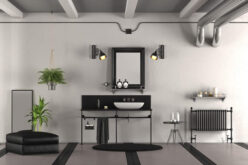
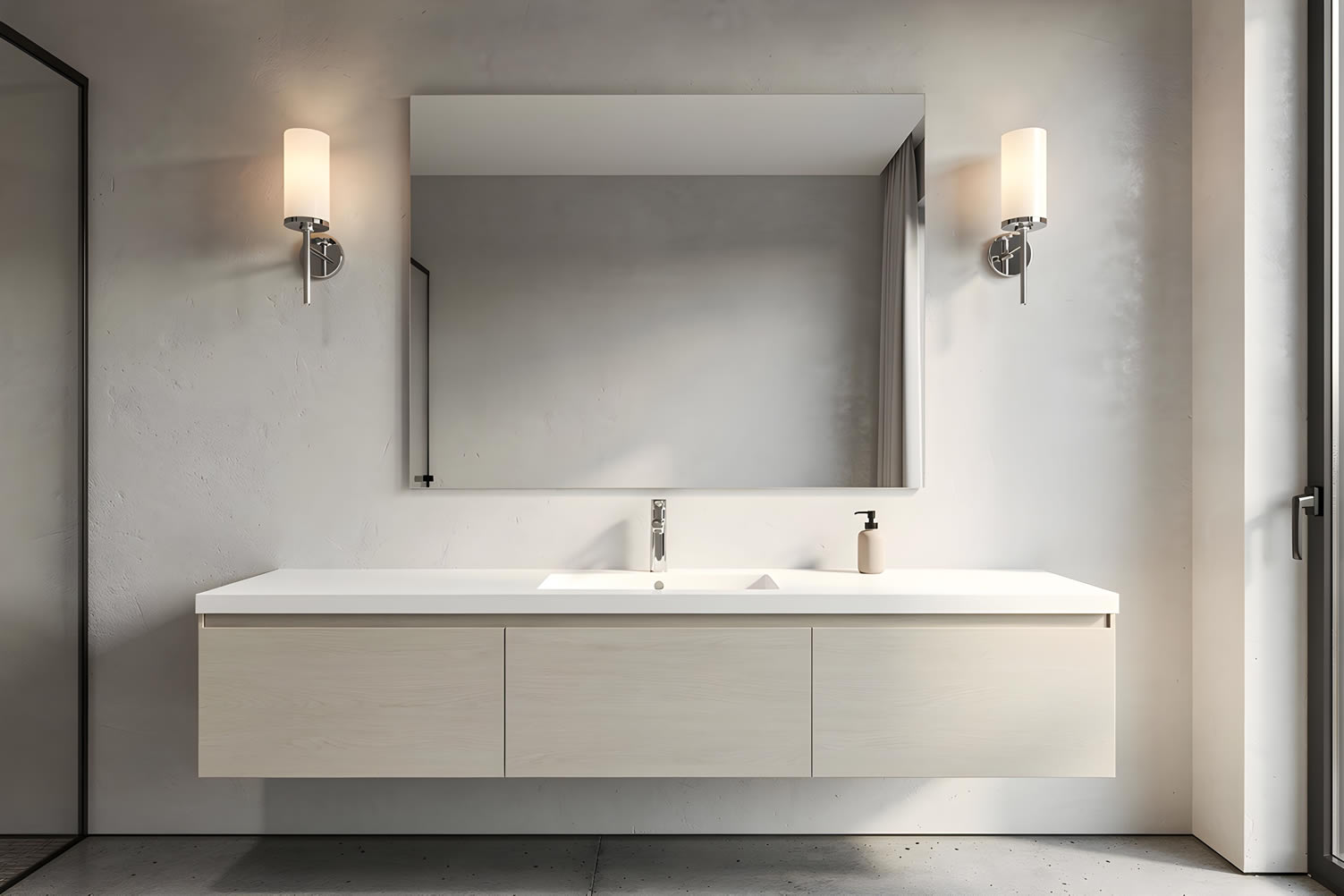
Wall sconces are versatile performers, contributing both task and accent light. Mounted on either side of the mirror at eye level, they deliver soft, even illumination that minimizes the shadows a single overhead fixture creates.
In smaller bathrooms where ceiling light alone falls short, sconces provide the supplementary glow that makes the space feel complete.
For balanced results, space sconces about 28 to 30 inches apart and mount them 65 to 70 inches from the floor.
This eye-level placement flatters most adults and distributes light evenly across the face. Beyond the mirror, sconces can also create a warm, atmospheric glow when placed elsewhere in the room.
- How to use it:
flank the mirror with a matched pair for task light, or place sconces around the room for soft accent lighting. - Styles to consider:
choose finishes and shades that echo your other fixtures, with frosted glass to soften glare or clear glass for maximum brightness. - Adjustable vs. fixed:
fixed sconces keep a clean, consistent look, while adjustable arms let you redirect light where you need it.
Bathroom Wall Sconce Lighting
(from the summary table below)
Aspect Description Details Functionality Task and Accent Lighting Wall sconces provide soft, even illumination, reducing shadows caused by overhead fixtures. They’re ideal for smaller bathrooms where ceiling light is insufficient. Placement Eye-Level Installation Mount sconces on either side of the mirror, about 28 to 30 inches apart and 65 to 70 inches from the floor, for balanced and flattering lighting. Design Tips Style and Finish Choose finishes and shades that complement other fixtures. Frosted glass softens glare, while clear glass maximizes brightness. Adjustable arms offer directional light; fixed sconces provide a consistent look. Additional Uses Atmospheric Glow Beyond the mirror, sconces can contribute to a warm and inviting ambiance throughout the room when used as accent lighting. 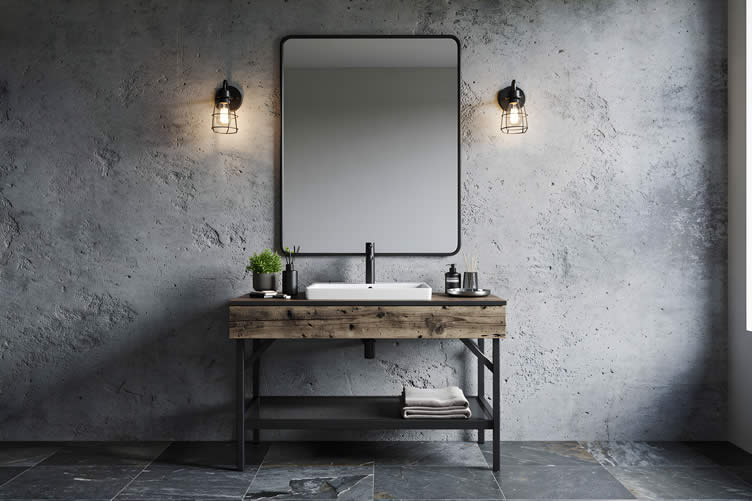
copyright image by 123rf.com
- How to use it:
Choosing the Perfect Wall Décor
When selecting wall décor, consider pieces that balance function, style, and personality.
In the bathroom, choose moisture-resistant options like framed art with protective glass, metal accents, or humidity-treated wood. Decorative mirrors can also add depth and enhance light.
For other rooms, explore statement art, floating shelves, or textured panels to create visual interest.
Incorporate personal items like family photos or DIY creations to ensure each space feels cohesive and inviting.
view ideas: Wall Decor Elements(new win)

Textile Wall Art
Graphics, Lettering, and Decals
Scroll up to directory … or scroll to next section about bathroom lighting …

Easily determine the dimensions you need for any home remodeling project …
… ensuring functionality, visual appeal, and compliance with building codes.
fifth “photo remodeling” idea

copyright image by 123rf.com
Section 5: Recessed Lighting for Modern Bathrooms
Notes:
-
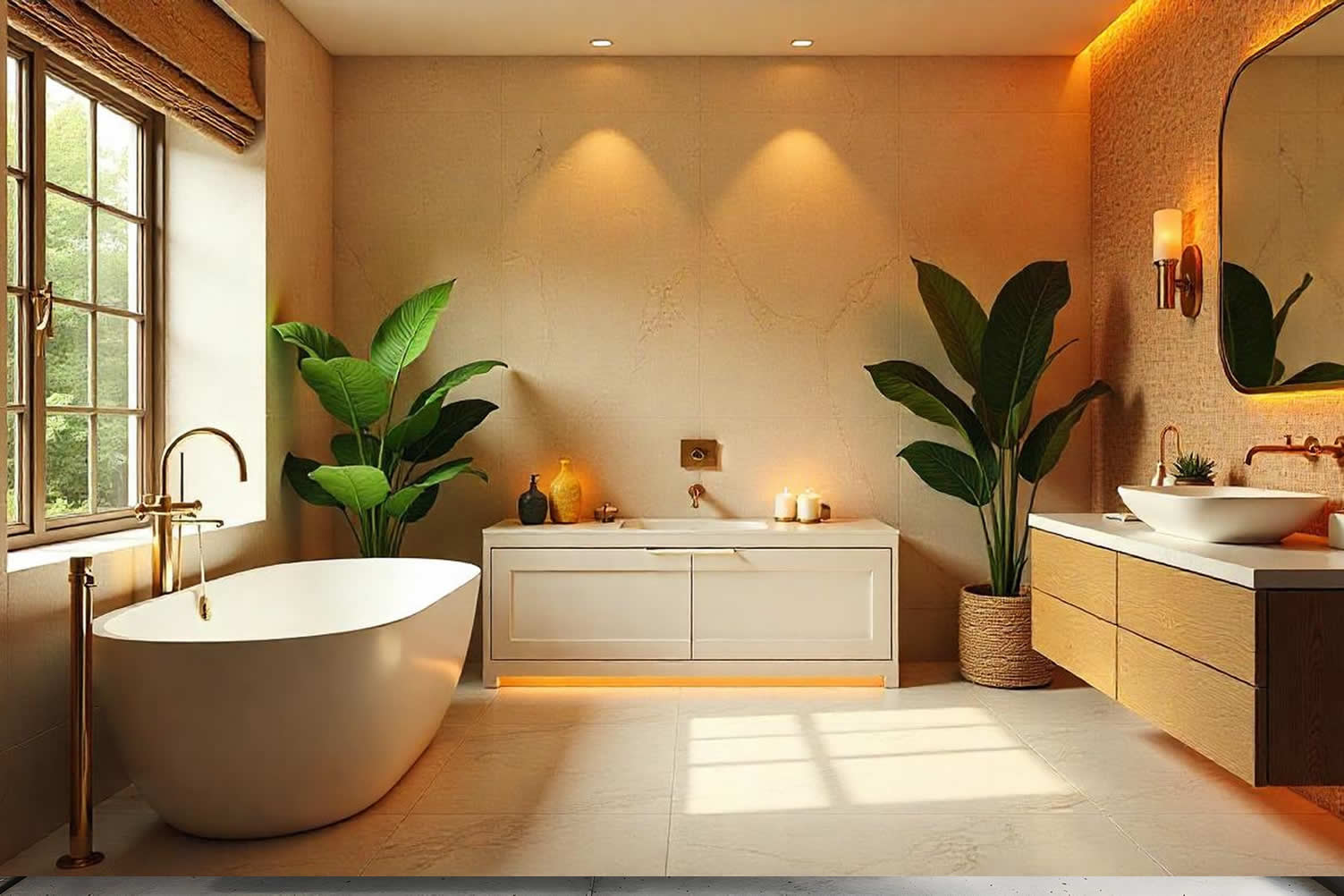
Recessed lighting tucks into the ceiling for a clean, uncluttered look that suits contemporary bathrooms.
These fixtures work well for general illumination, targeted task lighting over a vanity, or accent lighting that highlights a tub or feature wall. Because they sit flush with the ceiling, they keep sight-lines open and the room feeling larger.
Placement matters for even coverage. Space recessed lights so the room is lit without dark gaps, and use adjustable or directional trims to aim light precisely.
Any recessed fixture installed over a shower or tub must carry the correct moisture rating—damp-rated at minimum, and wet-rated when it sits within the splash zone (covered in detail below).
- How to use it:
distribute recessed lights for ambient coverage, position them over the vanity for task light, or aim them at features for accent. - Styles to consider:
baffle trims reduce glare, gimbal trims tilt and direct light, and shower-rated trims handle wet zones safely. - Control options:
pair recessed lights with dimmer switches and smart-home systems for flexible, energy-efficient scenes.
Feature Description Usage Styles & Controls Recessed Lighting Tucks into the ceiling for a clean and uncluttered look, ideal for modern bathrooms. Provides general illumination, task lighting, or accent lighting while keeping sight-lines open and the space feeling larger. Distribute recessed lights for ambient coverage. Place them over the vanity for focused task lighting, or aim them at specific features like a tub or a feature wall for accent lighting. Ensure proper placement for even coverage without dark gaps. Baffle trims reduce glare, gimbal trims offer tilt and directional lighting, and shower-rated trims ensure moisture safety. Pair with dimmer switches or smart-home systems for flexible and energy-efficient control. Moisture Rating Essential for safety and functionality in wet areas. Recessed fixtures above a shower or tub need specific ratings for moisture resistance. Use damp-rated fixtures for general moisture exposure. Wet-rated fixtures are necessary when installed within splash zones, particularly near showers or tubs. N/A 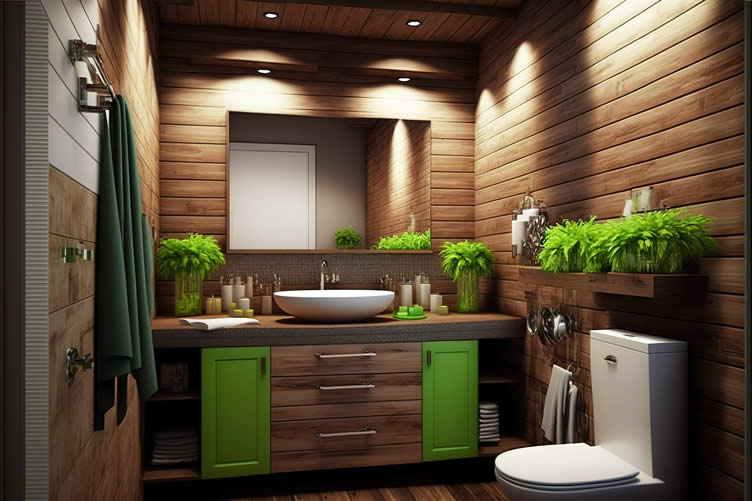
copyright image by 123rf.com
- How to use it:
Illuminated Bathroom Mirrors
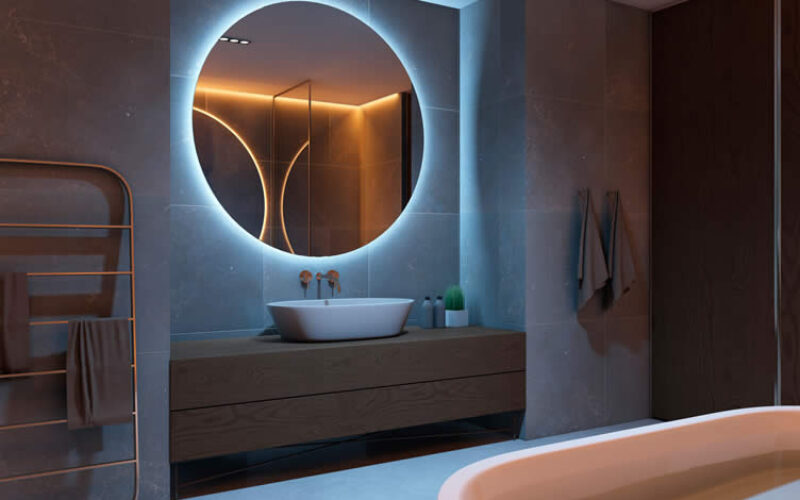
Did you know that some bathroom mirrors come equipped with their own built-in lighting?
These innovative mirrors typically provide ambient lighting, creating a soft and soothing glow perfect for your late-night trips to the bathroom.
Not only do they add a touch of elegance to your space, but they can also improve visibility during nighttime hours while minimizing the need to turn on bright overhead lights, ensuring a gentle transition without disrupting your rest.
view ideas: Bathroom Mirror Types(new win)
Scroll up to directory … or scroll to next section about bathroom lighting …
… remodeling decisions

sixth “photo remodeling” idea
AI generated image by 123rf.com
Section 6: Pendant Lights: A Touch of Elegance
Notes:
-
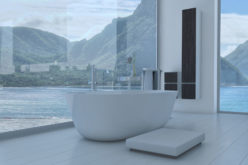
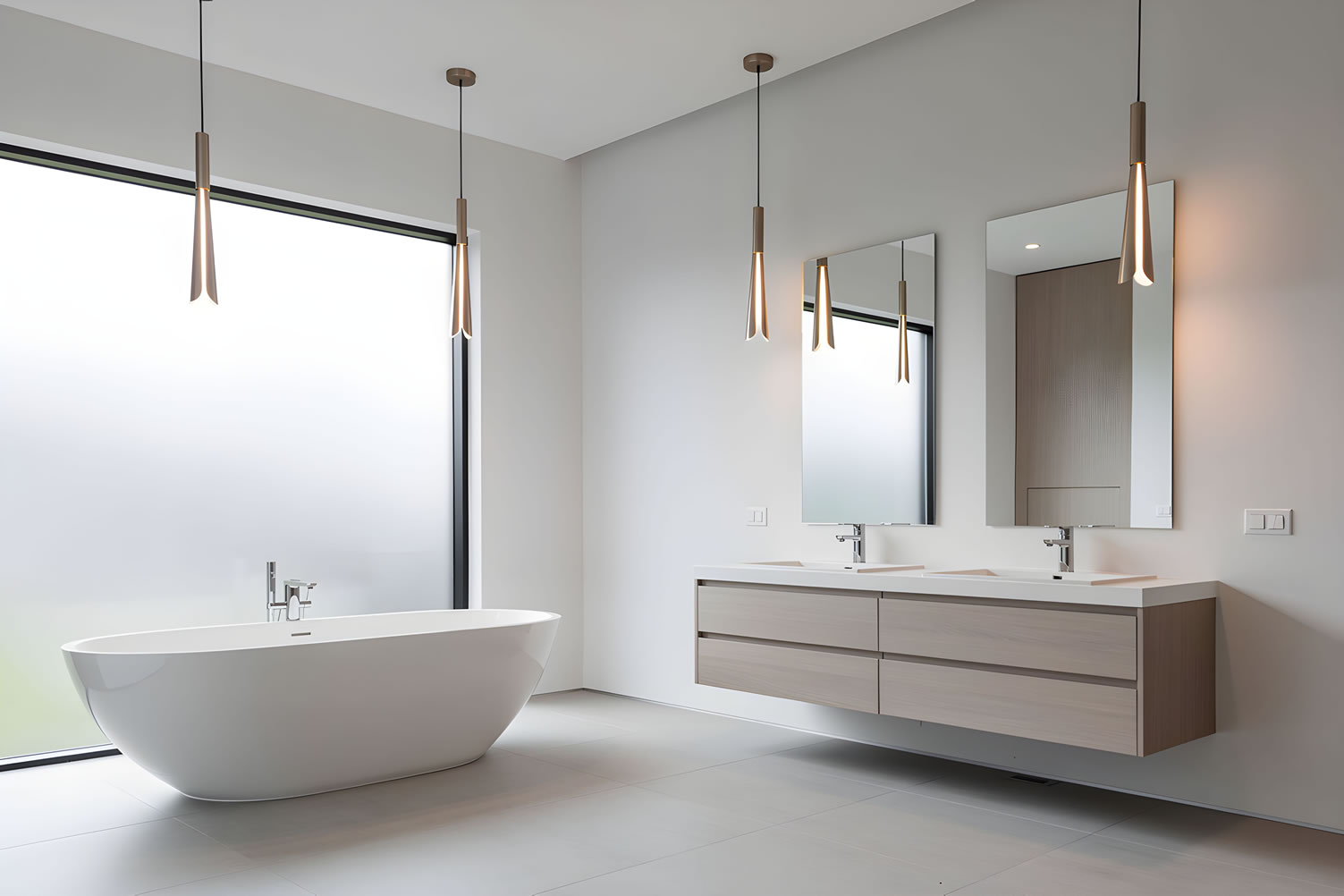
Pendant lights bring personality and focused illumination to a bathroom, especially over a freestanding tub or alongside a double vanity.
In larger or higher-ceilinged spaces, a pair of pendants can frame the room and act as jewelry-like accents that elevate the overall design. They add vertical interest that flush fixtures simply can’t match.
Hang pendants 28 to 34 inches above a countertop to avoid glare and leave comfortable headroom. When using more than one, space them 24 to 30 inches apart so they read as a deliberate, balanced grouping rather than a crowded cluster.
Choose finishes—glass, metal, or a mix—that complement your faucets and hardware.
- How to use it:
position pendants over a tub or vanity for a focal point that combines decoration with usable light. - Styles to consider:
glass shades for an airy feel, metal finishes for definition, or sculptural shapes for a statement. - Combine thoughtfully:
pair pendants with recessed or ceiling lighting so the room stays evenly lit beyond the focal point.
Feature Description Tips Purpose Pendant lights bring personality and focused illumination to a bathroom, making them ideal for enhancing the aesthetics of a space, especially over a freestanding tub or alongside a double vanity. Position pendants 28 to 34 inches above a countertop to avoid glare and ensure comfortable headroom. Design Impact They add vertical interest and serve as jewelry-like accents in larger or higher-ceilinged spaces, elevating the overall design of the room. Use in pairs to frame the room, ensuring a balanced and deliberate grouping by spacing them 24 to 30 inches apart. Material Choices Finishes such as glass, metal, or mixed materials can be selected to complement faucets and hardware while enhancing the room’s design theme. Consider styling with glass shades for an airy feel, metal finishes for definition, or sculptural shapes for a bold statement. Lighting Combination Pendants act as decorative focal points while providing usable light, particularly over tubs or vanities. Pair pendants with recessed or ceiling lighting to maintain an evenly lit room beyond the pendant focal points. 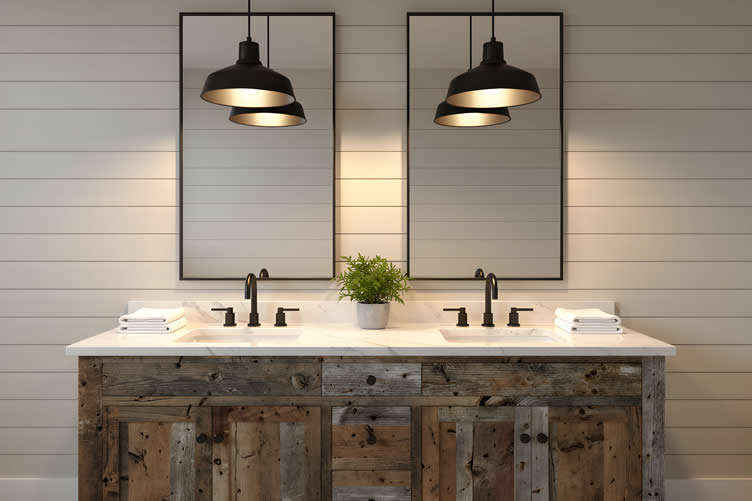
copyright image by 123rf.com
- How to use it:
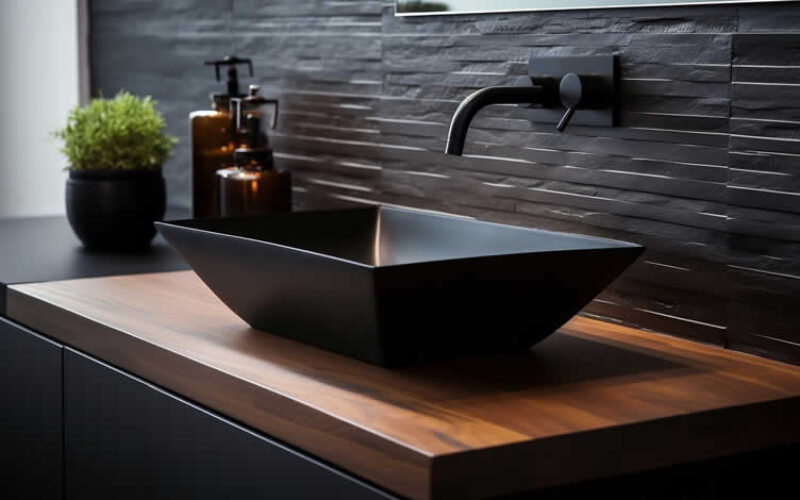
Modernizing Your Bathroom with New Fixtures
Updating your bathroom lighting is an excellent way to enhance functionality and ambiance, but why stop there?
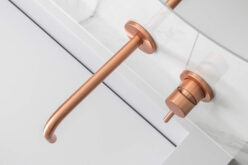
Consider extending the transformation by replacing your sink and faucet with sleek, modern designs that complement your new lighting setup.
Opt for contemporary finishes like matte black or brushed nickel to create a cohesive, stylish look.
These upgrades not only elevate the visual appeal of your space but also improve its practicality and value, making your bathroom feel like a luxurious retreat.
view ideas: Choosing the Perfect Bathroom Faucet (new win)
Scroll up to directory … or scroll to next section about bathroom lighting …
Find Electrical Services Electricians Lighting Design Fans Generators Electronics Home Security top-rated, pre-screened local contractors FREE: download contractor selection enter zip code – powered by HomeAdvisor ™
Quick Contractor Guides selecting negotiating working with inspecting

seventh “photo remodeling” idea
AI generated image by 123rf.com
Section 7: Chandeliers in Bathroom Design
Notes:
-
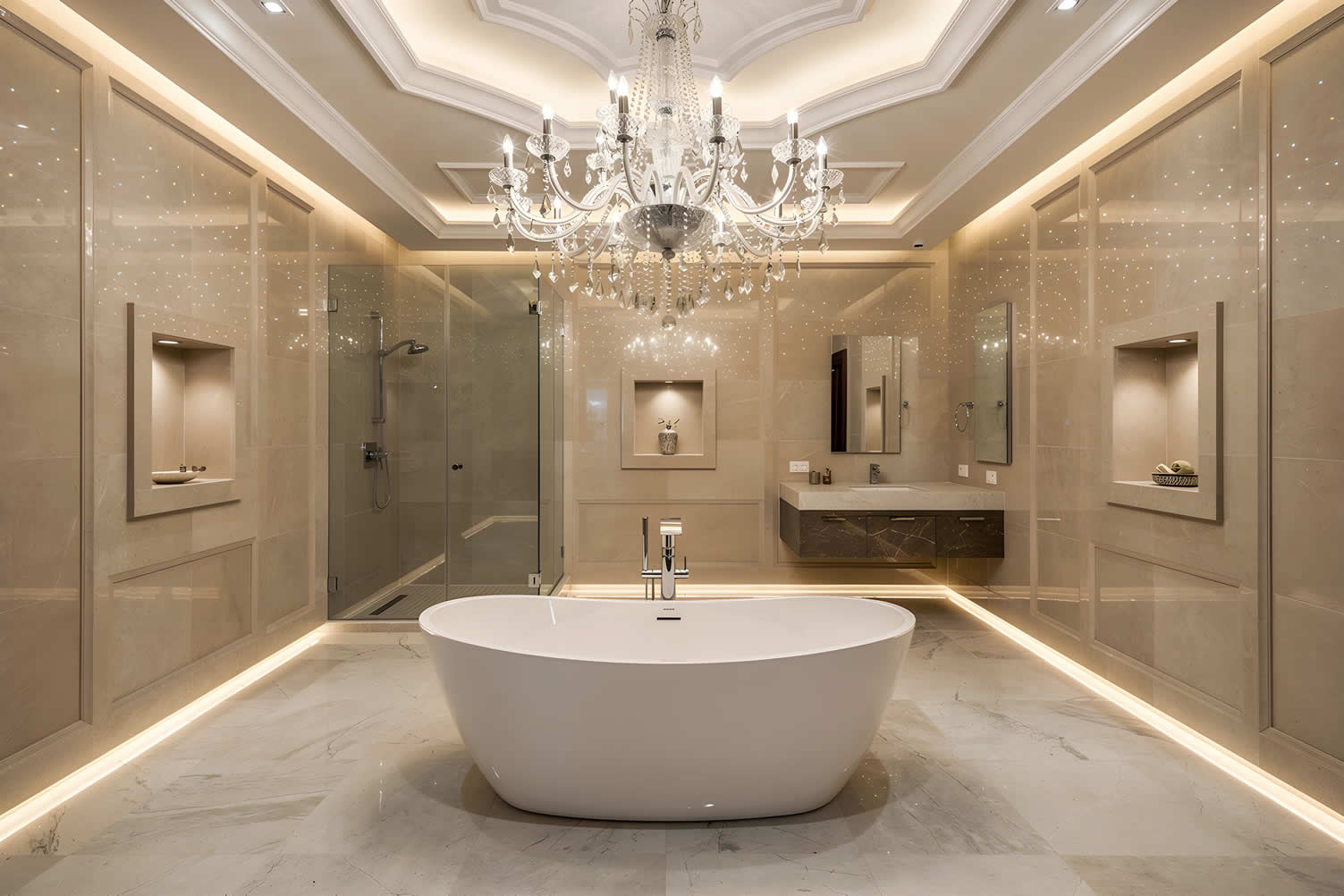
A chandelier turns a bathroom into a showpiece, lending luxury and drama that few other fixtures can. It works best in spacious bathrooms with high ceilings, hung above a soaking tub or in the center of the room as a centerpiece.
The right chandelier ties the entire design together and makes the space feel intentional and indulgent.
Safety comes first with chandeliers in wet environments. Any chandelier in a bathroom should be damp-rated at minimum, and it must be installed away from direct water exposure.
Allow at least 12 inches of clearance between the top of the fixture and the ceiling, and position it where it won’t interfere with movement or get splashed.
- How to use it:
reserve chandeliers for larger bathrooms and place them above a tub or centrally as a focal point. - Styles to consider:
crystal for classic glamour, matte black for modern edge, or brass and gold for warm, contemporary luxury. - Safety first:
confirm a damp or wet rating appropriate to the location, and keep it clear of the shower and tub splash zones.
Feature Description Recommendations Safety Measures Design Impact A chandelier turns a bathroom into a showpiece, adding luxury and drama. It works best in larger bathrooms, serving as a centerpiece either above a soaking tub or centrally in the room. Choose styles like crystal for classic glamour, matte black for a modern edge, or brass/gold for warm, contemporary luxury. Ensure the chandelier is damp-rated or wet-rated for safety and hung away from direct water exposure. Keep a minimum of 12 inches of clearance from the ceiling. Placement A chandelier can tie the entire bathroom design together and create an intentional, indulgent space. Reserve chandeliers for spacious bathrooms and place them above the tub or as the central focal point. Position the fixture where it won’t interfere with movement or risk water splashes from showers or tubs. 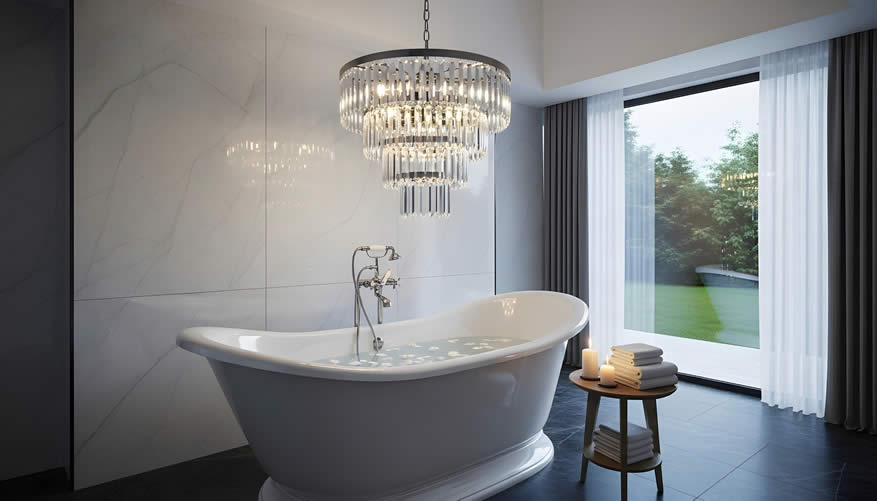
copyright image by 123rf.com
- How to use it:
Bathroom Style and Safety
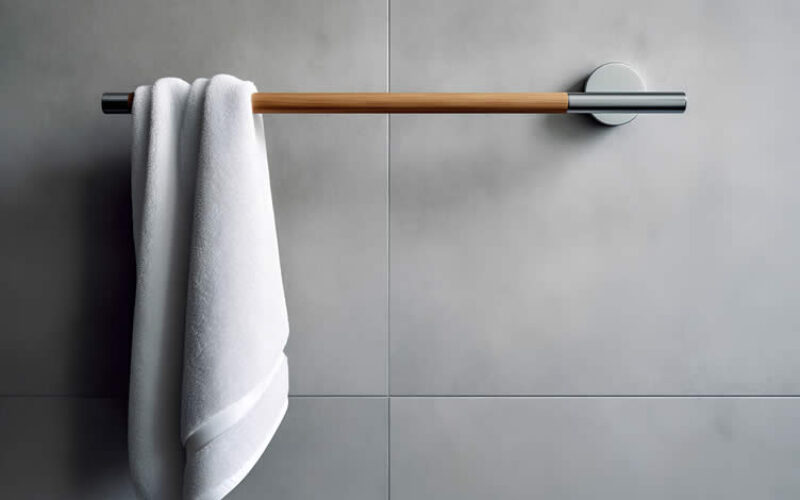
Beyond lighting, the hardware in your bathroom is key to defining its personality and functionality.
Elements like towel bars, cabinet handles, faucets, and shower fixtures serve as both decorative accents and essential tools.
Choose finishes that complement your overall design, whether modern chrome, timeless brushed nickel, or bold matte black.
The right hardware enhances aesthetic appeal and adds convenience, creating a standout space that balances form and function.
view ideas: Decorative and Functional Hardware(new win)
Scroll up to directory … or scroll to next section about bathroom lighting …

Budgeting Worksheet For Costing Home Remodeling and Home Improvement Decisions
 File Type (excel)
eighth “photo remodeling” idea
AI generated image by 123rf.com
Section 8: Shower-Rated Fixtures for Safety and Style
Notes:
-
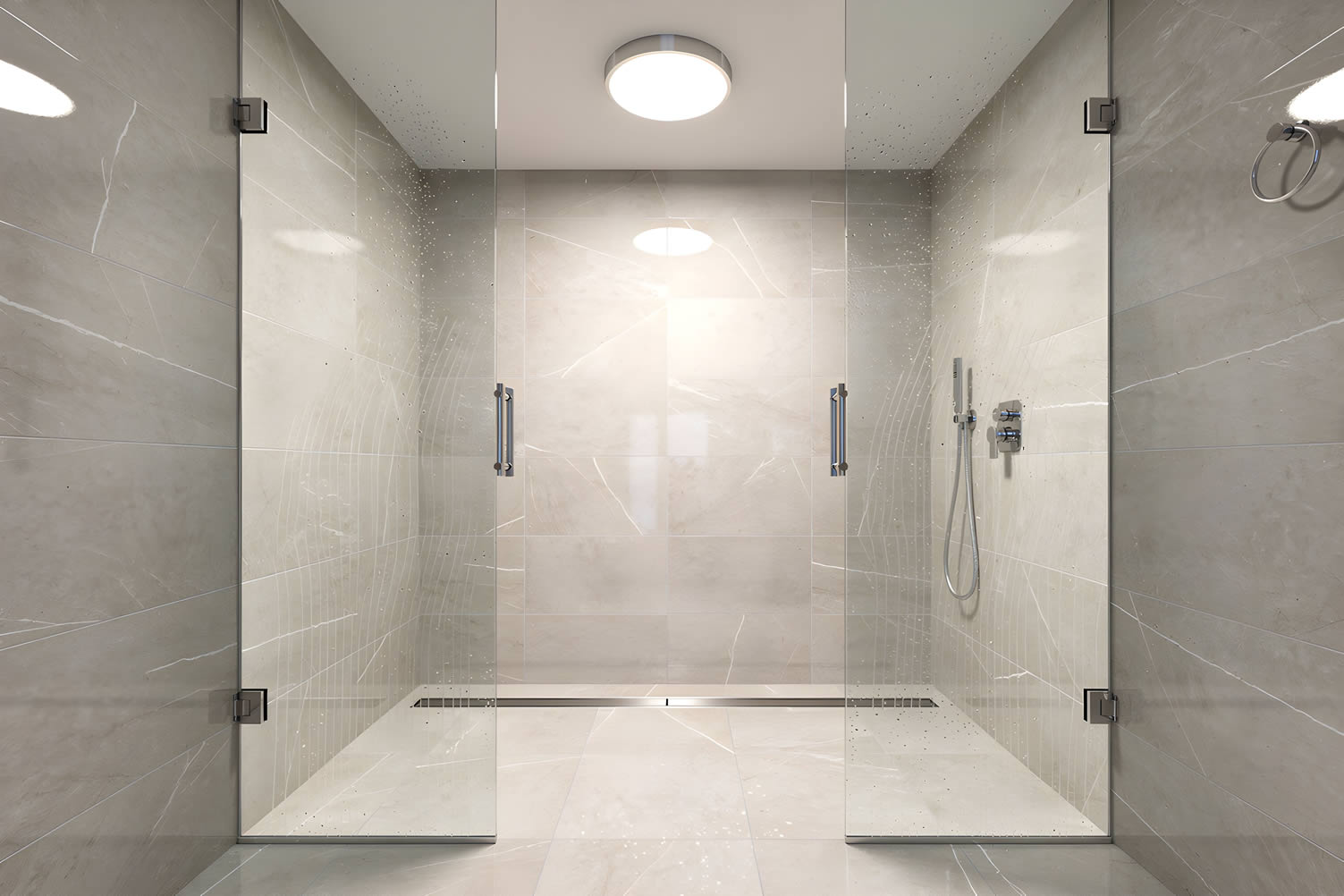
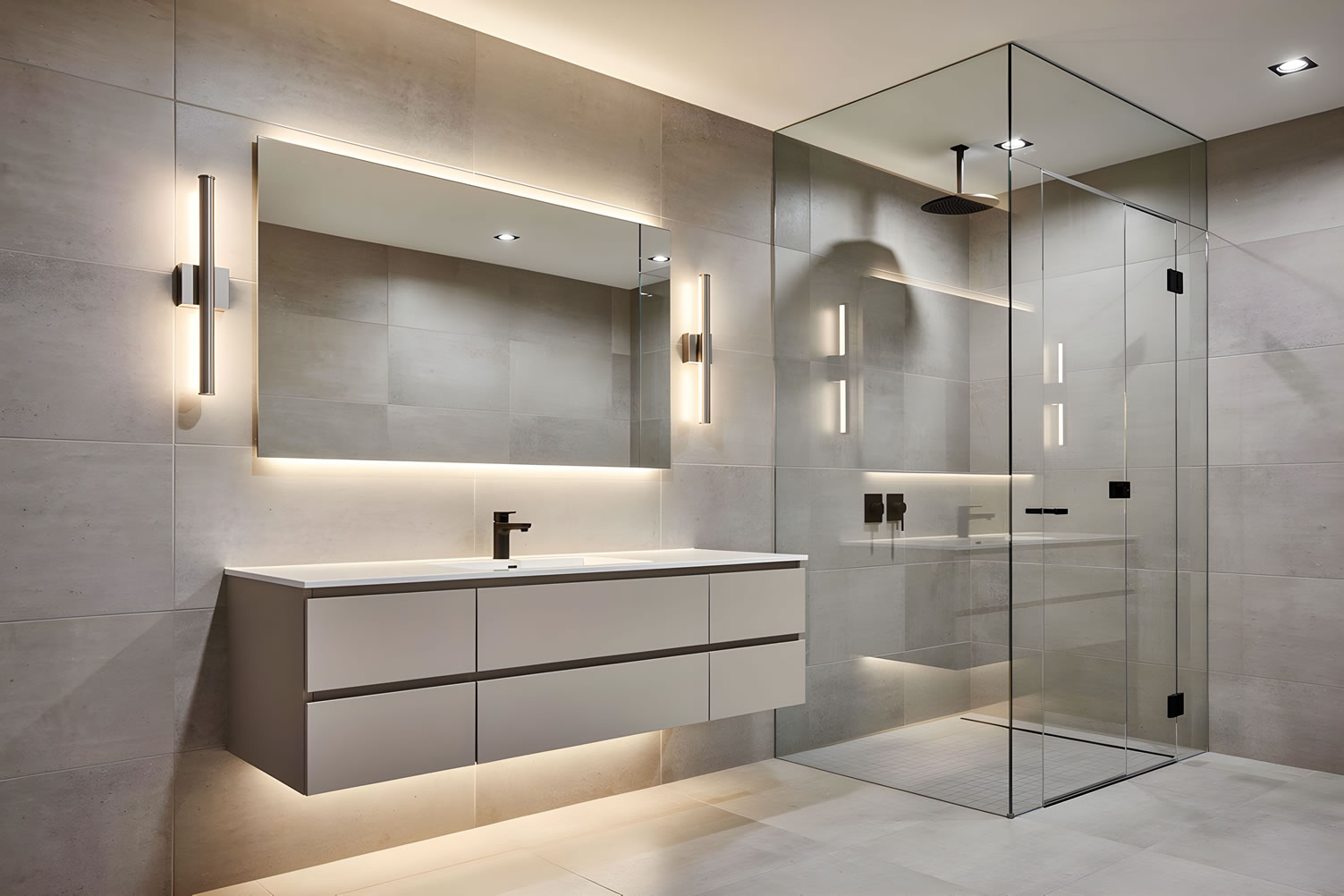
Lighting inside or above a shower is where safety ratings become non-negotiable. Bathrooms expose fixtures to humidity, condensation, and direct spray, so every light needs a moisture rating that matches its location.
Choosing the wrong rating can lead to corrosion, short circuits, shock, or fire—and it can fail an electrical inspection.
There are two key ratings to know.
- Damp-rated fixtures (typically IP44 or higher) handle humidity and occasional splashes, making them suitable for general bathroom areas away from direct water.
- Wet-rated fixtures (typically IP65 or higher) are fully sealed to withstand direct water contact, which is exactly what showers and tub areas require.
Under the National Electrical Code, fixtures within 3 feet horizontally and 8 feet vertically of a tub or shower must be rated for the location—and anything in the direct spray zone should be wet-rated.
A helpful rule from contractors: a wet-rated fixture can replace a damp-rated one, but never the reverse.
- How to use it:
install wet-rated, sealed recessed trims directly over showers and tubs, and damp-rated fixtures elsewhere in the room. - Styles to consider:
sealed shower-rated recessed lights for a clean look, or wet-rated trims with frosted lenses to soften glare. - Key safety notes:
look for UL or ETL labels marked "Suitable for Wet Locations," and hire a licensed electrician for any fixture near water.
Shower-Rated Fixtures
(from the summary table below)
Aspect Description Examples/Recommendations Safety Notes Ratings for Fixtures Fixtures must have a moisture rating that matches their location to avoid corrosion, short circuits, shock, or fire. Failure to comply can also result in an electrical inspection failure. Damp-rated fixtures (IP44 or higher) for general bathroom areas. Wet-rated fixtures (IP65 or higher) for showers or tubs. Under the National Electrical Code, fixtures within 3 feet horizontally and 8 feet vertically of a tub or shower must be wet-rated. Wet-rated fixtures can replace damp-rated ones, but not the reverse. Installation Guidelines Placement of fixtures must align with moisture exposure in the bathroom to ensure safety and regulatory compliance. Wet-rated, sealed recessed trims for showers and tubs. Damp-rated fixtures for other bathroom areas. Always hire a licensed electrician for any installation near water and ensure fixtures are UL or ETL labeled as “Suitable for Wet Locations.” Style Options Bathroom lighting styles combine functionality and aesthetics, ensuring safety while enhancing the decor. Sealed shower-rated recessed lights for minimalistic appeal or wet-rated trims with frosted lenses to reduce glare. Confirm that the chosen fixtures are certified for wet locations and installed professionally. 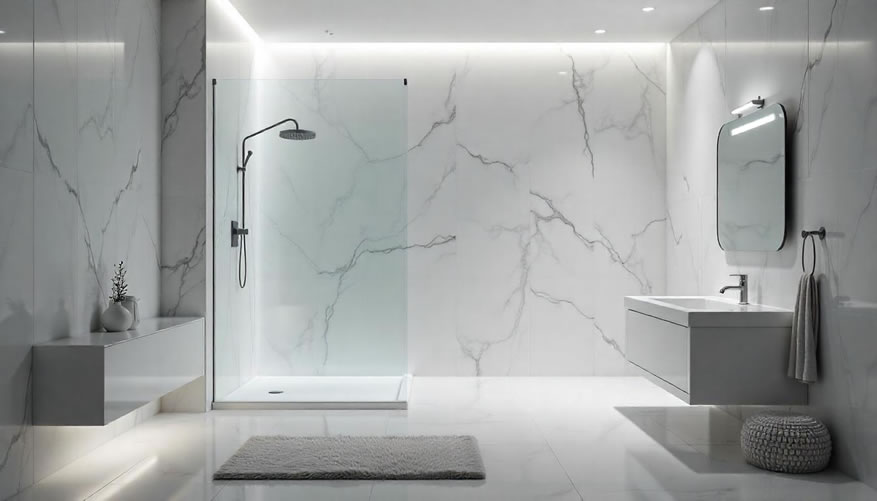
copyright image by 123rf.com
Essential Shower Unit for Any Bathroom
A shower unit is the centerpiece of any full bathroom, blending style with functionality to enhance your daily routine.
When selecting a fixture, look for one that provides a great showering experience, easy access, and minimal cleaning.
Consider sleek designs with frameless doors, durable materials, and finishes resistant to water spots and soap scum.
A well-designed shower unit not only improves your bathroom’s look but also adds convenience and lasting value.
view ideas: Perfect Shower Enclosure(new win)

Scroll up to directory … or scroll to next section about bathroom lighting …
ninth “photo remodeling” idea
AI generated image by 123rf.com
Section 9: Frequently Asked Questions
Notes:
-
Lighting is an essential part of any home improvement project, offering both style and functionality.
Below, we’ve answered some frequently asked questions about choosing and installing light fixtures to help you create a beautifully lit and practical space.
-
What are the three main types of bathroom lighting?
The three main types are ambient lighting (overall room illumination, usually from ceiling fixtures), task lighting (focused light for grooming, typically from vanity lights or sconces), and accent lighting (decorative or highlight light, often from recessed fixtures or small pendants).
Layering all three creates a balanced, functional bathroom.
-
How bright should bathroom lighting be?
Aim for about 1,500 to 2,000 lumens for general ceiling lighting and 2,500 to 3,000 lumens for a full vanity setup. A single vanity bulb should produce around 1,600 lumens.
-
What color temperature is best for a bathroom?
Warm white (2700K–3000K) creates a cozy, relaxing feel, cool white (3500K–4100K) gives a bright, clean look ideal for task lighting, and daylight (5000K–6000K) offers precise visibility for makeup application.
-
How high should vanity lights be mounted?
Mount vanity lights 65 to 70 inches from the floor, with the bottom of the fixture about 75 to 80 inches up so bulbs sit just above eye level. Keep at least 3 inches of clearance above the mirror.
-
What’s the difference between damp-rated and wet-rated fixtures?
Damp-rated fixtures (usually IP44 or higher) handle humidity and occasional splashes but not direct water, making them suitable for general bathroom areas.
Wet-rated fixtures (usually IP65 or higher) are fully sealed for direct water contact and are required in showers and tub splash zones. A wet-rated fixture can safely replace a damp-rated one, but never the reverse.
-
Can I install a chandelier in a bathroom?
Yes, as long as it is damp-rated at minimum and installed away from direct water exposure. Allow at least 12 inches of clearance between the top of the fixture and the ceiling, and position it where it won’t interfere with movement.
-
Do I need an electrician to install bathroom lighting near water?
Yes. Any fixture near a shower or tub should be installed by a licensed electrician to ensure correct moisture ratings, proper sealing, and code compliance under the National Electrical Code.
Question Answer What are the three main types of bathroom lighting? The three main types are ambient lighting (overall room illumination, usually from ceiling fixtures), task lighting (focused light for grooming, typically from vanity lights or sconces), and accent lighting (decorative or highlight light, often from recessed fixtures or small pendants). Layering all three creates a balanced, functional bathroom. How bright should bathroom lighting be? Aim for about 1,500 to 2,000 lumens for general ceiling lighting and 2,500 to 3,000 lumens for a full vanity setup. A single vanity bulb should produce around 1,600 lumens. What color temperature is best for a bathroom? Warm white (2700K–3000K) creates a cozy, relaxing feel, cool white (3500K–4100K) gives a bright, clean look ideal for task lighting, and daylight (5000K–6000K) offers precise visibility for makeup application. How high should vanity lights be mounted? Mount vanity lights 65 to 70 inches from the floor, with the bottom of the fixture about 75 to 80 inches up so bulbs sit just above eye level. Keep at least 3 inches of clearance above the mirror. What’s the difference between damp-rated and wet-rated fixtures? Damp-rated fixtures (usually IP44 or higher) handle humidity and occasional splashes but not direct water, making them suitable for general bathroom areas. Wet-rated fixtures (usually IP65 or higher) are fully sealed for direct water contact and are required in showers and tub splash zones. A wet-rated fixture can safely replace a damp-rated one, but never the reverse. Can I install a chandelier in a bathroom? Yes, as long as it is damp-rated at minimum and installed away from direct water exposure. Allow at least 12 inches of clearance between the top of the fixture and the ceiling, and position it where it won’t interfere with movement. Do I need an electrician to install bathroom lighting near water? Yes. Any fixture near a shower or tub should be installed by a licensed electrician to ensure correct moisture ratings, proper sealing, and code compliance under the National Electrical Code. 
copyright image by 123rf.com
Navigating Your Bathroom Upgrade
Considering a bathroom makeover can feel exciting yet overwhelming for any homeowner.
With so many decisions to make—ranging from selecting the right fixtures to managing your budget—it’s natural to have questions about the process.

To help you get started with confidence, we’ve compiled a comprehensive question and answer section addressing key topics like planning, materials, and common challenges.
Before beginning your project, take a moment to explore these insights and ensure you’re fully prepared for a smooth transformation.
view ideas: Essential Questions to Ask(new win)
Scroll up to directory … or scroll to next section about bathroom lighting …
-
tenth “photo remodeling” idea
AI generated image by 123rf.com
Section 10: Why You Should Use an Electrician for Bathroom Lighting
Notes:
-
Designing and setting up bathroom lighting requires careful planning and expert installation to ensure functionality, safety, and style.
Hiring a professional electrician can make all the difference in achieving a well-lit, code-compliant bathroom. Here’s what an electrician can provide:
- Customized Lighting Design:
Electricians can help create a lighting plan tailored to your specific bathroom layout and needs, combining ambient, task, and accent lighting for optimal effectiveness. - Expert Placement Advice:
Proper placement of fixtures is crucial in ensuring even illumination and minimizing shadows, especially around mirrors and sinks for tasks like shaving or applying makeup. - Energy Efficiency:
Electricians can recommend energy-efficient options, like LED fixtures, to save on utility bills while reducing environmental impact. - Advanced Features:
From dimmer switches to moisture-resistant recessed lights, electricians can ensure your lighting setup enhances both functionality and aesthetics. - Safe Installation:
A licensed electrician ensures all installations meet local building codes and safety standards, protecting against hazards like improper grounding or overloading circuits.
To find a trusted electrician, start by:
- Checking online directories and reviews from reputable platforms like Angi or Yelp.
- Asking for recommendations from friends, family, or neighbors who’ve recently had electrical work done.
- Visiting local hardware or home improvement stores, where staff often have contacts and recommendations.
- Consulting state or local licensing boards to verify credentials and locate licensed professionals in your area.
Engaging a professional ensures that your bathroom lighting design and installation meet the highest safety and style standards, giving you peace of mind and a beautifully illuminated space!
LetsRenovate has partnered with HomeAdvisor (Angi)™, a renowned provider of highly-rated, carefully-vetted local contractors. Start your search here by choosing the type of contractor you need and entering your zip code to find local professionals.
Feature Description Benefits Customized Lighting Design Electricians can create a lighting plan tailored to your bathroom layout and needs, using a combination of ambient, task, and accent lighting. Provides optimal lighting effectiveness and enhances the overall bathroom aesthetics. Expert Placement Advice Ensures proper placement of fixtures for even illumination and minimized shadows, especially around mirrors and sinks. Improves daily tasks like shaving and applying makeup, ensuring comfort and practicality. Energy Efficiency Electricians recommend energy-efficient solutions, such as LED lighting, to reduce power consumption. Lowers utility bills and supports environmental sustainability. Advanced Features Includes options like dimmer switches and moisture-resistant recessed lights that balance functionality and style. Improves the usability and enjoyment of your bathroom space. Safe Installation Electricians ensure installations comply with local building codes and safety standards. Protects against potential hazards, such as electrical grounding issues or overloaded circuits. Finding a Trusted Electrician Search online directories, ask for recommendations, visit local stores, and consult licensing boards to locate certified professionals. Helps guarantee reliable, high-quality work and peace of mind. 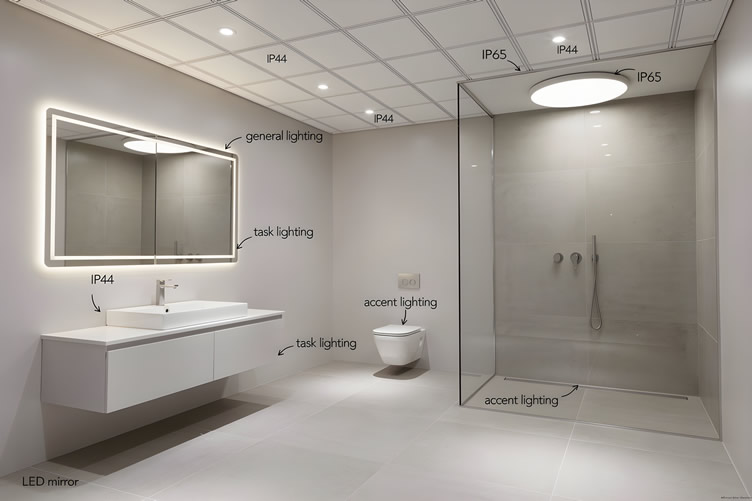
copyright image by 123rf.com
But Wait!
Before starting your search and evaluation of outdoor kitchen contractors, it is highly recommended to download and use this evaluation worksheet.
This resource will help you objectively rank and assess potential contractors, considering essential factors such as pricing, licensing, and referral information.

Evaluation Sheet
File Type: - Customized Lighting Design:
-
Conclusion:
Your driveway is much more than just a place to park your car; it is the welcoming path that leads you safely home. Whether you opt for the classic elegance of brick, the practical durability of concrete, or the eco-friendly charm of grass pavers, upgrading your surface is a deeply rewarding project.
We hope this guide has provided you with the clarity and inspiration needed to select the perfect material for your property.
Take your time to weigh the unique benefits of each option, consult with local experts to understand your climate’s specific demands, and enjoy the beautiful transformation of your home’s exterior.
References
- Tribesigns. "Bathroom Light Fixtures Buying Guide." May 2025. https://tribesigns.com/blogs/furniture-knowledge/bathroom-light-fixtures-buying-guide
- OKELI Lights. "Wet-Rated vs. Damp-Rated: Understanding Safety Standards for Your Bathroom and Outdoor Spaces." June 2025. https://www.okelilights.com/blogs/blog/wet-rated-vs-damp-rated-understanding-safety-standards-for-your-bathroom-and-outdoor-spaces
- Prillumen Light. "UL Damp vs. Wet Location: A Contractor’s Guide to NEC Compliance & Safety." December 2025. https://prillumenlight.com/a-contractors-guide-to-ul-damp-vs-wet-location-lighting/
-
ideas to view and compare from the information discussed above
- What comments can you share about
the right bathroom lighting to use?
Scroll up to directory … or scroll to more bed n’ bath related topics …

Calendar For:
Home Maintenance
File Type:
… view our sharing links below for a quick "share the knowledge"
Cover image credit: bathroom lighting by 123rf.com
end of post … please share it!
 |
did you find the review of the types of bathroom lighting helpful? If so, please share the article with your friends and family! |
Nice pic idea? Leave us a quick comment below.
And please share this pic idea within your social networks.
Amazon Affiliate Disclosure: LetsRenovate.com is a participant in the Amazon Services LLC Associates Program, an affiliate advertising program designed to provide a means for sites to earn advertising fees by advertising and linking to Amazon.com. The commission earnings are used to defray our cost of operation.
View our FTC Disclosure for other affiliate information.