Summary Outline –
To achieve this safely and comfortably, however, our homes may need some thoughtful adjustments. Making specific home modifications can dramatically enhance safety, prevent accidents, and support a high quality of life, allowing you to "unleash your home’s potential" for this new chapter.
These upgrades aren’t just about utility; they’re about creating an environment that continues to feel like a sanctuary. A place where you can move with confidence, perform daily tasks with ease, and feel secure in your surroundings.
From simple additions to more significant renovations, these changes are an investment in your well-being and independence.
This guide will walk you through essential home upgrades that address the common challenges associated with aging, helping you transform your living space into a haven of safety and comfort for years to come.
- post content … analysis/ weekend bathroom upgrades
- 1st: Enhancing Safety in the Bathroom
- 2nd: Improving Mobility Throughout the Home
- 3rd: Increasing Accessibility in the Kitchen
- 4th: Lighting and Visibility Upgrades
- 5th: Smart Home Technology for Seniors
- conclusion
- other remodeling or home improvement topics

-
- —— begin first topic ——
-
1st Update: Enhancing Safety in the Bathroom
The bathroom is one of the most hazardous areas in any home, particularly for older adults. The combination of hard surfaces and water creates a high risk for slips and falls.
Fortunately, several key modifications can significantly improve bathroom safety. These upgrades focus on providing stability, improving access, and reducing the likelihood of accidents.
We will explore how installing grab bars, using non-slip flooring, and opting for accessible bathing solutions like walk-in showers can create a safer bathroom environment.
-
Essential Safety Features
The first step to bathroom safety is adding features that reduce hazards and create a secure space. Grab bars, non-slip mats, and proper lighting improve stability and support, helping prevent slips and falls, especially for the elderly. A good bathroom design prioritizes safety while maintaining comfort and functionality.
-
Install Grab Bars and Rails
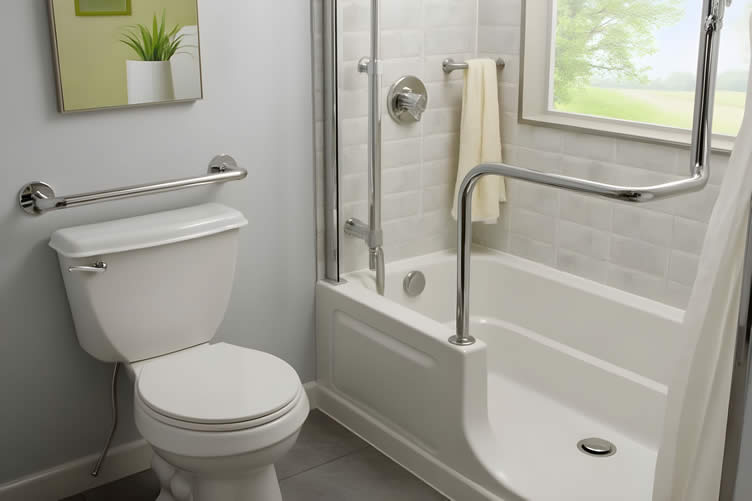
Grab bars and rails are essential for providing stability and support to elderly individuals, particularly in the bathroom. These secure handholds make it safer to move around or transition in and out of showers, bathtubs, and toilets.
Installing grab bars in key areas, such as near toilets and inside showers or tubs, ensures maximum stability where it’s needed most. Unlike towel racks or soap dishes, which are not built to bear weight, grab bars are specifically designed with safety in mind.
Opting for textured or peened finishes enhances grip, offering greater confidence and peace of mind during daily activities.
-
Use Non-Slip Mats and Surfaces
To enhance safety and reduce the risk of slips in wet areas, non-slip mats and surfaces are essential. Place non-slip mats both inside and outside bathtubs and showers, and opt for flooring materials designed with slip resistance in mind.
Consider matte-finish tiles with a high coefficient of friction (COF) rating, which ensures better traction, or luxury vinyl tile (LVT), a popular alternative. LVT not only provides slip resistance but also offers a slightly softer surface compared to ceramic or porcelain, helping to cushion falls more effectively.
-
Prioritize Bright and Even Lighting
Good lighting is equally important when addressing safety concerns. Bright, even lighting helps to reduce shadows and improve visibility, particularly around high-risk areas like the bathtub and toilet.
Nightlights or motion-sensor lighting can add an extra layer of convenience and safety for nighttime use.
-
-
Accessibility Improvements
Enhancing bathroom accessibility is crucial to ensure that elderly individuals, particularly those with mobility challenges, can navigate the space with ease, comfort, and confidence.
These improvements not only reduce the risk of accidents but also offer peace of mind to both individuals and their caregivers.
-
Walk-In Showers or Tubs
Walk-in showers and tubs are ideal solutions for reducing the risk of tripping, as they remove the need to step over high barriers. Featuring low or zero-clearance thresholds, these designs offer ease of access and practicality.
Walk-in bathtubs, in particular, provide added convenience with a door for easy entry, a built-in seat, and often therapeutic features like hydrotherapy jets, combining safety with comfort and relaxation.
-
Shower Chairs and Transfer Benches
Shower chairs and transfer benches provide stability and support during bathing, allowing seniors to sit comfortably while washing. These tools are particularly helpful for individuals who cannot stand for extended periods or require assistance transitioning from a wheelchair.
-
Lever-Style Faucets
Lever-style faucets are another accessibility improvement that enhances usability. By replacing traditional turn handles with levers, individuals with arthritic hands or reduced grip strength can more easily control water flow and temperature.
-
-
Fixture Adjustments
Modifying bathroom fixtures to meet the needs of elderly individuals can significantly enhance comfort, safety, and accessibility. Small adjustments can have a profound impact, ensuring greater independence and ease in daily routines.
-
Raised Toilet Seats with Support Rails
Raised toilet seats with support rails make sitting and standing safer and more manageable. These additions help reduce the strain on knees and joints and provide extra stability during transitions.
-
Lowered Sink Heights
Lowered sink heights and added clearance underneath the sink facilitate easier use for individuals in wheelchairs or those who have limited mobility. This adjustment ensures comfort and accessibility for basic tasks like washing hands or brushing teeth.
-
Handheld Showerheads
Handheld showerheads offer flexibility and convenience, allowing users to control water direction without needing to move excessively. Combined with a shower chair, handheld showerheads make bathing safer and easier.
-
-
Additional Recommendations
Beyond safety features, accessibility improvements, and fixture adjustments, implementing a few additional measures can further enhance the bathroom environment.
-
Minimize Clutter
Keeping the bathroom organized minimizes clutter, ensuring that frequently used items are within arm’s reach. This reduces unnecessary movements that could lead to instability or falls.
-
Pathway Safety
Pathway safety should never be overlooked. Keeping the area clear of obstructions and ensuring smooth transitions between bathroom zones is key. Wide and unobstructed pathways are particularly helpful for individuals using walkers or wheelchairs.
-
Secure Floor Coverings
Removing loose rugs is advisable because they pose a significant tripping hazard. If floor coverings are necessary, opt for rugs with non-slip backings that stay securely in place.
-
-
Building a Safer Space
When designing a bathroom for an elderly individual, every modification should focus on improving safety, enhancing functionality, and addressing individual needs.
Collaborating with certified aging-in-place specialists or consulting industry guidelines ensures the space meets safety standards and offers maximum peace of mind. From safety features to accessibility and thoughtful design, these changes contribute to a space that promotes independence and confidence.
References:
- "Aging in Place Design Guidelines," National Association of Home Builders (NAHB), https://www.nahb.org.
- "Making Bathrooms Safe for Seniors," AARP Home and Family, https://www.aarp.org.
- "Bathroom Modifications for Elderly Adults," National Institute on Aging, https://www.nia.nih.gov.
Category Recommendations Benefits Essential Safety Features - Install grab bars and rails
- Use non-slip mats and slip-resistant surfaces
- Ensure bright and even lighting
- Improves stability and support
- Reduces risk of slips and falls
- Enhances visibility and safety
Accessibility Improvements - Install walk-in showers or tubs
- Provide shower chairs and transfer benches
- Replace faucets with lever-style models
- Provides ease of access
- Improves comfort during bathing
- Accommodates mobility limitations
Fixture Adjustments - Use raised toilet seats with support rails
- Lower sink heights and add clearance for wheelchairs
- Include handheld showerheads
- Offers added stability and accessibility
- Facilitates easier daily routines
- Enhances convenience and safety
Additional Recommendations - Minimize clutter and keep areas organized
- Ensure wide and clear pathways
- Remove loose rugs or use non-slip backings
- Prevents unnecessary movements
- Reduces tripping hazards
- Promotes a safer environment


AI generated image by 123rf.com
-
Scroll up to directory … or scroll to next section about home upgrades for seniors …

-
-
2nd Update: Improving Mobility Throughout the Home
A home should be a haven of comfort and safety, but as mobility changes occur due to aging, injury, or illness, modifications often become necessary to ensure continued ease of movement. Thoughtful adjustments can significantly improve accessibility, safety, and overall quality of life.
Below, we explore essential strategies and features to enhance mobility throughout the home, covering critical areas such as safety upgrades, flooring and lighting improvements, hardware adaptations, and daily living adjustments.
-
Key Modifications for Mobility
Mobility improvements often center around the implementation of effective safety features.
These features reduce risks associated with navigating the home and enhance practicality for individuals with varying levels of physical ability. Solutions include:
-
Ramps
Ramps are essential for ensuring safe and smooth entry and exit, whether situated at exterior thresholds or interior transitions. They provide accessibility for individuals using mobility aids like wheelchairs or walkers, reducing physical strain and increasing practicality.
For homes with steps at the entrance, installing a sturdy ramp provides a safe and gradual incline for those using walkers or wheelchairs. Inside the home, a stairlift is a transformative solution for multi-level houses.
These motorized chairs travel along a rail securely attached to the staircase, allowing individuals to move between floors safely and effortlessly at the touch of a button.
-
Widening Doorways
By widening doorways, movement within the home becomes easier, particularly for those using mobility aids such as wheelchairs or walkers. Widening interior doorways to at least 32 inches, with 36 inches being ideal, is a critical modification for aging in place.
In many cases, this can be achieved by replacing the existing door frame. Another simpler, less expensive option is to install offset hinges, which swing the door clear of the opening and can add up to two inches of usable space.
-
Stairlifts and Elevators
Stairlifts and elevators are invaluable for creating multi-level access within the home. These features help reduce the stress and risks associated with navigating stairs, offering a solution that prioritizes comfort and safety.
-
Handrails
Handrails provide stability and support, especially when placed along staircases or hallways. By decreasing the likelihood of falls, they play a critical role in enhancing the overall safety of the home.
-
-
Flooring and Lighting Enhancements
Both flooring and lighting play essential roles in ensuring a safe and functional living environment. These adjustments improve not only safety but also usability, making the home more navigable for everyone.
-
Smooth Flooring Transitions
Small changes in floor height, such as the threshold between a carpeted room and a tiled kitchen, can easily become a tripping hazard.
Creating smooth, level transitions between different flooring types is an important safety measure. This can be accomplished by using low-profile transition strips that create a gentle slope rather than an abrupt edge.
-
Non-Slip Flooring Materials
Textured tiles or vinyl are excellent choices for preventing slips and falls. These materials are particularly beneficial in high-traffic or moisture-prone areas such as kitchens and bathrooms, providing both safety and durability.
-
Improved Lighting
Upgraded lighting solutions enhance visibility in dim spaces, ensuring safety near stairways, hallways, and entry points. Proper lighting also contributes to a more functional and welcoming atmosphere.
-
Pathway Decluttering
Clearing pathways of unnecessary obstacles eliminates tripping hazards. An optimized layout creates a safer and more navigable space, supporting smooth movement throughout the home.
-
-
Hardware and Entry Improvements
Focusing on entry and operational hardware reduces daily frustrations and supports independent living.
-
Lever-Style Door Handles
Lever-style door handles are particularly beneficial as they are easier to use for individuals with reduced grip strength compared to traditional doorknobs. This small change can significantly enhance usability for diverse needs.
-
Automatic Door Openers
Installing automatic door openers provides essential convenience for wheelchair users or for individuals carrying items. This feature ensures easier and more seamless entry and exit.
-
Accessible Switches and Controls
Using switches and controls that are larger, well-lit, or positioned at lower heights simplifies the operation of lighting and household appliances. These adjustments promote convenience, independence, and safety for all household members.
-
-
Home Arrangement and Daily Living Aids
The arrangement of furniture and the integration of daily living aids have a profound impact on mobility and comfort.
-
Thoughtful Furniture Arrangement
Organizing furniture with wide, clear pathways ensures unimpeded movement throughout the home, especially for individuals using assistive devices.
-
Accessible Mobility Aids
Mobility aids such as walkers or rollators should be placed in easily accessible and clutter-free locations to ensure convenience and safety. This allows individuals to quickly grab their aid when needed and reduces the risk of falls or accidents, especially in high-traffic areas of the home.
-
Supportive Seating Equipment
Incorporating supportive seating options like lift chairs can greatly enhance comfort and independence for individuals with mobility challenges. These chairs are designed to make sitting and rising easier by providing gentle assistance, reducing strain on joints and muscles.
-
Addressing Daily Challenges
These adaptations offer practical solutions to common mobility challenges, such as navigating uneven surfaces or accessing hard-to-reach areas. They are designed to meet individual needs, enhancing daily independence while fostering a sense of empowerment, self-reliance, and improved quality of life.
-
References
- Centers for Disease Control and Prevention (CDC). “Preventing Falls Among Older Adults.” Accessed October 2023.
- National Institute on Aging. “Home Modifications and Repairs.” Published by the U.S. Department of Health and Human Services.
- Johns Hopkins Medicine. “Fall Prevention and Home Safety.”
- American Society on Aging (ASA). “Creating Safe and Accessible Living Spaces for Older Adults.”
- Better Aging. “Aging in Place Home Modifications.”
Modification Category Key Features Benefits Ramps Exterior and interior ramps, stairlifts Improves accessibility for mobility aids like wheelchairs and walkers; reduces physical strain; ensures smooth entry and exit Widening Doorways Expanding doorways to 32-36 inches, installing offset hinges Facilitates easier movement for mobility aid users; cost-effective options available Stairlifts and Elevators Motorized stairlifts, in-home elevators Provides safe and effortless multi-level access, reducing stress and risks Handrails Handrails along staircases and hallways Offers support and stability, reducing fall risks Flooring Enhancements Smooth transitions, non-slip materials Eliminates tripping hazards; improves safety, especially in high-traffic or moisture-prone areas Lighting Improvements Enhanced lighting near stairways, hallways, and entry points Improves visibility, safety, and functionality Pathway Decluttering Clear furniture arrangement, optimized layouts Reduces obstacles; supports smooth movement Hardware Adaptations Lever-style handles, automatic door openers, accessible switches Enhances ease of use for individuals with limited grip strength or mobility; promotes independence Daily Living Aids Supportive seating (e.g., lift chairs), accessible mobility aids Improves comfort, convenience, and independence 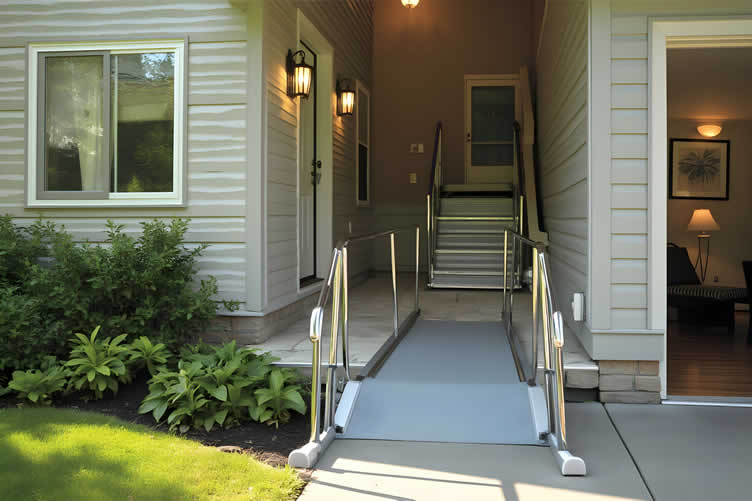
AI generated image by 123rf.com
-
Scroll up to directory … or scroll to next section about home upgrades for seniors …
-
-
3rd Update: Increasing Accessibility in the Kitchen
The kitchen is often called the heart of the home, a place for nourishment and connection. To ensure it remains a functional and enjoyable space for seniors, certain accessibility upgrades are key. These modifications aim to reduce physical strain, improve safety, and make daily tasks like cooking and cleaning easier.
In this section, we will discuss how to enhance kitchen accessibility through the use of adjustable countertops and cabinets, easy-to-reach storage solutions, and user-friendly appliances.
Increasing Accessibility in the Kitchen
Creating an accessible kitchen allows individuals of all abilities to comfortably use and enjoy one of the most important spaces in the home. For seniors or those with mobility challenges, kitchen modifications are essential for improving safety, reducing strain, and supporting independence.
By addressing key areas such as storage, countertops, appliances, lighting, and layout, you can transform the kitchen into a more functional and welcoming environment that meets diverse needs.
-
Essential Safety Features for Storage and Countertops
An accessible kitchen should carefully consider how storage and countertops are designed and positioned. These features need to minimize physical effort while maximizing ease of use.
Replacing lower cabinets with deep, full-extension pull-out drawers allows you to see and access everything inside without having to bend down and rummage through the back.
A lazy Susan in corner cabinets can also make hard-to-reach items more accessible. A pantry with floor-to-ceiling shelving and pull-out baskets organizes food and supplies efficiently.
These adjustments not only enhance efficiency but also significantly improve safety by reducing the risk of trips and falls.
-
Thoughtfully Positioned Storage and Cabinets
An accessible kitchen should carefully consider how storage and countertops are designed and positioned. These features need to minimize physical effort while maximizing ease of use.
Installing pull-down shelving in upper cabinets brings items within easy reach, eliminating the need to use a step stool. Motorized cabinets that lower and rise with the push of a button represent a more advanced option for ultimate accessibility.
-
Easy-to-Reach Storage
A lazy Susan in corner cabinets can also make hard-to-reach items more accessible. A pantry with floor-to-ceiling shelving and pull-out baskets organizes food and supplies efficiently.
By placing frequently used dishes, pots, and food items in the most accessible locations—between waist and shoulder height—you can minimize bending and reaching.
-
Adjustable Countertops for Easy Food Preparation
Adjustable or multi-level countertops offer a versatile solution, allowing sections of the counter to be raised or lowered to a comfortable height. This promotes better posture and reduces strain.
-
Pull-Out Shelves and Drawers
Incorporating pull-out shelves and drawers ensures that items stored in cabinets are easy to access without reaching or straining. Replacing lower cabinets with deep, full-extension pull-out drawers allows you to see and access everything inside without having to bend down and rummage through the back.
-
Easy-Grip Handles
Installing easy-grip handles on drawers and doors can significantly reduce physical challenges, particularly for individuals with mobility or strength limitations.
These handles provide a secure, ergonomic, and strain-free option for opening and closing, making everyday tasks more accessible and ensuring greater comfort and ease of use in the home.
-
Enhanced Efficiency and Safety
These adjustments not only enhance efficiency in daily operations but also play a critical role in improving safety. By minimizing hazards such as uneven surfaces or obstacles, they significantly reduce the risk of trips and falls, creating a safer environment for everyone.
-
-
Appliances and Fixtures That Prioritize Accessibility
Accessible appliances and fixtures are vital for creating a universally usable kitchen. Integrating these features ensures that no matter the user’s mobility level, the kitchen remains a space for independence and enjoyment.
-
Accessible Appliances and Fixtures
- Wall-mounted ovens with side-opening doors or refrigerators with slide-out shelves make daily tasks simpler and safer for everyone.
- Cooktops with induction technology are safer because the surface itself doesn’t get hot, reducing the risk of burns.
- Refrigerators with a French door design and a bottom-freezer drawer provide easier access to fresh food items.
- Dishwashers raised on a platform can minimize bending during loading and unloading.
- These thoughtful designs ensure functionality and ease of use, especially for individuals with limited mobility.
-
Roll-Under Sinks and Cooktops
- Installing roll-under sinks and cooktops allows wheelchair users to comfortably perform tasks like cooking and washing dishes.
- These features promote proper posture and make the kitchen a more inclusive, accessible space.
-
Smart Appliance Features
- Voice control and remote operation via mobile apps simplify common tasks and provide enhanced functionality.
- These innovations create a more intuitive and adaptable kitchen experience, ensuring convenience for all.
-
Universal Integration
- By incorporating accessible fixtures and smart technologies, you can design a kitchen that supports independence and enjoyment, regardless of mobility levels.
- These features elevate both the practicality and inclusiveness of the space.
-
-
Lighting and Safety Enhancements
Proper lighting and safety measures are crucial components when designing an accessible kitchen. By combining effective lighting schemes with safe, slip-resistant surfaces creates an environment where safety and functionality coexist seamlessly.
-
Proper Lighting
Bright, even lighting is vital in an accessible kitchen to reduce shadows and improve visibility. This is especially important for individuals with vision impairments.
Task lighting installed under cabinets can further enhance visibility for food preparation and cooking tasks.
-
Non-Slip Flooring
Choosing non-slip flooring is an essential safety measure to minimize the risk of falls. This feature is particularly crucial for seniors or individuals with mobility challenges, promoting a safer, more secure environment.
-
-
Kitchen Organization and Layout Considerations
Careful attention to kitchen organization and layout can significantly enhance accessibility. Thoughtful organization and strategic layout adjustments ensure that the kitchen is efficient and intuitive for every user, regardless of their physical abilities.
-
Keep Essential Items Within Easy Reach
Place utensils, cookware, and frequently used ingredients in accessible locations to minimize unnecessary movement and reduce physical strain.
-
Use Contrasting Colors for Better Visibility
Incorporate contrasting colors for cabinets, counters, and floors to help individuals with vision impairments distinguish between surfaces more easily.
-
Widen Walkways and Doorways
Expand walkways and doorways to improve maneuverability, allowing those who use mobility devices to move freely and comfortably.
-
Thoughtful Organization and Layout
Plan the kitchen layout strategically to ensure it is both efficient and intuitive, accommodating the needs of all users regardless of their physical abilities.
By implementing these changes and focusing on inclusive design principles, kitchen spaces can seamlessly blend functionality, safety, and aesthetics.
These adjustments not only help foster independence and ease but also make the kitchen a more inviting and practical space for everyone.
-
References:
- "Home Modification for Accessibility," National Aging in Place Council.
- “Universal Design in Kitchens,” The Center for Inclusive Design and Environmental Access.
- “Accessible Kitchens for Seniors and the Disabled,” Better Homes and Gardens.
Area of Improvement Key Features Benefits Storage and Countertops – Pull-out drawers and shelves
– Lazy Susans for corners
– Pull-down shelving
– Motorized cabinets
– Adjustable countertops– Reduces physical strain
– Enhances ease of access
– Minimizes bending and reaching
– Promotes better posture
– Improves safety and efficiencyHandles and Fixtures – Easy-grip handles
– Wall-mounted ovens with side-opening doors
– Refrigerators with French doors and slide-out shelves
– Raised dishwashers– Facilitates ease of use
– Enhances comfort
– Reduces physical challenges
– Improves accessibility for daily tasksAppliances and Innovations – Induction cooktops
– Roll-under sinks and cooktops
– Smart appliances with voice or remote control– Improves safety through technology
– Enhances independence
– Adapts to mobility needs
– Simplifies kitchen tasksLighting and Flooring – Task lighting under cabinets
– Bright, even lighting
– Contrast-colored surfaces
– Non-slip flooring– Reduces shadows and improves visibility
– Minimizes the risk of slips and falls
– Enhances safety for all users
– Aids individuals with vision impairmentsKitchen Layout – Widened walkways and doorways
– Strategic placement of essential items
– Use of contrasting colors for better visibility– Improves maneuverability for mobility devices
– Provides intuitive organization
– Reduces physical strain and movement
– Enhances overall kitchen functionality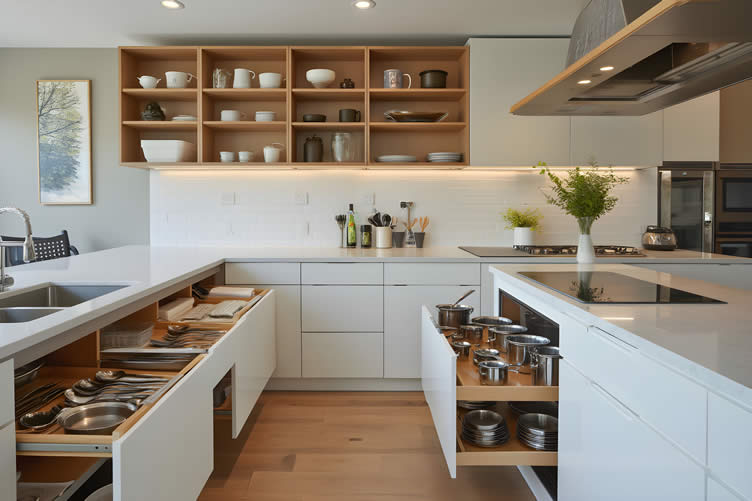
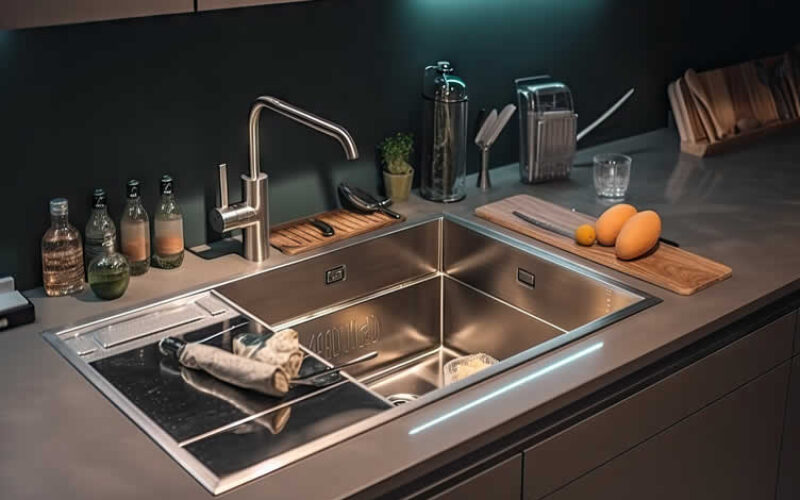
AI generated image by 123rf.com
-
Scroll up to directory … or scroll to next section about home upgrades for seniors …
-
-
4th Update: Lighting and Visibility Upgrades
Good lighting is crucial for senior safety at home, as vision can naturally decline with age. Bright, well-distributed light helps prevent falls by making it easier to see obstacles, navigate steps, and perform daily tasks.
Enhancing the lighting throughout your home is one of the most effective and often simplest home modifications you can make.
This section explores several impactful lighting upgrades, including installing brighter overall lighting, adding under-cabinet lights for task-specific areas, and placing nightlights for safe movement after dark.
-
Brighter Lighting
Proper lighting can significantly enhance both the safety and comfort of your living space. A well-lit home not only creates a welcoming and visually appealing atmosphere but also supports daily activities and promotes overall well-being.
-
Increase Ambient Lighting
Increasing the overall ambient light level in every room can make a significant difference. Replace old, dim light fixtures with modern ones that can accommodate brighter bulbs to brighten up your space.
-
Opt for LED Bulbs
Choose LED bulbs, which are energy-efficient and provide consistent, high-quality light. They work especially well in areas like hallways, kitchens, bathrooms, and stairways.
-
Add Task Lighting for Work Areas
Provide focused task lights above key work areas such as reading spots, kitchen counters, and bathroom mirrors. This helps with detailed activities and enhances functionality.
-
Layer Your Lighting
Layered lighting is essential in each room. Combine overhead fixtures with floor and table lamps to eliminate shadows and dark corners, creating a more welcoming and practical environment.
-
Install Dimmer Switches
Installing dimmer switches allows you to adjust light intensity based on the time of day and specific activities. This ensures optimal visibility while reducing harsh glare.
-
Use Night Lights for Safety
Night lights add a layer of safety and convenience during nighttime movement. Plug-in LED nightlights that automatically turn on at dusk and off at dawn are a convenient option. Place them in hallways, bathrooms, the bedroom, and the kitchen to illuminate pathways and key areas.
-
Include Motion-Activated Lights
Add motion-activated lights in essential spaces for hands-free operation. These are particularly useful in areas such as entryways and closets.
-
-
Under-Cabinet Lighting
Under-cabinet lighting is an underrated but highly effective way to add functionality and ambiance to your kitchen or workspaces. It provides targeted illumination to specific areas while also enhancing the aesthetics of your home.
-
Improved Task Visibility
Tasks like chopping vegetables, reading recipes, or measuring ingredients require focused, direct light. Under-cabinet lighting ensures these tasks are completed with precision.
-
Shadow Elimination
These fixtures provide focused lighting for countertops, ensuring your workspace is well-lit and eliminating the shadows often created by upper cabinets and overhead lights. By directing light exactly where it’s needed, they enhance visibility.
-
Enhanced Safety
With better visibility, the risk of accidents while preparing food is significantly reduced, as it allows you to clearly see what you’re doing, whether it’s chopping vegetables, handling hot pans, or working with sharp utensils
-
Ease of Installation
LED strips or puck lights are easy to install and provide bright, targeted light right where it’s needed most, making them an ideal choice for enhancing your workspace. These lights are energy-efficient, long-lasting, and versatile, allowing you to customize your lighting setup to suit your specific needs
-
Enjoyable Food Preparation
A well-lit environment fosters a more enjoyable and efficient cooking experience, as it allows you to clearly see your ingredients, utensils, and workspace. Proper lighting reduces the risk of mistakes.
-
-
Controls and Accessibility
Improving the functionality of your home lighting starts with accessible and user-friendly controls. Modern technology has made it easier than ever to customize and adjust lighting to suit individual needs.
-
Light Switch Accessibility
Position light switches at a height that is convenient for all family members, including those with mobility challenges or disabilities. Consider using rocker-style or touch-sensitive switches, which are easier to operate and offer added comfort for daily use.
-
Smart Lighting Systems
Upgrade to smart lighting systems for enhanced accessibility and convenience. These systems allow you to control your lights remotely through smartphone apps or voice commands, providing effortless and instant management of your home’s lighting.
-
Additional Features
Leverage advanced features like scheduled on/off times and dimming options. These not only improve day-to-day convenience but also contribute to better energy efficiency in your home.
-
-
Reducing Glare and Improving Contrast
Harsh glare and insufficient contrast can negatively affect a room’s comfort and functionality. Correcting these issues creates a more pleasant and visually appealing environment.
-
Install Non-Glare Fixtures
Installing non-glare fixtures is a practical option to reduce harsh reflections and shadows in a room. Look for matte-finished light fixtures or shades specifically designed to minimize glare.
-
Use Diffused Light Designs
Diffused light designs, such as frosted glass fixtures and pendant lights with soft finishes, can evenly distribute brightness, eliminating overwhelming light sources that can strain the eyes.
-
Enhance Contrast with Thoughtful Lighting
Enhancing contrast with thoughtful lighting design can make tasks easier and reduce visual fatigue. Choose light fixtures that create distinct zones within a space by using varying intensity or color temperatures to highlight specific areas.
-
Pair Contrasting Surfaces
Pairing contrasting surfaces, such as lighter colors against darker textures, can further improve visibility and elevate the aesthetic appeal of a room.
-
-
Maximizing Natural Light
Harnessing natural light is one of the most effective ways to brighten a space and create a welcoming atmosphere without additional energy usage. Focusing on ways to maximize daylight can transform your living area dramatically.
-
Strategically arrange furniture
Position furniture to optimize the path of sunlight. Move larger, obstructive pieces away from windows to allow natural light to travel deeper into the room, creating an open and airy feel.
-
Use sheer curtains or light-filtering blinds
Sheer curtains or blinds in light shades are an excellent choice for softening natural light in your home. They help diffuse sunlight, creating a warm and inviting atmosphere while still allowing ample light to brighten the space.
-
Select light-colored window treatments
Utilizing lighter shades and materials can significantly enhance the flow of daylight into a room, creating a brighter and more inviting atmosphere. These softer tones reflect natural light more effectively, helping to illuminate the space without making it feel harsh or overwhelming.
-
Enhance with mirrors and glossy finishes
Install mirrors or use glossy finishes on walls to reflect natural light, distributing it throughout the room. This technique is especially useful in smaller spaces that need a brightness boost.
-
References:
- U.S. Department of Energy. "Lighting Choices to Save You Money." www.energy.gov.
- Illuminating Engineering Society (IES). "Lighting Handbook." 10th Edition.
- American Lighting Association. "Lighting Your Home Guide." www.alalighting.com.
- National Association of Home Builders. "Improved Lighting for Home Design." www.nahb.org
Lighting Upgrade Description Benefits Brighter Lighting Increase ambient light by replacing dim fixtures and using LED bulbs for consistency and energy efficiency. Enhances daily activities, supports safety, and creates a welcoming atmosphere. Task Lighting Add focused lights above key work areas like counters and reading spots. Improves functionality and visibility for detailed tasks. Layered Lighting Combine overhead fixtures with lamps to remove shadows and brighten corners. Creates practical and inviting spaces with balanced light distribution. Dimmer Switches Install dimmers to adjust light intensity based on activities and time of day. Provides tailored visibility and reduces glare for comfort. Night Lights Use plug-in LED nightlights that operate automatically at nighttime. Ensures safe nighttime movement in bathrooms, hallways, and bedrooms. Motion-Activated Lights Install motion-sensitive lighting for hands-free operation in key areas. Offers convenience and safety in spaces like closets and entryways. Under-Cabinet Lighting Illuminate countertops with LED strips or puck lights for task-specific workspaces. Improves visibility, eliminates shadows, and enhances kitchen safety and ambiance. Smart Lighting Systems Control lights remotely with apps or voice commands, and schedule on/off times. Boosts energy efficiency and accessibility with advanced features. Non-Glare Fixtures Install matte-finished or frosted glass fixtures to diffuse light and minimize glare. Reduces harsh reflections, eye strain, and enhances comfort. Maximizing Natural Light Use sheer curtains, mirrors, and light-colored window treatments to enhance daylight. Brightens spaces, reduces energy usage, and creates an inviting environment. 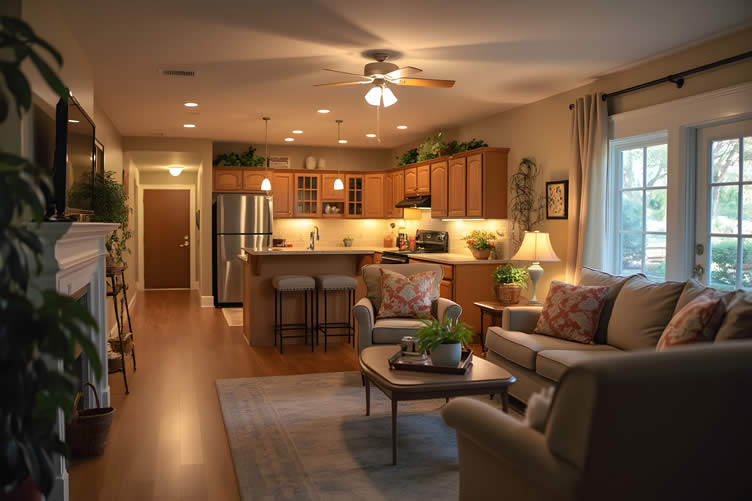
AI generated image by 123rf.com
-
Scroll up to directory … or scroll to next section about home upgrades for seniors …
-
-
5th Update: Smart Home Technology for Seniors
The rise of smart home technology offers incredible opportunities to enhance safety, convenience, and connection for seniors aging in place. These devices can automate daily tasks, provide remote assistance, and offer peace of mind for both seniors and their families.
Integrating smart technology can transform a home into a responsive and supportive environment. Below, we’ll look at some of the most beneficial smart home applications, such as voice-activated controls, remote monitoring systems, and automated lighting and temperature control.
-
Safety Enhancements
Safety is paramount for seniors, and smart home technology provides numerous solutions to help prevent accidents and respond to emergencies swiftly.
-
Sensors and Emergency Alert Systems
Caregiver tools like wearable devices, motion detectors, and smart sensors provide 24/7 monitoring to detect falls, unusual activity, or emergencies.
Personal Emergency Response Systems (PERS) allow users to call for help with a button, while advanced AI systems track daily routines and notify family of irregularities, offering safety and peace of mind.
-
Remote Monitoring
Caregivers can monitor loved ones remotely with cameras or activity trackers, providing real-time health and safety updates. These systems include smart door sensors, motion detectors, and smoke detectors that send smartphone alerts.
Personal Emergency Response Systems (PERS), worn as pendants or wristbands, let users call for help with a button press. Advanced systems with AI learn daily routines and alert family if unusual inactivity is detected. This technology provides peace of mind and enables quick responses to concerns.
-
Automated Lighting
Motion-activated lighting provides seniors with automatic illumination during the night, ensuring they have adequate visibility when moving around. This feature is especially helpful in preventing trips and falls, offering an added layer of safety and peace of mind for both seniors and their caregivers.
-
Smart Locks
Secure access is made possible without the need for traditional keys, which can be challenging to manage, easily lost, or require costly replacements. Instead, modern solutions provide a more convenient and reliable way to control access.
-
Smart Smoke and Carbon Monoxide Detectors
Devices with smart connectivity can send real-time alerts to smartphones in case of danger, such as smoke detection, unauthorized access, or other emergencies. These notifications allow users to take immediate action, ensuring timely intervention and potentially preventing further damage or harm.
-
-
Convenience Improvements
Smart home technology simplifies everyday tasks, making life more convenient and stress-free for seniors.
-
Voice-Activated Assistants
Devices such as Amazon Alexa or Google Assistant allow seniors to control their environment with simple voice commands. Whether it’s adjusting lighting, playing music, or setting medication reminders, these intuitive tools are designed with accessibility in mind, catering to users of all skill levels.
-
Automated Lighting
Lights can be scheduled to turn on at sunset and off at bedtime, ensuring the home is always well-lit when needed. Motion-activated lights can be installed in hallways and bathrooms to turn on automatically when someone enters the area.
-
Automated Scheduling Systems
These systems help seniors maintain a structured and organized routine. From managing appointments and grocery lists to programming home appliances like coffee makers, these tools simplify day-to-day tasks and promote efficiency.
-
Temperature Control Systems
Smart thermostats and similar systems maintain an optimal indoor climate by adjusting settings automatically based on personal preferences or energy-saving schedules. This adds a layer of comfort and ensures a consistently pleasant home environment.
-
-
Enhancing Communication
Isolation can be a challenge for seniors, but smart home technology fosters communication and social connection.
-
Effortless Video Communication
Advanced communication tools, such as video calling platforms, are now integrated into smart home environments. These tools allow seniors to connect effortlessly with family and friends from the comfort of their living room.
-
User-Friendly Devices
Devices like smart displays or tablets simplify this process by offering user-friendly interfaces specifically designed with seniors in mind.
-
Promoting Emotional Wellbeing
Social engagement is a critical factor in maintaining emotional wellbeing. Smart home devices bridge the gap between seniors and virtual communities, online classes, and hobby groups, fostering mental stimulation and interaction.
-
Strengthening Relationships
These tools not only help seniors sustain strong relationships but also actively work to prevent loneliness, a common challenge faced by many older adults.
-
-
Additional Benefits
The benefits of smart home technology extend beyond safety, convenience, and communication.
-
Eco-Friendly Options
Home automation can integrate energy-efficient devices, helping to reduce utility costs while promoting sustainability. These smart solutions are designed to optimize energy use, lowering your environmental impact without sacrificing comfort.
-
Smart Irrigation Systems
These systems monitor weather patterns and water usage to ensure a well-maintained garden without wasting resources. By providing precise watering schedules, they simplify garden care while conserving water.
-
Personalized Entertainment
From streaming platforms to smart TVs, home automation offers tailored entertainment options for relaxation and enjoyment, creating spaces that cater to your individual preferences and leisure needs.
-
Virtual Workout Solutions
Incorporating virtual workout apps and exercise technology into your home encourages physical activity. These solutions can be customized to suit different needs and abilities, making fitness easily accessible for everyone, including seniors.
-
Sources and References
- Smith, J. (2022). "The Impact of Smart Home Technology on Aging in Place." Journal of Gerontology and Innovation, 54(3), 112-125.
- Laura, R. (2021). Aging Safely With Smart Technology. Boston Press.
- National Institute on Aging (2023). "Smart Home Devices for Seniors." Retrieved from https://www.nia.nih.gov.
- American Association of Retired Persons (AARP). (2022). "Home Automation and Seniors’ Safety." Retrieved from https://www.aarp.org.
Category Features Benefits Safety Enhancements - Sensors and Emergency Alert Systems
- Remote Monitoring
- Automated Lighting
- Smart Locks
- Smart Smoke and Carbon Monoxide Detectors
- Detect falls, unusual activity, or emergencies
- Provide real-time health and safety updates
- Improve visibility and prevent accidents
- Ensure secure access without traditional keys
- Send alerts during emergencies for timely intervention
Convenience Improvements - Voice-Activated Assistants
- Automated Lighting
- Automated Scheduling Systems
- Temperature Control Systems
- Control environment via voice commands
- Ensure proper lighting with minimal effort
- Organize daily routines efficiently
- Maintain an optimal indoor climate
Enhancing Communication - Effortless Video Communication
- User-Friendly Devices
- Promoting Emotional Wellbeing
- Strengthening Relationships
- Facilitate easy connection with family and friends
- Provide simplified interfaces for seniors
- Encourage social engagement and mental stimulation
- Prevent loneliness through virtual interactions
Additional Benefits - Eco-Friendly Options
- Smart Irrigation Systems
- Personalized Entertainment
- Virtual Workout Solutions
- Optimize energy use and reduce utility costs
- Simplify garden care while conserving water
- Offer tailored entertainment for relaxation
- Encourage accessible fitness for all users

AI generated image by 123rf.com
-
Scroll up to directory … or scroll to next section about home upgrades for seniors …
-
-
6th Update: Making Changes for Safe and Comfortable
… senior living: DIY or professional help?
Creating a safe and comfortable living environment for seniors often requires a balance between do-it-yourself (DIY) projects and hiring professional help for more complex renovations.
Simple adjustments like installing grab bars in the bathroom, placing non-slip mats, or improving lighting can typically be managed as DIY tasks with the right tools and guidance. These small changes make a big impact in enhancing daily safety and accessibility without requiring significant time or expense.
For larger projects, such as widening doorways, installing chair lifts, or remodeling a bathroom for senior safety, the scope and complexity often call for professional expertise. Finding the right contractor to meet your specific needs is crucial to ensure the project is handled efficiently and to a high standard.
Start by researching reputable local contractors, ideally those with experience in senior-friendly renovations. Reading reviews, seeking referrals from friends or community groups, and checking certifications can help you narrow down options.
Make sure the contractor provides an itemized estimate, communicates clearly about timelines, and understands your goals for both functionality and aesthetics.
A good partnership with the right professional ensures that your home improvement project not only meets your immediate needs but also adds long-term comfort, value, and peace of mind.
LetsRenovate has partnered with HomeAdvisor™, a renowned provider of highly-rated, carefully-vetted local contractors. Start your search here by choosing the type of contractor you need and entering your zip code to find local professionals.
AI generated image by 123rf.com
But Wait!
Before beginning your search for home renovation contractors, be sure to download and use this comprehensive evaluation worksheet.
This invaluable resource is designed to help you objectively assess and rank potential contractors by focusing on key factors like pricing, licensing, and referrals.

Evaluation Sheet
File Type:
-
Scroll up to directory … or scroll to conclusion …
-
-
Conclusion: Craft Your Dream Space for the Future
Making the decision to adapt your home for aging in place is a powerful step toward securing a future filled with independence, comfort, and safety. Each of these modifications, from installing a simple grab bar to integrating smart home technology, contributes to creating a living space that supports your changing needs.
By pro-actively addressing potential hazards and enhancing accessibility, you not only reduce the risk of accidents but also cultivate an environment where you can continue to thrive.
These thoughtful upgrades are more than just practical improvements; they are a declaration of your intent to live life on your own terms, in the home you love, for many years to come.
-
Quick scroll to more home remodeling ideas …
-
ideas to view and compare from the photo above
- What comments can you share about
home upgrades for seniors that you have made?

Tackling home upgrades and fulfilling all your home improvement needs …
… save this curated directory of ideas for future reference.


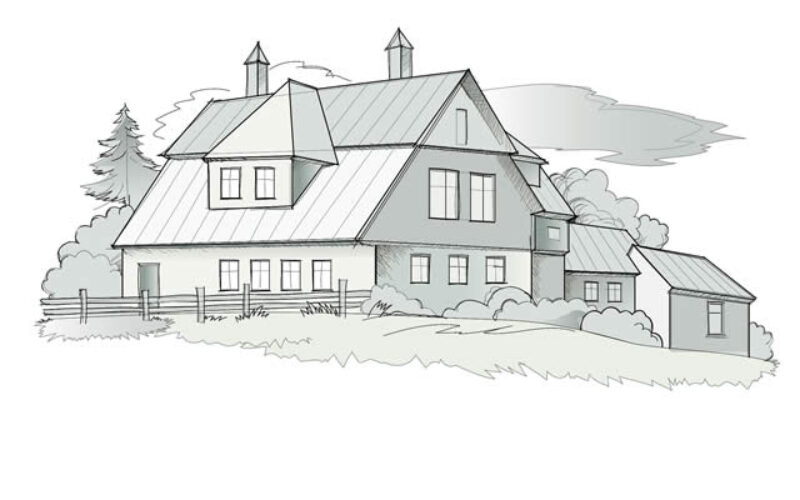
… and other home improvement needs


Download this PDF for a concise summary of all you need to know about …?




Budgeting Worksheet For Costing Home Remodeling and Home Improvement Decisions
 File Type (excel)
SHARE IT ..! Someone in your network might benefit from this insightful post on home upgrades designed for seniors. Feel free to share it on Facebook, X (formally Twitter), LinkedIn, or Pinterest!



Easily determine the dimensions you need for any home remodeling project …
… ensuring functionality, visual appeal, and compliance with building codes.

Are there any other interesting topics that might have been overlooked but could offer valuable insights …?



Calendar For:
Home Maintenance
File Type:
… view our illustration on “becoming a bank”

Find Home Remodeling Services Additions Major Remodels Minor Remodels Disability Needs Plumbing Drain Clearing Appliances Electrical top-rated, pre-screened local contractors FREE: download contractor selection enter zip code – powered by HomeAdvisor ™
Quick Contractor Guides selecting negotiating working with inspecting

Cover image credit: home upgrades for seniors by 123rf.com
end of post … please share it!
 |
did you find this home upgrades for seniors analysis helpful? If so, please share the article with your friends and family! |
Nice pic idea? Leave us a quick comment below.
And please share this pic idea within your social networks.