Summary Outline –
Trees are more than just a beautiful addition to your property; they’re an investment that can significantly increase your home’s value and curb appeal. However, like anything valuable, trees need proper care to thrive and enhance your outdoor space.
Whether you’re a homeowner, property manager, or avid garden enthusiast, knowing where to spend your resources on tree care is essential. So, here are five tree care investments that not only pay for themselves but also benefit your property within a year!
Now that is a good investment!
- post content … analysis/ 5 tree care investments
- 1st: Base Mulching to Improve Soil Health
- 2nd: Professional Pruning for Healthier, Stronger Trees
- 3rd: Strategic Fertilization for Maximum Growth
- 4th: Disease and Pest Management for Tree Preservation
- 5th: Stump Grinding for a Cleaner Landscape
- 6th: The Challenges of Caring for Large Trees
- conclusion
- other RRR topics

-
- —— begin first topic ——
-
1st Tree Care: Base Mulching to Improve Soil Health
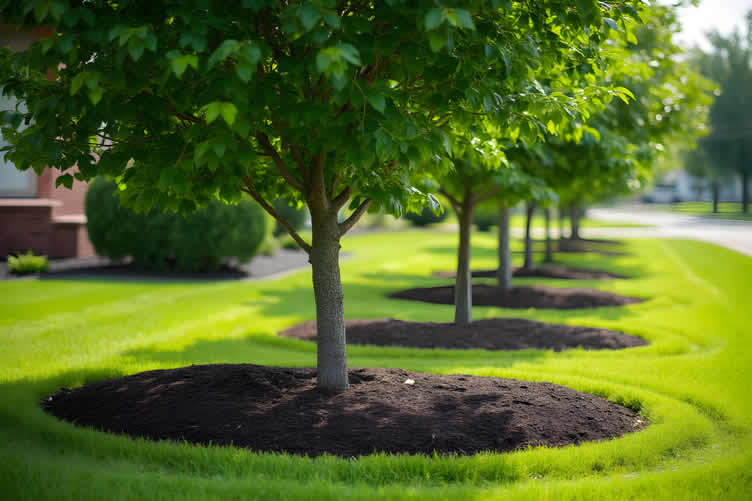
Adding mulch around the base of your trees is one of the simplest and most effective enhancements you can make. Mulch retains moisture, regulates soil temperature, and suppresses weeds—all of which contribute to healthier, stronger trees. Additionally, mulch improves your soil’s nutrient composition as it breaks down over time.
A well-mulched tree can grow faster and stronger, reducing the need for expensive fertilization or water usage. By enhancing your soil quality with mulching, you’ll begin to see a noticeable difference within months—making the investment worthwhile.
AI generated image by 123rf.com
-
Scroll up to directory … or scroll to next section of tree care investments …


—— view in more detail how to apply tree mulch ——
How to Properly Apply Base Mulching Around a Tree
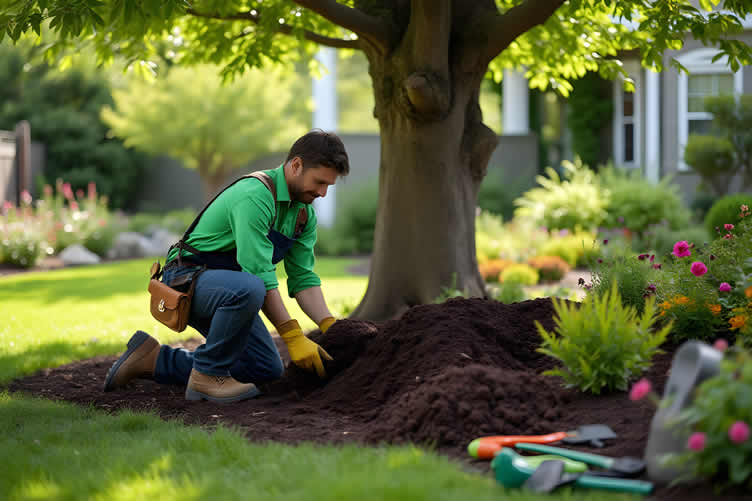
Base mulching around a tree is a critical practice that helps maintain soil moisture, regulate temperature, and prevent weed growth. Properly applied mulch also protects the tree’s roots and enhances the overall health of the tree.
Below, we provide a step-by-step guide on how to effectively apply mulch, the best types of mulch to use, and appropriate quantities for optimal results.
-
Steps for Applying Mulch Around a Tree
Applying mulch around a tree is not just about tossing material around the base; it requires proper technique to ensure the tree benefits fully from the practice.
By following the correct steps, you can create an environment that promotes healthy root systems, prevents damage from pests or lawn equipment, and optimizes the tree’s growth. The steps outlined below will guide you through the process of applying mulch effectively and efficiently.
-
Prepare the Area
Begin by clearing the space at the base of the tree. Remove any grass, weeds, or debris within a three-foot radius around the tree trunk. Be careful not to damage the roots or trunk during this process. Cleaning the area ensures mulch can directly benefit the soil and reduce competition for nutrients.
-
Create a Mulch-Free Zone Near the Trunk
Avoid placing mulch directly against the tree trunk, as excessive moisture near the bark can lead to rot, fungal diseases, or pest infestations. Leave a gap of 2-3 inches around the trunk to promote healthy air circulation.
-
Spread the Mulch Evenly
Distribute the mulch in a 2- to 4-inch thick layer over the cleared area, extending it out to the tree’s drip line if possible. Ensure that the mulch layer is even and that there are no clumped areas, which can impede water infiltration or airflow.
-
-
Types of Mulch to Consider
Choosing the right type of mulch is essential for maintaining the health and vitality of your trees. Different types of mulch offer varying benefits, such as improving soil quality, retaining moisture, and regulating soil temperature.
When selecting mulch, it’s important to consider the specific needs of your tree, as well as the characteristics of the mulch itself. Below are some of the most common types of mulch to consider and their advantages.
-
Organic Mulches
Organic mulches such as wood chips, bark, pine straw, and shredded leaves are excellent options. They decompose over time, enriching the soil with nutrients and improving its structure. For example, hardwood mulch and bark are popular choices for durability and aesthetic appeal.
-
Compost
Compost can also serve as mulch. It provides additional nutrients while retaining moisture, making it an environmentally friendly option.
-
Avoid Dyed or Synthetic Mulches
While visually appealing, dyed mulches may contain harmful chemicals, and synthetic mulches, like rubber, do not decompose, thereby not contributing to soil health.
-
-
How Much Mulch Is Needed
To calculate how much mulch you’ll need, use the rule of thumb that one cubic yard of mulch covers approximately 100 square feet at a depth of three inches.
Measure the radius of your mulching area and calculate coverage accordingly. Over-mulching, or creating a "volcano" shape, should always be avoided, as it can suffocate roots or lead to moisture issues.
-
Final Tips for Success
Applying mulch around a tree is an excellent way to promote healthy growth, retain soil moisture, and reduce weed competition. However, proper techniques and practices are crucial to ensure the mulch provides its full benefits without causing harm.
-
Reapply and Maintain Mulch Annually
Organic mulches break down over time, so it is important to replenish the layer as needed, typically once or twice a year.
-
Monitor the Tree’s Health
Regularly check the tree and mulch for signs of pests, diseases, or compacted areas. Address issues promptly to maintain the tree’s health and vitality.
Proper mulching is an essential practice that benefits trees significantly when done correctly. For additional guidance, refer to resources such as the USDA Forest Service or the International Society of Arboriculture (ISA). These organizations provide expert insights into tree care and maintenance practices.
-
Sources:
- "Tree Owner’s Manual" by the USDA Forest Service
- International Society of Arboriculture, www.treesaregood.org
AI generated image by 123rf.com
[ view diagram: tree mulch diagram ]
[ youtube: How to Properly Mulch Around a Tree ]

-
-
2nd Tree Care: Professional Pruning for Healthier, Stronger Trees
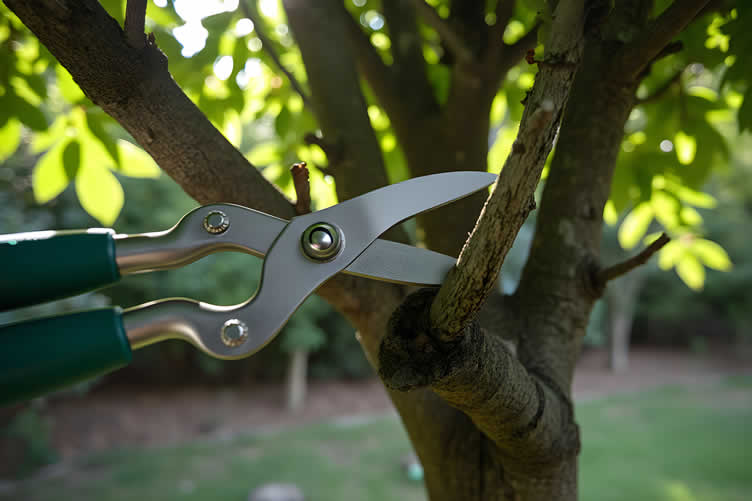
Investing in professional pruning ensures your trees stay healthy and structurally sound. Expertly pruned trees are less likely to suffer from disease, pest problems, or storm damage. By removing dead, weak, or crowded branches, a professional tree care service can promote air circulation, sunlight exposure, and overall growth.
Working with tree care experts, such as 770-Tree-Guy, will ensure that pruning is done correctly without compromising the health of your trees. Proper pruning not only boosts the immediate aesthetics of your property but also prevents costly damage caused by falling branches later on.
It can help extend the lifespan of your trees, making it a worthwhile investment for the long term.
AI generated image by 123rf.com
-
Scroll up to directory … or scroll to next section of tree care investments …
—— view in more detail about pruning a tree ——
How to Properly Prune a Tree
Pruning trees is a critical aspect of maintaining their health, structure, and aesthetic appeal. When performed correctly, pruning encourages robust growth, prevents disease, and minimizes potential hazards.
Below are detailed guidelines on how to prune a tree properly and the optimal time to perform this task.
-
Understanding the Basics of Tree Pruning
Tree pruning involves selectively removing specific branches to improve the tree’s structure, promote healthy growth, and eliminate dead or diseased limbs.
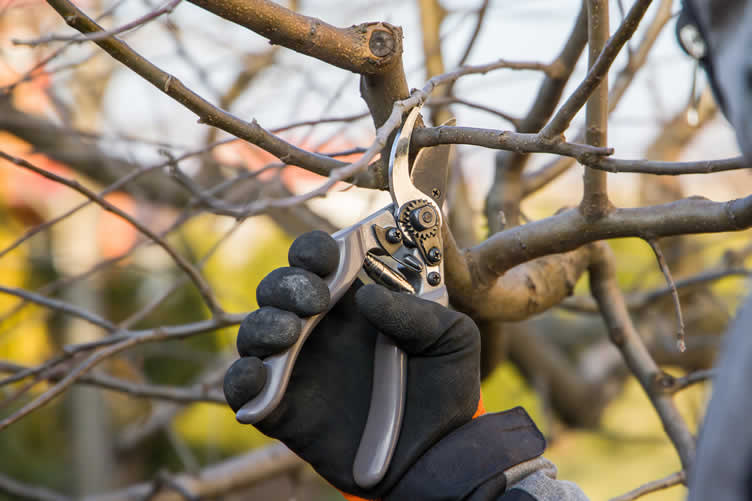
It’s essential to use sharp, clean tools such as pruners, loppers, or saws depending on the branch thickness to make precise cuts and avoid introducing pathogens.
When pruning, always follow the “three-cut method” to prevent bark tearing. Start with an undercut a few inches away from the trunk, followed by a top cut further out on the branch.
Finally, make the last cut at the branch collar, which is the swollen area where the branch meets the trunk.
-
Key Tips for Effective Pruning
Pruning is a vital practice for maintaining the health, shape, and overall growth of trees and shrubs. By understanding the proper techniques, gardeners can ensure that their plants thrive while reducing the risk of disease or damage.
Below are some key tips to help you prune more effectively and keep your plants in top condition.
- Avoid over-pruning, as removing more than 25% of a tree’s canopy at once can stress the tree.
- Prioritize removing dead, diseased, or damaged branches to enhance the tree’s vitality and safety.
- Maintain the tree’s natural shape by pruning selectively and strategically.
-
When Is the Best Time to Prune?
The timing of pruning plays a significant role in achieving optimal results. While pruning can be performed year-round in some cases, there are specific periods when pruning is generally more effective and less stressful for the tree.
-
Dormant Season Pruning
The best time to prune most trees is during the dormant season, typically late winter to early spring before new growth begins. At this stage, the tree’s energy reserves are concentrated in the roots, making it easier to heal wounds.
Additionally, bare branches during dormancy make it easier to identify damaged or crowded areas that need attention.
-
Avoid Pruning in Late Summer
Late summer pruning can stimulate new growth that may not harden before winter, leaving new shoots vulnerable to cold damage. However, minor corrections or the removal of deadwood can still be done during this period.
-
Species-Specific Timing
Some species, such as flowering or fruit trees, benefit from pruning immediately after their blooming period. Always research your tree species to ensure pruning aligns with its specific growth cycle.
-
-
Professional Guidance for Pruning
If you are unsure about how or when to prune, consulting a certified arborist is highly recommended. Arborists have the expertise to assess a tree’s specific needs and ensure pruning is done safely and correctly.
They can also advise on the best timing for pruning based on your location and tree species.
-
Proper Equipment and Techniques
Arborists are trained in using specialized equipment, such as pole saws and climbing gear, to safely reach and prune trees of different heights. They also have a thorough understanding of pruning techniques to promote healthy growth while minimizing damage.
-
Avoid Damage or Injury
Pruning can be dangerous, especially when dealing with large or tall trees. Hiring a professional arborist ensures that the job is done without causing harm to yourself or others, as well as avoiding potential property damage.
-
Sources:
- International Society of Arboriculture, www.treesaregood
- "Pruning Trees" by the USDA Forest Service
- "Tree Owner’s Manual" by the USDA Forest Service
- International Society of Arboriculture, www.treesaregood.org
copyright image by 123rf.com
[ view diagram: tree pruning diagram ]
[ youtube: How to Prune Trees ]
-
-
3rd Tree Care: Strategic Fertilization for Maximum Growth
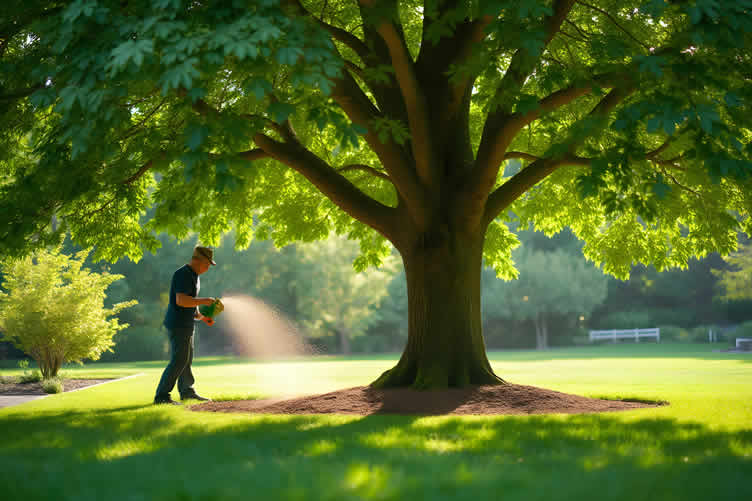
Healthy trees start with good nutrition. Fertilization tailored to the needs of your specific tree species replenishes essential nutrients that may be lacking in your soil. Proper fertilization helps trees recover from stress, grow faster, and develop stronger roots.
The key is to avoid over-fertilizing, which can harm the tree and surrounding plants. Working with an experienced arborist to analyze your soil’s needs ensures that your trees get exactly what they require to thrive.
Strong, healthy trees enhance your property’s appeal, making fertilization an investment that quickly boosts value.

copyright image by 123rf.com
-
Scroll up to directory … or scroll to next section of tree care investments …
—— view in more detail tree fertilizing tips ——
How-to Fertilize for Healthier Tree Growth
Proper fertilization is essential for maintaining the health and vitality of your trees. Knowing when, how often, and how to fertilize can make a significant difference in ensuring optimal growth and preventing nutrient deficiencies.
The following guide provides detailed insights to help you make informed decisions about tree fertilization.
-
When to Fertilize
The timing of fertilization is crucial for maximizing its benefits. For most trees, the best time to fertilize is during their active growth periods, typically in early spring or late fall when the root systems can readily absorb nutrients.
Fertilizing during these periods encourages strong root development and prepares the tree for seasonal changes. Avoid fertilizing during mid-summer or extreme drought conditions, as trees may be stressed and unable to utilize the nutrients effectively.
-
How Often to Fertilize
The frequency of fertilization depends on the tree species, soil quality, and environmental conditions. For most urban and landscape trees, fertilizing once a year is sufficient. However, younger or rapidly growing trees may benefit from semi-annual fertilization to ensure they receive enough nutrients.
Soil testing is a valuable resource in determining whether additional fertilization is necessary. Over-fertilizing can harm the tree, so always tailor the frequency to the tree’s specific requirements.
-
How to Fertilize
Fertilizing a tree correctly involves understanding its root structure and applying the fertilizer effectively. For most trees, nutrients should be applied to the soil at the tree’s drip line, which is the area directly beneath the outermost branches.
Avoid concentrating fertilizer near the trunk. Using a broadcast spreader or performing deep root fertilization can ensure nutrients reach the right depth where roots are most active.
Follow manufacturer instructions to avoid over-application, which can damage the tree and surrounding soil ecosystem.
-
Best Products to Use to Fertilize
Choosing the appropriate fertilizer ensures your trees receive essential nutrients like nitrogen (N), phosphorus (P), and potassium (K). Slow-release fertilizers are recommended for trees as they provide a steady supply of nutrients over time.
Organic options, such as composted manure or biochar, are excellent for improving soil health while supplying nutrients.
If you choose synthetic blends, select fertilizers with a balanced ratio, such as 10-10-10 or one tailored to your tree species. Look for products certified by reputable organizations like the USDA or OMRI (Organic Materials Review Institute) for safe and effective results.
-
Other Considerations in Tree Fertilization
Before fertilizing, it’s essential to identify any underlying issues that may impact overall tree health. For example, compacted soil or poor drainage may limit nutrient uptake, rendering fertilization less effective. Conduct regular soil tests to monitor nutrient levels, pH balance, and other critical factors.
Additionally, consulting a certified arborist can provide invaluable guidance tailored to your trees and regional conditions. Proper mulching around the base of the tree can also enhance fertilization efforts by improving soil retention and protecting roots.
Sources:
- International Society of Arboriculture, www.treesaregood.org
- "Tree and Shrub Fertilization Guidelines" by the USDA Forest Service
- Morton Arboretum, www.mortonarb.org
- University Cooperative Extension Services, soil testing information
copyright image by 123rf.com
[ view diagram: tree fertilization diagram ]
[ youtube: Which Fertilizer is Right for Your Tree? ]
-
-
4th Tree Care: Disease and Pest Management
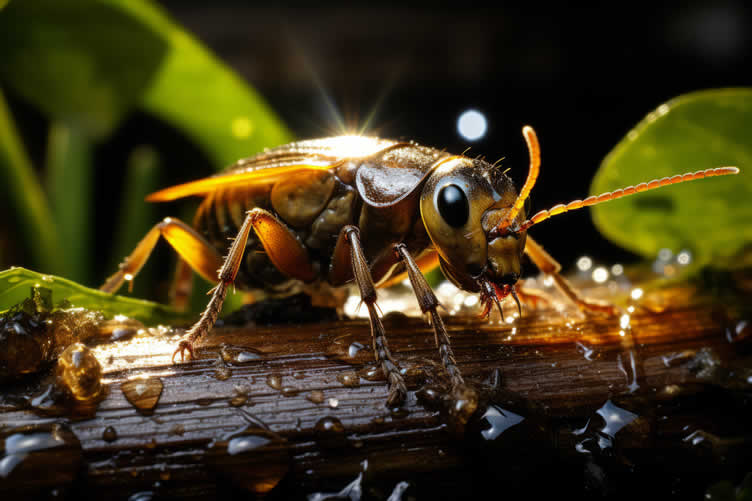
Pests can weaken or even kill your trees if left unchecked. Investing in pest control solutions provides a strong line of defense against insects such as borers, aphids, and caterpillars. By addressing infestations early, professional tree care services can prevent costly damage and ensure that your trees continue to thrive.
Using environmentally friendly treatments not only protects your trees but also helps preserve the surrounding ecosystem. A pest-free environment will show noticeable improvements in the health and vitality of your trees within a year.
AI generated image by 123rf.com
-
Scroll up to directory … or scroll to next section of tree care investments …
—— view in more detail pest and disease prevention ——
Preventing Tree Disease and Pests
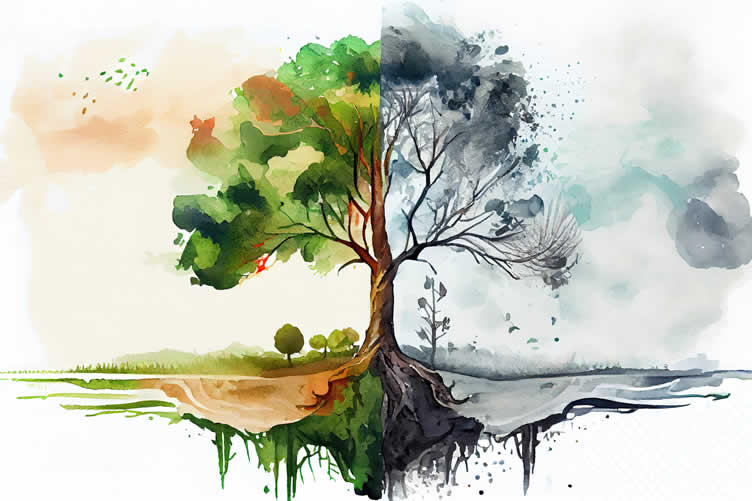
Pro-actively managing tree health includes preventing diseases and pest infestations before they become significant problems. By understanding the risks and maintaining an informed approach, tree owners can help ensure healthy, robust trees that thrive in their environment.
Below are key areas of consideration:
-
Types of Diseases to Look Out For
Some of the most common tree diseases include fungal infections like anthracnose, powdery mildew, and root rot. Bacterial diseases, such as fire blight, can also devastate certain species like fruit trees.
Viral pathogens, while less common, can lead to deformative growth and weakened structural integrity. Early warning signs of disease may include discolored leaves, premature leaf drop, cankers, or slowed growth.
Regular inspection and prompt action can prevent diseases from spreading to other trees or becoming unmanageable. According to the University of California Agriculture and Natural Resources (UC ANR), choosing disease-resistant tree species for your area is one of the best preventative strategies.
-
Types of Pests to Look Out For
Tree pests vary depending on location but commonly include bark beetles, borers, mites, aphids, and scale insects. Larger pests, such as caterpillars or gypsy moths, can also cause significant leaf damage. Certain pests, like emerald ash borers or Asian longhorned beetles, are invasive species that pose severe threats to native ecosystems.
It’s crucial to recognize signs of pest infestations, such as small exit holes in bark, frass (sawdust-like material), sticky residue on leaves (honeydew), or the presence of defoliation. Many cooperative extension services provide region-specific pest control recommendations to help manage and mitigate infestations.
-
Types of Disease and Pest Products to Use
Integrated pest management (IPM) principles emphasize using targeted, safe, and environmentally friendly solutions. For fungal or bacterial diseases, fungicides and bactericides approved by the USDA or OMRI for organic use can be applied.
Pesticides, insecticidal soaps, and horticultural oils are effective for controlling pests when applied correctly and at the proper life cycle stage of the pest. Biocontrols, such as beneficial insects (e.g., ladybugs for aphids or parasitic wasps for whiteflies), offer a natural alternative for pest management.
Always select disease and pest control products that comply with state and federal guidelines, and consult product labels for information on tree species compatibility.
-
How to Apply Disease and Pest Control Systems
Proper application is critical for the effectiveness of disease and pest control. For foliar sprays, ensure thorough coverage of all leaves, including undersides, where pests or pathogens often reside.
Trunk injections or systemic soil drenches are ideal for pests or diseases that target the vascular system. Timing is equally important—applications should align with pest life cycles or disease outbreaks, as per the manufacturer’s recommendations.
Safety precautions, such as wearing protective gear and avoiding applications during windy or rainy weather, can also increase precision and protect the environment. The Environmental Protection Agency (EPA) provides detailed usage restrictions and safety tips for pesticide application.
-
Other Strategies for Disease and Pest Prevention
A proactive approach to tree care includes adopting cultural practices that prevent diseases and pests from taking hold. Start by planting tree species well-suited to your region’s climate, soil, and ecological conditions.
Maintain tree vigor through regular pruning, adequate watering, and proper fertilization. Sanitize pruning tools to prevent disease spread, and remove dead or infected branches promptly. At the same time, mulching around the tree base helps retain soil moisture and temperature, which can deter some pests.
Professional inspections by certified arborists, particularly for high-value or mature trees, can identify problems early and recommend customized prevention plans.
Sources:
- University of California Agriculture and Natural Resources, www.ucanr.edu
- USDA Forest Service, "How to Identify and Manage Tree Pests and Diseases"
- Environmental Protection Agency, www.epa.gov
- International Society of Arboriculture (ISA), www.treesaregood.org
- Morton Arboretum, www.mortonarb.org
copyright image by 123rf.com
[ view diagram: type tree disease chart ]
[ view diagram: type tree pest chart ]
-
-
5th Tree Care: Stump Grinding for a Cleaner Landscape
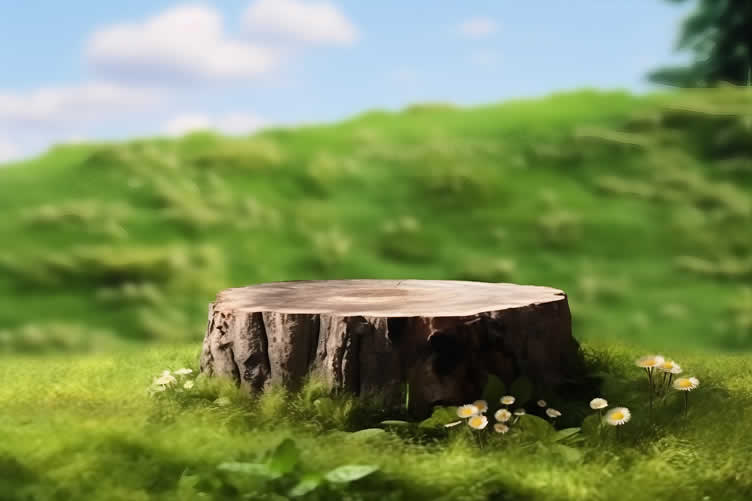
Lingering stumps from previously removed trees can make your yard look untidy and create unnecessary hazards. Stump grinding is an effective way to eliminate these eyesores while recovering usable space in your yard.
Beyond aesthetics, removing stumps prevents issues like regrowth, pest infestations, and damage to lawn equipment. By investing in stump grinding, your property becomes safer, more functional, and visually appealing. This immediate upgrade can boost property value, making it a worthwhile investment.
Proper tree care is an investment in the health, safety, and beauty of your property. From professional pruning to pest control, these investments can pay off in less than a year by enhancing your landscape, preventing costly problems, and increasing your property’s value.
Don’t hesitate to consult with tree care experts to determine the best investments for your specific trees and property. So, make the right choices today and reap the benefits of healthy, beautiful trees for years to come!
copyright image by 123rf.com
-
Scroll up to directory … or scroll to next section of tree care investments …
—— view in more detail about stump grinding ——
The Need for Stump Grinding
Tree stumps left in your yard after tree removal can become problematic for several reasons. Removing these stumps not only enhances the aesthetic appeal of your landscape but also prevents potential safety hazards, improves lawn health, and creates more usable outdoor space.
Stump grinding is one of the most effective methods to deal with these remnants while respecting ecological balance.
-
Why Remove Tree Stumps?
Leaving a tree stump behind after tree removal can lead to several challenges. Stumps provide an attractive environment for pests such as termites, ants, and beetles, which may spread to healthy trees or even your home.
They also pose trip hazards, especially for children and visitors unfamiliar with your yard layout. Furthermore, as stumps decay, they can foster fungal growth, which might spread to nearby plants. Stump removal promotes a cleaner, healthier, and safer yard by mitigating these risks.
-
How Best to Remove Tree Stumps
There are several methods to remove tree stumps, with stump grinding being one of the most efficient and practical techniques. Stump grinding involves using a specialized machine to grind the stump into small wood chips, reducing it below the soil surface.
This method is less invasive compared to full stump removal, which involves uprooting the stump and its roots, leaving a large hole in the yard.
Professional stump grinding services have the expertise and equipment required to tackle stumps of all sizes, ensuring minimal disruption to your landscape. It’s crucial to hire qualified arborists or tree care specialists who follow industry best practices to ensure safe and efficient stump removal.
Safety gear, proper machinery operation, and consideration for surrounding structures all play a role in achieving optimal results.
-
Other Considerations When Addressing Tree Stumps
Beyond aesthetics and safety, removing tree stumps can also make your landscape more functional. Stump grinding allows for the replanting of trees or the creation of more lawn space. Additionally, consider the environmental benefits—wood chips from grinding can be recycled as mulch for gardens, adding nutrients back into the soil.
For environmentally-conscious homeowners, chemical stump removal might seem appealing; however, it involves the use of substances that could leach into the soil and water table, posing potential environmental risks.
Manual methods, such as digging stumps out, can be labor-intensive and may not be a practical option for larger stumps. This makes stump grinding a balanced approach for both convenience and environmental sustainability.
Sources:
- International Society of Arboriculture, “Stumps and Why You Should Remove Them,” www.treesaregood.org
- USDA Forest Service, "Tree Cutting and Stump Grinding Guidelines," www.fs.usda.gov
- University of Florida, Institute of Food and Agricultural Sciences, "Tree Removal and Aftercare," www.ifas.ufl.edu
- Camden County Extension Office, “Managing Tree Hazards,” www.caes.uga.edu
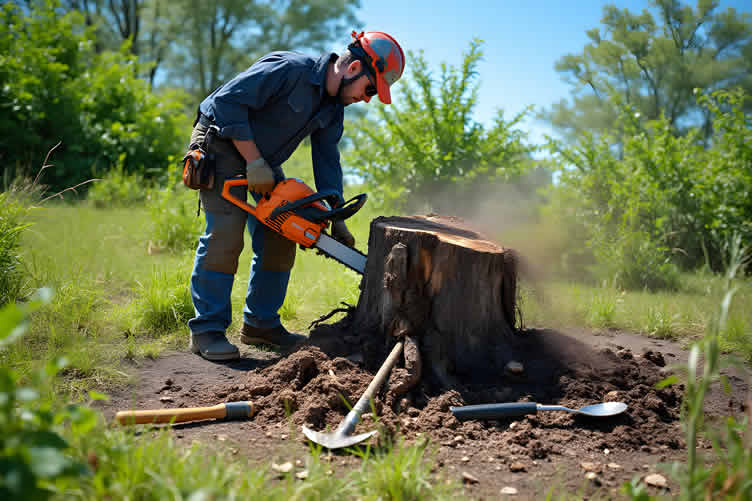
AI generated image by 123rf.com
[ view diagram: tree stump grinding diagram ]
[ youtube: How To Remove A Tree Stump ]
-
-
6th Tree Care: The Challenges of Caring for Large Trees
Taking care of trees, particularly larger specimens, presents a unique set of challenges for homeowners and property managers. Large trees often require regular pruning to maintain their structural integrity and manage overgrowth, which can lead to potential hazards like falling branches or interference with power lines.
Additionally, they are more susceptible to diseases and pests that can spread quickly if not diagnosed and treated promptly. The sheer size and weight of mature trees make routine maintenance a dangerous and specialized task that often requires professional-grade tools and expertise to perform safely.
For these reasons, hiring a professional tree contractor can be essential. Tree contractors are equipped with the knowledge, tools, and safety training necessary to handle complex tasks such as pruning, treatment, cabling, or even full tree removal.
They can assess tree health, recommend appropriate care plans, and ensure that all work complies with local regulations. Professional contractors also have insurance to cover potential risks associated with tree care, providing peace of mind to homeowners.
When searching for a reputable tree contractor, it is best to start with local directories or community recommendations. Websites like the International Society of Arboriculture (www.treesaregood.org) offer searchable databases of certified arborists by location, ensuring you find highly qualified professionals.
Additionally, checking online reviews, requesting references, and verifying licenses and certifications can help in selecting the right contractor for your needs. Local Cooperative Extension offices or municipal services often provide resources and referrals for reliable tree care professionals in your area.
LetsRenovate has partnered with HomeAdvisor™, a renowned provider of highly-rated, carefully-vetted tree contractors. Start your search here by entering your zip code to find local professionals.

copyright image by 123rf.com
But Wait!
Before starting your search and evaluation of tree service contractors, it is highly recommended to download and use this evaluation worksheet.
This resource will help you objectively rank and assess potential contractors, considering essential factors such as pricing, licensing, and referral information.

Evaluation Sheet
File Type:
-
Conclusion
Proper tree care is an investment in the health, safety, and beauty of your property. From professional pruning to pest control, these investments can pay off in less than a year by enhancing your landscape, preventing costly problems, and increasing your property’s value.
Don’t hesitate to consult with tree care experts to determine the best investments for your specific trees and property. So, make the right choices today and reap the benefits of healthy, beautiful trees for years to come!
-
Quick scroll to more interior home and decor ideas …
-
ideas to view and compare from the photo above
- What comments can you share about
the caring of trees in your yard?
… remodeling decisions


addressing tree care investments and other home improvement needs …

… grab this directory of ideas for future use



Budgeting Worksheet For Costing Home Remodeling and Home Improvement Decisions
 File Type (excel)
SHARE IT ..! You might have someone in your social network who could find this informative post about the 5 tree care investments that pay for themselves valuable. Feel free to share it on Facebook, X (formally Twitter), LinkedIn, or Pinterest!


Calendar For:
Home Maintenance
File Type:
… view illustration “becoming a bank”
… view our sharing links below for a quick "share the knowledge"
Find Yard Maintenance Services Lawn Maintenance Sprinkler Systems Pest Control Tree & Shrubs top-rated, pre-screened local contractors FREE: download contractor selection enter zip code – powered by HomeAdvisor ™
Quick Contractor Guides selecting negotiating working with inspecting

Cover image credit: tree care by 123rf.com
end of post … please share it!
 |
did you find these tree care investment analysis helpful? If so, please share the article with your friends and family! |
Nice pic idea? Leave us a quick comment below.
And please share this pic idea within your social networks.