first “tips for designing your off-grid home” idea

copyright image by envato.com
What Does It Mean To Live Off The Grid?
Notes:
Living off the grid means your home is not physically connected to utilities by pipes, cables, or wires. You get access to tech that produces a renewable resource via a solar panel, battery, and mini hydro-power station.
Some homeowners with off-the-grid homes even grow their food by having vegetable gardens and keeping a few animals like cows and chickens for milk and eggs.
So, when designing your off-grid home, thoroughly research what is available to you. Set a budget before designing your home, and consult professionals.
To design an efficient off-the-grid home, follow these tips:
-
- —— begin first topic ——
-
1st:Make Sure You Have The Capacity For Energy Storage:
Check that you can store the energy resources for use later. There are products on the market that you can use to store energy or resources until you are ready to use them.
- For example, many energy storage options can be battery-powered with solar energy. The same applies to water tanks that store rainwater until it is ready to be used.
-

copyright image by tesla.com
- When designing your off-the-grid home, make sure there’s enough space on the land for the water tanks and battery storage options for your solar, wind, and other energy-producing power.
-
Quik scroll to topic side notes …
-
Why You Need Battery Storage:
To utilize the full effect of solar panels and other energy producing sources, you will need a solar battery bank for storing generated power. That way, you can enjoy electricity when the sun goes down or doesn’t shine.
But solar batteries have other uses as well. View this post about the use and benefits of solar batteries:
view post: (new win) Should Homeowners Install a Solar Battery? -
Collecting and Storing Water:
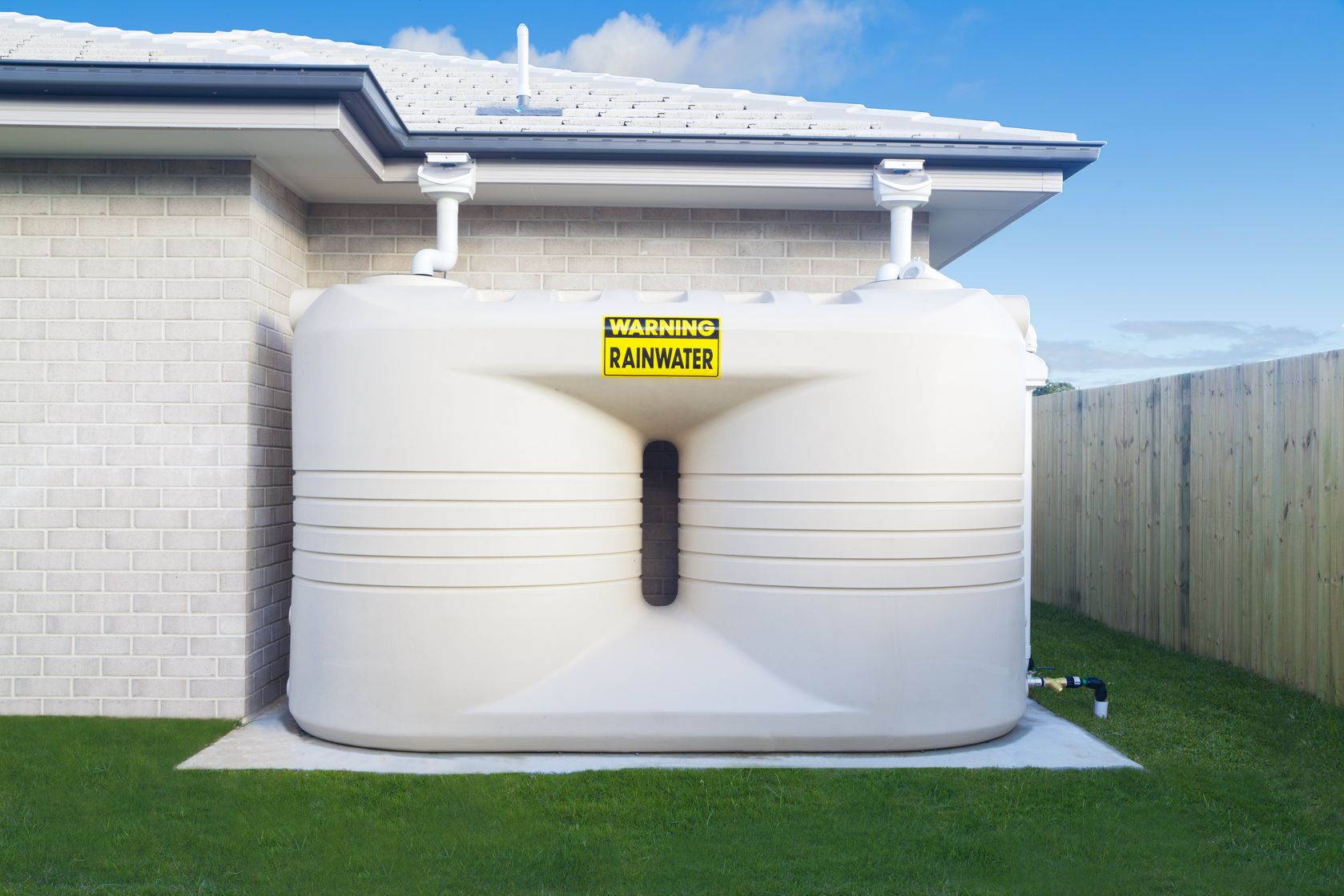
Rain harvesting, what is it? Simply what it implies; it is the harvest of rain water for later use.
These are valuable systems to have in dry environments where rain water is scarce and for homes that want to live off grid.
copyright image by 123rf.com
Rain harvesting systems include underground aqueducts, rain collection tanks, and rain barrels.
The rain harvest is then used for consumption and/or watering garden and plants. You will need a full-home purification system for in-home consumption of stored rain water.
view post: (new win) 5 Advantages of Rainwater Harvesting amazon off grid: Reference Books– living off-the-grid view books – off-the-grid solar energy view books – harvesting rainwater view books – micro hydro-power view books - —— next topic ——
-
2nd:Look At Other Options Besides Solar Power:
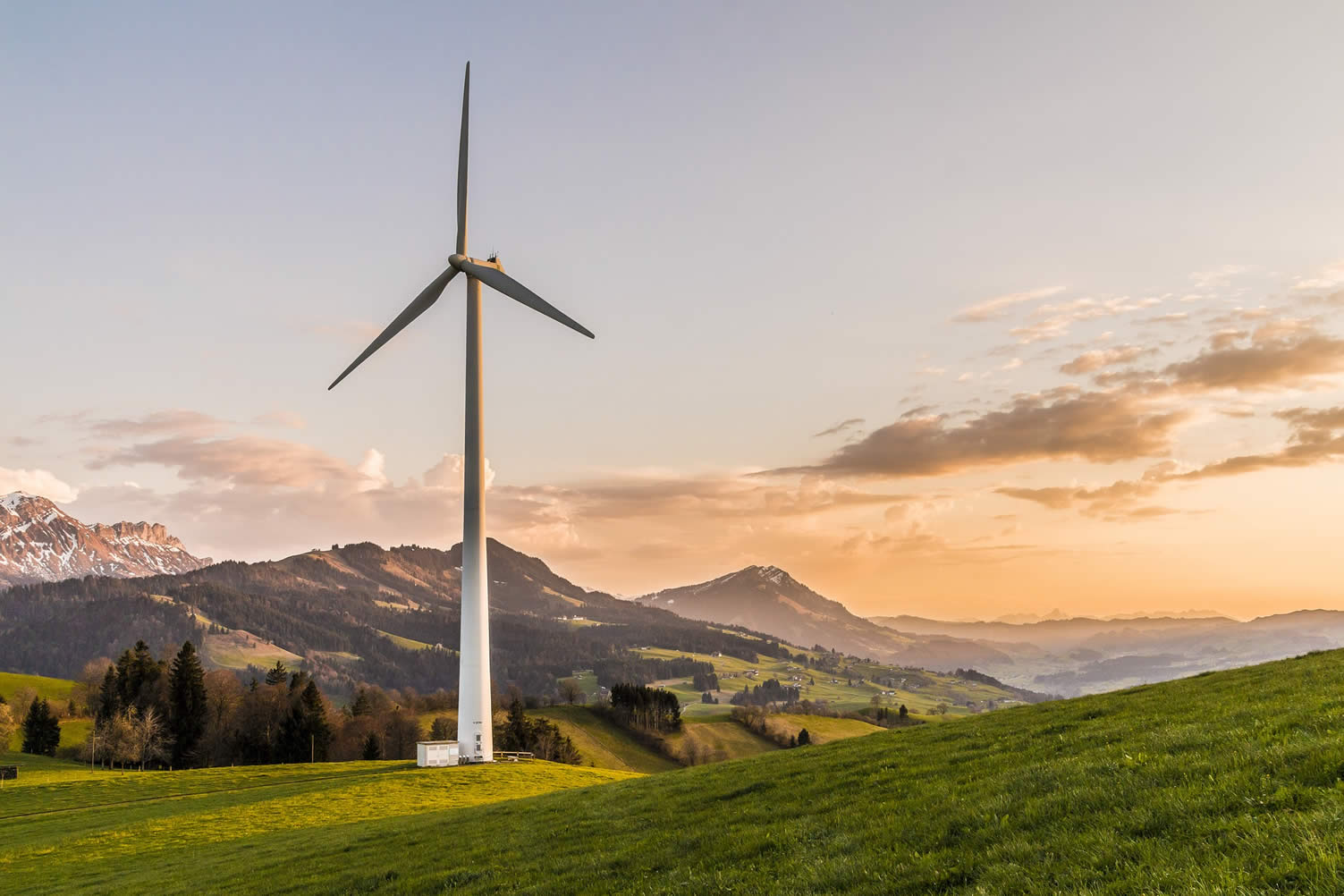
There are many different types of natural power resources despite solar energy. For example, you can consider installing wind turbines to provide alternative energy.
- This is great for properties that are situated in rural areas. Coupling the wind turbines with your solar panels will ensure that your home always has access to power. If you are designing a home near a water source like a river or lake, you can also consider Micro-hydropower.
-
copyright image by pixabay.com
- Micro-hydropower creates energy from water flowing, so it can bring more power to your home. If you are considering Micro-hydropower while designing your off-the-grid home, assign some land on your property to build a mini hydro-power station.
-
Quik scroll to topic side notes …
-
Solar Is Your Best Energy Source:
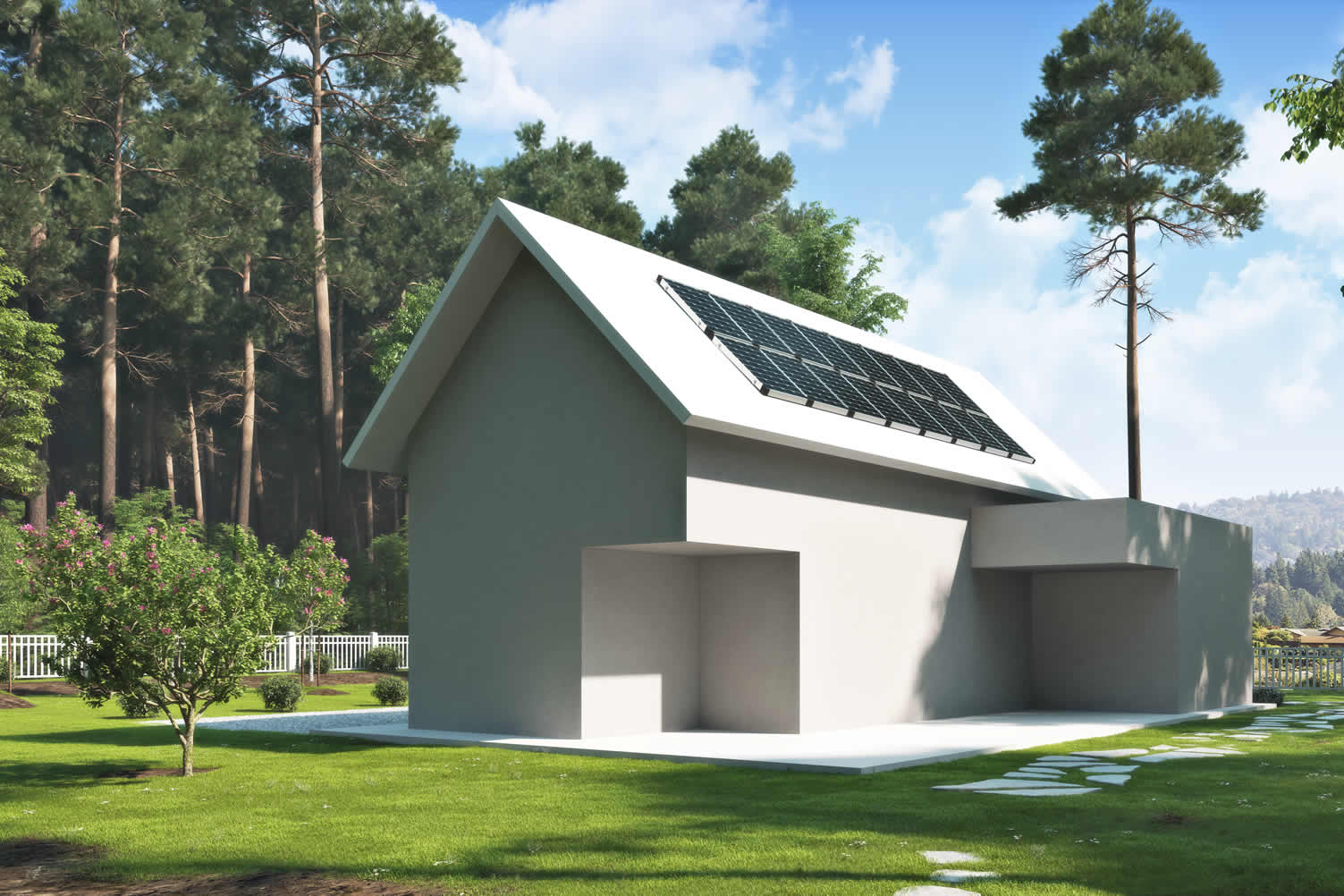
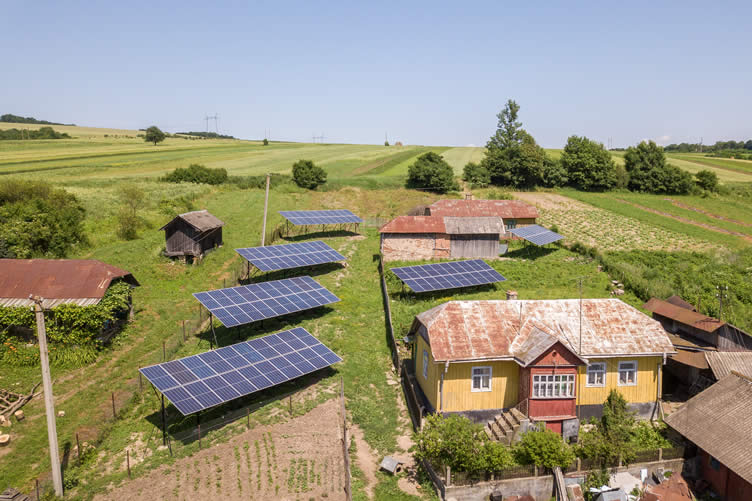
Solar is the easiest and best way to become energy independent for off-the-grid homes. Install solar panels on your roof and/or in an open field area, preferably facing south so that you can take advantage of the sun’s rays.
When the sun warms the panels, the molecules inside vibrate, creating heat and movement, which can be converted into electricity. Afterward, the electricity can be directed into your home and or stored for later consumption.
copyright image by envato.com
You need to calculate how many solar panels you’ll need for the home and emergency consumption; this calculation will determine the bank of batteries to store power. Additionally, a transformer is needed to convert the DC generated by the panels into AC needed by your appliances.
Lastly, a smart system is needed to ensure excess electricity is stored for later use, while directing the electricity where it is needed. You can become completely off-grid and electrically independent by being careful with your energy consumption and use.
view post: (new win) Converting Your Home to Solar Power On A Budget -
Other Alternative Energy Sources:
Other energy-generating sources include wind turbines, hydro power, geothermal power, and possibly one utility connection or tank supply of natural gas or propane for cooking and warming.
You need to consider alternative energy sources in the event that the sun doesn’t shine, the wind doesn’t blow, the water doesn’t flow. or any disruption of power producing sources.
Storing energy using batteries, tanks, and other will keep the power on in the event you experience the disruption of power producing mechanisms.
copyright image by envato.com
For example, let’s imagine a severe winter storm comes into the area, blocking the sun and freezing the wind turbines. It’s cold!; the home needs to be heated; and amount of electricity stored in the battery is good for 1-2 days.
What emergency plan do have in the event of a power outage?
- gas-powered whole-house generator
- large fireplace and/or wood stove that burns wood
- easy-attached insulations blankets for doors and windows
- fully charged LED task and flashlights
- emergency food that doesn’t need heating
These are some of the options that might be incorporated in your off grid home for power-outages and emergency.
view post: (new win) 5 Ways to Access Renewable and Affordable Energy Geothermal Power
– geothermal energy for homes view pics – home geothermal components view pics – geothermal installation costs view pics – need to know about geothermal view info – about geothermal heat pumps view info – geothermal pricing guide view info – how geothermal energy works youtube – debunking 3 geothermal myths youtube – how install geothermal system youtube Hydro-Power
– home micro hydro-power view pics – home micro-power diagram view pics – about micro-hydro systems view info – hydro-power for off-the-grid view info – how to build micro-hydro view info – micro-hydro with power generator youtube – free energy from a stream youtube – building dam for hydro-power youtube - —— next topic ——
-
3rd:Use Local Installers:
Some homeowners would think designing an off-the-grid home should be a complete DIY project. However, this is not the case, as it’s advisable to contact local installers to help build your perfect off-the-grid home.
- Many companies can install solar panels into your home or build a mini-hydropower station on your property.
-

copyright image by envato.com
- By consulting professionals, you ensure that there are no mistakes in the installation process.
Professionals can guarantee that all your power-producing tech is the correct size for your property and can optimize their placement on the property. - With their help during the design process, your home will be optimized for living off the grid.
-
Quik scroll to topic side notes …
-
Finding The Right Professional:
Referrals are some of the best sources for finding the right person for the job at the right price. But if you don’t have any referrals who can provice off-the-grid services, your next best option is using the services of online portals that track and collect referrals from prior customers.
Use the following resources for finding, selecting and working with the professional you need:
- —— next topic ——
-
4th:Consider Incorporating LED As A Lighting Option:
LEDs are a great option for off-the-grid homes. They are affordable and come in many designs like motion sensing for security reasons.
- These lights also have a long lifespan, so you don’t have to replace them constantly. This saves you money, and they save energy. So, consider them when designing your home.
-

copyright image by envato.com
- In addition, LED lights can operate at low energy, which can benefit you if you design your off-the-grid home in an area that occasionally gets flooded. This protects occupants from any voltage accidents that can happen due to the excess water.
-
Quik scroll to topic side notes …
-
LEDs Are Energy Efficient and Decorative:
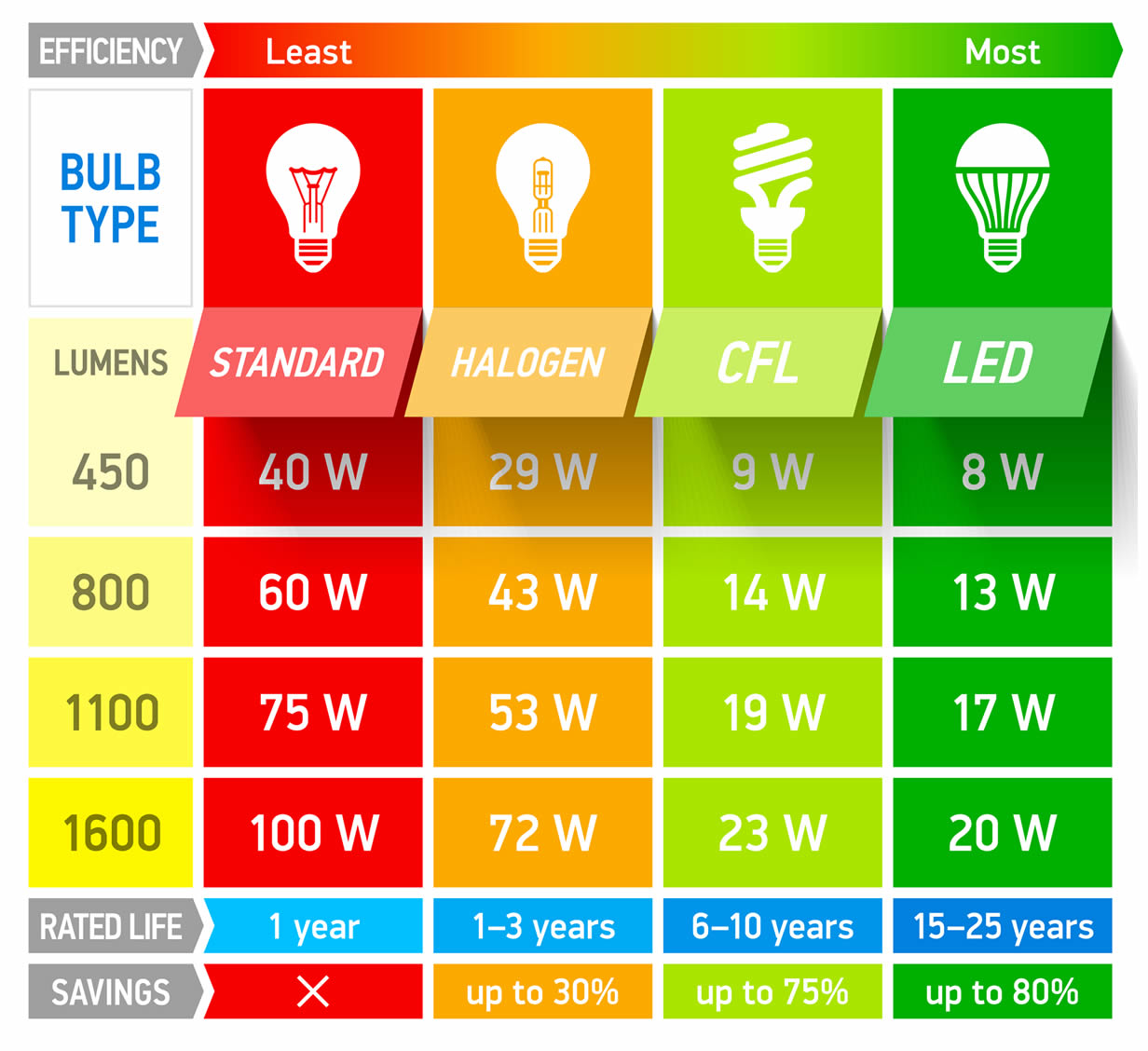
The evolution of lighting began with the incandescent bulb. It was developed in the early 1900’s and became the standard of lighting for the past 100 years. Unfortunately though, incandescent lighting take a lot of energy to operate one bulb.
With the events of WWII and the energy crises of the mid-1970’s, the fluorescent tube and compact fluorescent lighting (CFL) became a popular lighting source to reduce energy use.
copyright image by 123rf.com
Today, LEDs (or light-emitting diodes) are the fastest-developing lighting technology. LEDs are energy-efficient – using approximately 75% less energy with equivalent illumination than incandescent lighting.
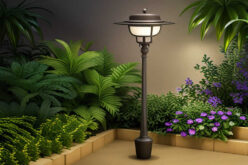
There are LEDs in all shapes and sizes that allow us to enjoy the incandescent style that we are familiar with.
- —— next topic ——
-
5th:Get Energy Efficient Appliances:
Consider getting energy-efficient appliances that won’t deplete your natural resources when designing your home. Standard appliances may deplete your battery and leave you in the dark.
-

copyright image by envato.com
- Luckily, there are appliances on the market that are perfect for off-the-grid homes. These appliances are well insulated and energy efficient, so you have more power to work with.
- Browse your local home supply store and inquire about their latest energy-efficient appliances.
-
Quik scroll to topic side notes …
-
What’s Available In Smart Appliances:
Current appliances are built for energy efficiency to reduce electricity, water, heat and other utility-like needs. That’s important when living off grid.
So when looking for appliances, make sure they come with the Energy Star label. To earn the Energy Star Certificate, appliance makers must meet strict energy efficiency criteria set by the US Environmental Protection Agency or the US Department of Energy.
copyright image by enerystar.gov
Along with the energy star certificate, look for appliances that are being designed with smart technology. You want to make your off grid home a future home where controls can be made with the touch of your phone or pad.
Some smart appliances to consider:
google images: Smart Kitchen AppliancesSmart Refrigerator view ideas Smart Oven Range view ideas Smart Wall Ovens view ideas Smart Stove Tops view ideas Smart Dishwasher view ideas Smart Microwaves view ideas Smart Range Hood view ideas Smart Other AppliancesSmart Washer/Dryer view ideas Smart Thermostat view ideas Smart Vacuums view ideas Smart Mattresses view ideas Smart Speakers view ideas Smart Mirrors view ideas Smart Television view ideas - —— next topic ——
-
6th:Get Water Heating Options For Your Home:
Once you have allocated space for your water tank, think about some water heating options to access hot water. Many water heater products on the market can heat water for bathing and showering.
-

copyright image by envato.com
- The different water tanks available to you can be a conventional water heater, a heat pump water heater, a solar water heater, a condensing water heater, or a tankless water heater. Talk to a professional about your best options.
-
Quik scroll to topic side notes …
-
Water Heating Sources for Off Grid:
You have four water heating sources off grid living:
- Electric Heating:
derived from electricity generated from solar panels, wind turbines, and hydro. A standard water heating tank or a heat pump water heater would work best. - Solar Water Heater:
this is where you have dedicated solar panels that heats water. You could use a tankless water heater or conventional storage tank. However, if the sun doesn’t shine, the water doesn’t get heated. - Propane Gas:
you can maintain a large propane tank on the outside that can be used to heat a tankless water heater and possibly other appliances where gas can be used. - Thermal:
a more reliable system would be geothermal heating. You would heat water using a larger heat pump working with a geothermal system that is used to heat and cool the entire home.

copyright image by envato.com
You may need a combination of water heating options to ensure that hot water is available when needed. Perhaps a standard or heat pump water heater that uses solar to heat the water and a propane gas system for backup use.
Again, discuss these options with a professional.
- Electric Heating:
-
CONCLUSION
By following these tips, you’ll be able to design a tremendous off-the-grid home and save money. You’ll be living an energy-efficient life that is sustainable.
- If you live in a place that usually experiences regular power cuts or flooding, your home will remain secure, and you can rest assured that all the members of your household are safe and have access to power.
-
Quik scroll to green home ideas …

-
ideas to view and compare from the photo above
off-grid toolsoff-grid living (books)off-grid living supplies
- What comments can you share about
your tips for designing your off-grid home?

about green energy


eco-home and living


and mudrooms


your off-the-grid home

off-the-grid home

Find Plumbing Services Plumbing Issues Drain Clearing Septic/Sewers Water Heaters Pumps Water Softening top-rated, pre-screened local contractors FREE: download contractor selection enter zip code – powered by HomeAdvisor ™
Quick Contractor Guides selecting negotiating working with inspecting

Cover image credit: tips for designing your off-grid home by envato.com
end of post … please share it!
 links open new win
or simply search by entering home security item or other remodeling need

Nice pic idea? Leave us a quick comment below.
And please share this pic idea within your social networks.