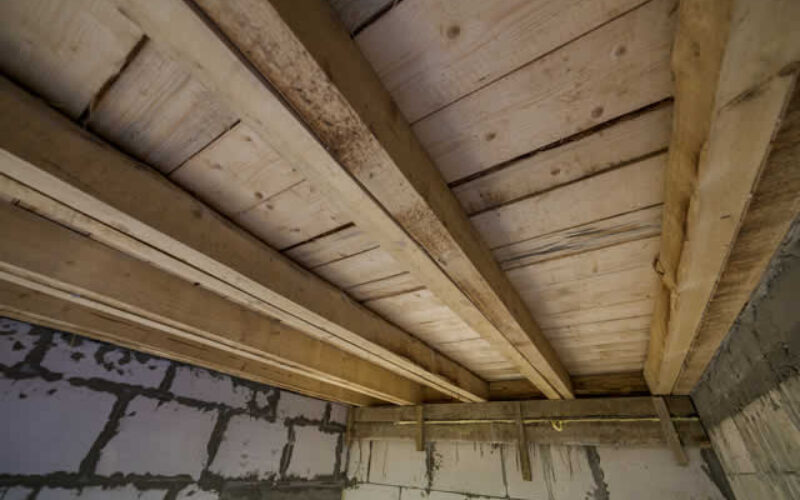
Learning to identify warning signs of moisture problems can save thousands of dollars in repairs and protect your home’s foundation. Below are seven critical indicators that your crawl space may be dealing with excess moisture.
[ if double needed ]
- post content
- 1. Visible Standing Water or Dampness
- 2. Musty Odors Coming from Below Floors
- 3. Mold or Mildew Growth on Surfaces
- 4. Efflorescence or White Staining on Concrete
- 5. Sagging or Warped Floor Joists
- 6. Increased Pest Activity in Your Home
- 7. High Humidity Levels Inside Your Home
- conclusion
- view notes:collective tips
- view analysis:ZZZ
- view ideas:latest remodeling analysis
1. Visible Standing Water or Dampness
The most obvious sign of a moisture problem is water pooling on your crawl space floor. If you notice puddles or wet spots after heavy rain or during humid seasons, this indicates water is entering or collecting in the space.
Standing water creates an ideal environment for mold and mildew to thrive, and it accelerates the decay of wooden support beams and structural components. Even small amounts of standing water should be addressed promptly to prevent further damage.
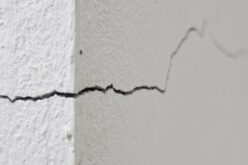
Seasonal flooding, poor drainage grading around the home’s exterior, and cracked foundation walls are among the most common causes of water intrusion at this level.

2. Musty Odors Coming from Below Floors
A persistent musty smell emanating from under your home is a telltale sign of moisture and organic decay. This odor typically comes from mold, mildew, or decomposing wood in the crawl space, and it often travels upward through floor gaps and HVAC systems. The smell may become more noticeable during humid weather or after rain when moisture levels spike.
If you notice an unpleasant odor when entering your home or in certain rooms, the crawl space warrants immediate investigation. Ignoring these odors means ignoring an active moisture problem that is likely worsening over time.
here’s another interesting viewpoint

Crawl Space Encapsulation: Why It’s Essential for a Healthier Home
Crawl space encapsulation is a process designed to improve the overall health and efficiency of a home.
3. Mold or Mildew Growth on Surfaces
Black, green, or white fungal growth on wooden beams, insulation, or concrete surfaces indicates active mold colonization in the crawl space. Mold thrives in damp, poorly ventilated environments and can establish itself within 24 to 48 hours under the right conditions.
Beyond being unsightly, mold can degrade indoor air quality and pose health risks to household members, particularly those with respiratory conditions or allergies. The presence of visible mold means moisture levels have been elevated long enough for fungal growth to take hold and spread.
Remediation must address both the mold itself and the underlying moisture source to prevent recurrence.
4. Efflorescence or White Staining on Concrete
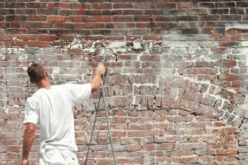
Efflorescence appears as a white, chalky powder or staining on concrete crawl space floors and walls. This occurs when water moves through concrete, carrying dissolved mineral salts to the surface where they crystallize and become visible.
While efflorescence itself is not structurally dangerous, it is a reliable indicator that water is actively moving through your concrete foundation on a regular basis. The presence of efflorescence suggests an ongoing moisture problem that needs attention before it progresses.
If left unaddressed, repeated water movement can gradually weaken concrete surfaces and compromise their load-bearing capacity over time.
5. Sagging or Warped Floor Joists
Floor joists that show signs of bowing, sagging, or visible decay are suffering from prolonged moisture exposure. Wood naturally weakens and deteriorates when consistently exposed to high humidity, causing floors above to feel soft, bouncy, or uneven in certain areas.
Moisture-damaged joists can also become susceptible to wood-boring insects, compounding the structural concern significantly. Damaged joists compromise the integrity of your entire home and require professional evaluation before conditions worsen.
Homeowners dealing with these structural concerns rely on professional crawl space repair charlotte nc to assess deteriorated joists and implement lasting moisture control solutions before the damage spreads further.
This warning sign typically suggests the moisture problem has existed for an extended period without intervention.
6. Increased Pest Activity in Your Home
Moisture attracts insects and rodents seeking water sources for survival, and the crawl space is often their first point of entry. If you notice more cockroaches, termites, ants, or rodents inside your home, your crawl space may be creating a hospitable environment for them.
Termites are particularly concerning because they feed on wood while using moisture to sustain their colonies, making a damp crawl space an ideal habitat. Pest problems combined with moisture damage create a compounding situation that accelerates structural deterioration at a much faster rate than either issue alone.
Addressing moisture is a necessary first step in any effective pest management strategy for the crawl space.
7. High Humidity Levels Inside Your Home
Excessive moisture in your crawl space gradually affects humidity levels throughout the entire home, often in ways that are subtle at first. You may notice condensation forming on windows, a sticky or heavy feeling in the air, or difficulty maintaining a comfortable indoor temperature.
High indoor humidity makes the home uncomfortable and creates conditions where secondary mold growth can develop on walls, furniture, and other surfaces. Many humidity problems originate from uncontrolled crawl space moisture that migrates upward through floors and wall cavities.
Installing a calibrated humidity monitor in your crawl space can help you track moisture levels consistently and catch problems before they become severe.
Conclusion
Identifying warning signs of crawl space moisture problems early can prevent expensive repairs and protect your home’s structural integrity. Standing water, musty odors, visible mold, efflorescence, damaged joists, pest activity, and elevated humidity levels all indicate that your crawl space needs attention.
Each of these signs points to an environment where moisture has accumulated to problematic levels. Regular crawl space inspections, proper exterior drainage, and moisture control solutions such as vapor barriers or dehumidifiers can help manage these conditions.
If any of these warning signs are present in your home, consulting with a foundation or moisture control specialist is the appropriate next step to assess and resolve the underlying problem.
home improvement ideas to consider (complete directory – new win):


Find Home Exterior Home Services Garage Doors Roofing Siding Waterproofing top-rated, pre-screened local contractors FREE: download contractor selection enter zip code – powered by HomeAdvisor ™


Image credit: crawl space moisture by envato.com
end of post … please share it!
| more photo remodeling |
Jump Over to Our Photo Analysis Center for Ideas on
"Renovating Home"
|__________________________________________________________|
home remodeling surprise
find out where it might go - new win


Helpful article? Leave us a quick comment below.
And please share this article within your social networks.