
Noticed a crack in your home’s foundation, but aren’t sure if it’s a wait-and-see kind of thing or a call-someone-now kind of problem? Not every crack is a crisis, but some of them are. Here are some ways to tell if a foundation crack needs urgent attention or if you’ve got time to monitor it.
What the Direction of the Crack Tells You
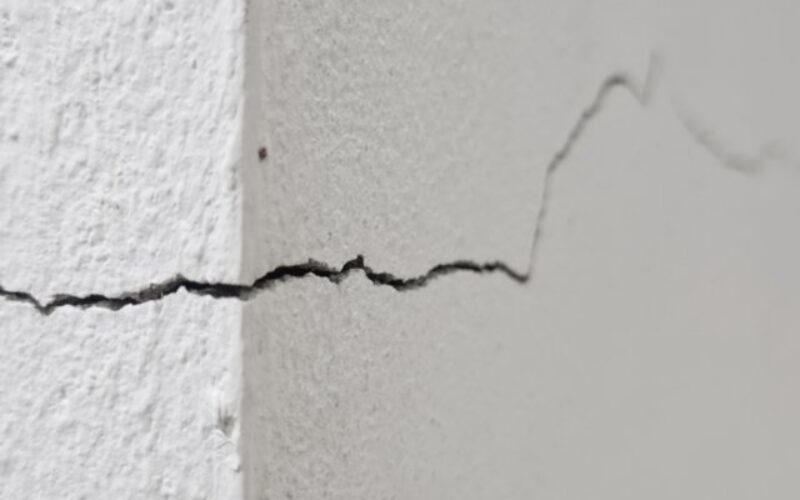
Horizontal cracks are the most concerning direction you can find on a foundation wall. They form when soil outside the wall exerts lateral pressure inward, often from water saturation or freeze-thaw cycles expanding the ground. That inward pressure stresses the wall in a way it wasn’t designed to handle.
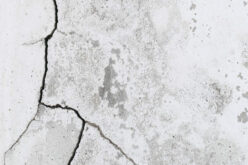
Vertical cracks are far more common and usually less urgent. Concrete shrinks slightly as it cures, and vertical lines are a typical byproduct of that process. Diagonal cracks near window or door corners often point to minor settling, but a wide diagonal crack spanning a large section of wall typically indicates the foundation has shifted unevenly and needs professional evaluation.
How Wide the Crack Is
A hairline crack at 1/16 of an inch or less is standard in most homes and almost always traces back to normal concrete shrinkage. Once a crack reaches 1/4 inch wide, the foundation has moved beyond what normal settling produces.
Anything wider than 1/4 inch, especially if the two edges sit at different heights or depths, indicates active structural movement. That unevenness, called displacement, means the two sides of the crack are no longer on the same plane. Displacement at that width warrants a professional inspection before the gap widens further.
Whether the Crack Is Still Growing
Mark both ends of the crack with a pencil and write the date next to each mark. Check it again in two to three weeks. If the crack has extended past either mark, the foundation is still moving.
A dormant crack that hasn’t changed in years is a lower priority than one actively spreading. Growing cracks need a structural engineer or foundation specialist, not a tube of filler and a coat of paint.
If Water Is Getting Through
A crack that lets water into your basement or crawl space creates two problems at once. The structural issue that caused the crack is still there, and now moisture is working its way into the space.
Prolonged moisture exposure deteriorates wood framing, promotes mold growth, and softens the surrounding soil, which accelerates the foundation movement that opened the crack in the first place. Even a slow seep warrants a prompt inspection.
Where on the Foundation the Crack Appears
Location changes the urgency considerably. Cracks near corners carry more consequence because corners handle concentrated load. A crack running beneath a structural beam or along a load-bearing wall puts the framing above it at immediate risk.
One sign your home’s foundation needs repair soon is if there’s a crack located near the footing at the base of the wall. These types of cracks sit at the point where the foundation transfers the entire weight of the house to the soil below, making damage there structurally serious from the start.
If Doors or Windows Have Started Sticking
Foundation movement doesn’t stay contained to the basement. As the foundation shifts, the structural frame above it shifts with it, and that shows up in doors that won’t latch and windows that bind in their frames.
If sticking doors appeared around the same time you noticed a crack, the two are likely connected. This is especially telling on upper floors, where the effects of a shifting foundation travel through the entire frame before they become visible.
Whether You See Stair-Step Cracks in Brick or Block
Stair-step cracks follow mortar joints in brick or concrete block walls, running diagonally in a staircase pattern. This specific pattern points to differential settling, where one section of the foundation is sinking at a faster rate than the rest.
Differential settling is more damaging than uniform settling because uneven movement puts asymmetrical stress on the structure above. If you’re seeing this pattern on an exterior wall, it’s a sign the foundation under that section needs evaluation.
If the Wall Is Bowing or Bulging
A cracked wall that also curves inward is under active lateral pressure. The bow tells you the wall has already deflected past its original position, and that movement continues as long as the pressure source remains.
Most structural engineers treat more than one inch of inward deflection as requiring immediate intervention. At two inches, wall replacement often becomes the only viable option. A bow in combination with cracking is never a cosmetic issue.
If Multiple Cracks Appear in the Same Area
A single isolated crack tells a different story than several cracks clustered in the same section of wall. Clusters point to concentrated stress, whether from a heavy load above, sustained soil pressure, or a drainage problem keeping that area of the foundation consistently wet.
Multiple cracks also complicate repair. Sealing individual cracks without identifying the source of the stress is a temporary fix at best.
How Long the Crack Has Been There
A crack that appeared suddenly after a heavy rain, a hard freeze, or nearby excavation work is reacting to a specific stressor. That kind of rapid formation tells you the foundation is already under enough pressure that external changes are pushing it further.
A crack that’s been sitting unchanged for years is lower priority, but unchanged doesn’t mean harmless. Stable cracks still create entry points for water and should be sealed even if they don’t require structural repair.
The Straightforward Answer
Not every foundation crack is an emergency, but none of them are something to file away and forget. Direction, width, location, and whether the crack is still growing are the details that separate a low-priority hairline from a call-your-inspector-this-week situation. If you’re seeing multiple warning signs at once, don’t wait for the crack to get worse before you get someone in to look at it. The sooner a structural issue gets evaluated, the more repair options you typically have.
Image Credentials: โยธิน ทุมจีน, 1774975907
|__________________________________________________________|
home remodeling surprise
find out where it might go - new win


Helpful article? Leave us a quick comment below.
And please share this article within your social networks.