If any of these scenarios sound familiar, your home might be trying to tell you something important about its foundations.
House reblocking is one of those home maintenance tasks that many homeowners don’t think about until something goes wrong. Yet it’s absolutely vital for keeping your property safe, stable, and structurally sound for years to come.
Simply put, house reblocking involves replacing the old, deteriorating stumps that support your home with new, sturdy ones. It’s a bit like giving your house a brand new set of legs to stand on.
In this guide, we’ll walk you through everything you need to know about house reblocking. You’ll learn how to spot the warning signs that your home needs attention, understand what happens during the reblocking process, and get a clear picture of costs involved.
By the end, you’ll have all the knowledge you need to protect your home’s future and make informed decisions about this crucial maintenance work.
- post content
- Understanding The Basics Of House Reblocking
- Warning Signs Your Home Needs Reblocking
- The Structural Risks of Ignoring Reblocking
- The House Reblocking Process Explained
- Protecting Your Home’s Future with House Reblocking
- view notes:collective tips
- view ideas:latest remodeling analysis
- related post (new win):Crawl Space Encapsulation
Understanding The Basics Of House Reblocking
-
How Does House Reblocking Work?
House reblocking is essentially a foundation replacement process. Professional contractors lift your home slightly, remove the old, damaged stumps, and install new ones in their place.
The process requires specialist equipment and expertise to make sure your home remains level and structurally sound throughout.
The work typically involves temporarily supporting your house while the old stumps are removed one section at a time. This careful, methodical approach minimises disruption and keeps your home stable during the entire process.
-
What Are Stumps And Why Do They Fail?
Stumps are the vertical supports that hold your home above the ground. They’re positioned at regular intervals beneath your floor, transferring the weight of your entire house down into the foundation. Over time, these stumps can deteriorate due to moisture, soil movement, termite damage, or simply age.
Timber stumps, in particular, are prone to rotting when exposed to damp conditions. In some climates, with its varying moisture levels and occasional flooding in some regions, can accelerate this deterioration significantly.
-
Types Of Stumps Used In Australian Homes
Homes commonly feature three main types of stumps: timber, concrete, and steel. Older homes typically have timber stumps, which were the standard choice for decades. These can last anywhere from 15 to 50 years depending on conditions.
Modern reblocking projects usually opt for concrete or galvanised steel stumps. These materials offer superior durability and resistance to moisture and pests. Steel stumps, in particular, have become increasingly popular due to their longevity and adjustability.
about preventing foundation issues

Preventing Foundation Problems: Tips for Homeowners
Preventing foundation problems not only ensures the safety and stability of your home but also saves you from costly repairs in the long run.

Warning Signs Your Home Needs Reblocking
-
How Do I Know If My House Needs Reblocking?
Spotting the early signs of stump failure can save you significant money and stress down the track. Your home will often give you clear signals that something’s not quite right with its foundations.
Paying attention to these warnings is key to addressing problems before they become major headaches.
-
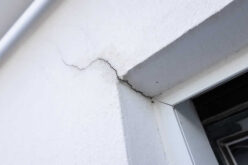
Visible Cracks In Walls And Ceilings
One of the most obvious indicators is cracking in your walls or ceilings. While small hairline cracks can be normal, larger cracks that seem to grow over time are worth investigating.
Diagonal cracks around door frames and windows are particularly telling signs of foundation movement.
Keep an eye on both internal and external walls. If you notice cracks appearing in multiple locations, it’s definitely time to call in a professional for an assessment.
-
Uneven Or Bouncy Floors
Walking through your home shouldn’t feel like navigating a fun house. If your floors feel springy, bouncy, or noticeably uneven, your stumps may be failing. You might also notice that furniture wobbles or doesn’t sit flat anymore.
Try placing a marble or ball on your floor. If it rolls consistently in one direction, you’ve got evidence of floor unevenness that warrants investigation.
-
Doors And Windows That Stick Or Won’t Close Properly
When stumps deteriorate unevenly, your house can shift and twist slightly. This movement often shows up first in doors and windows that suddenly become difficult to open or close.
If you’re finding yourself wrestling with doors that used to work perfectly, failing stumps could be the culprit.
The Structural Risks of Ignoring Reblocking
-
What Happens If You Don’t Reblock Your House?
Ignoring the warning signs can lead to increasingly serious problems. What starts as minor inconveniences can quickly escalate into major structural issues that are far more expensive to fix.
The longer you wait, the more damage occurs. As stumps continue to fail, your home’s frame can twist and warp, leading to permanent structural damage that goes well beyond simple stump replacement.
-
Long-Term Damage To Your Home’s Foundation
Without intervention, deteriorating stumps can cause your entire foundation system to become compromised. Floor joists may crack, bearers can split, and the overall integrity of your home’s structure becomes questionable.
This kind of damage often requires extensive repairs that go far beyond reblocking. You might end up needing to replace significant portions of your home’s framework.
-
Impact on Property Value and Resale Potential
A home with foundation issues is a hard sell. Building inspectors will flag stump problems immediately, and potential buyers will either walk away or demand significant price reductions. In some cases, banks may refuse to finance properties with obvious structural concerns.
Maintaining your stumps protects your investment and keeps your property attractive to future buyers.
The House Reblocking Process Explained
-
How Long Does House Reblocking Take?
Most house reblocking projects take between two to five days for an average-sized home. Larger properties or those with extensive damage may require additional time. The timeline also depends on the number of stumps being replaced and site accessibility.
Your contractor should provide a realistic timeframe before work begins, accounting for any specific challenges your property presents.
-
Step-By-Step Breakdown of Professional Reblocking
The process begins with a thorough inspection to assess the condition of all stumps and determine which need replacement. Next, temporary supports are positioned to safely hold your home while work proceeds.
Old stumps are then removed section by section, with new stumps installed and precisely adjusted to ensure your floors are level. Finally, the temporary supports are removed, and a final inspection confirms everything is properly aligned.
-
Can You Live In Your Home During Reblocking?
Good news—you can typically stay in your home throughout the reblocking process. While there’ll be some noise and disruption, most of the work happens underneath your house.
Contractors work to minimise inconvenience, and you won’t need to relocate your family during the project.
more info below

Is Your Yard a Swamp? Master Your Home Drainage System
Water is life-giving for our gardens, but when it flows uncontrolled around our homes, it becomes a force of destruction that can compromise foundations, ruin landscaping, and turn basements into indoor pools.
Protecting Your Home’s Future with House Reblocking
House reblocking isn’t the most glamorous home improvement project, but it’s certainly one of the most important.
We’ve covered the warning signs to watch for, the risks of ignoring stump problems, and what to expect from the house reblocking process itself. Understanding these fundamentals puts you in a strong position to make smart decisions about your home’s care.
Your home is likely your biggest asset, and protecting its structural integrity should be a priority. Whether you’re noticing early warning signs or simply want peace of mind about your foundations, getting a professional assessment is a sensible first step. Early intervention almost always saves money and prevents more serious problems developing.
If you’ve spotted any of the warning signs we’ve discussed, don’t put off getting expert advice. Reach out to qualified house reblocking professionals in your area for an inspection.
Your future self—and your home—will thank you for taking action now rather than waiting until small problems become major headaches.
other related analysis of interest: (new win)
Revolutionizing Personal Wellness: The Guide to Smart Scales
Redefining Your Home’s Exterior: 3 Styles For A Stunning Remodel or Home Build
Find Exterior Home Services Garage Doors Roofing Siding Waterproofing Driveways Walkways top-rated, pre-screened local contractors FREE: download contractor selection Steps Concrete Chimney Landscape Design Foundations Water Features enter zip code – powered by HomeAdvisor ™


Image credit: by envato.com
end of post … please share it!
| more photo remodeling |
Jump Over to Our Photo Analysis Center for Ideas on
"Renovating Home"
|__________________________________________________________|
home remodeling surprise
find out where it might go - new win


Helpful article? Leave us a quick comment below.
And please share this article within your social networks.