We tend to focus on the aesthetic touches like paint colors, kitchen backsplashes, or landscaping, often overlooking the critical structural components until a problem demands our attention.
Unfortunately, by the time a homeowner notices a visible sign of foundation failure—like a jagged crack in the drywall or a door that suddenly refuses to close—the damage has often progressed significantly.
Caring for a home means looking deeper than the surface level and understanding that the health of the entire structure relies on a stable footing. Ignoring the early whispers of foundation distress can lead to devastating financial consequences and emotional stress.
The good news is that home maintenance technology has evolved to offer nurturing, proactive solutions. Just as we use smart technology to monitor our personal health or home security, we can now utilize Artificial Intelligence (AI) and smart sensors to listen to the foundation, detecting shifts and stress points long before they become visible to the naked eye.
- post content
- Understanding the Silent Struggle of Your Foundation
- the proactive eye of AI inspection
- Listening 24/7 with Smart Sensor Technology
- The Value of Early Detection and Prevention
- How Tech Saves Homes: Industry Examples
- Protecting the Heart of Your Home
- view table:content summary
- view notes:collective tips
- view ideas:latest remodeling analysis
- view post (new win):Crawl Space Encapsulation
Understanding the Silent Struggle of Your Foundation
To protect your home, it helps to first understand the forces working against it. Foundations are in a constant battle with the environment surrounding them. The soil beneath your home is rarely static; it breathes and moves with the seasons.
Clay-rich soil, for example, acts like a sponge, expanding with significant force when wet and shrinking away from the foundation when dry. This constant cycle of expansion and contraction creates stress on the concrete, eventually leading to settlement or structural failure if not managed correctly.
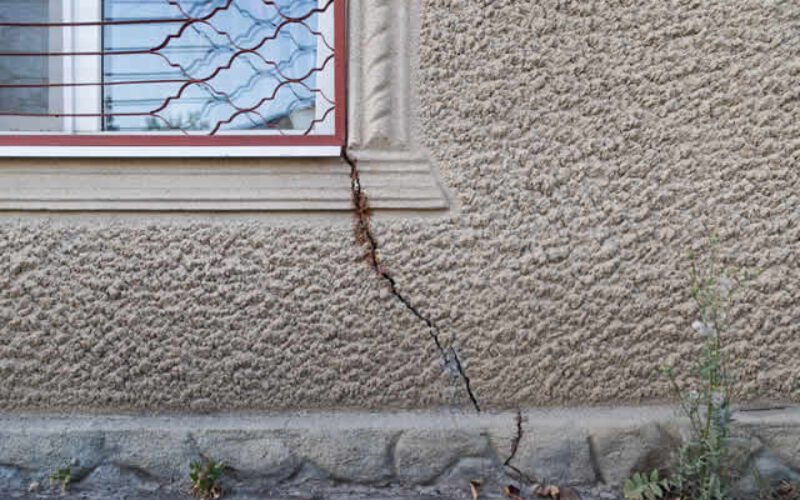
The signs of this struggle often manifest in subtle ways that are easy to dismiss as normal settling or aging. You might notice hairline cracks in the basement floor, gaps appearing between the crown molding and the ceiling, or windows that stick in their frames.
While these may seem like minor cosmetic annoyances, they are often the foundation’s way of signaling for help. Waiting for these symptoms to become aggressive typically means the underlying issue has been festering for months or even years.
Water is another formidable adversary in this equation. Poor drainage, plumbing leaks under the slab, or changes in the local water table can erode the soil support or create hydrostatic pressure that pushes against foundation walls.
Without early detection, these environmental factors can compromise the structural integrity of the house, turning what could have been a minor maintenance task into a major engineering project.

The Proactive Eye of AI Inspection
The traditional method of foundation inspection usually involves a structural engineer or a foundation repair specialist walking around the property, looking for distress signs, and taking elevation measurements. While valuable, this human-led approach is often reactive, occurring only after a homeowner suspects a problem.
This is where Artificial Intelligence enters the conversation as a transformative tool for preventive care. AI-powered inspection technologies can analyze the condition of a foundation with a level of precision and predictive capability that human eyes cannot match on their own.
AI systems utilize computer vision and machine learning algorithms to assess the home’s exterior and interior. By processing high-resolution images or 3D scans of the foundation, these systems can map out surface irregularities and identify micro-cracks that are virtually invisible.
The AI compares this data against vast databases of structural engineering models to determine if the cracking patterns suggest normal settling or structural failure. This creates a detailed baseline of the home’s health, allowing for accurate comparisons over time.
Furthermore, AI creates a predictive model based on the specific environmental context of your home. It analyzes variables such as local soil composition, weather patterns, and historical geological data to assess potential risks.
This means the technology can alert you to a higher probability of foundation movement based on a coming drought or heavy rainy season, empowering you to take preventive steps—like installing soaker hoses or improving drainage—before the soil shifts occur.
poor drainage is one of the key reason for foundation problems

Designing A Better Yard Drainage System
n this analysis, we get into the intricacies of designing an efficient yard drainage system to safeguard your home foundation and landscape property against water damage.
Listening 24/7 with Smart Sensor Technology
While an inspection provides a snapshot in time, the health of a foundation is a dynamic, ongoing story. To truly nurture the structural integrity of a home, continuous monitoring is the gold standard. This is achieved through the installation of smart sensors, which act as a nervous system for the house.
These small, unobtrusive devices are attached to key points on the foundation and in the soil to monitor distinct physical parameters that indicate stability or distress.
These sensors are equipped with inclinometers to measure tilt and accelerometers to detect vibration or sudden movement. They work tirelessly, detecting shifts as small as a fraction of a millimeter.
If the soil beneath the southwest corner of your home begins to sink due to a hidden plumbing leak, the inclinometer detects the change in the floor’s level long before a crack appears in the tile above.
Beyond measuring movement, smart sensors also track environmental conditions that lead to foundation failure. Soil moisture sensors and humidity monitors placed in crawl spaces or basements provide real-time data on the water content surrounding the foundation.
Since water fluctuation is the leading cause of foundation issues, having this data allows homeowners to maintain a consistent moisture balance. The sensors transmit this data wirelessly to a central hub or a smartphone app, providing you with real-time alerts.
If moisture levels drop to a critical point where soil shrinkage is imminent, the system notifies you to water the foundation. Conversely, if humidity spikes in the crawl space, you are alerted to a potential drainage issue or leak.
The Value of Early Detection and Prevention
Embracing these technologies offers a profound shift from reactive repairs to proactive stewardship. The financial implications of this shift are substantial. The cost of installing a smart monitoring system or conducting an AI-based assessment is a fraction of the price of structural underpinning, which can run into the tens of thousands of dollars.
By catching a plumbing leak early through sensor alerts, you avoid not only the foundation repair bill but also the cost of mold remediation and water damage restoration.
Beyond the financial savings, there is a significant emotional benefit to this approach. Your home is likely your most valuable asset and your sanctuary. The uncertainty of wondering if a crack is serious can be a source of constant low-level anxiety.
Continuous monitoring provides peace of mind, replacing guesswork with data. You can sleep soundly knowing that the silent sentinels beneath your floorboards are keeping watch.
This technology also empowers you to be a better partner to the professionals. Should an alert occur, the historical data collected by the sensors provides structural engineers with a timeline of events.
Instead of guessing why the foundation moved, they can look at the data to correlate the movement with specific weather events or moisture levels, leading to a more accurate diagnosis and a more effective, less invasive repair solution.
home foundation preventive measures

Preventing Foundation Problems: Tips for Homeowners
Preventing foundation problems not only ensures the safety and stability of your home but also saves you from costly repairs in the long run.
How Tech Saves Homes: Industry Examples
The application of this technology is already making a difference in the residential and commercial sectors. In areas with expansive clay soils, such as Texas and Colorado, geotechnical engineering firms have begun utilizing remote monitoring sensors for homes with a history of movement.
In instances where homeowners installed moisture sensors, data showed that consistent watering schedules during drought periods effectively stabilized the soil, preventing the need for mechanical piers. The sensors provided the feedback loop the homeowners needed to know their maintenance efforts were working.
Another example involves the use of AI in property management for large residential portfolios. Companies managing hundreds of rental homes utilize automated drone inspections equipped with computer vision to scan foundation perimeters.
In one pilot program, this technology identified drainage issues caused by landscaping overgrowth that were channeling water toward the foundations. The early detection allowed the maintenance teams to regrade the landscaping, saving the property owners from inevitable slab leaks and structural settling.
These examples illustrate that when we give our homes a voice through technology, we can address their needs before they become cries for help.
Protecting the Heart of Your Home
The foundation is the literal and metaphorical bedrock of your home life. While it may be buried beneath the soil, it should never be ignored. Nurturing your home involves more than just maintaining what you can see; it requires a commitment to understanding the deeper structural health of the building.
By integrating AI inspections and smart sensor monitoring into your home maintenance routine, you are making a choice to protect your investment and ensure a safe, stable environment for your family.
Technology has given us the ability to listen to the subtle shifts and changes that were once undetectable. It allows us to live in harmony with the environment, adapting to soil changes and water cycles with intelligence and foresight.
Investing in these preventive measures is an act of care that preserves the integrity of your home for generations to come, ensuring that it remains a place of comfort, safety, and lasting memories.
other related analysis of interest: (new win)
How to Finance Your Dream Remodel: A Complete Guide
Garage Decluttering Solutions: Keeping Your Organized and Assemble
| Topic | Description | Technological Solution | Benefits |
|---|---|---|---|
| Foundation Awareness | Foundations face environmental stress, like soil expansion and contraction, leading to cracks or structural failure. Problems often go unnoticed until significant damage occurs. | Artificial Intelligence (AI) systems and smart sensors for early detection and analysis of foundation issues. | Prevents costly repairs by addressing problems early; offers peace of mind and stabilizes the structural integrity of the home. |
| Environmental Forces | Factors such as clay-rich soils, poor drainage, and plumbing leaks create stress on foundations and can lead to long-term damage if left untreated. | Smart sensors monitor soil moisture levels and humidity, identifying shifts in real-time. | Helps maintain soil stability, avoids environmental-related foundation damage, and reduces physical wear on structures. |
| AI Inspections | Traditional inspections rely on human observation, which can miss subtle damages like micro-cracks or hidden irregularities. | AI-powered systems use computer vision, machine learning, and 3D scans to detect and predict foundation issues with high precision. | Generates predictive models based on environmental data, enabling proactive maintenance and detailed comparisons over time. |
| Continuous Monitoring | A home’s foundation requires ongoing health checks as soil and environmental conditions are always changing. | Smart sensors with inclinometers and accelerometers monitor movement, tilt, and environmental conditions 24/7. | Early detection of soil shifts, real-time alerts to homeowners, and data collection for engineers enhance structural sustainability. |
| Industry Applications | AI and sensors are improving residential and commercial property maintenance, especially in areas prone to soil movement. | Technologies like drone inspections and automated environmental monitoring are employed to track and manage foundation health. | Reduces repair costs, enables preemptive maintenance, and prevents structural damage by adapting to environmental conditions in a timely manner. |

Find Exterior Home Services Garage Doors Roofing Siding Waterproofing Driveways Walkways top-rated, pre-screened local contractors FREE: download contractor selection Steps Concrete Chimney Landscape Design Foundations Water Features enter zip code – powered by HomeAdvisor ™


Image credit: AI foundation inspections by envato.com
end of post … please share it!
| more photo remodeling |
Jump Over to Our Photo Analysis Center for Ideas on
"Renovating Home"
|__________________________________________________________|
home remodeling surprise
find out where it might go - new win


Helpful article? Leave us a quick comment below.
And please share this article within your social networks.